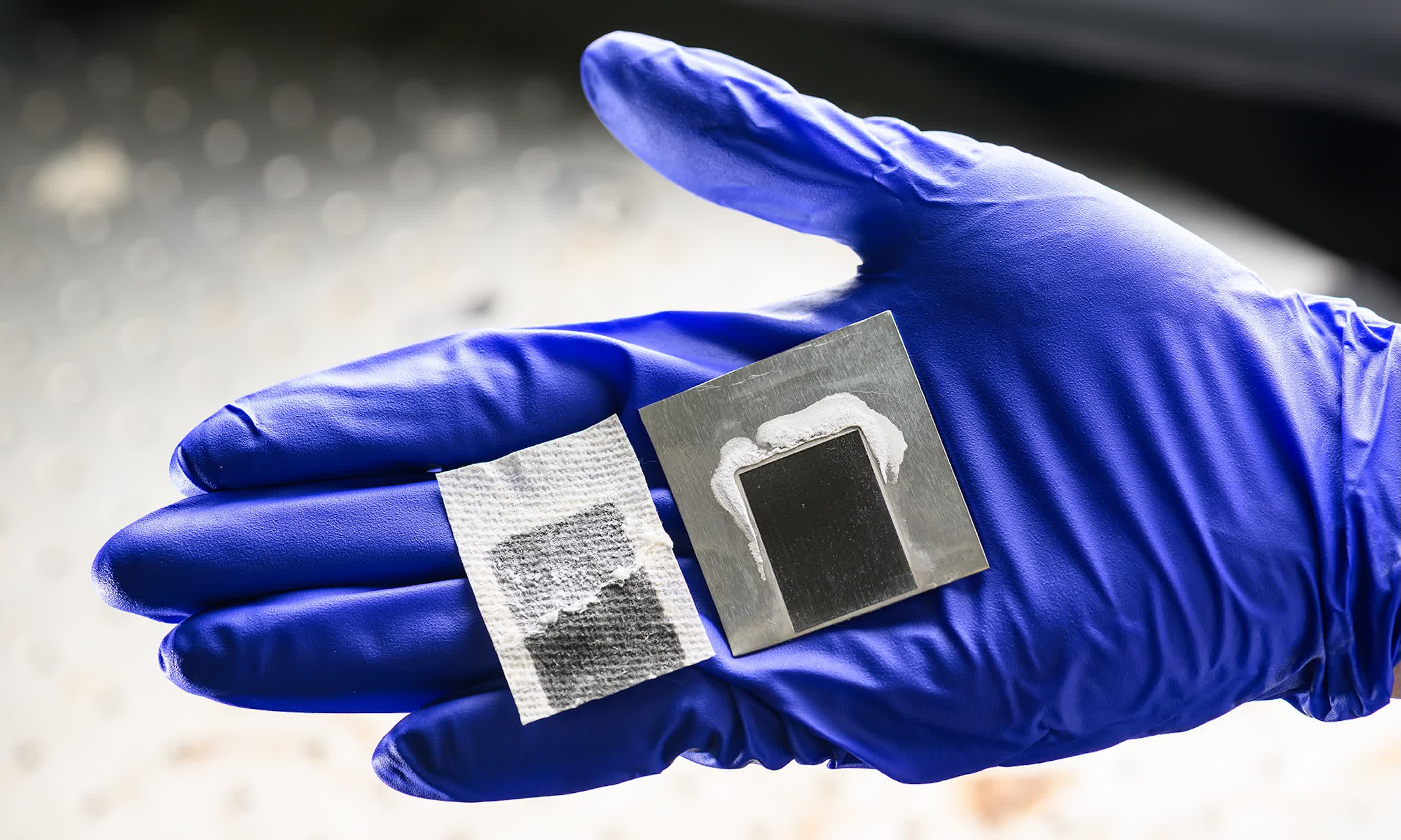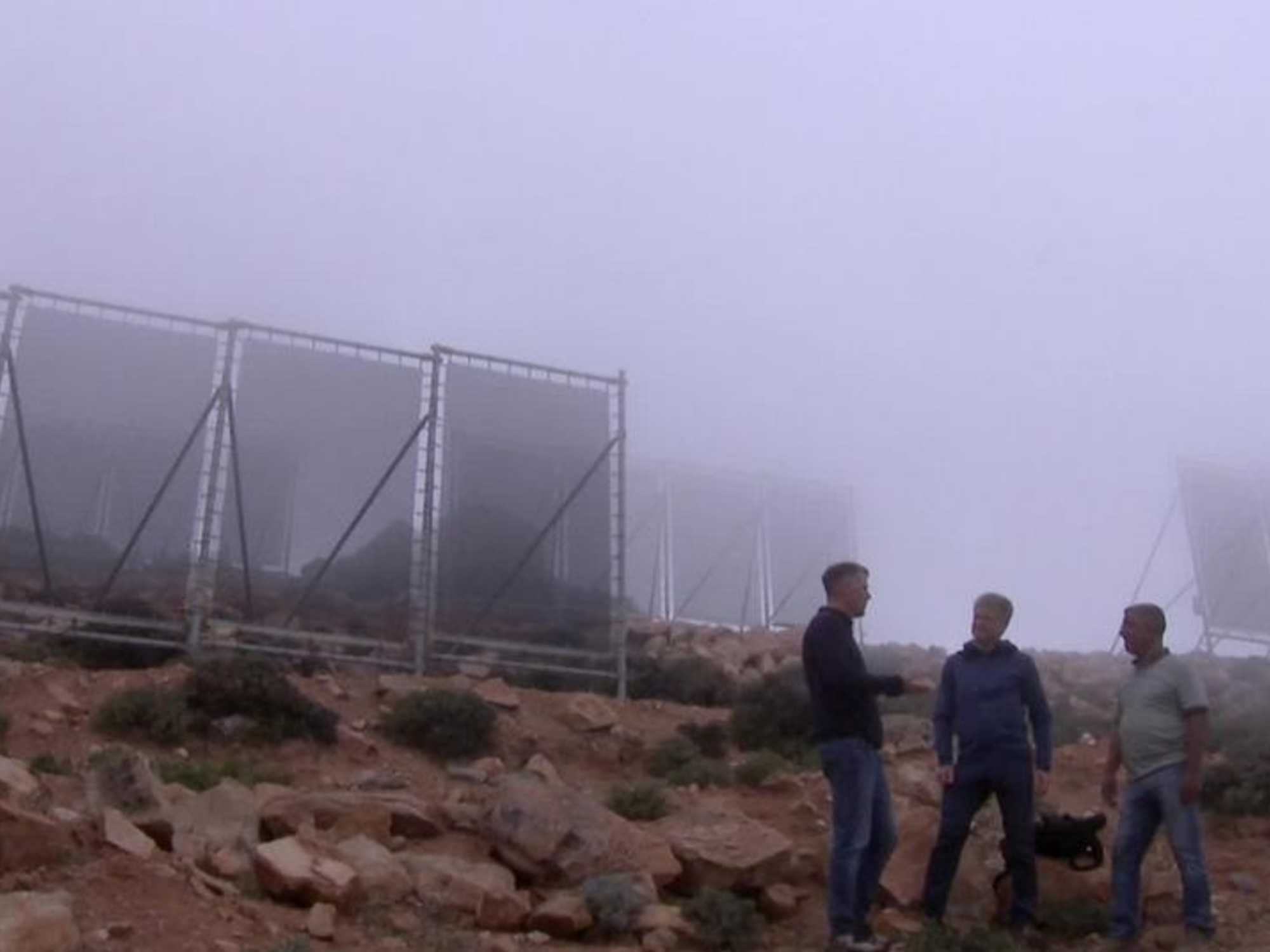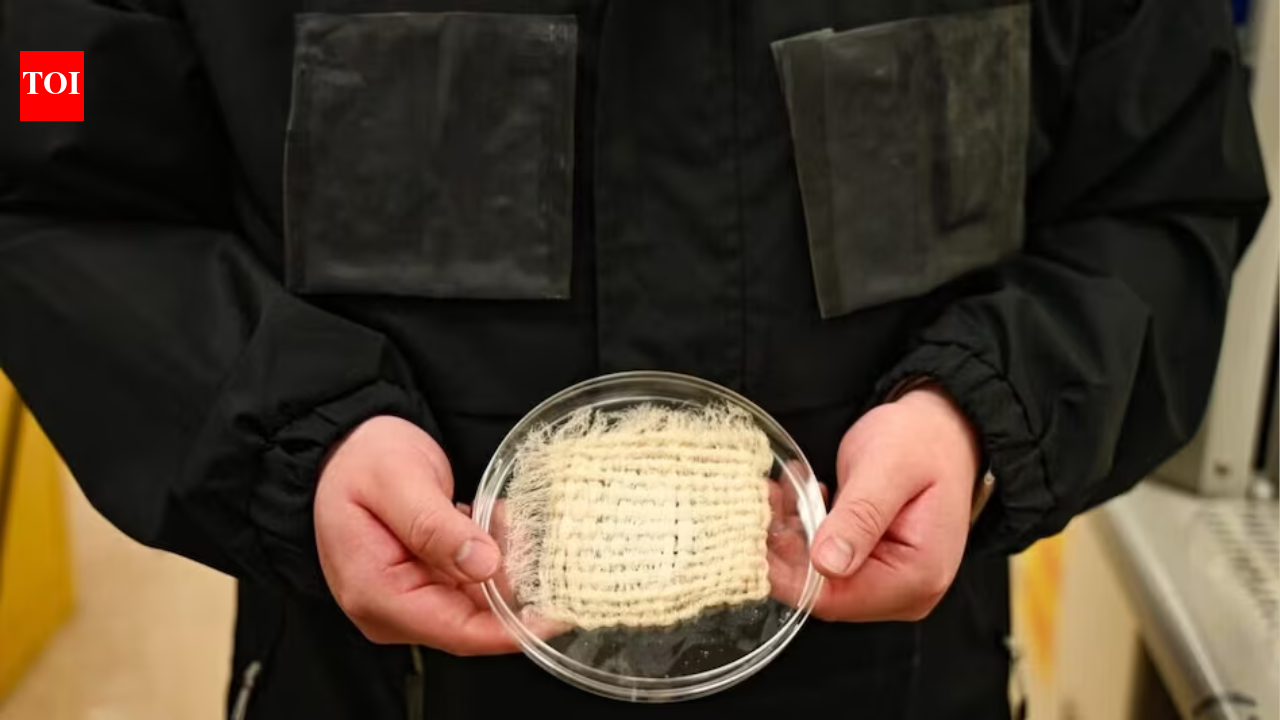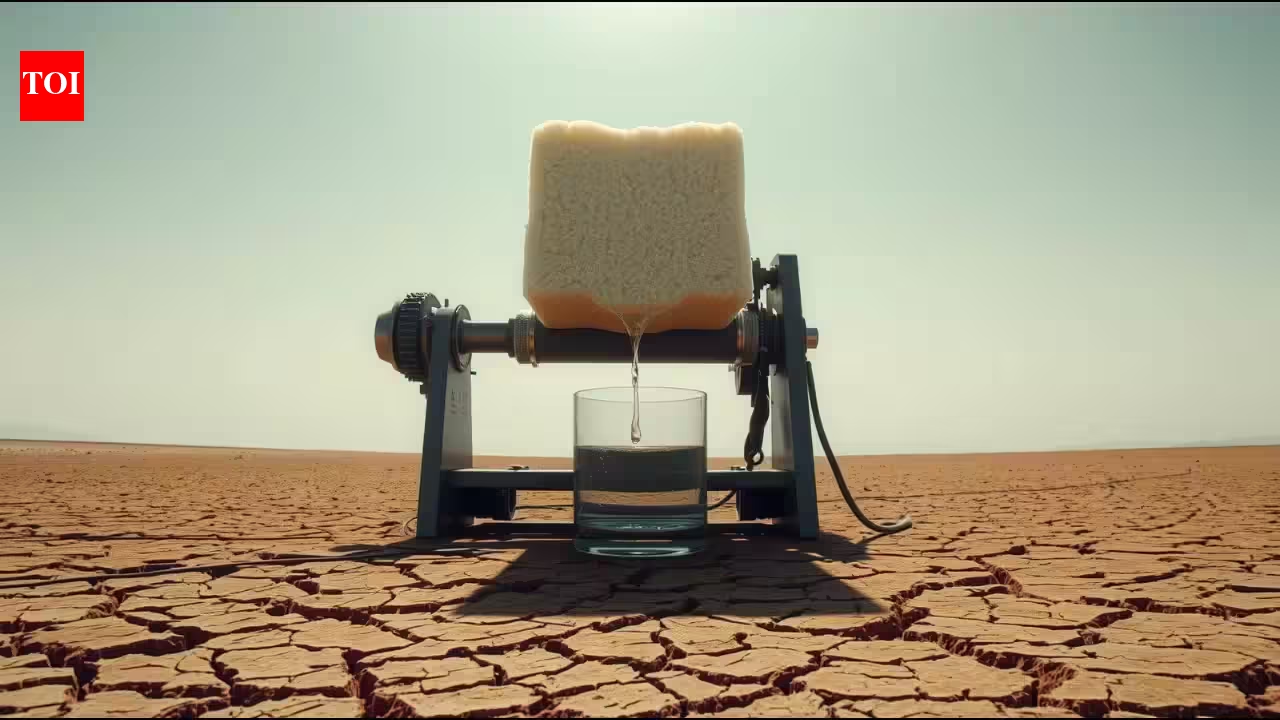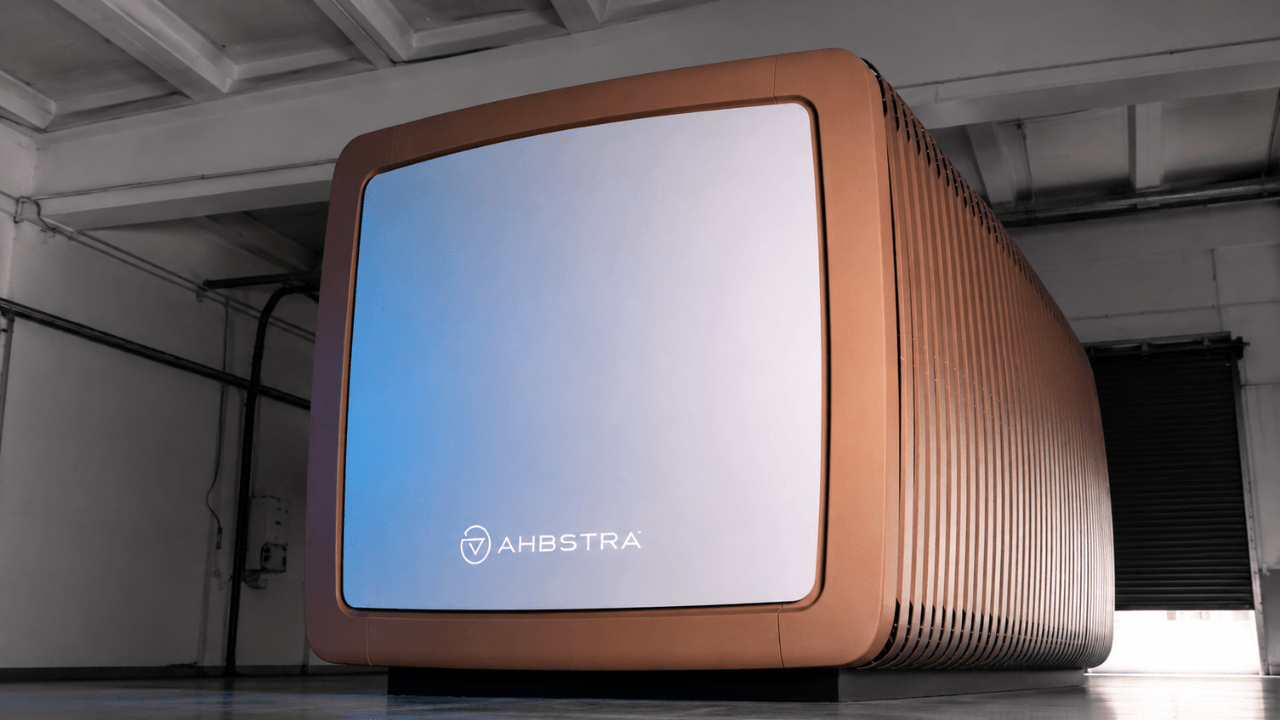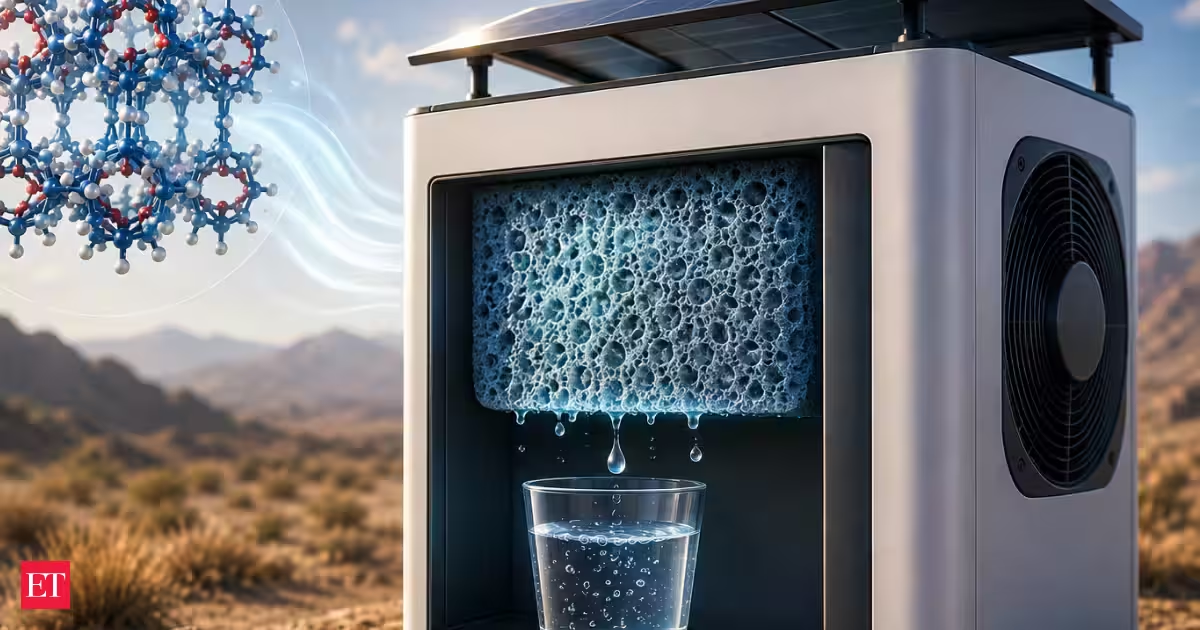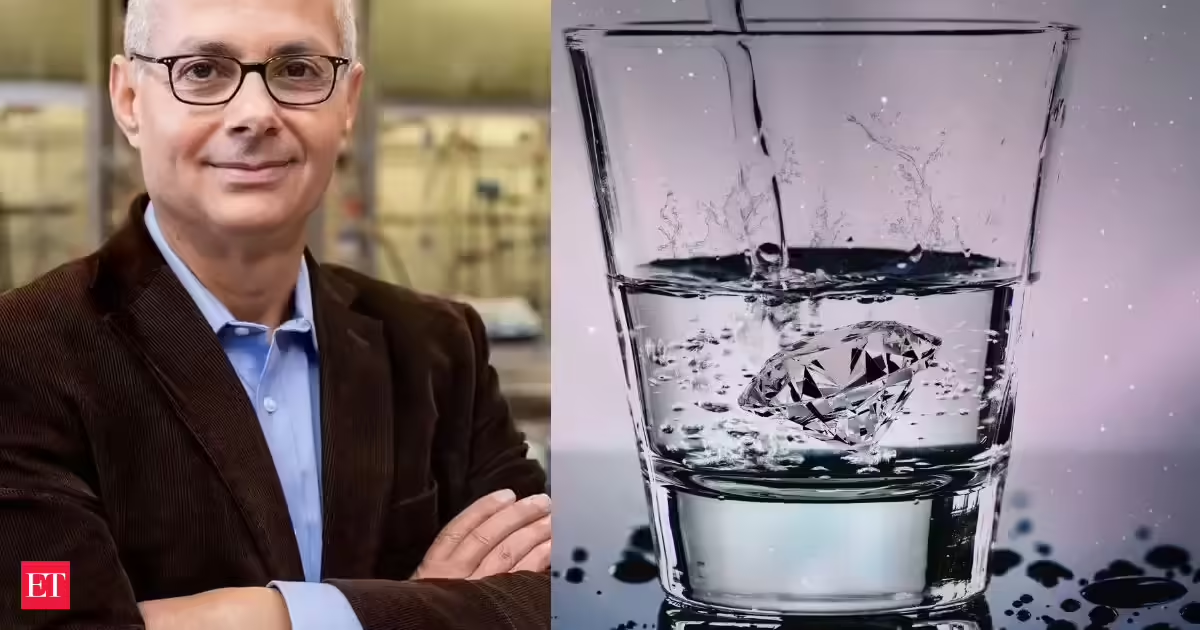
Imagine producing clean drinking water straight from the air, even in some of the driest places on Earth. That vision is becoming a reality thanks to a groundbreaking invention developed by a Nobel Prize-winning scientist.Professor Omar Yaghi, a chemist at the University of California, Berkeley, has helped create a machine capable of generating up to 1,000 litres of clean water every day by extracting moisture directly from the atmosphere. The innovation is being developed through his company, Atoco, and could offer a lifeline to millions of people facing water shortages.How Does The Water-From-Air Machine Work?At the heart of the technology are advanced materials known as Metal-Organic Frameworks (MOFs).These specially engineered materials contain billions of microscopic pores that can capture water molecules from the air. Despite weighing only a few grams, MOFs have an enormous internal surface area, allowing them to absorb significant amounts of moisture.As air moves through the machine, the MOFs trap water vapour. When exposed to sunlight or low levels of heat, the materials release the captured moisture, which is then condensed into clean liquid water.Unlike many traditional atmospheric water generators, the system does not rely on energy-hungry cooling equipment. Instead, it operates using solar heat, making it suitable for off-grid locations.The Science Behind The BreakthroughThe invention is based on a branch of chemistry known as reticular chemistry, a field pioneered by Yaghi himself.This area of science focuses on designing materials at the molecular level to perform specific tasks. In this case, the materials are engineered to pull water from the atmosphere with remarkable efficiency.The technology can reportedly work even in environments where humidity levels fall below 20 per cent, opening up possibilities for arid regions where water is scarce.Why The World Needs New Water SolutionsThe innovation arrives as global concerns over water security continue to grow.According to United Nations estimates, more than 2 billion people do not have access to safely managed drinking water. Nearly four billion people experience severe water shortages for at least part of the year.Traditional solutions such as desalination plants can be expensive, require large amounts of energy and generate environmentally harmful waste products.Yaghi's invention offers an alternative approach by creating water directly where it is needed without relying on extensive infrastructure.A Potential Lifeline For Disaster-Hit RegionsOne of the biggest advantages of the technology is its portability.The water-harvesting units can be deployed in remote villages, drought-prone regions, islands and disaster zones where access to clean water is limited.The technology is already being explored in Caribbean communities affected by Hurricane Beryl, which caused widespread damage and disrupted water supplies across several islands."Hurricanes such as Melissa or Beryl unleashed heavy flooding, destroying homes and crops and impacting thousands of lives in the Caribbean," Yaghi said."This devastation is a stark reminder of the urgent need for enhanced water supply resilience in vulnerable areas, particularly small island nations susceptible to extreme weather events."A Mission Inspired By Personal ExperienceFor Yaghi, the project is about more than scientific achievement.Growing up in a refugee community in Jordan, he experienced firsthand what it was like to live without reliable access to running water.He recalls the excitement and urgency that swept through neighbourhoods whenever a water truck arrived, as families rushed to collect supplies before they ran out.Those early experiences helped shape his determination to find sustainable solutions to water scarcity."The science is here; what we need now is the courage to scale these solutions," he said during a recent demonstration.Could Homes One Day Produce Their Own Water?Yaghi believes the future of water could look very different from today.He envisions a world where households generate their own drinking water in much the same way that solar panels allow homes to produce electricity.The concept of "personalised water" could reduce dependence on centralised water systems and improve resilience during emergencies, natural disasters and periods of drought.Communities Exploring The TechnologyIn Grenada, including the islands of Carriacou and Petite Martinique, officials are studying how the technology could support local water supplies.Davon Baker, a government official involved in the discussions, highlighted the challenges faced by island communities."The high cost and carbon intensity, as well as the contamination risk, of water importation; vulnerability of centralised systems to hurricane damage; and the need for decentralised solutions that can operate when traditional infrastructure fails."The technology could help communities maintain access to safe drinking water even when traditional infrastructure is damaged.From Nobel Prize Research To Real-World ImpactYaghi's work on metal-organic frameworks earned global recognition and contributed to his Nobel Prize-winning achievements in chemistry.Now, the same scientific principles are being used to tackle one of humanity's most urgent challenges.As climate change, population growth and extreme weather continue to put pressure on water supplies, innovations like these could play a major role in ensuring future generations have reliable access to clean drinking water.FAQsWhat is the water-harvesting machine?It is a device that captures moisture from the atmosphere and converts it into clean drinking water using advanced materials called Metal-Organic Frameworks (MOFs).Who developed the technology?The machine was developed by Professor Omar Yaghi, a chemist at the University of California, Berkeley, whose pioneering research in reticular chemistry helped make the innovation possible.
No rivers, no wells, no rain needed: How a Nobel Prize-winning scientist's invention produces up to 1,000 litres of drinking water daily from thin air
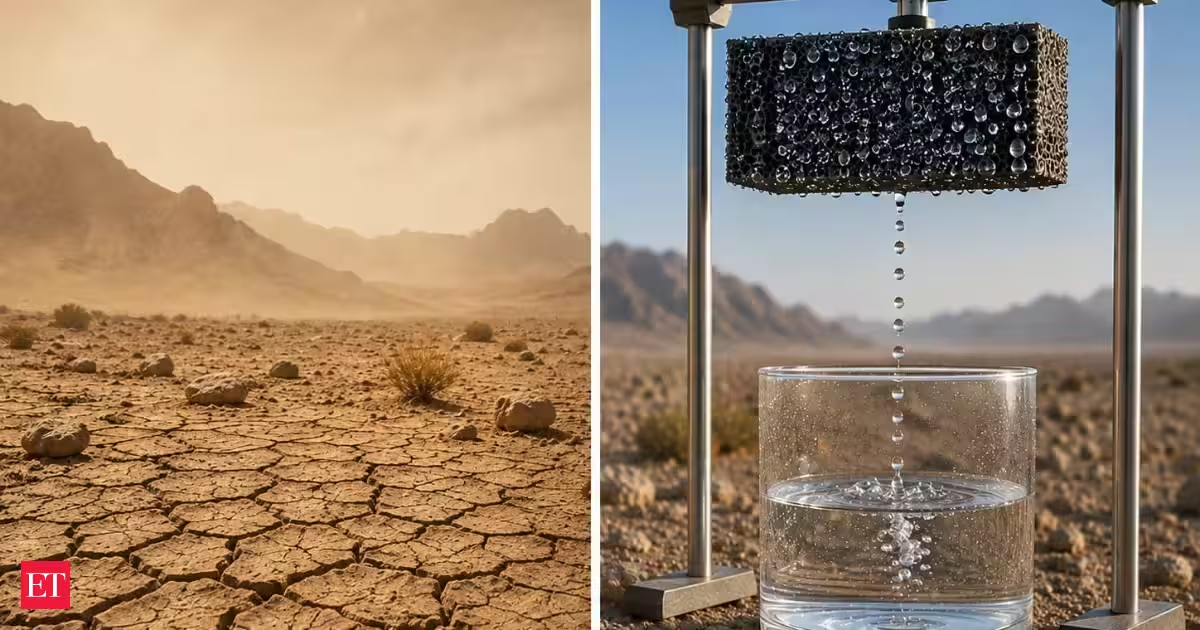
Water from air technology: A Nobel Prize-winning scientist has developed a groundbreaking machine that generates clean drinking water from air, even in arid regions. Utilizing advanced Metal-Organic Frameworks (MOFs), the device captures atmospheric moisture and converts it into potable water using solar heat, offering a sustainable solution for water scarcity.
846 words~4 min read