An atmospheric water harvester based on an origami-inspired hydrogel works anywhere—even Death Valley.
Today, 2.2 billion people in the world lack access to safe drinking water. But the atmosphere contains millions of billions of gallons of water in the form of vapor, and researchers have tried various strategies to capture and condense it in places where traditional sources are inaccessible. Now MIT engineers have improved on that approach with an atmospheric water harvester based on an absorbent hydrogel.
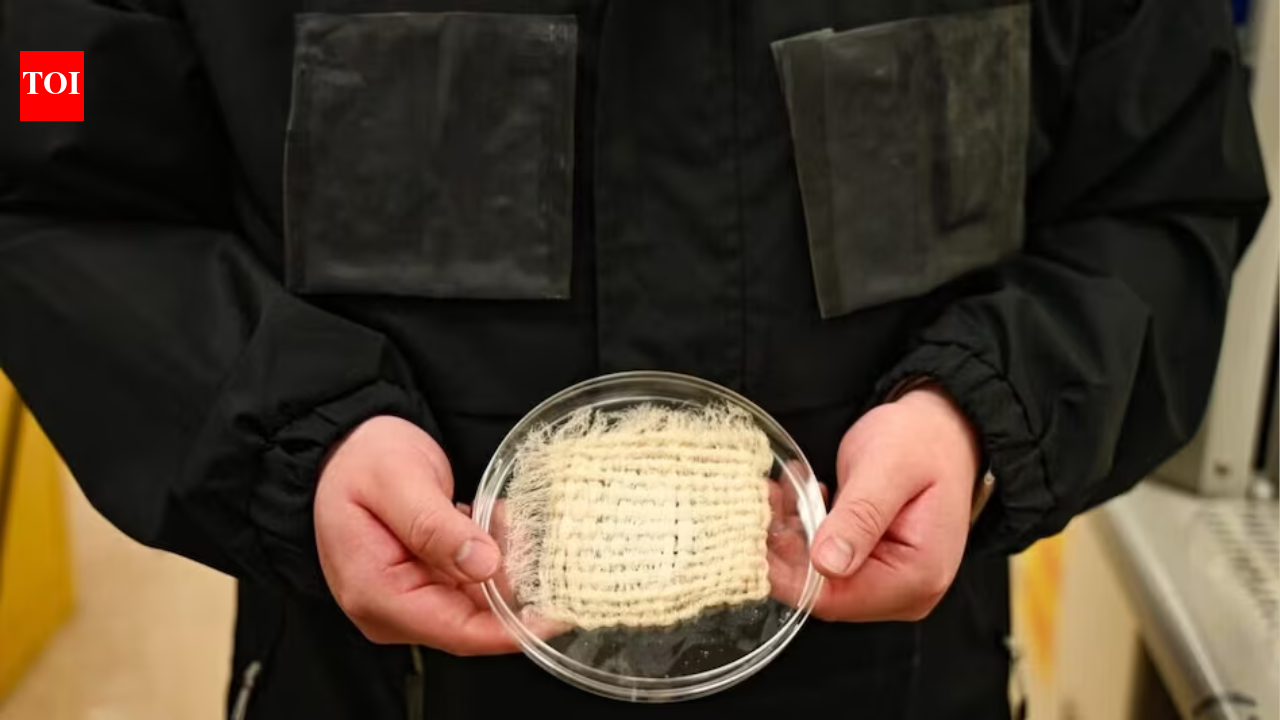
The gel they developed has more vapor-carrying capacity than some materials others have used to trap water from the air, and it is less likely to leak the salts that are often embedded in hydrogels to increase absorption. They also increased its surface area, and thus the amount of vapor it can hold, by molding it into a pattern of small domes resembling bubble wrap.
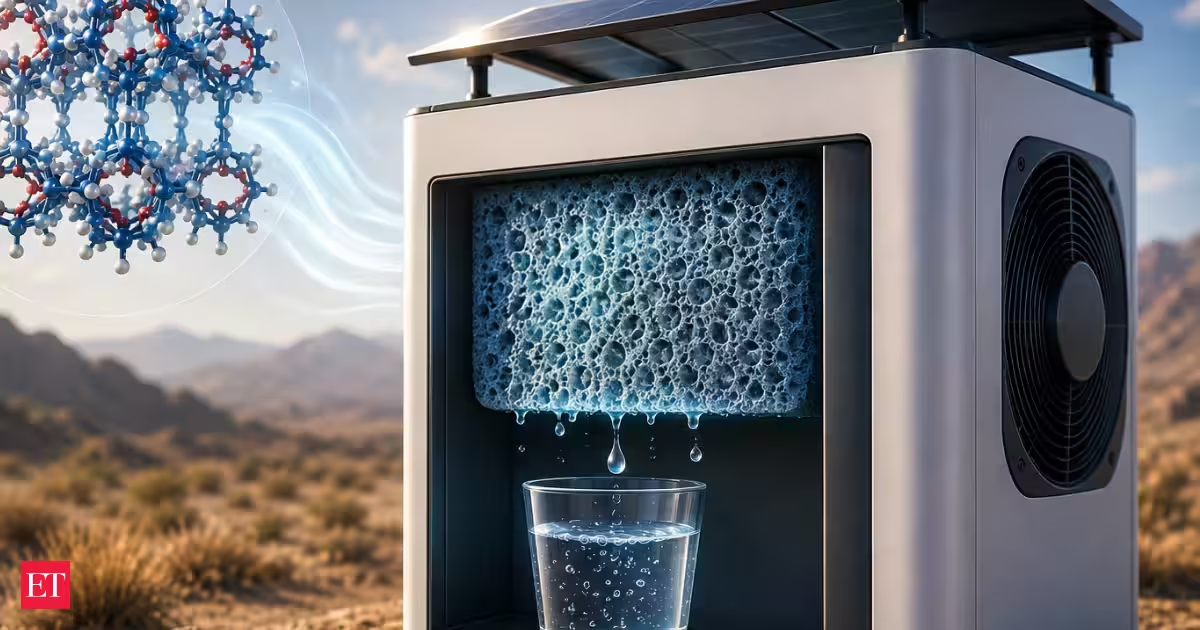
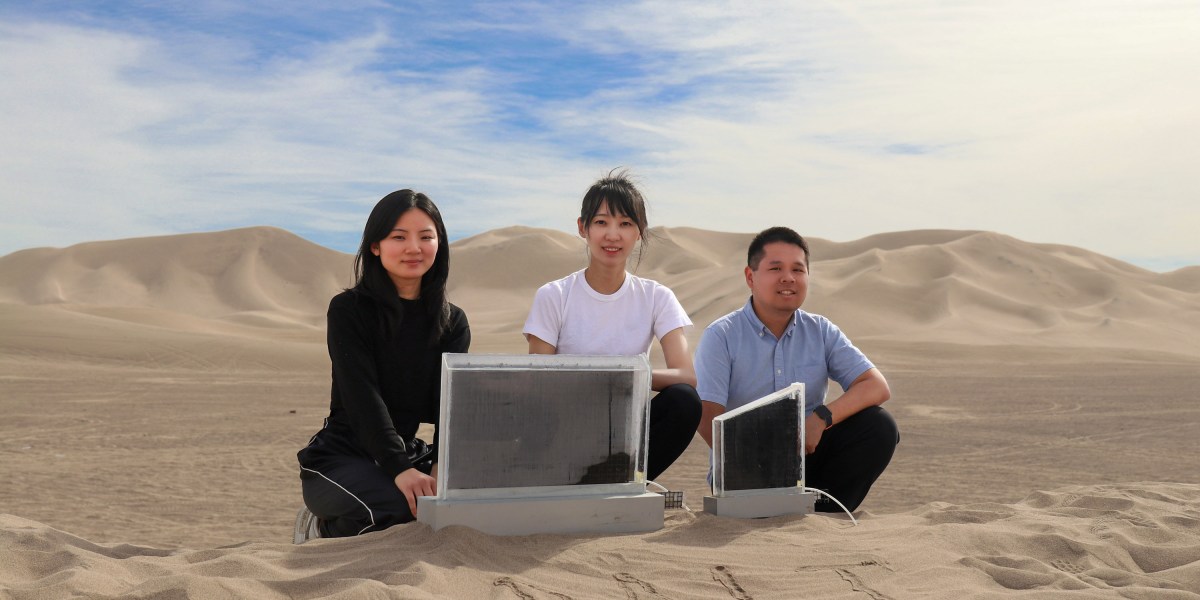
In the researchers’ prototype device, a half-square-meter panel of the hydrogel is enclosed in a glass chamber coated with a cooling polymer film. When the vapor captured by the textured material evaporates, the bubbles shrink down in an origami-like transformation. The vapor then condenses on the glass, where it can flow out through a tube.