Researchers at UNSW Sydney have developed a nanoscale device capable of converting low-energy infrared and red light into higher-energy visible light, a finding that could improve the efficiency of solar panels.
A team of researchers at the University of New South Wales (UNSW) has developed a nanoscale device they say could improve the performance of PV systems by preventing the loss of solar energy before it can be utilized.
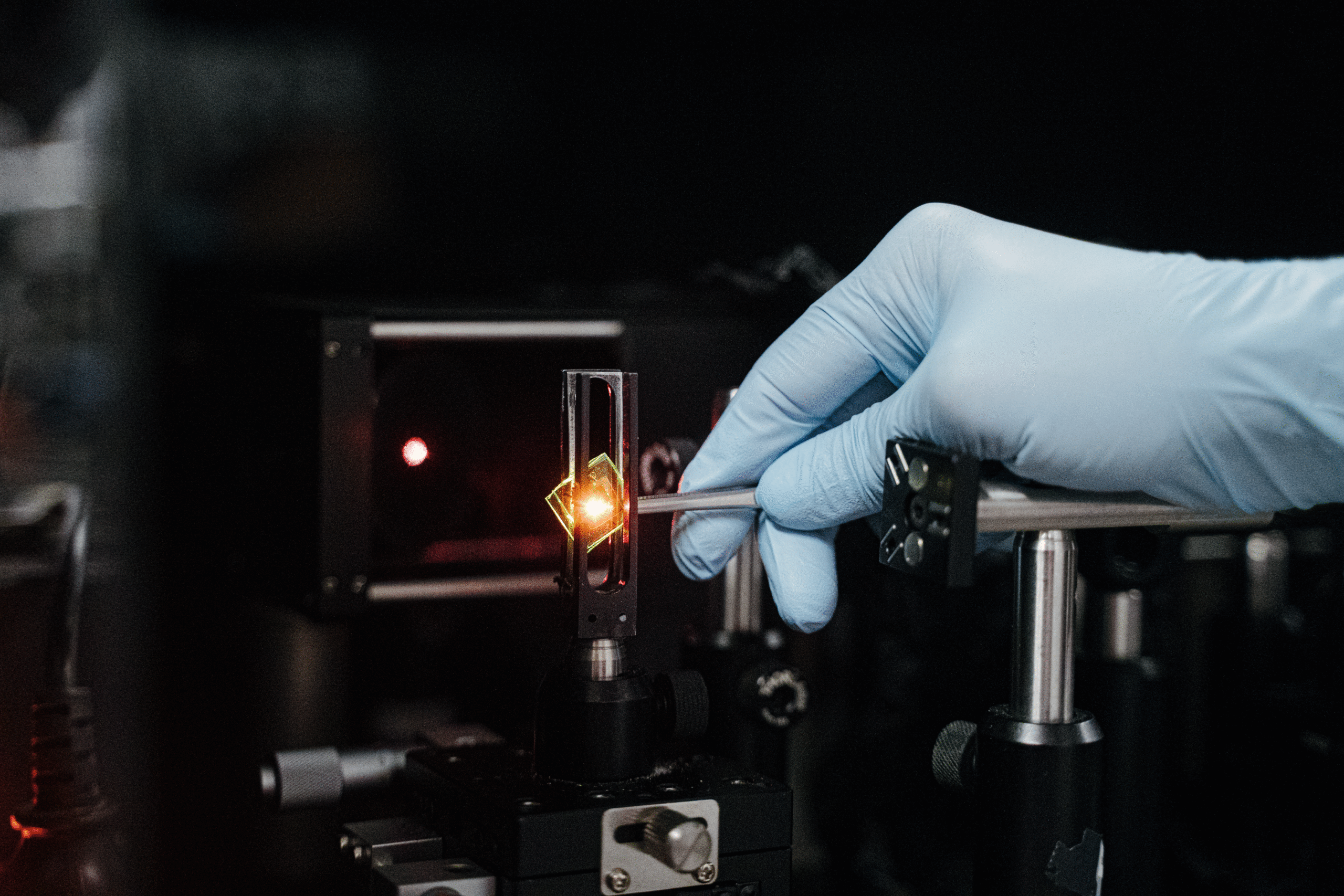
The researchers said the mechanism is designed to capture photons of low-energy infrared and red light – wavelengths that carry less energy and are typically wasted in conventional PV cells – and upconvert them into higher-energy visible light that can be put to practical use.
An upconversion layer placed behind a solar cell can convert otherwise wasted infrared photons into higher energy visible light that can be reflected back into the solar cell to boost its efficiency. The focus has been on commercially viable solid-state upconverters but these have been plagued by efficiency losses.
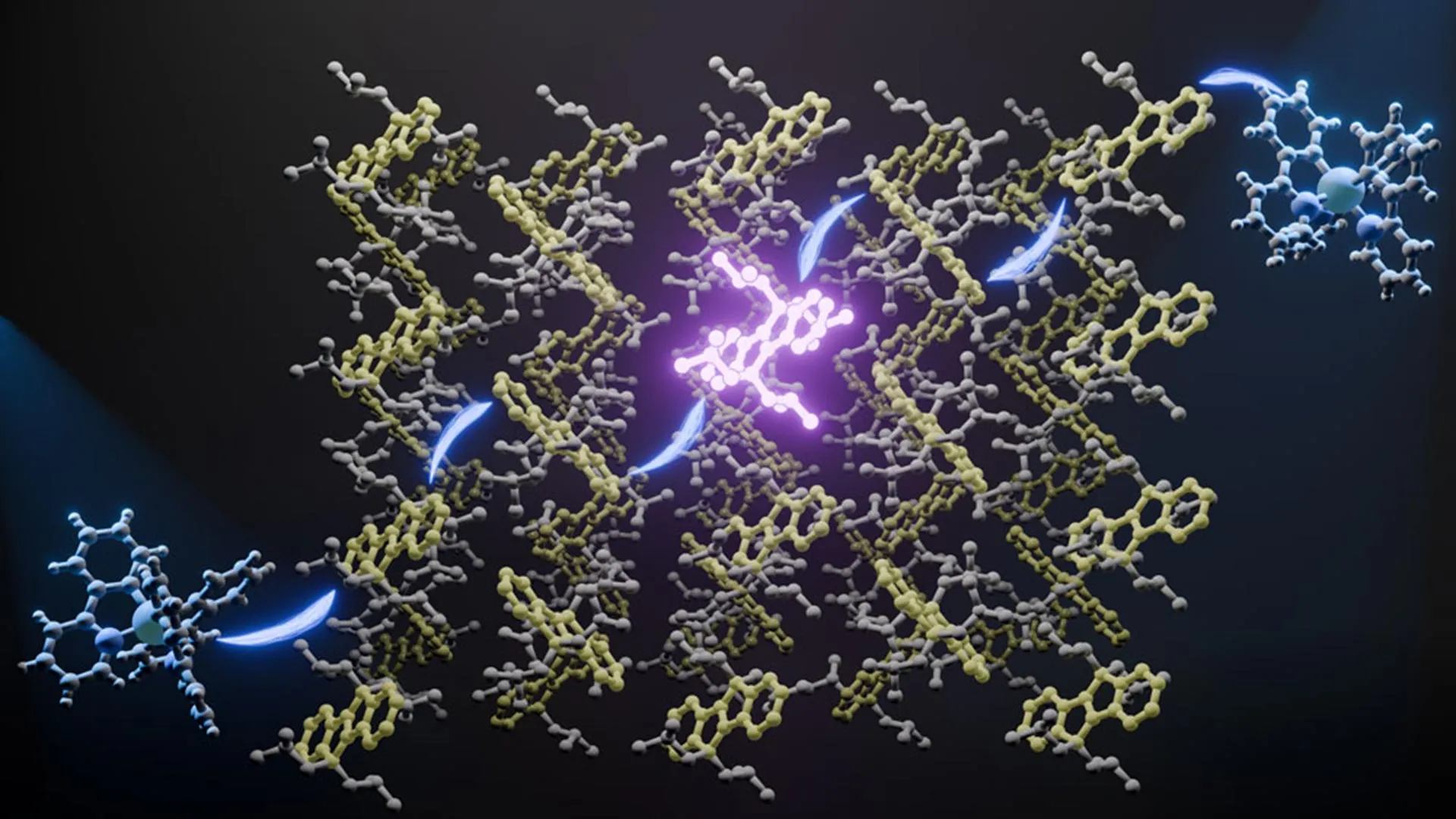
The team from the UNSW science faculty has now devised a strategy to overcome that energy loss, fabricating a “liquid triplet fusion medium” that behaves as a solid on excitonic timescales. This material fills the pores of an alumina nano-scaffold to which sensitiser molecules are stuck, preventing the back transfer that plagues solid-state systems.