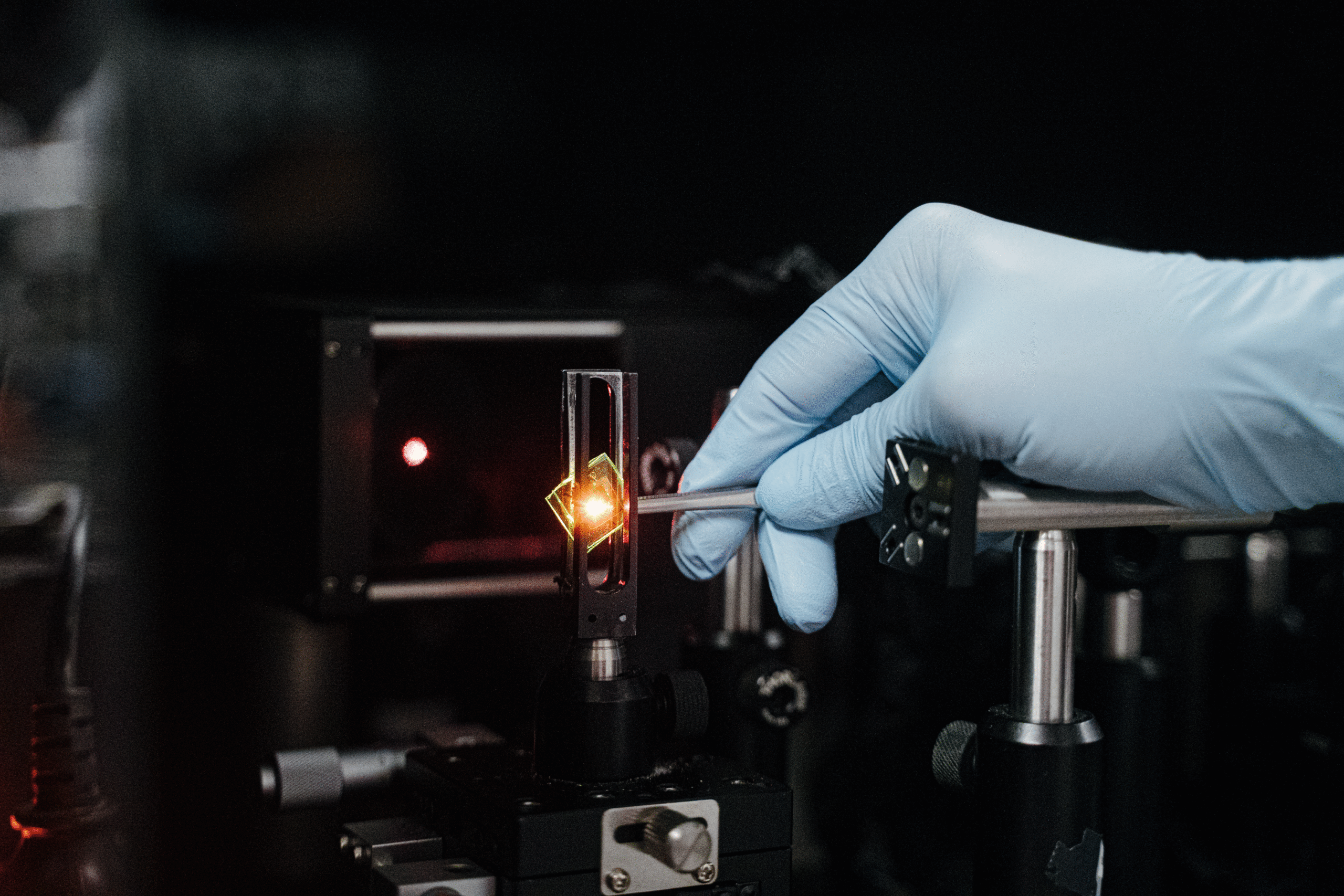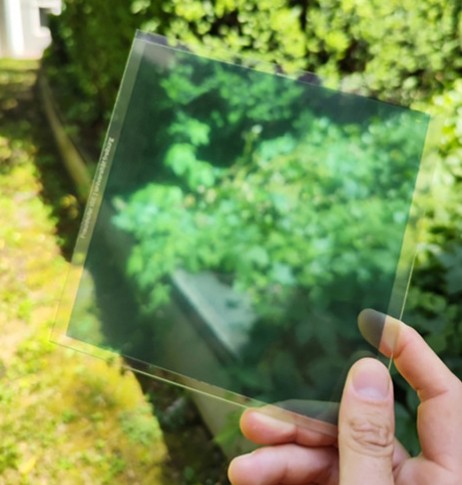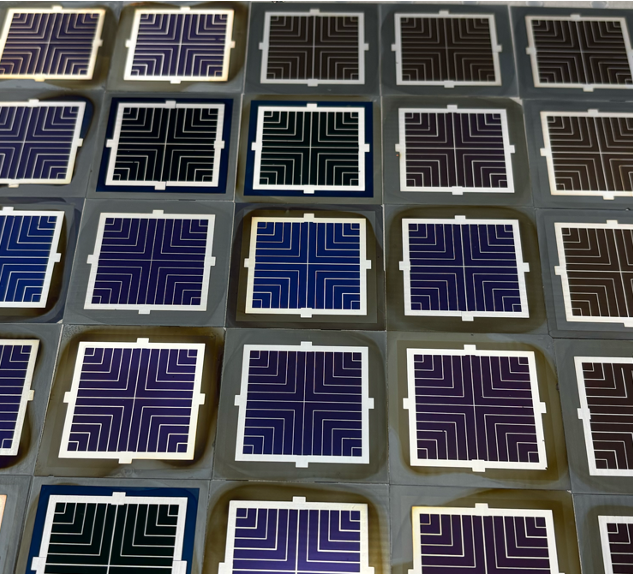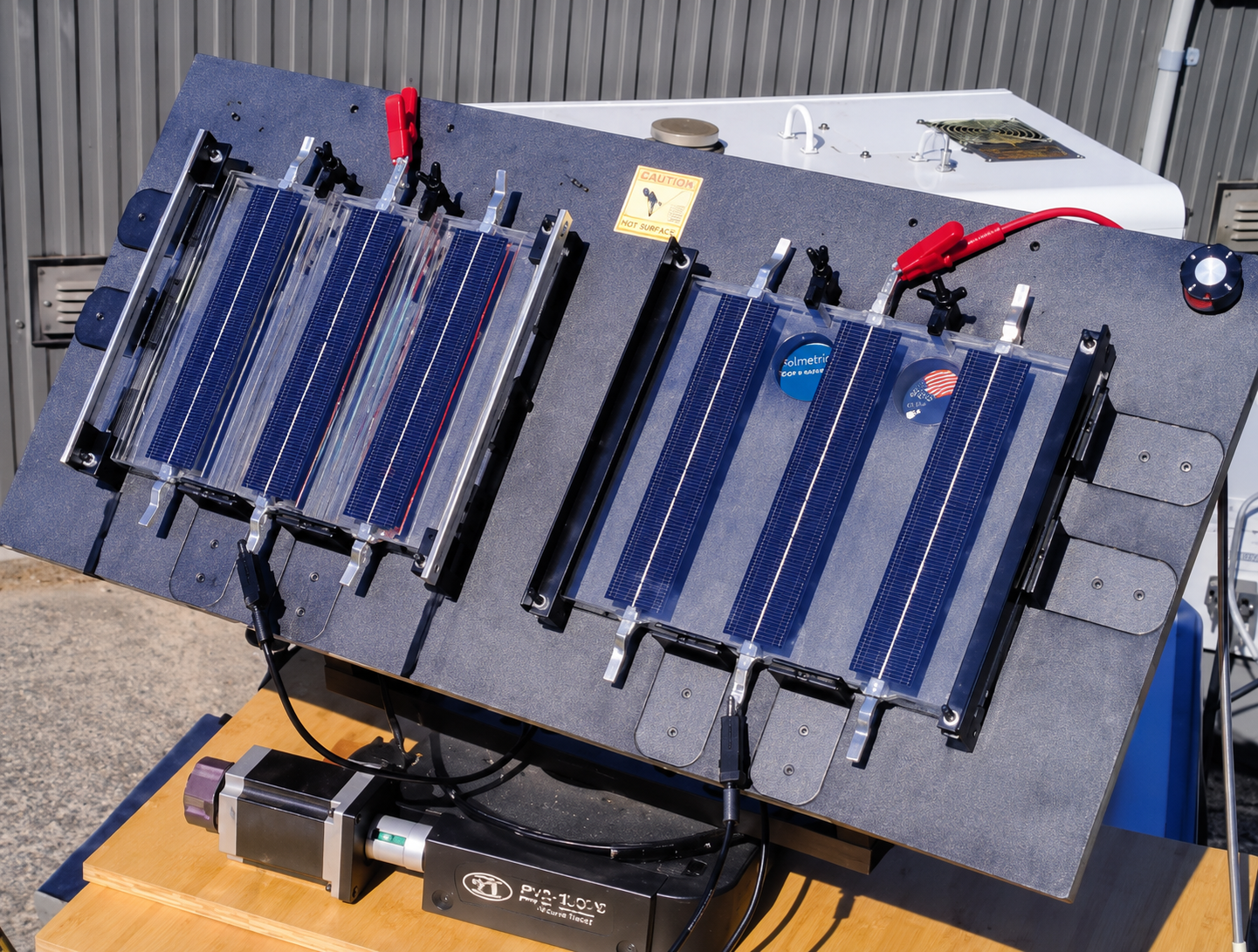
Researchers from the University of New South Wales (UNSW) have developed spectrally selective semi-transparent crystalline silicon agrivoltaic modules that redirect near-infrared light to solar cells while transmitting photosynthetically active radiation to crops. The design combines distributed Bragg reflectors and v-groove concentrator optics, achieving up to 34% higher electrical output than conventional semi-transparent PV modules.
Researchers from the University of New South Wales (UNSW) in Australia have developed spectrally selective semi-transparent crystalline silicon (c-Si) solar modules for use in agrivoltaics.
“To allow sufficient light transmission to crops in protected cropping situations current state of the art (SOA) semi-transparent PV modules space out opaque c-Si solar cells leaving transparent glass area for sunlight to pass through,” corresponding author Ian L. Thomas told pv magazine. “However, plants only use a limited portion of the solar spectrum to drive photosynthesis called the photosynthetically active radiation (PAR). This matches a similar wavelength range to the one which humans use to see, approximately 400 – 700nm. Current SOA modules transmit a large portion of the solar spectrum that isn’t required by crops and could be used by the cells for electricity conversion, particularly wavelengths in the near infrared (NIR) which c-Si cells are really efficient in converting to electricity.”