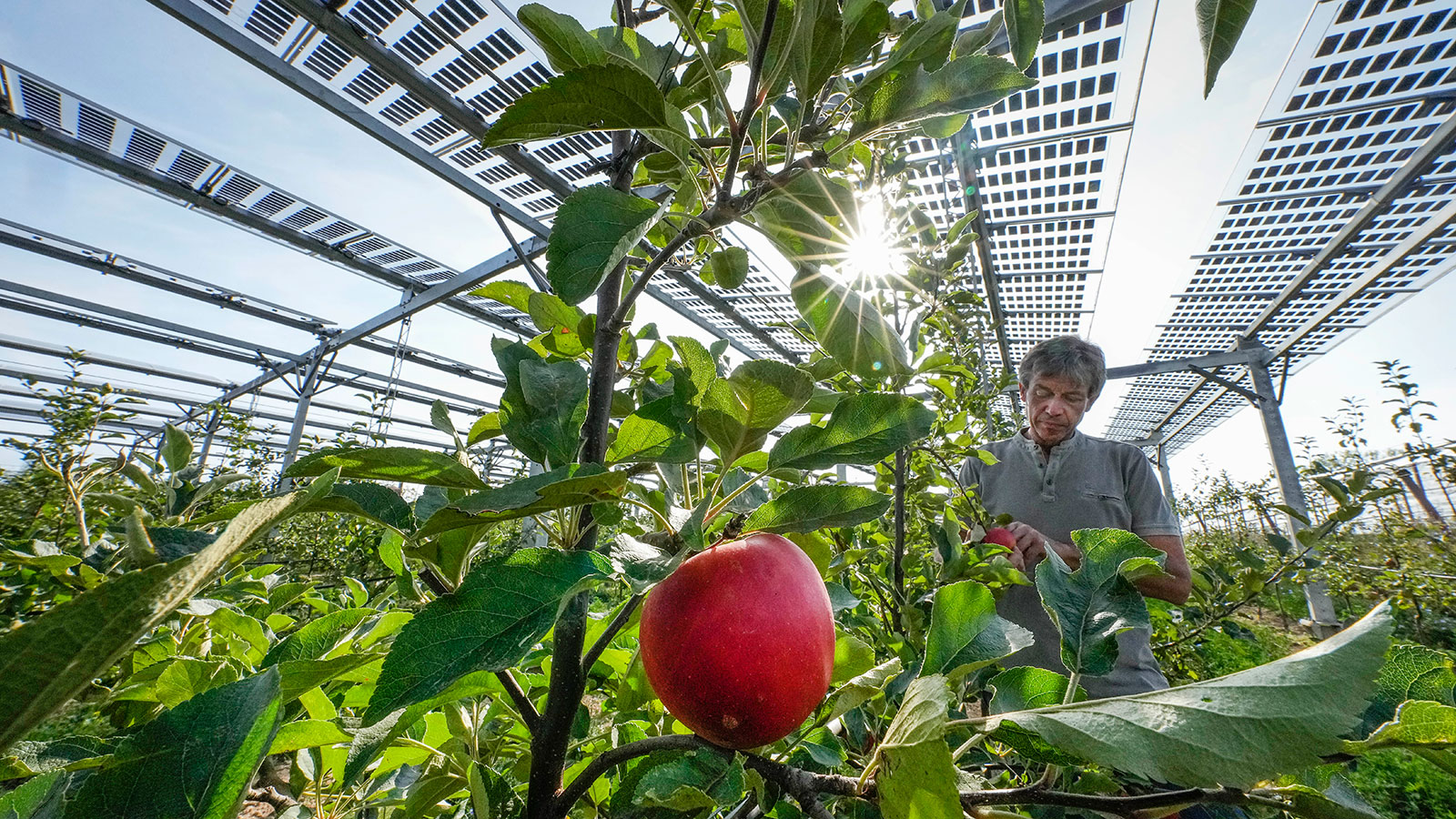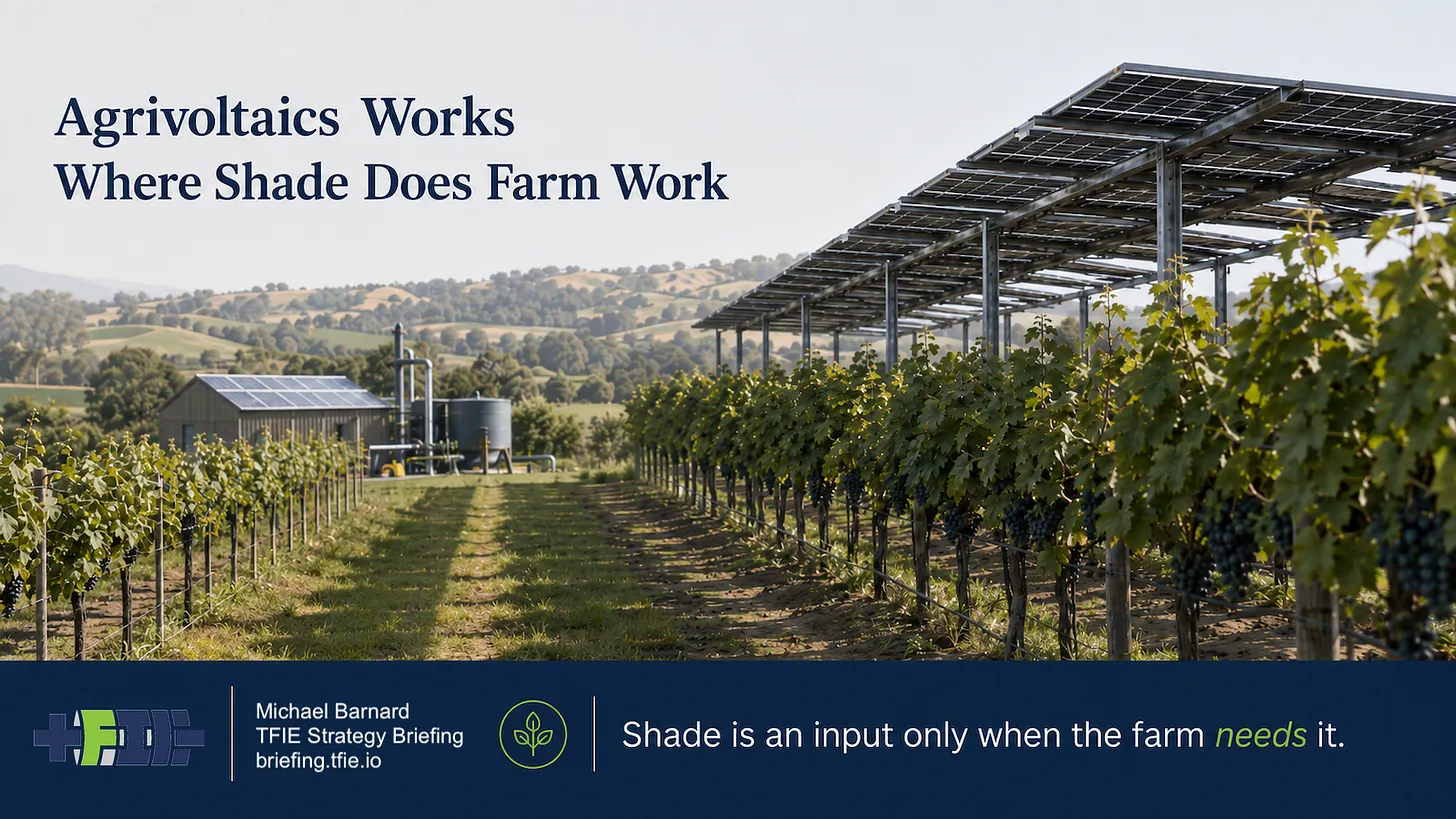
Agrivoltaics works where panels provide useful farm functions such as shade, crop protection or water resilience, not merely where crops survive beside solar.
Support CleanTechnica's work through a Substack subscription or on Stripe.
Agrivoltaics is appealing because it seems to solve two land-use problems at once. Put solar panels and farming on the same land, and the conflict between food and electricity appears to soften. The farm keeps producing, the panels produce power, and the project can be described as more sophisticated than either conventional solar or conventional agriculture. That is the attractive public story, but it is not enough for a serious decision.
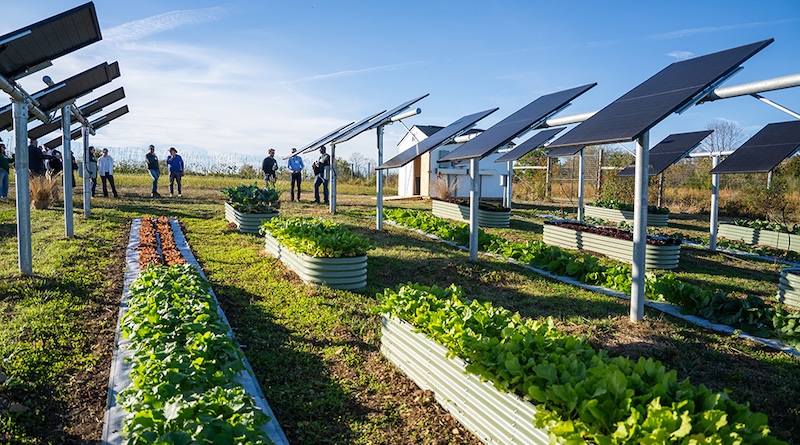
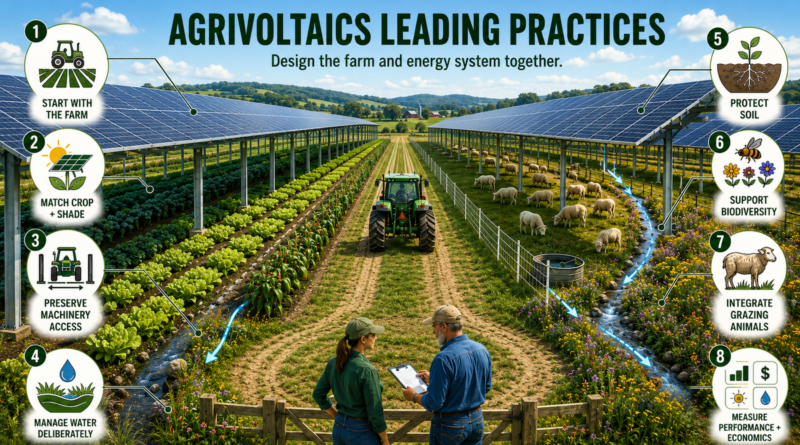
The better test is whether the solar structure performs farm work. Shade is valuable when it relieves a real agricultural constraint, protects a crop, supports livestock, preserves water, improves quality, replaces infrastructure or creates farmer revenue without making farming a stage prop. Shade is costly when it mainly exists because the electricity project needed a land-use narrative. Agrivoltaics becomes useful when the farm function is explicit enough to survive comparison with simpler alternatives.
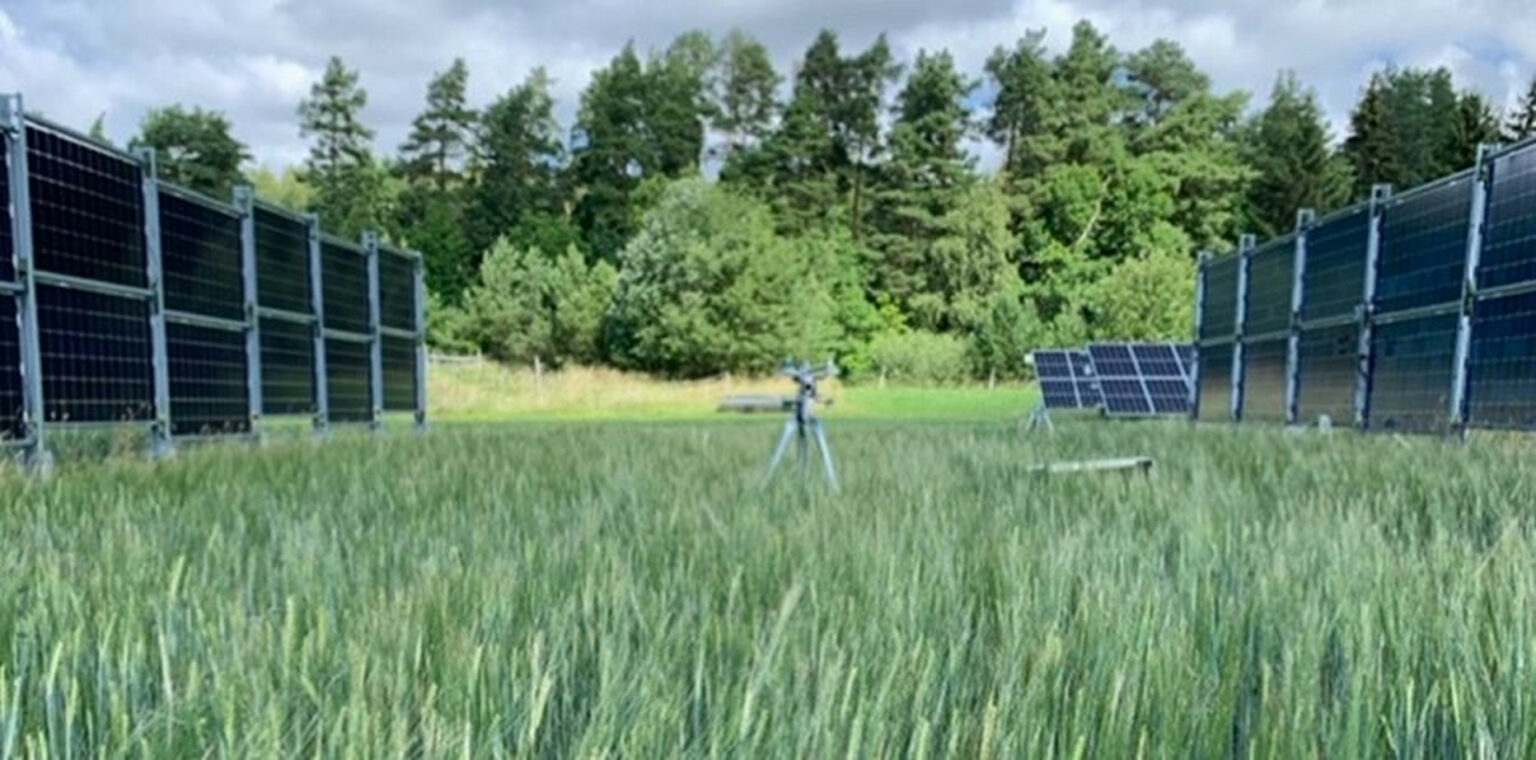
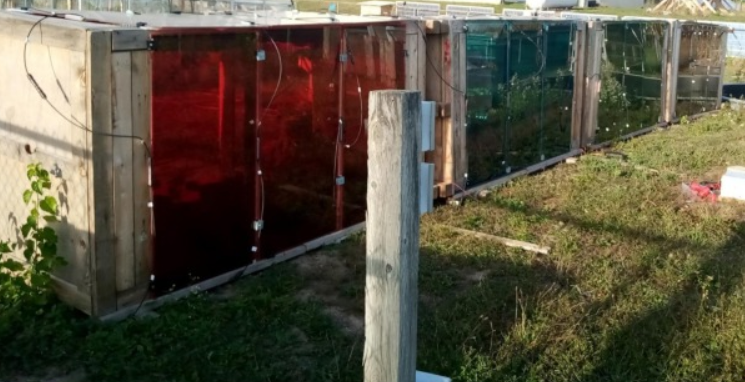
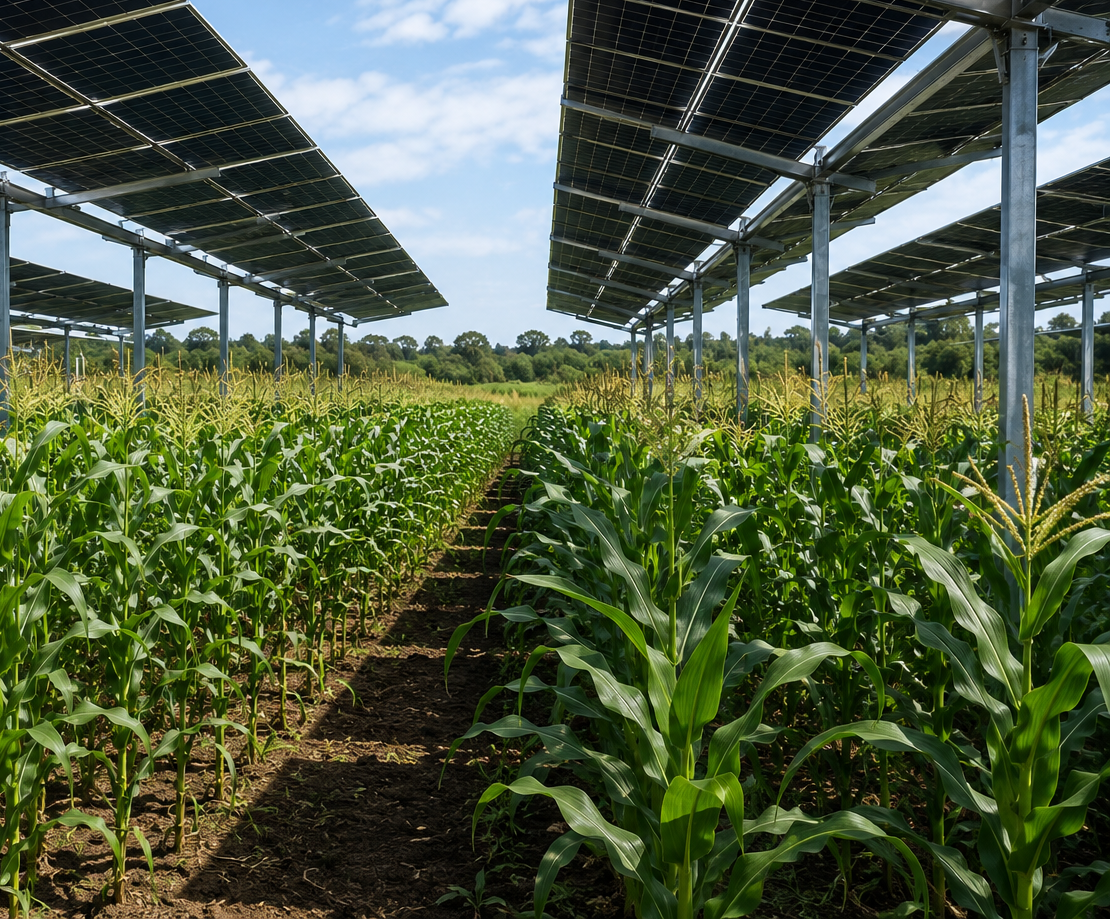
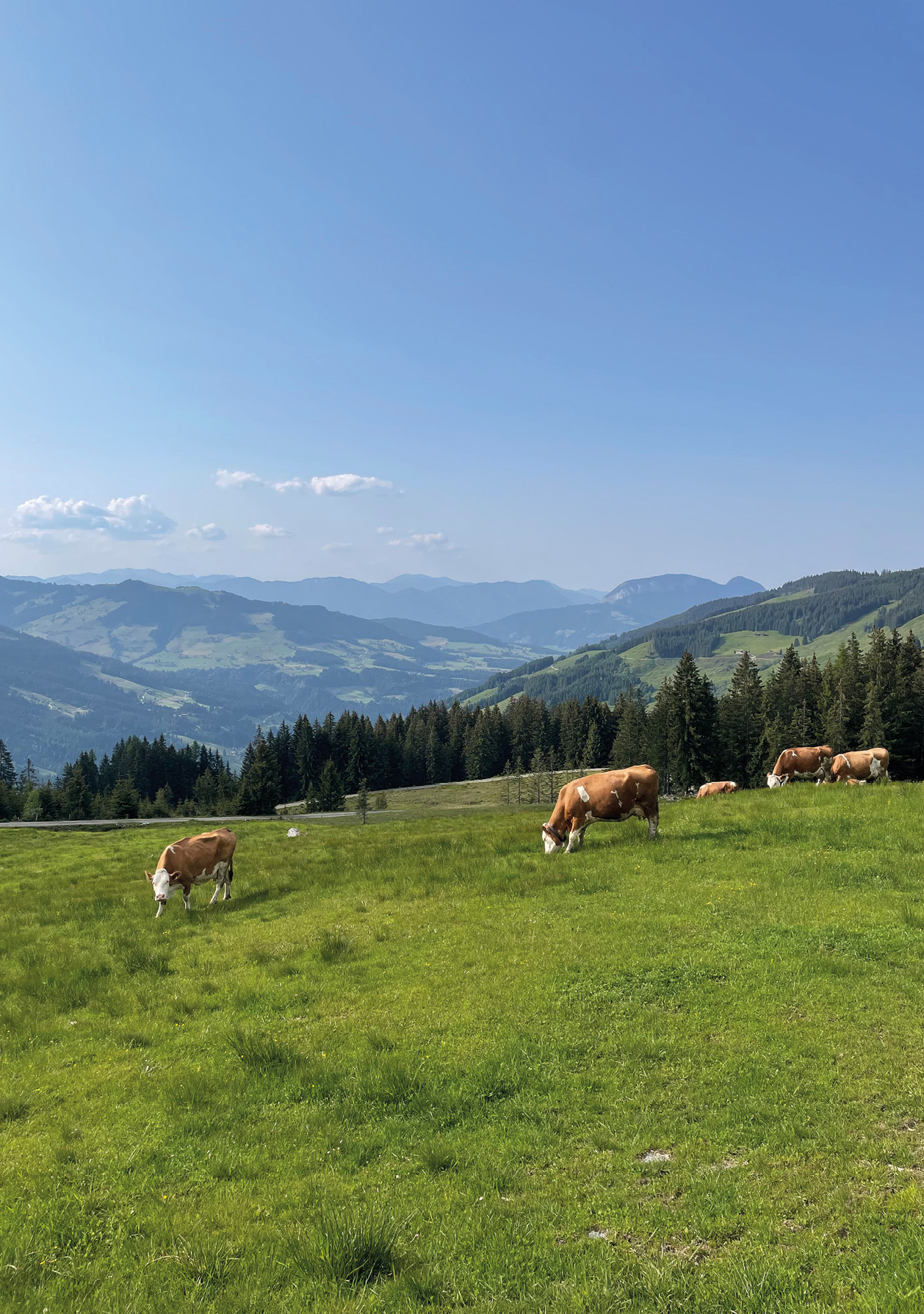
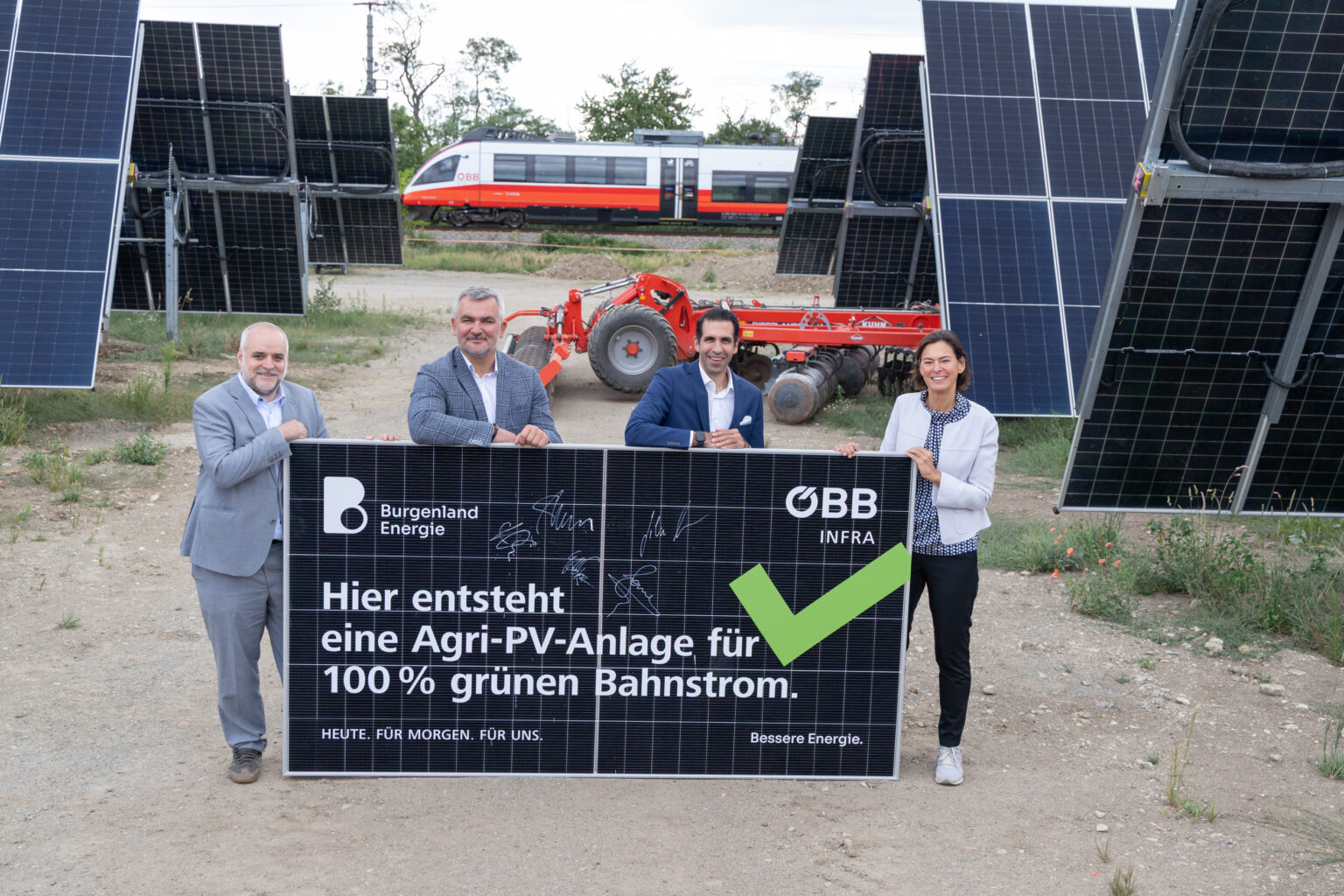
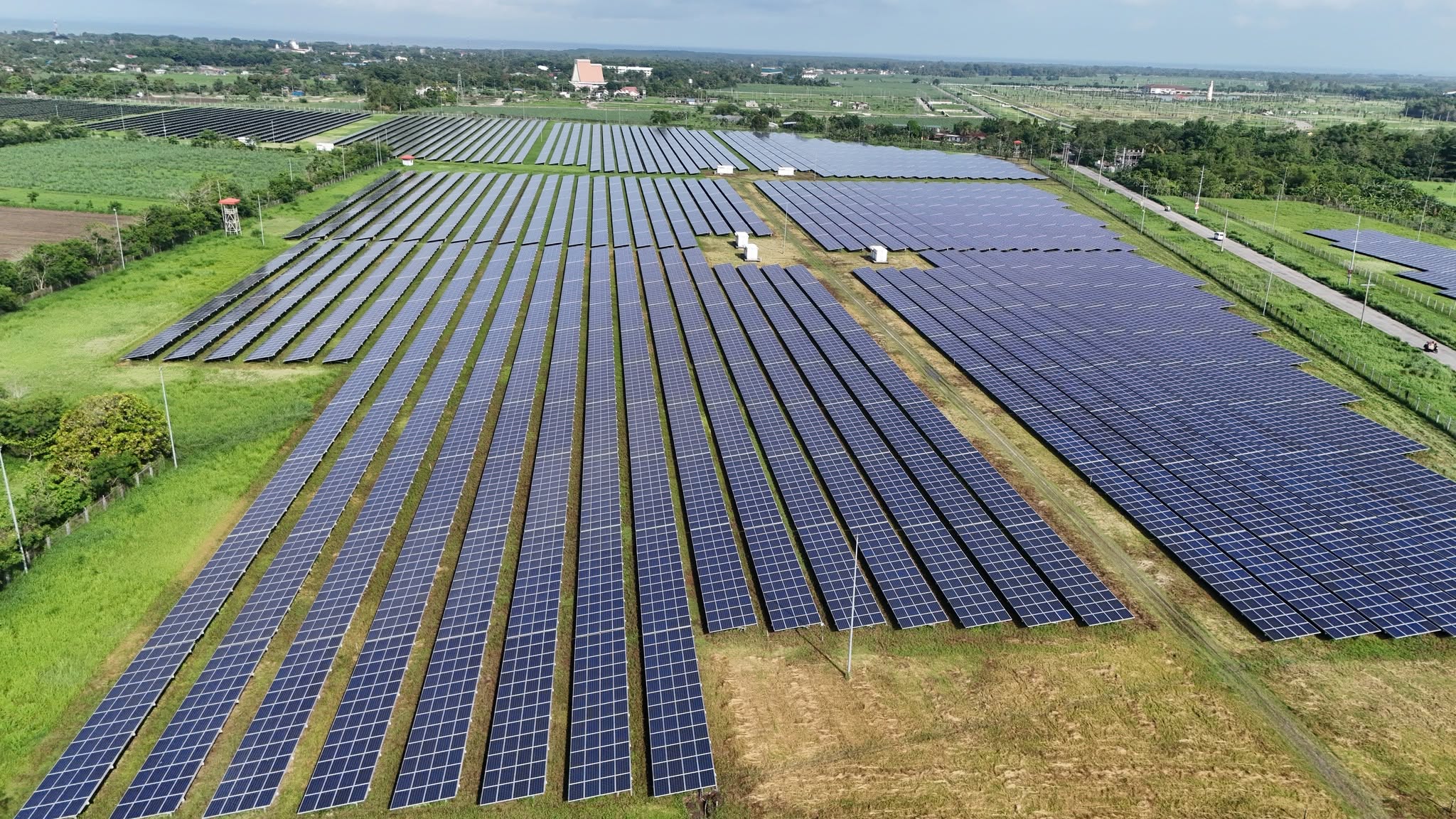
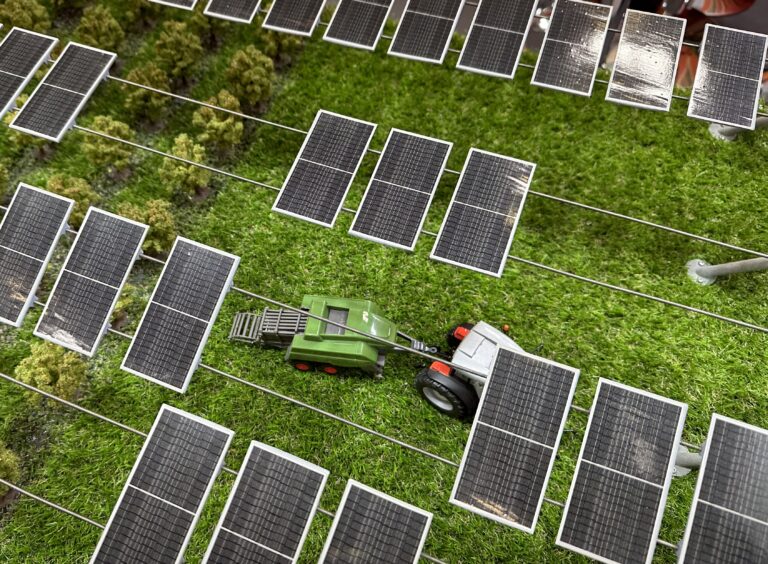
That distinction matters because agrivoltaics is often discussed as if it were a single pathway. It is not. Sheep grazing under ordinary solar arrays, semi-transparent structures above berries, photovoltaic protection over vineyards, vertical bifacial rows between crops and tall steel above broadacre fields are materially different systems. They differ in capital cost, crop risk, machinery access, electricity yield, water effects, farm management and the likelihood that a farmer would repeat the design after living with it for several seasons.