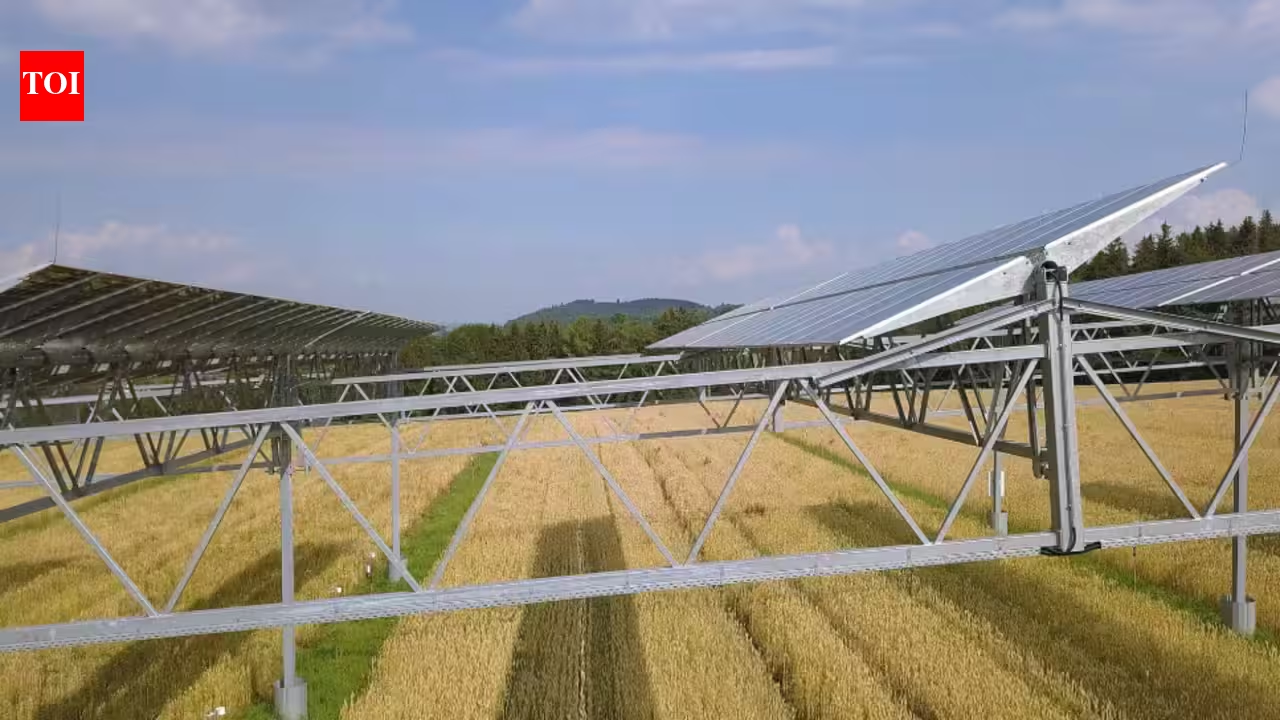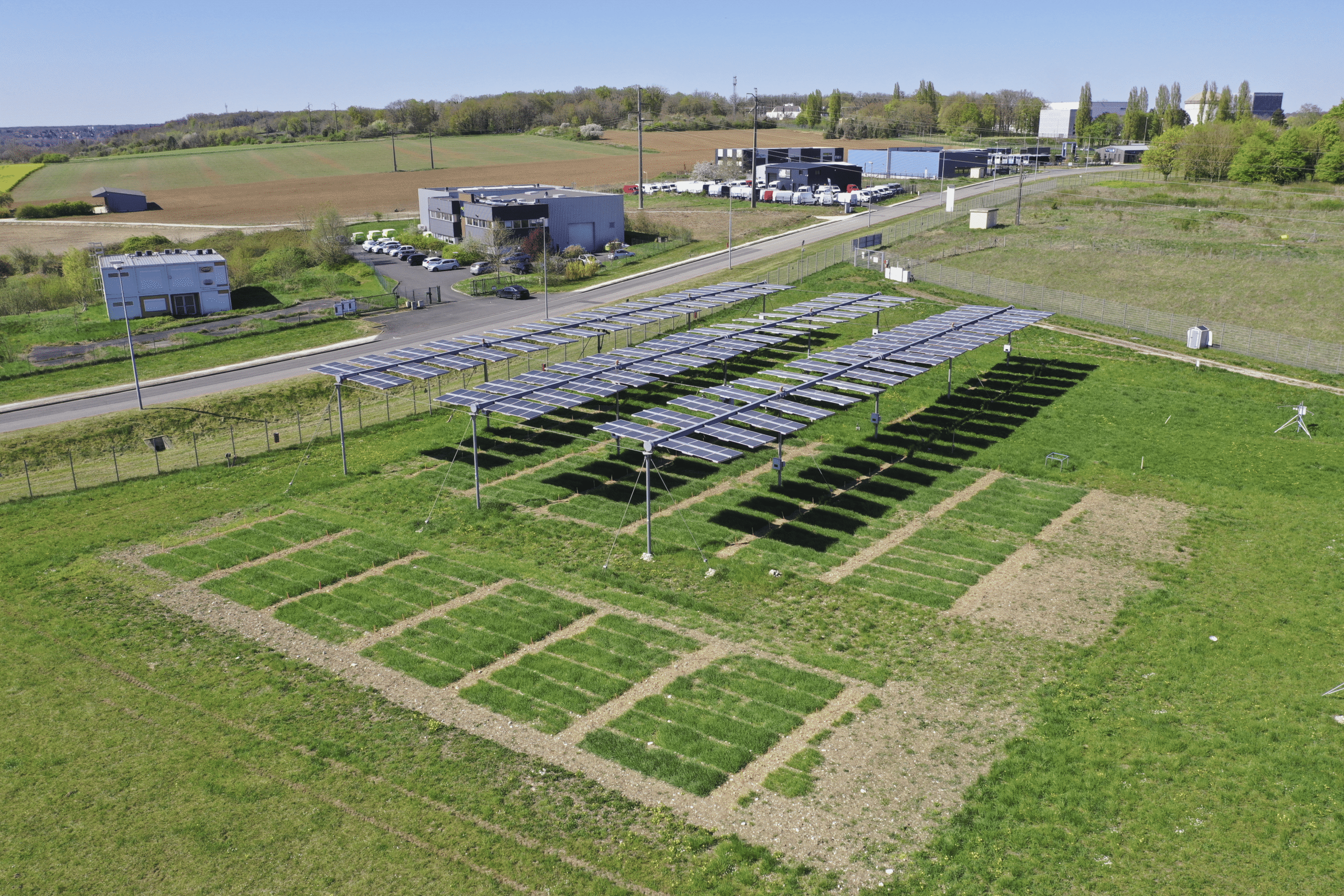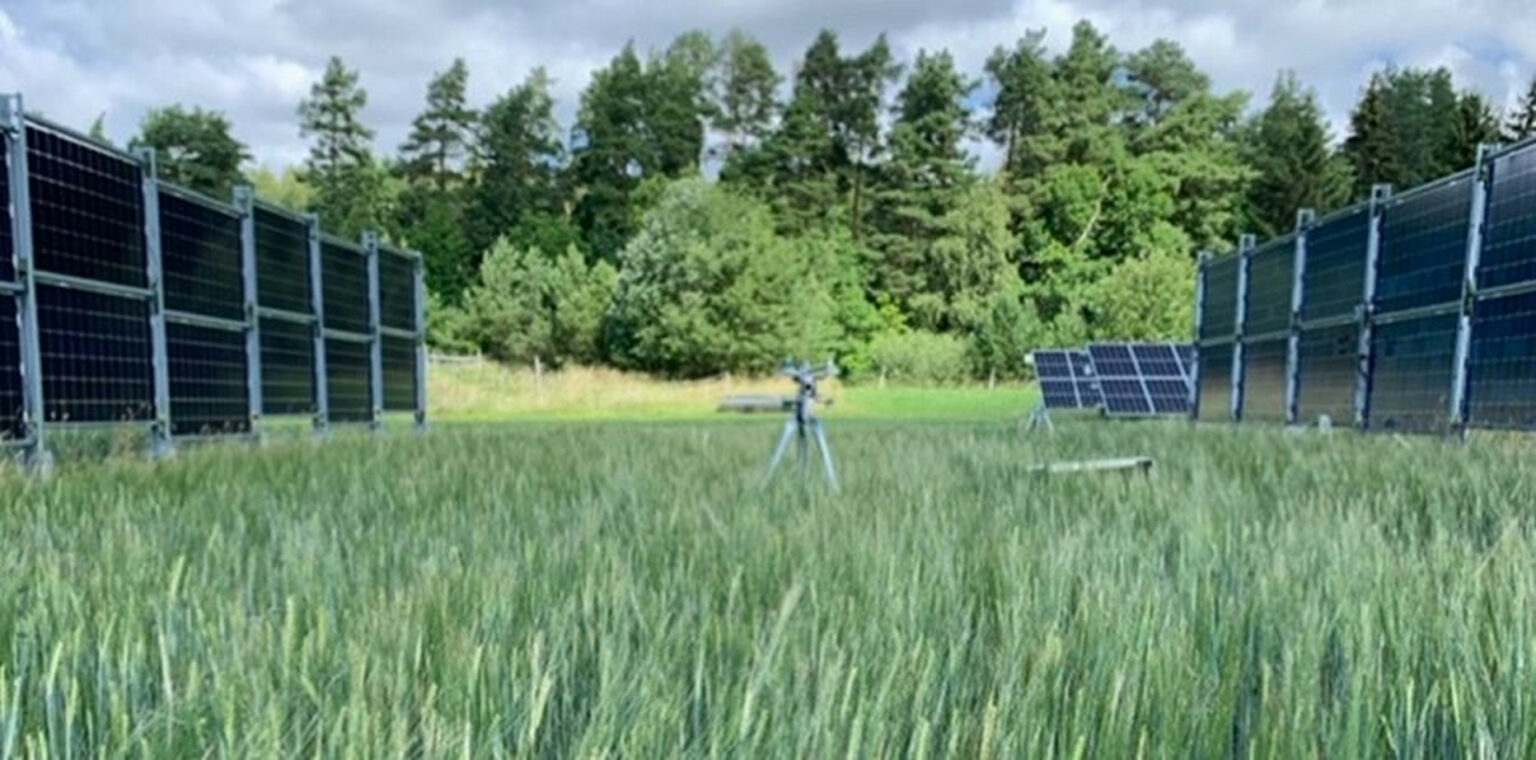
Researchers in Sweden studied oat production under a vertical agrivoltaic system during the 2024 growing season, comparing it with ground-mounted and open-field conditions. Results showed that crop performance was generally higher under agrivoltaic systems, highlighting their potential for productive dual land use.
Researchers at the Mälardalen University in Sweden have investigated the effects of a vertical agrivoltaic system on oat yield in Sweden during the 2024 growing season.
“One of the major challenges facing the agrivoltaic sector is the lack of crop performance data to support decision-making and policy development,” corresponding author Arash Khosravi told pv magazine. “In addition, these empirical datasets can support researchers working on crop modeling in agrivoltaic systems by providing data for crop model development and validation.”
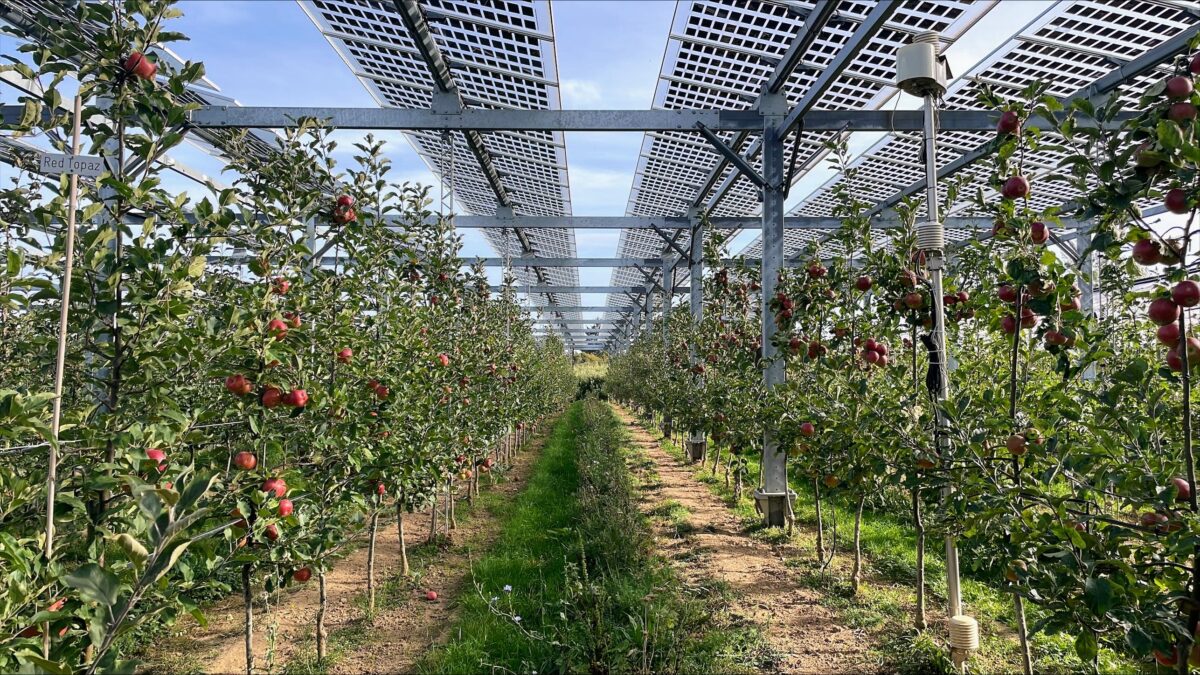
The scientists examined examined oat Avena sativa L. cultivation under different agricultural photovoltaic configurations and compared this data with oat yield in ground-mounted reference systems and parcels without PV systems. Key parameters included leaf area index (LAI), kernel and straw dry matter yield, thousand kernel weight (TKW), crude protein content, and crude fat content. The dataset also enabled assessment of system design effects, including shading and microclimatic impacts on crop development under AV conditions. Field trials were conducted in 2024 at Kärrbo Prästgård, Sweden.