Researchers in India built two agrivoltaics insect net houses, one with a covered roof and one without, with peppers growing underneath. The team says the arrays generated more energy than standard agrivoltaics.
A research team from India has developed an agrivoltaic insect net house (AVINH) that combines solar power generation with protected cultivation of peppers.
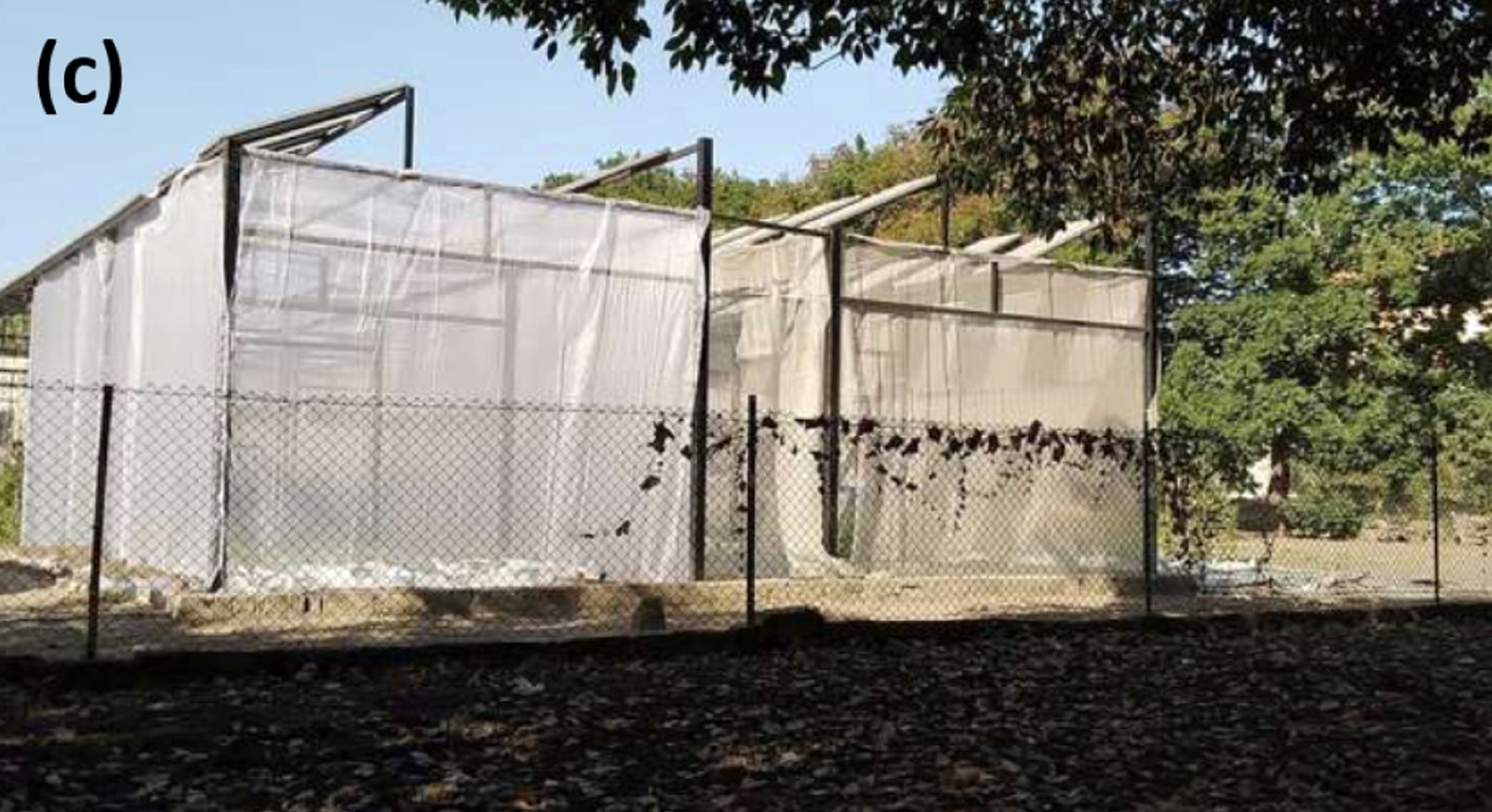
The team constructed two types of AVINH structures, then conducted microclimate, statistical, and economic analyses, as well as a land equivalent ratio (LER) determination.
“AVINH offers several environmental advantages, including lowering carbon emissions, reducing the need for pesticides, and decreasing soil erosion and evaporation while providing farmers with a guaranteed income,” the research team said. “To assess this technology under practical circumstances, the study was carried out at a research farm.”
The research farm is located in the Indian state of Gujarat. The two AVINHs both incorporated 12 solar panels rated at 150 W, with one AVINH featuring an open roof and the other a closed roof.