Researchers developed an agrivoltaic cold frame system that integrates semi-transparent PV modules to create controlled microclimates for crop cultivation. Field trials in Canada showed significantly increased lettuce yields alongside small-scale on-site solar electricity generation.
An international research team has designed an agrivoltaic cold frame system for controlled-environment crop cultivation.
Cold frames are simple, low-tech horticultural structures typically consisting of a transparent or translucent cover over a low enclosure used to protect plants and create a warmer microclimate, extending the growing season. In general, a cold frame is a small, unheated enclosure that protects plants from harsh weather and extends the growing season by creating a more favorable microclimate.
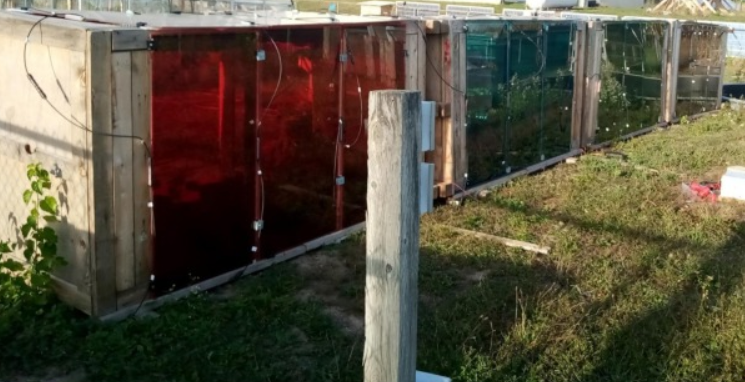
“We upcycled EV charging-station crates into agrivoltaic cold frames to test the potential of agrivoltaics in simple cold frame technology,” corresponding author Joshua M. Pearce told pv magazine. “We specifically tested a variety of colors of thin-film solar modules, originally meant to be colorful windows in buildings.”
Pearce added that his team is currently using the same agrivoltaic cold frame to grow other crops, with results expected to be published in the future. “We expect good results, especially with the increased temperatures from global warming,” he said. “Cold frames can help move the temperature to where you want it in two ways. In summer, the partial shade gives plants a break, especially in extreme heat. Toward the end of the season, closing up the boxes keeps the plants warmer and can extend the growing season.”