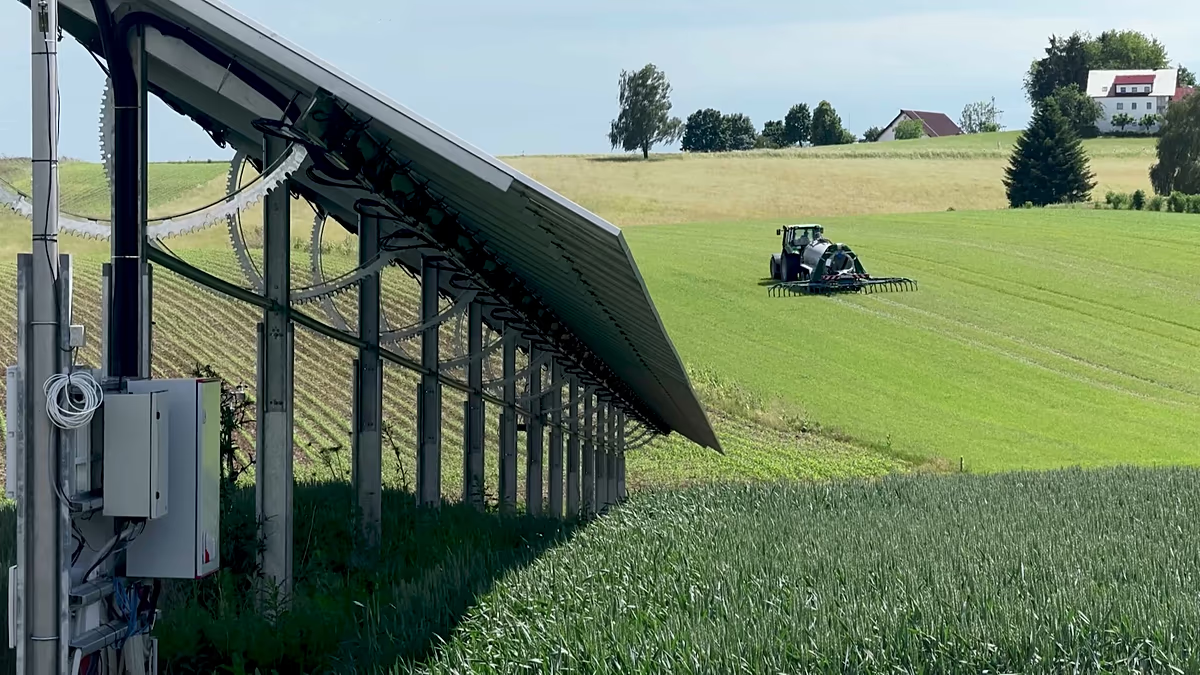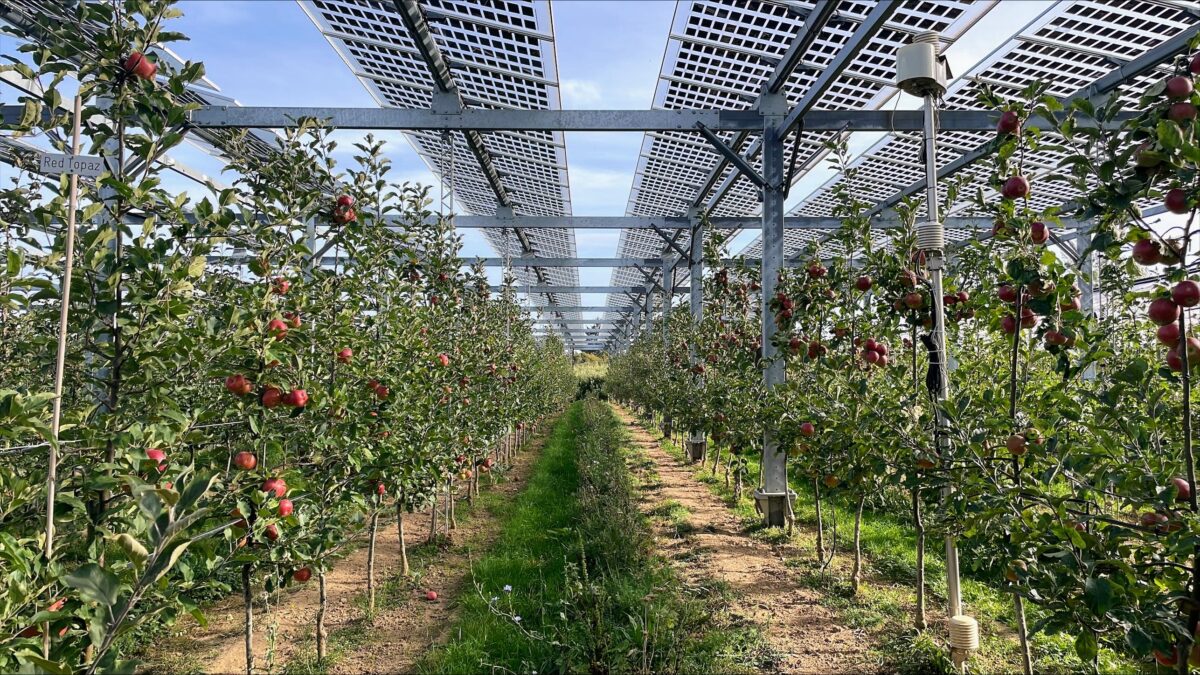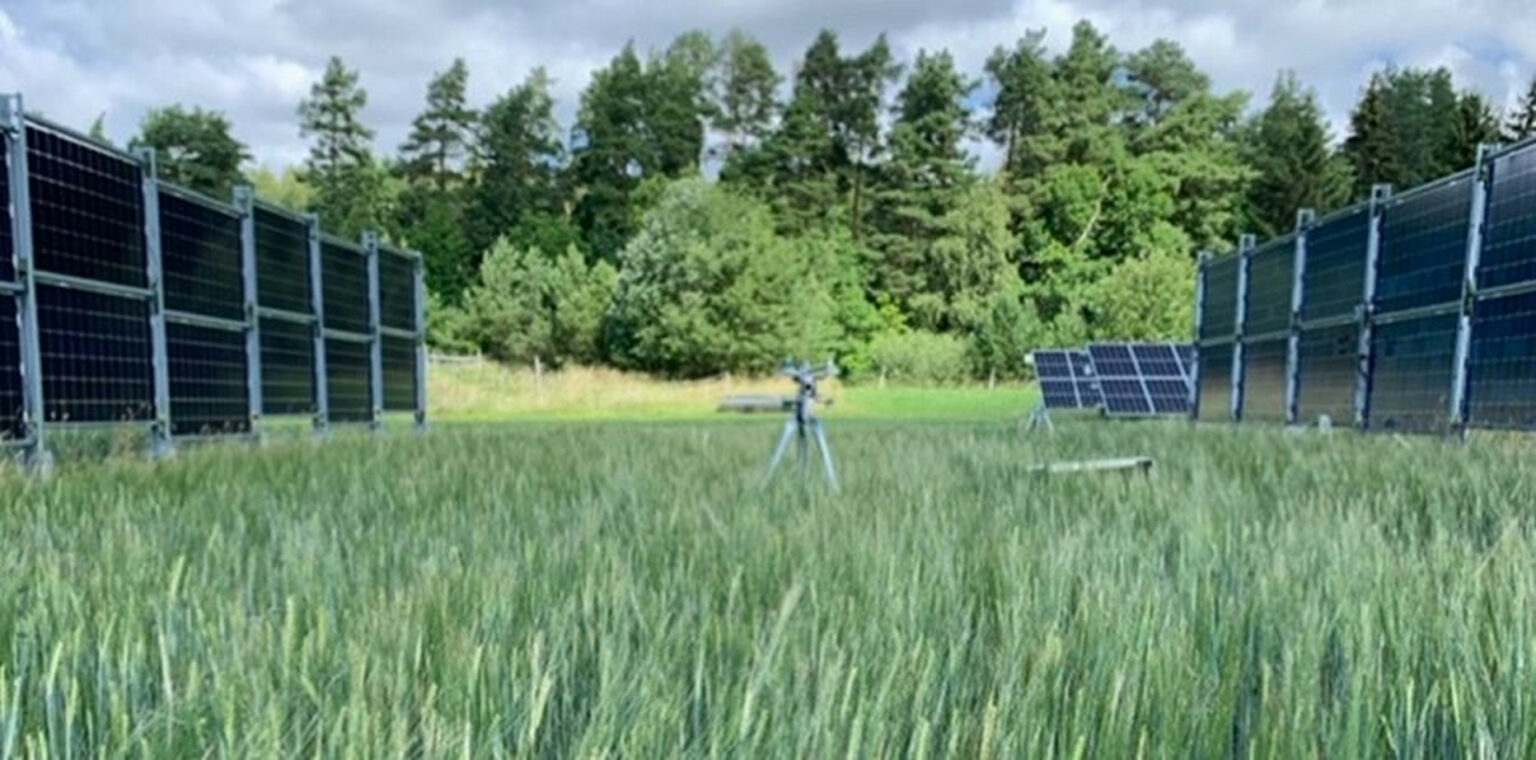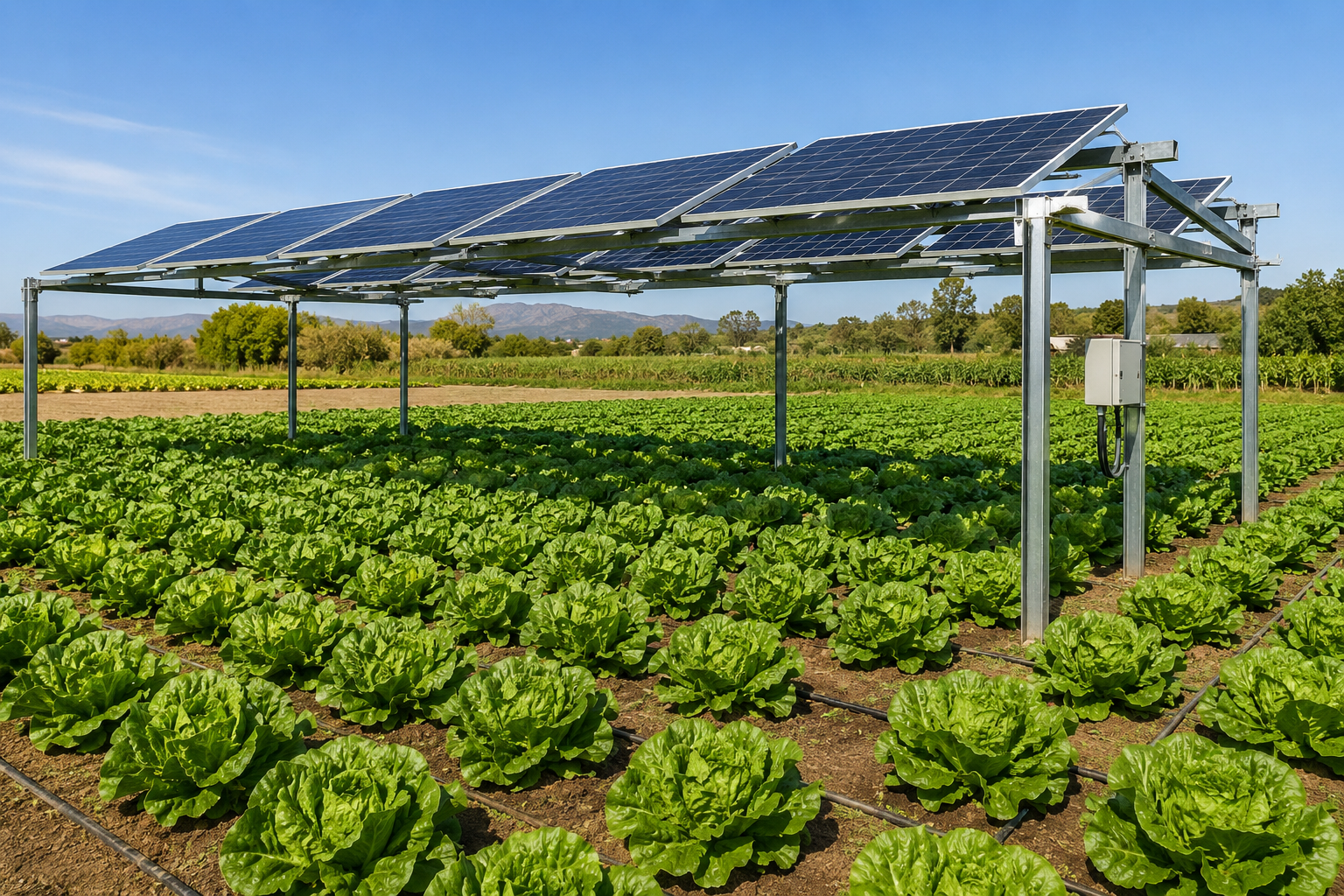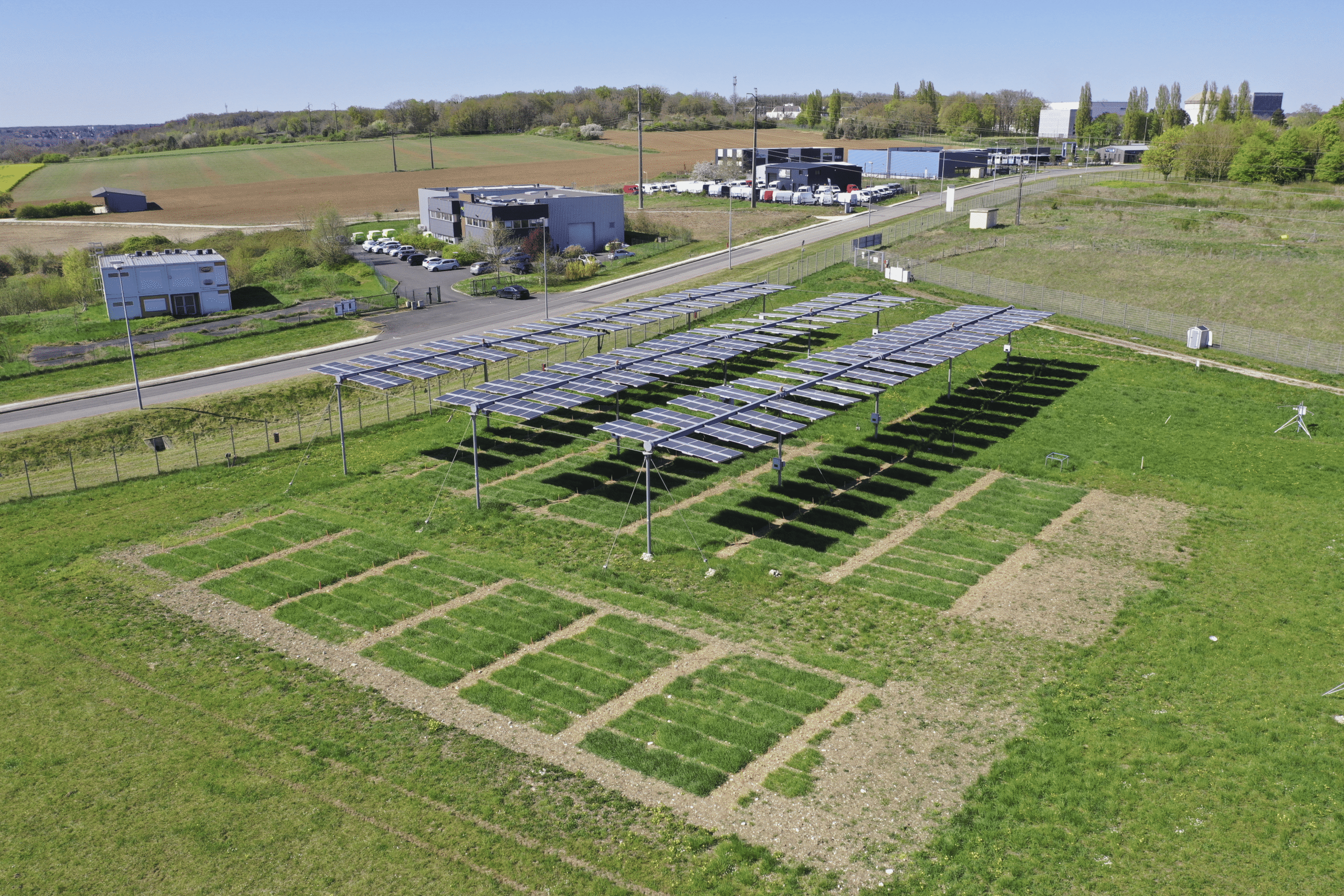
The study demonstrated that elevated PV configurations can mitigate frost and heat stress, whereas vertical PV configurations can improve wind protection, highlighting the importance of balancing crop resilience and electricity production.
A research team led by scientists from French energy company EDF has examined the impact of agrivoltaic system configurations on crop temperature responses under different weather-related stress scenarios and has found that elevated systems offer the best protection against white frost and heat.
“Our goal was to understand the underlying mechanisms and identify which agrivoltaic systems are most effective at protecting crops,” corresponding author Joseph Vernier told pv magazine. “We leveraged numerical modeling tools to predict the agrivoltaic microclimate and compute the resulting plant-air energy, water, and gas exchanges for three weather scenarios – heat-wave, windy spring, white frost – and for six agrivoltaic geometrical designs. We then compared the computed plant temperature beneath the panels and at a control zone without panels to assess which agrivoltaic systems most efficiently protect the plants against the considered extreme weathers.”