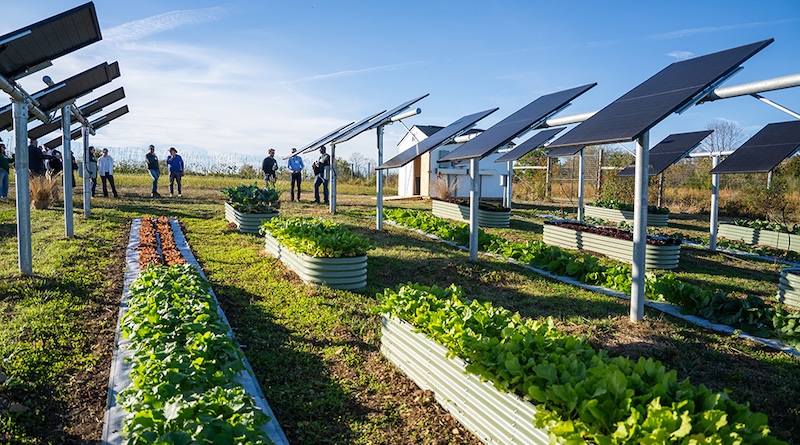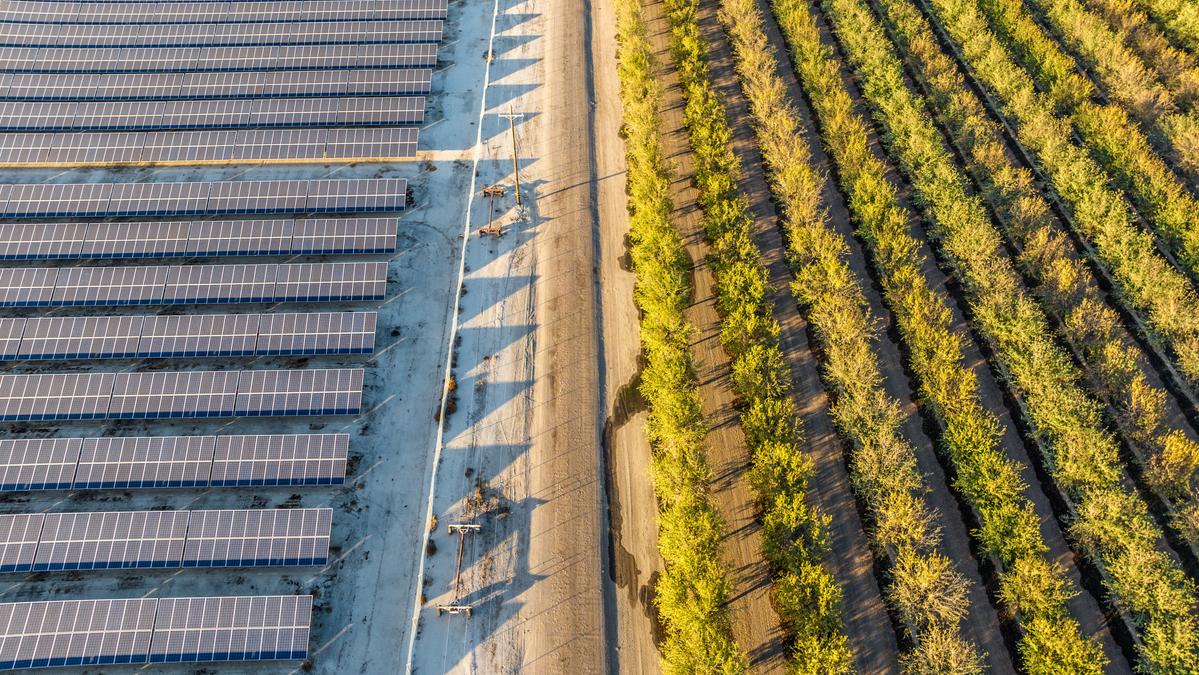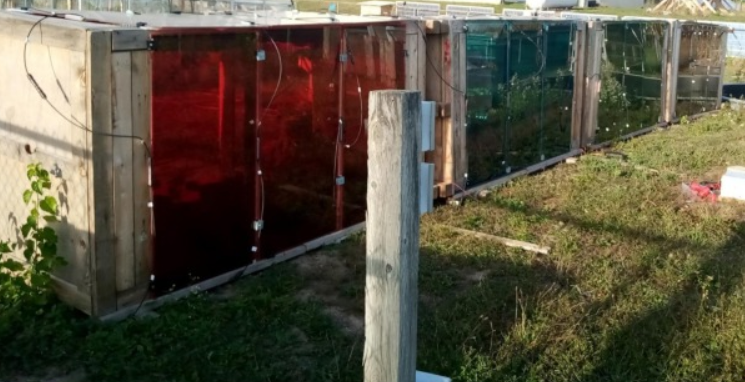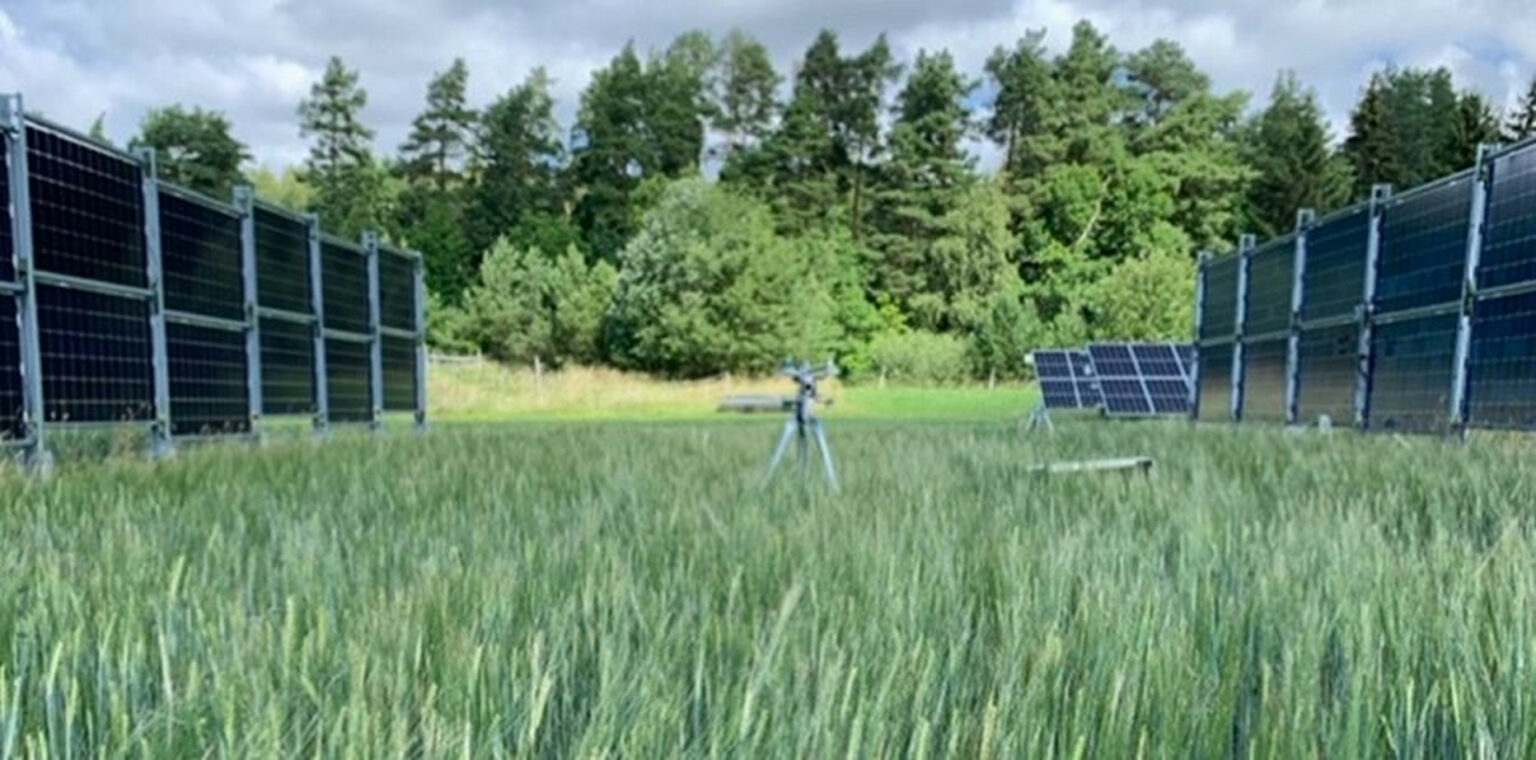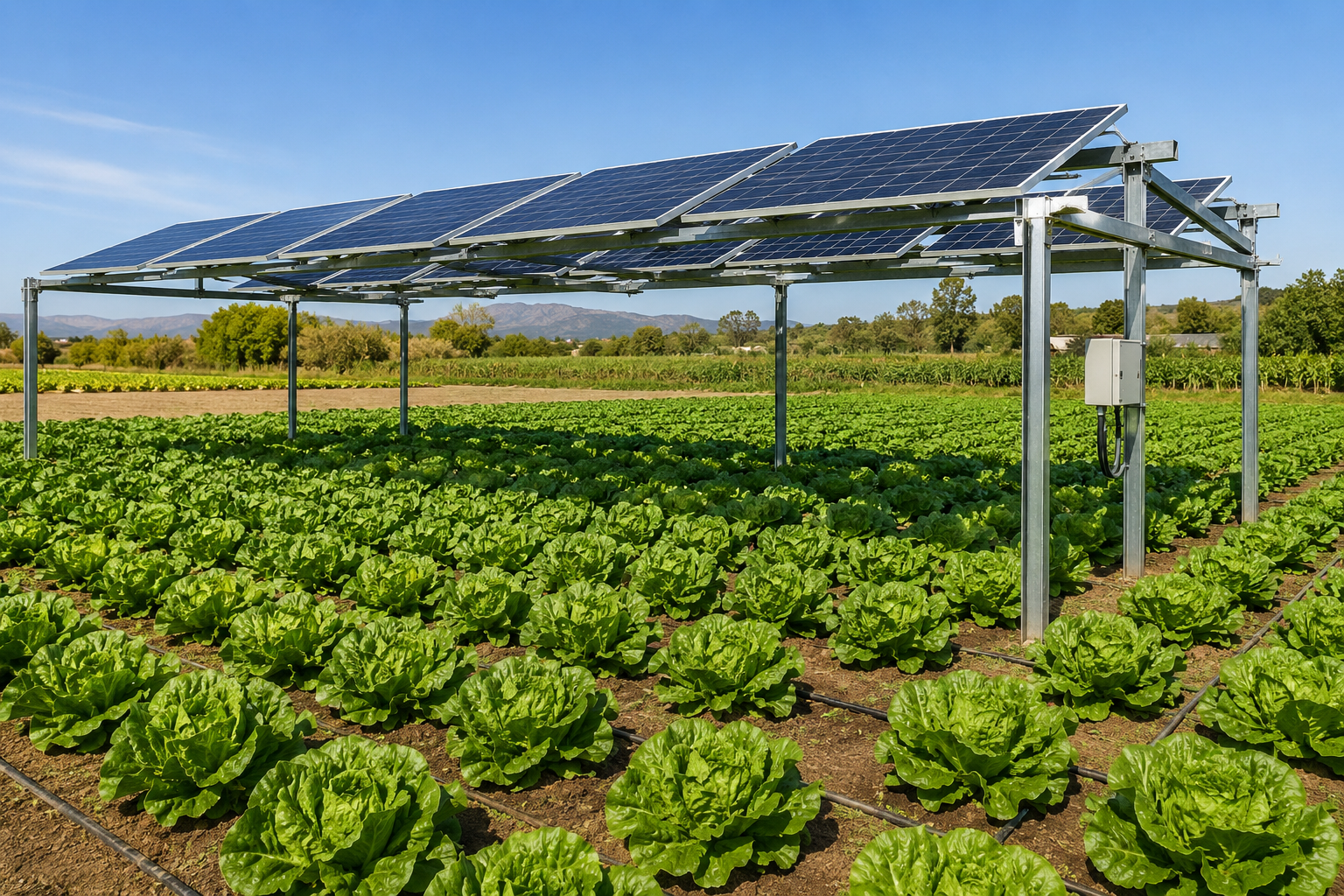
Researchers evaluated “farm-to-fork” life-cycle impacts of agrivoltaic lettuce systems using perovskite–silicon and perovskite–perovskite tandem PV, comparing them with conventional silicon PV across major US growing regions. The study finds that integrating advanced tandem solar with farming can reduce irrigation demand and significantly cut greenhouse gas emissions—potentially offsetting up to 30.9 million tons of CO₂ and saving around 8.4 billion m³ of water annually under favorable conditions.
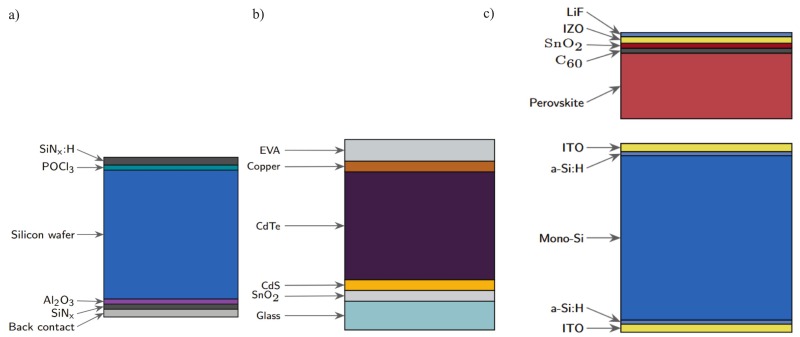
Researchers from Cornell University have assessed the sustainability potential of integrating advanced perovskite tandem PV into agrivoltaic lettuce production in the United States. Their “farm-to-fork” life-cycle assessment focuses on perovskite-silicon (P-S) and perovskite-perovskite (P-P) tandem technologies, and compares them with a baseline of conventional silicon PV.
“We look at agrivoltaics not only as a solar deployment question or an on-farm crop-yield question, but as an integrated food-energy-water system,” said corresponding author Fengqi You to pv magazine. “To our knowledge, this is the first prospective ‘farm-to-fork’ life-cycle assessment of agrivoltaic food production using emerging perovskite tandem photovoltaic technologies.”