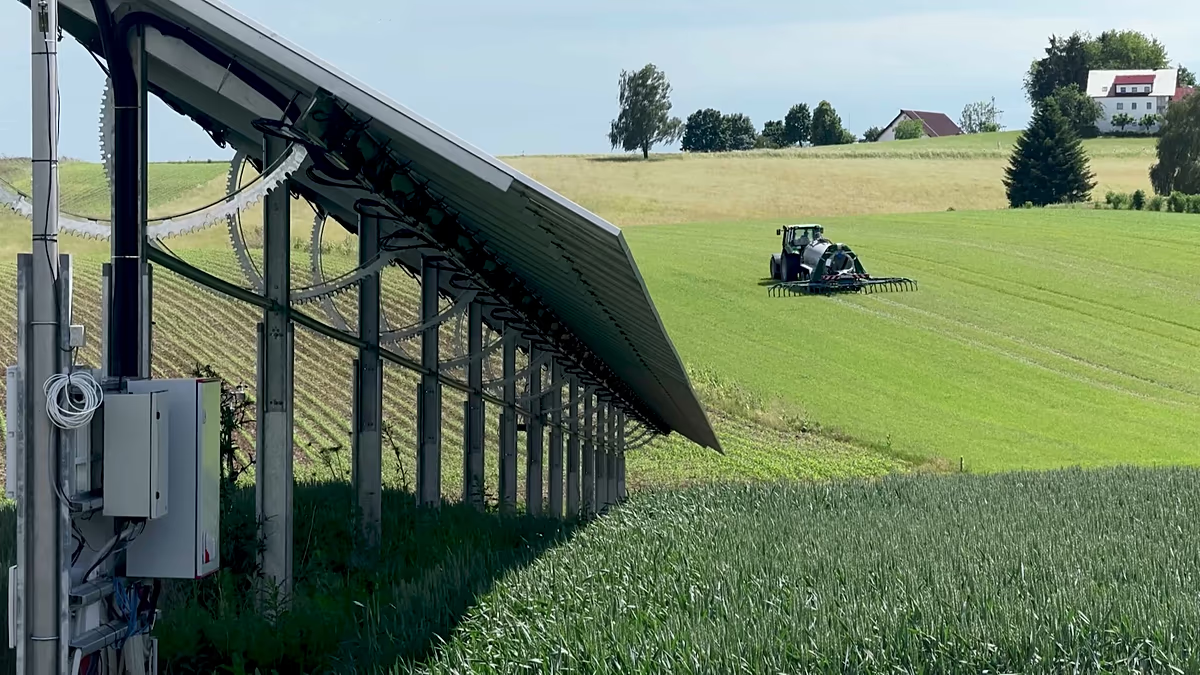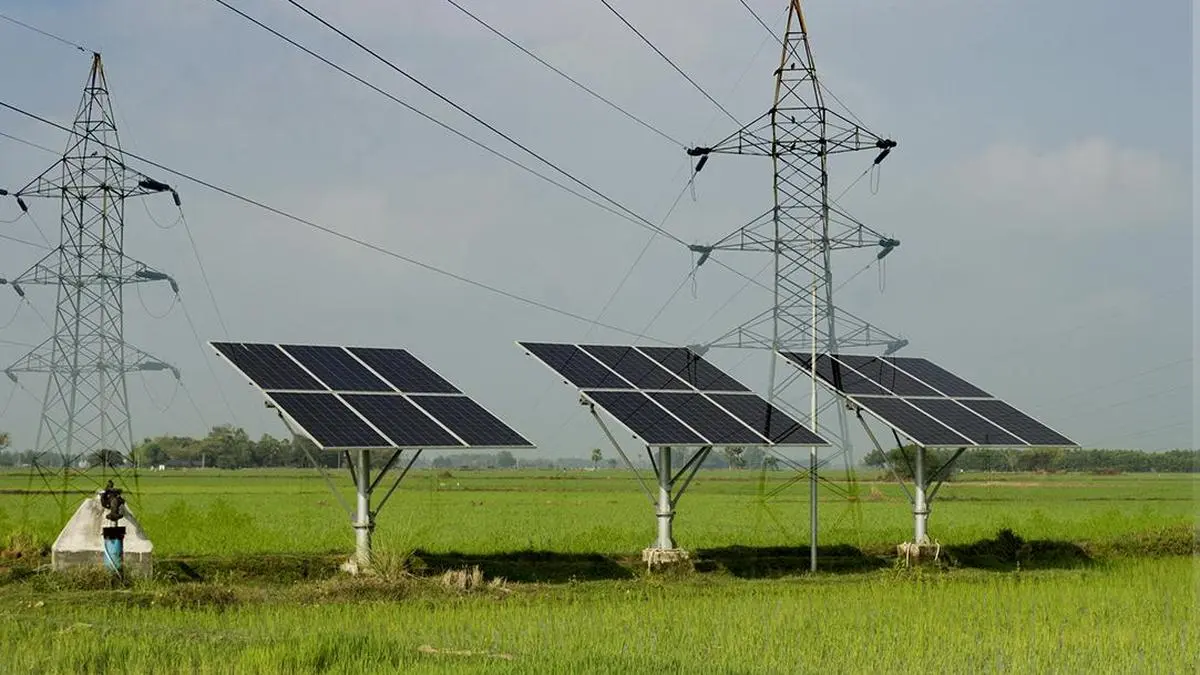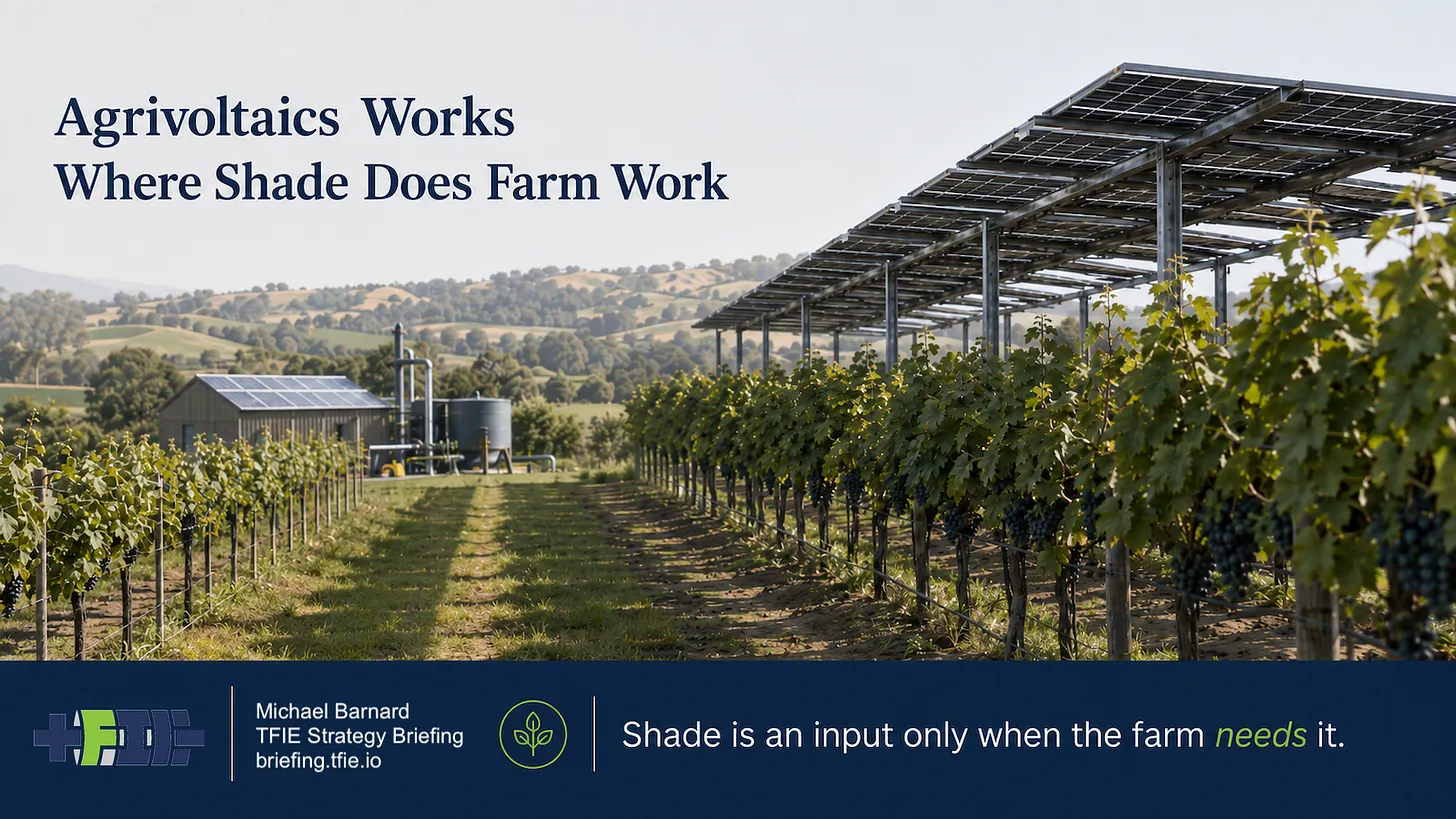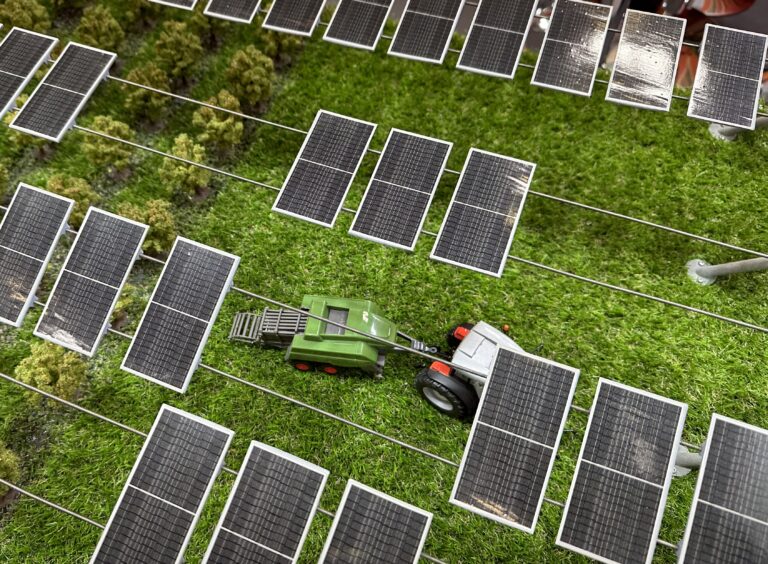
As global energy demands rise, emerging dual-use solar methods like ecovoltaics and agrivoltaics are proving that integrating photovoltaic panels with native habitats and agricultural land can generate renewable energy while simultaneously boosting biodiversity, conserving water, and securing steady income for landowners.
The energy industry has seen significant change within just the past year as national energy demand has increased, due in part to data centers, crypto mining, and electric vehicles consuming more energy. This surge comes as the federal government has blocked or slowed renewable energy generation construction and prioritized fossil fuels, which account for 87 percent of carbon dioxide emissions globally. While the federal government is focused on increasing fossil fuel sources, such as the Department of Energy’s $625 million effort to expand coal production, photovoltaic (PV) solar technology has become more efficient, and over the past 15 years its production costs have decreased by 88 percent—making it an ideal alternative energy source for many types of industries.
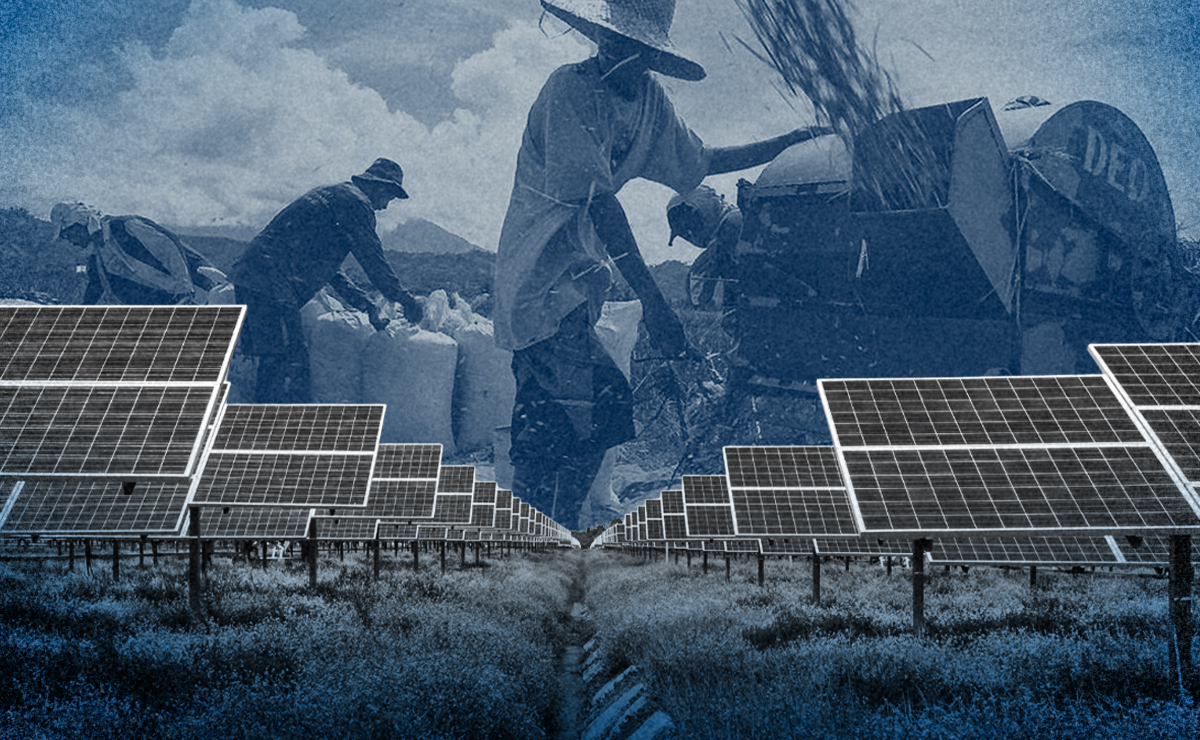
In the agricultural sector, solar can offer benefits that fossil fuels cannot. For instance, solar energy generation can provide economic benefits to landowners, such as farmers and ranchers, while also minimizing ecosystem impacts and potentially even improving biodiversity on PV solar farms.