Support CleanTechnica's work through a Substack subscription or on Stripe.
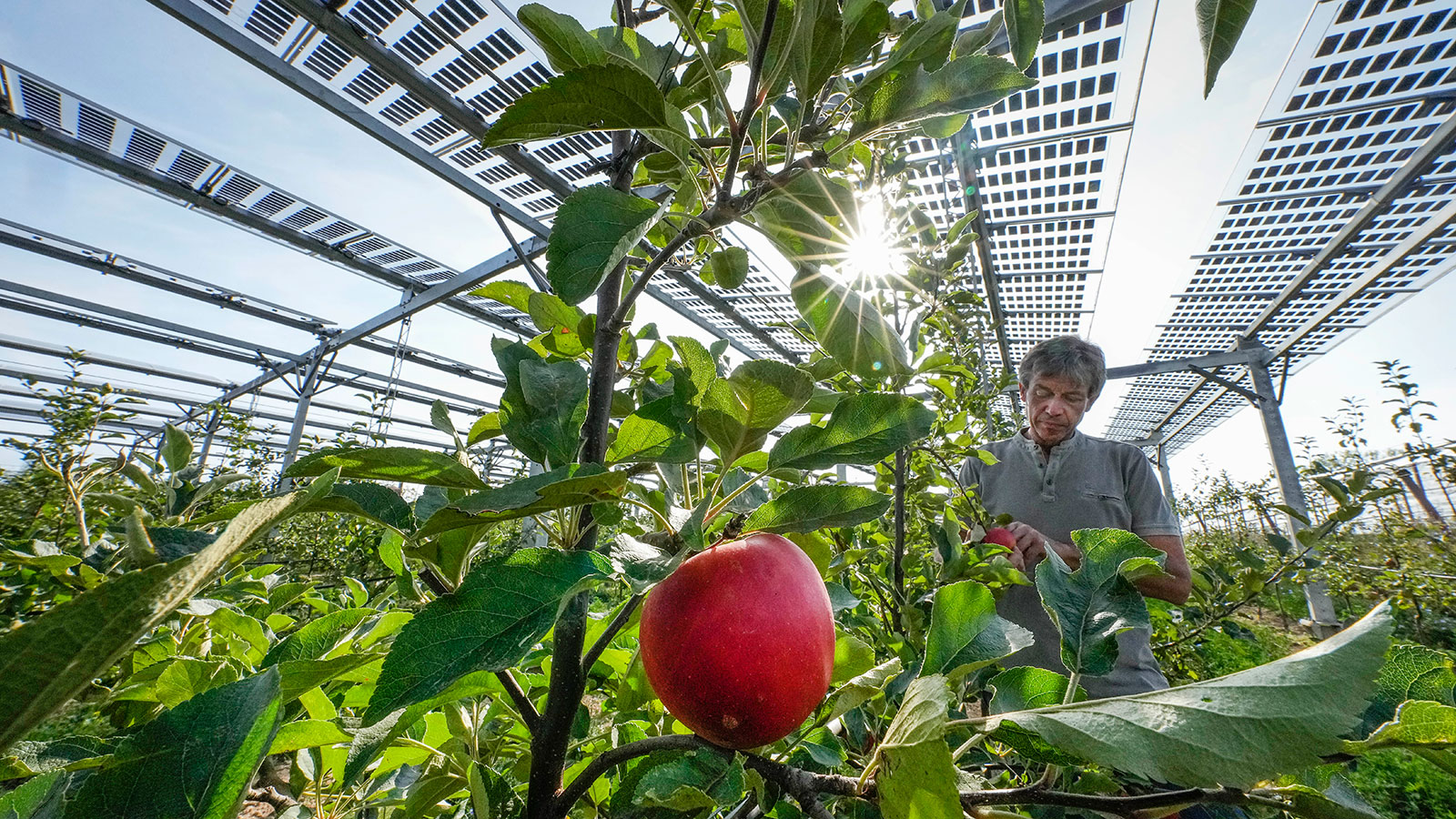
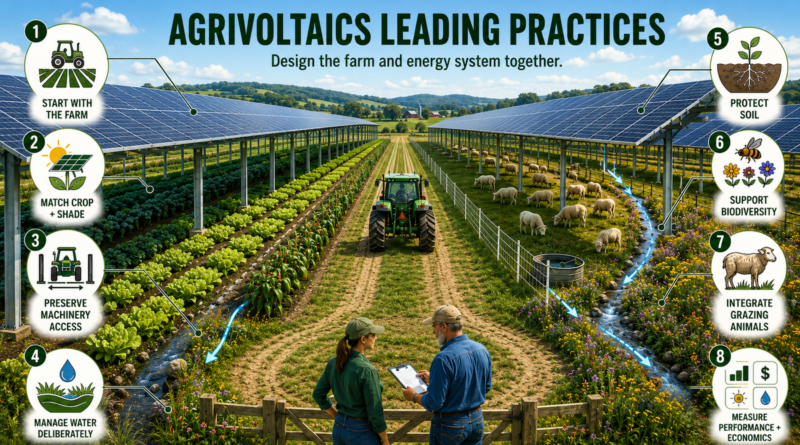
Agrivoltaics has become one of those ideas that is simple enough to fit on a social media tile and complex enough to be mangled by one. The image that prompted this discussion showed a farmer kneeling beneath solar panels in front of vegetables, sheep, mountains, and an American flag, with the claim that America is proving solar panels and farming can share the same land and that crops grown under panels outperform crops grown in full sun. There is a useful truth buried in that image, but it is wrapped in the wrong flag and stated with too much confidence.
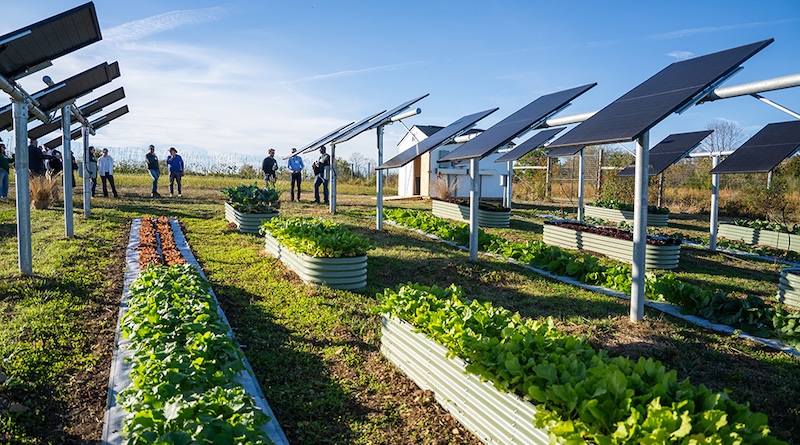
Solar and farming can share land. In some climates, with some crops, in some configurations, partial shade from solar panels can improve crop performance, reduce water stress, lower evaporation, and cool the microclimate enough to improve solar panel output as well. That is not a fantasy. It has been demonstrated in field trials, especially in hot and dry conditions. But it is not a universal law of agriculture, and it is not mainly an American story if the question is deployment scale. China is the global scale leader in agrivoltaics by a wide margin. The United States is a meaningful participant, especially in research, sheep grazing, pollinator habitat, and demonstration projects, but American exceptionalism is misplaced again.