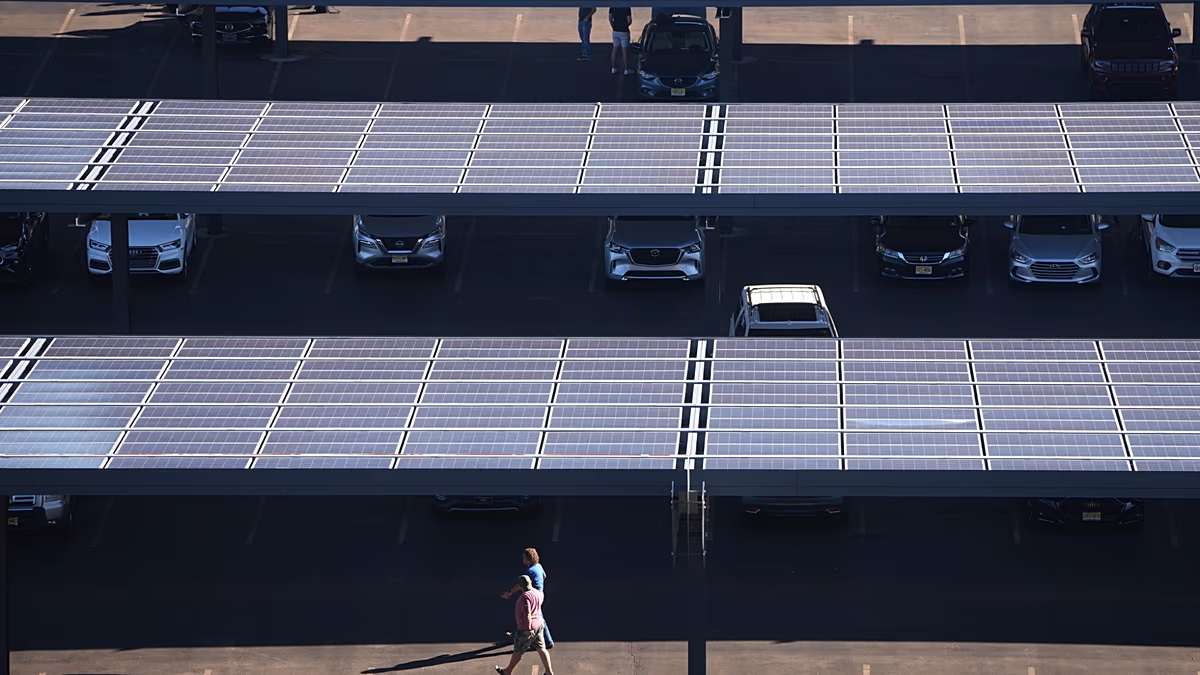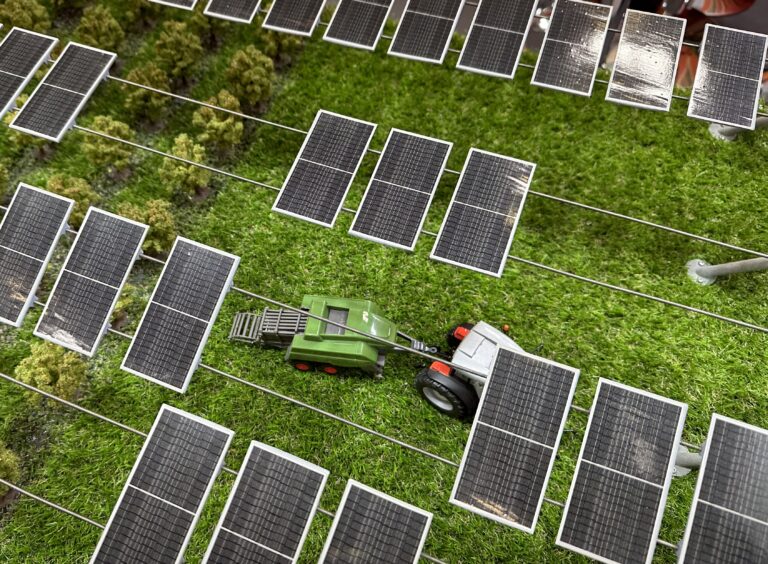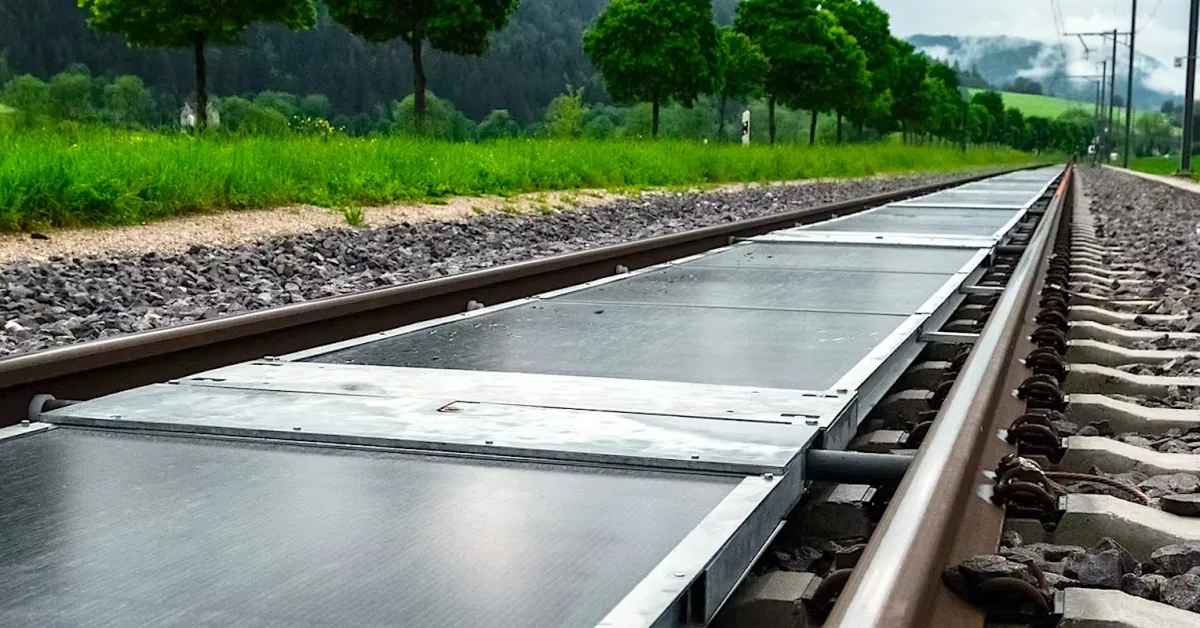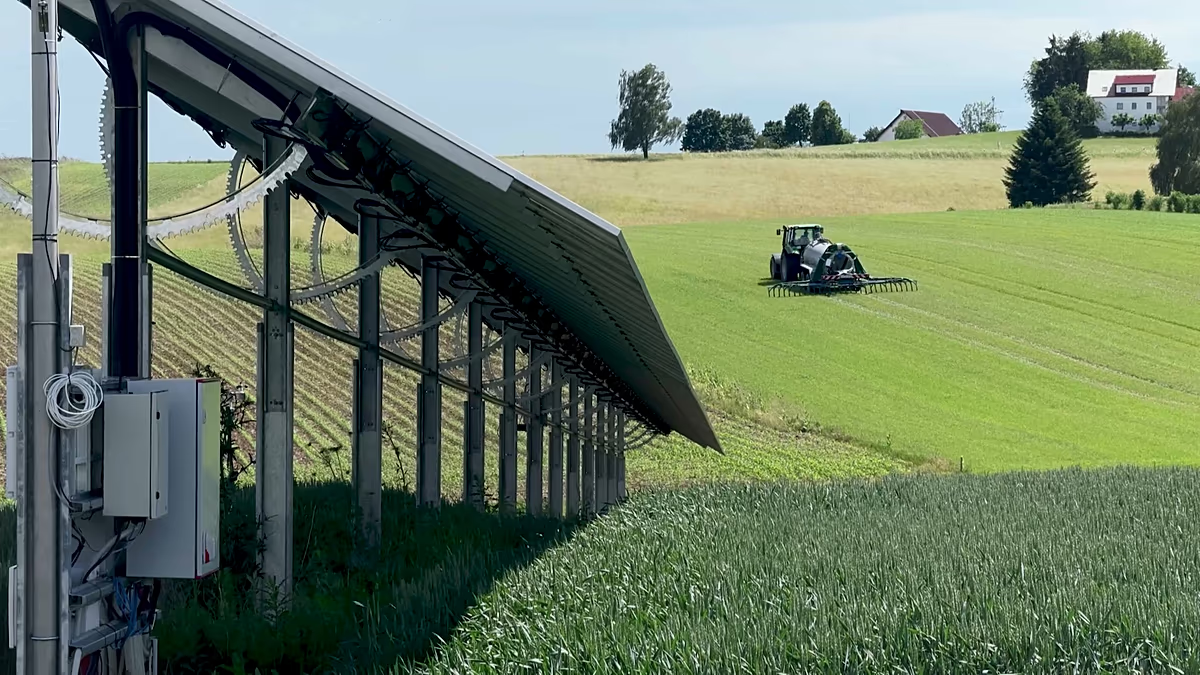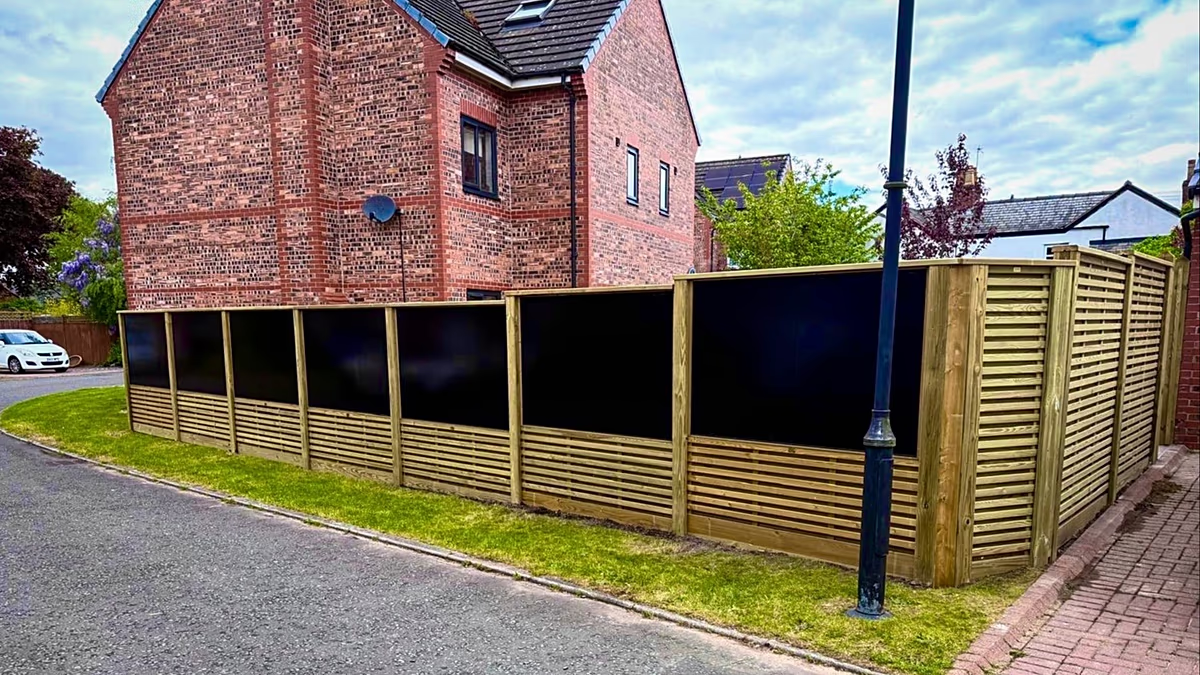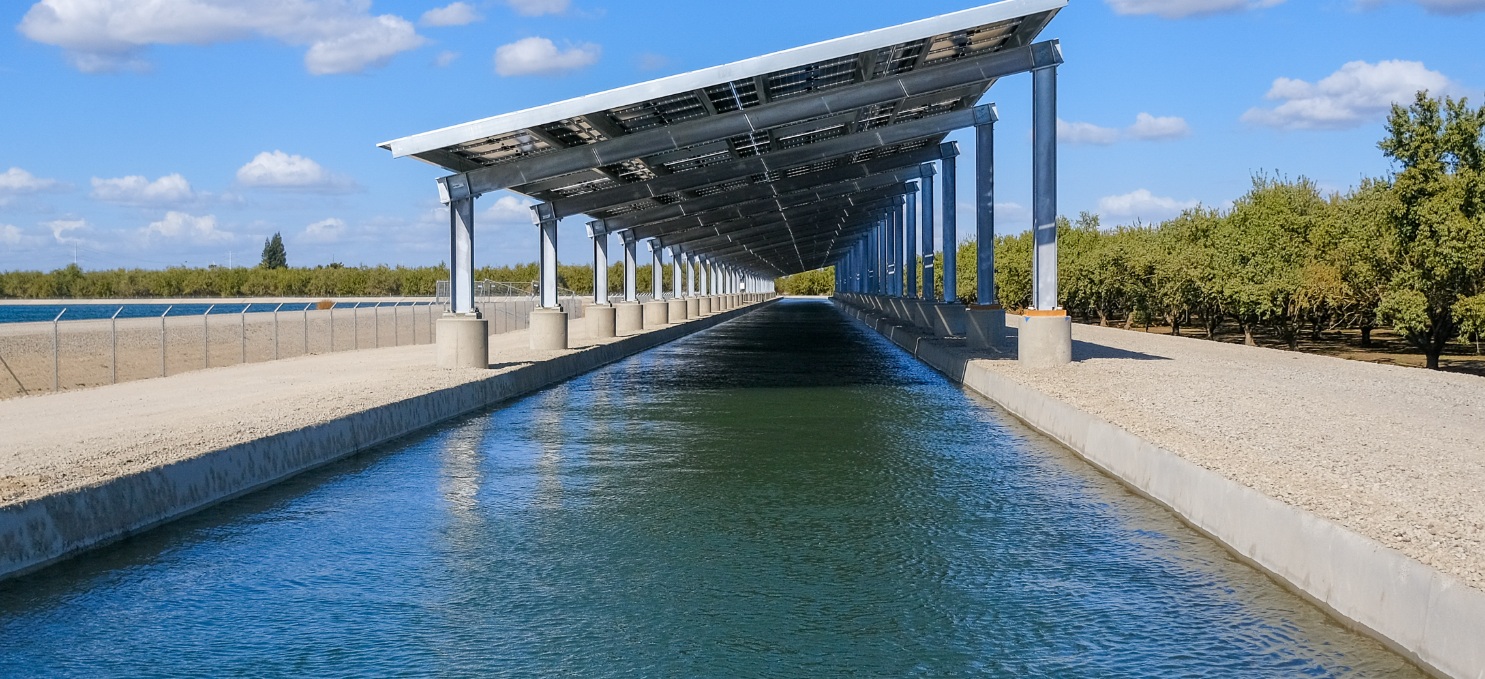
As Europe’s most attractive rooftops and most favourable sites fill up with solar, a new logic is taking hold: the dual use of land. After agrivoltaics, floating PV and building-integrated solar, it is now the turn of infrastructure such as roads, railways, canals and dikes to become a solar resource.
Solar PV is one of the pillars of Europe’s energy transition. With more than 65 GW of new capacity installed in 2025 and more than 405 GW already operating, the European Union is pressing on toward its target of 750 GW of solar PV by 2030. Reaching that target will require installing a further 345 GW or so over the next five years. The geography of solar PV capacity additions is changing. The large, well-oriented rooftops, the easily connected sites and the most favourable locations are gradually being used up. At the same time, ground-mounted solar projects in some countries face concerns over competing land uses, the protection of farmland, biodiversity and local acceptance.
We recently argued in these pages that lightweight modules could unlock more than 85 GW of structurally constrained European rooftops. The pressure behind that argument is the same one, pushing developers to look beyond the most straightforward sites. The question is no longer whether Europe wants more solar; it is where, exactly, the next gigawatts will physically go, and how the electricity they generate will be integrated into the grid and turned to value.