Support CleanTechnica's work through a Substack subscription or on Stripe.
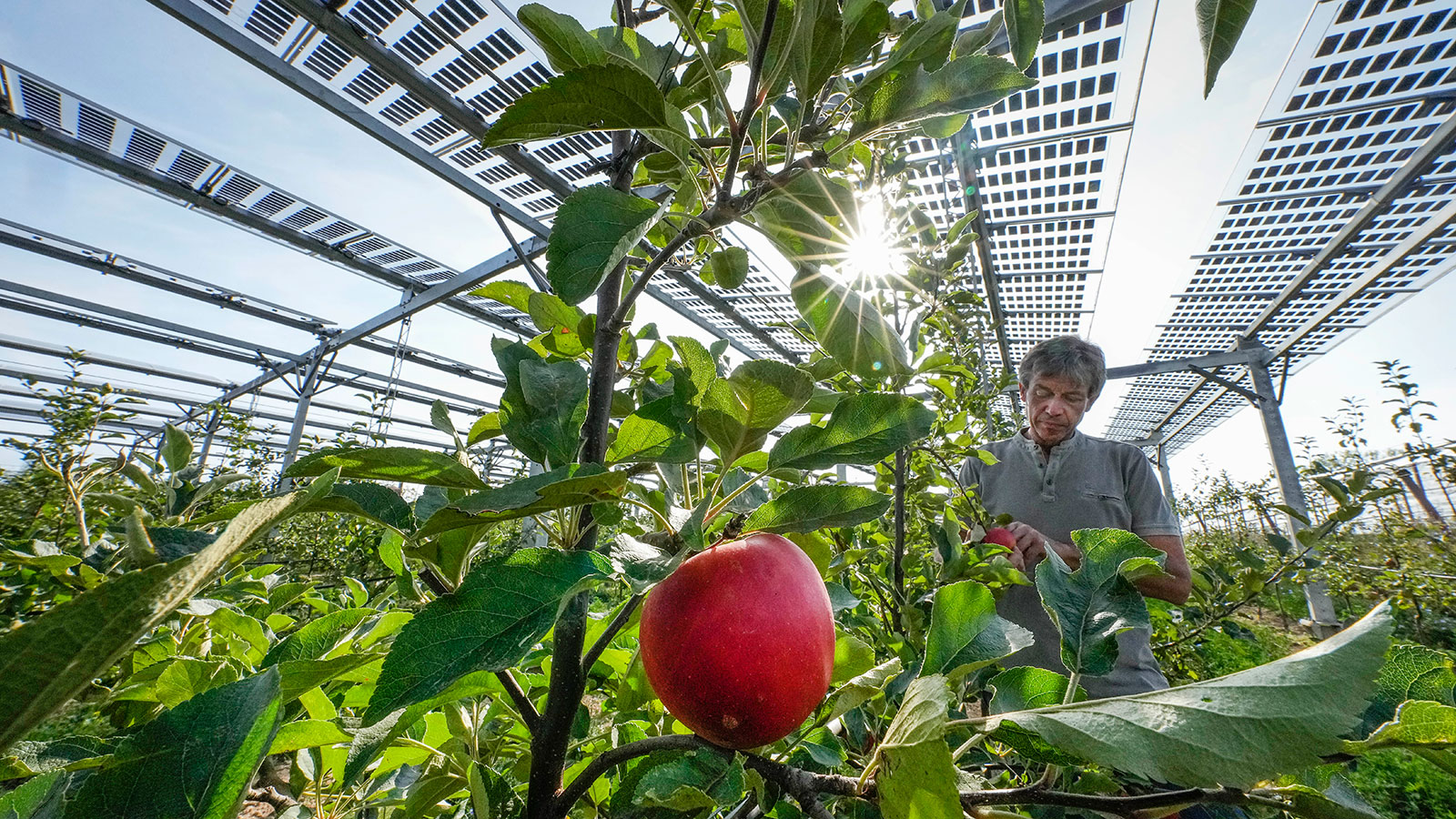
Peace between solar developers and farmers is possible through the emerging field of agrivoltaics, in which crops share space with solar panels. Though losing some field space, the farmer gets a reliable income from a new kind of energy crop, while continuing to stay in the business of raising plants instead of going bankrupt or selling the land for real estate development. What is lacking is a legislative framework to support and accelerate the transition into agrivoltaics, and the state of Virginia has just come up with a solution.
The Virginia Agrivoltaics Solution
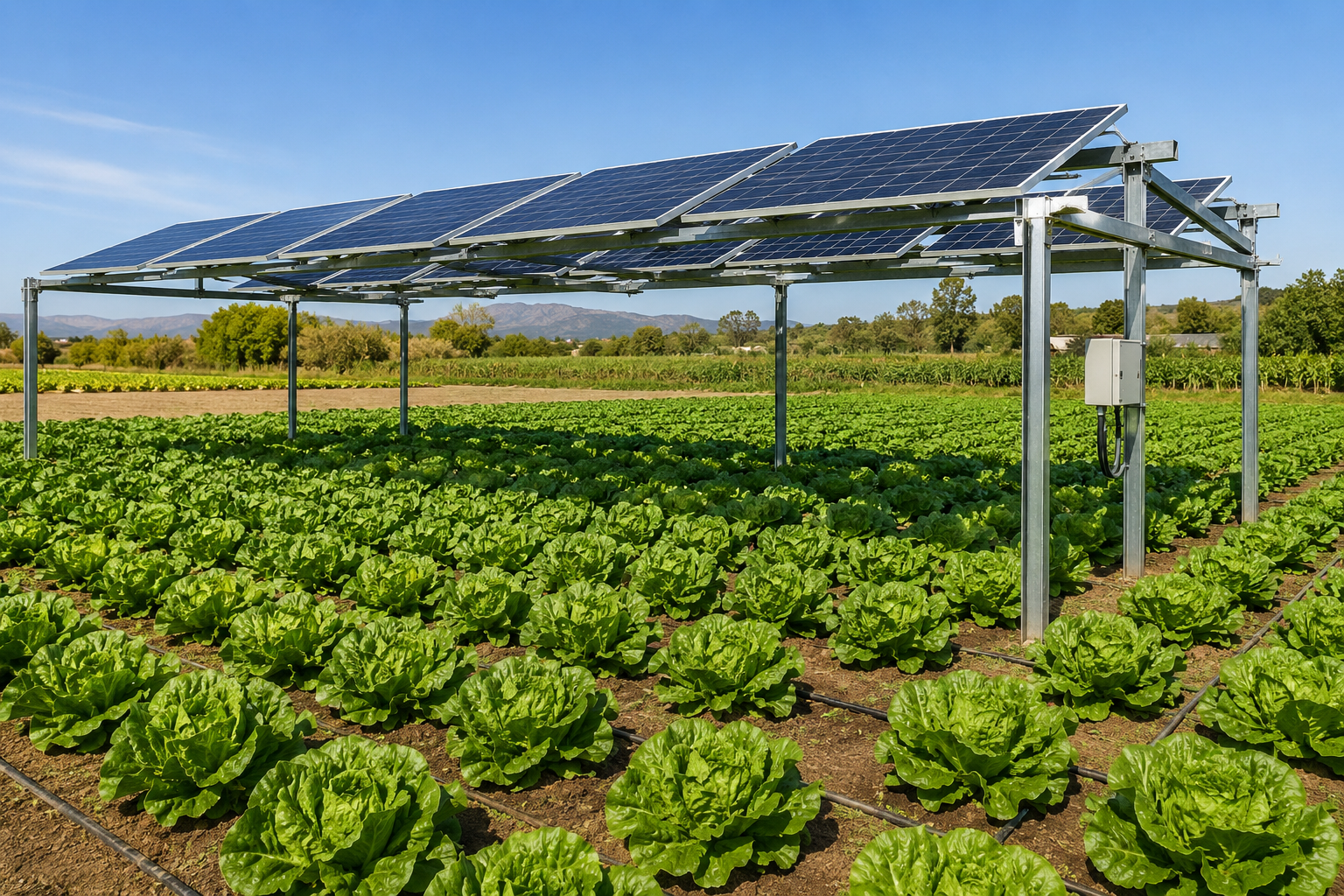
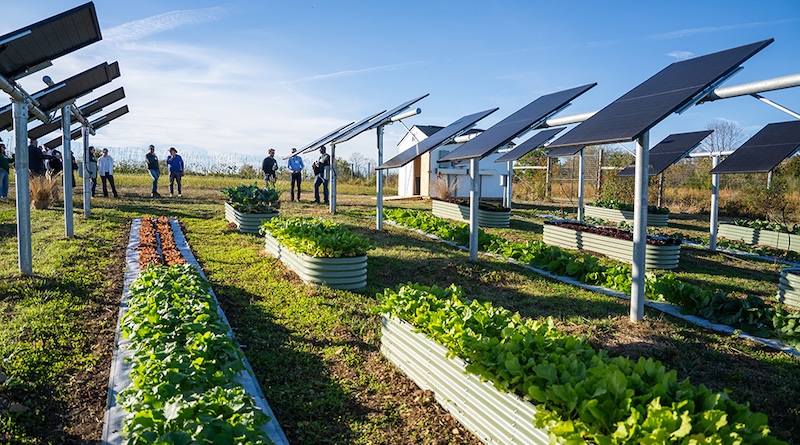
The new legislation crossed the CleanTechnica radar via an email from the land conservation organization Piedmont Environmental Council. PEC is known for establishing the first crop-based agrivoltaic system in Virginia, located at the Community Farm at Roundabout Meadows (pictured above). It’s a relatively small project, but the impact has resonated through the halls of the Virginia state legislature.
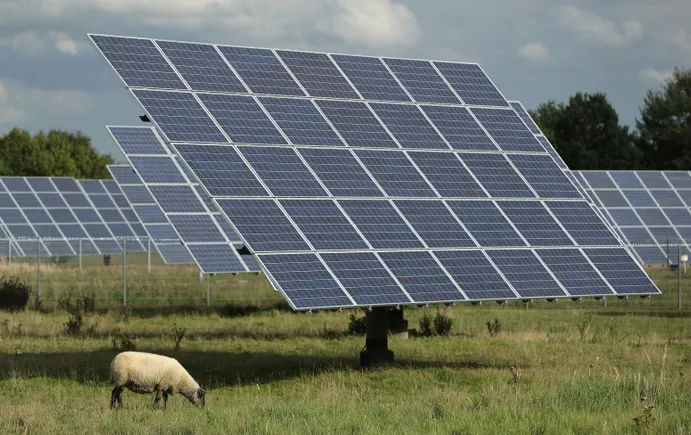
The word “crop” is significant because at this time, agrivoltaic activity around the US has been largely limited to grazing sheep. As relatively small, efficient grazers, sheep help reduce maintenance costs by keeping vegetation off the panels. They also help condition the soil, conserving it for agricultural use if the panels are ever removed (see more solar grazing background here).