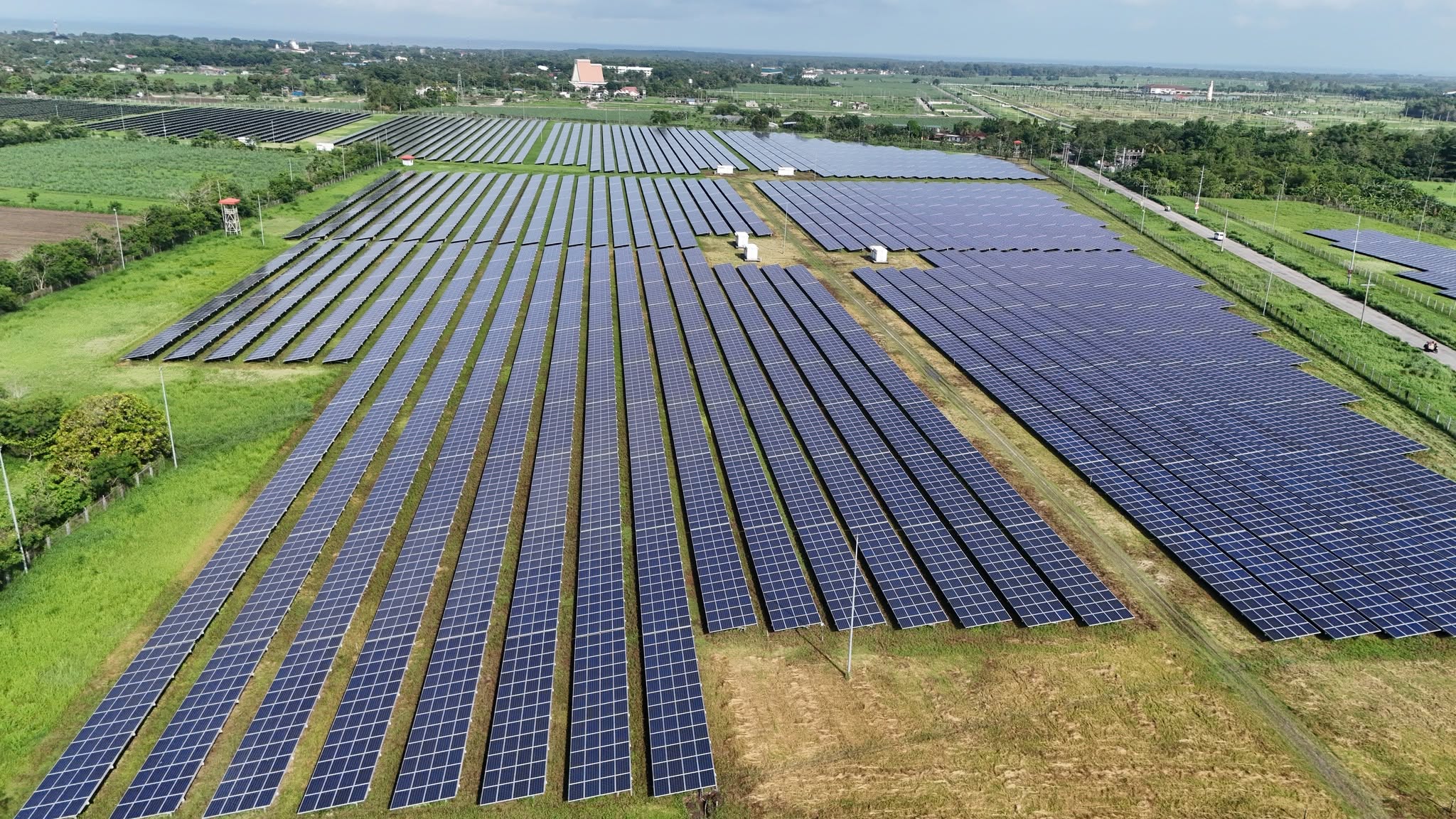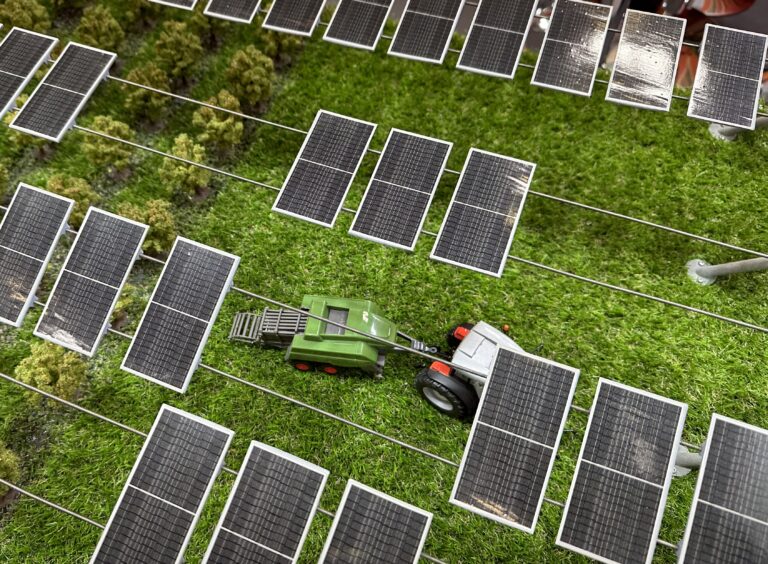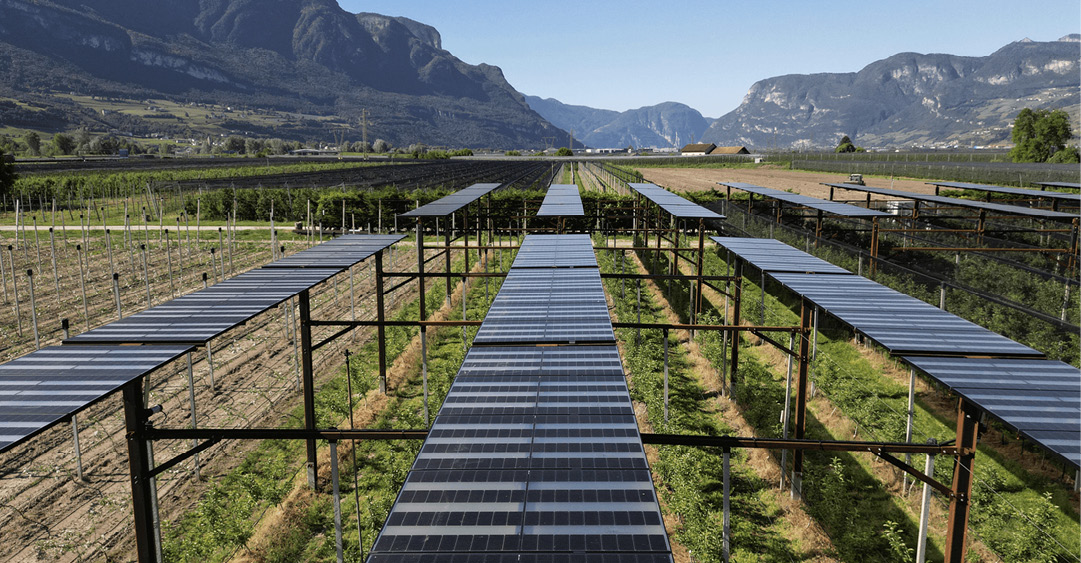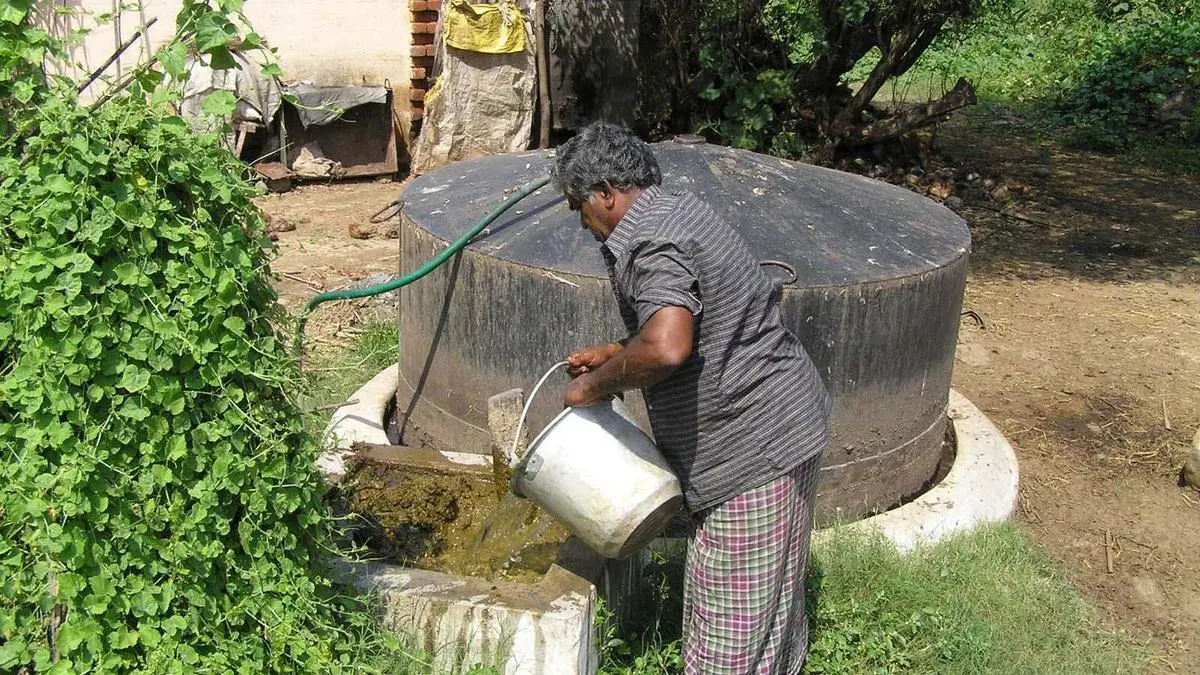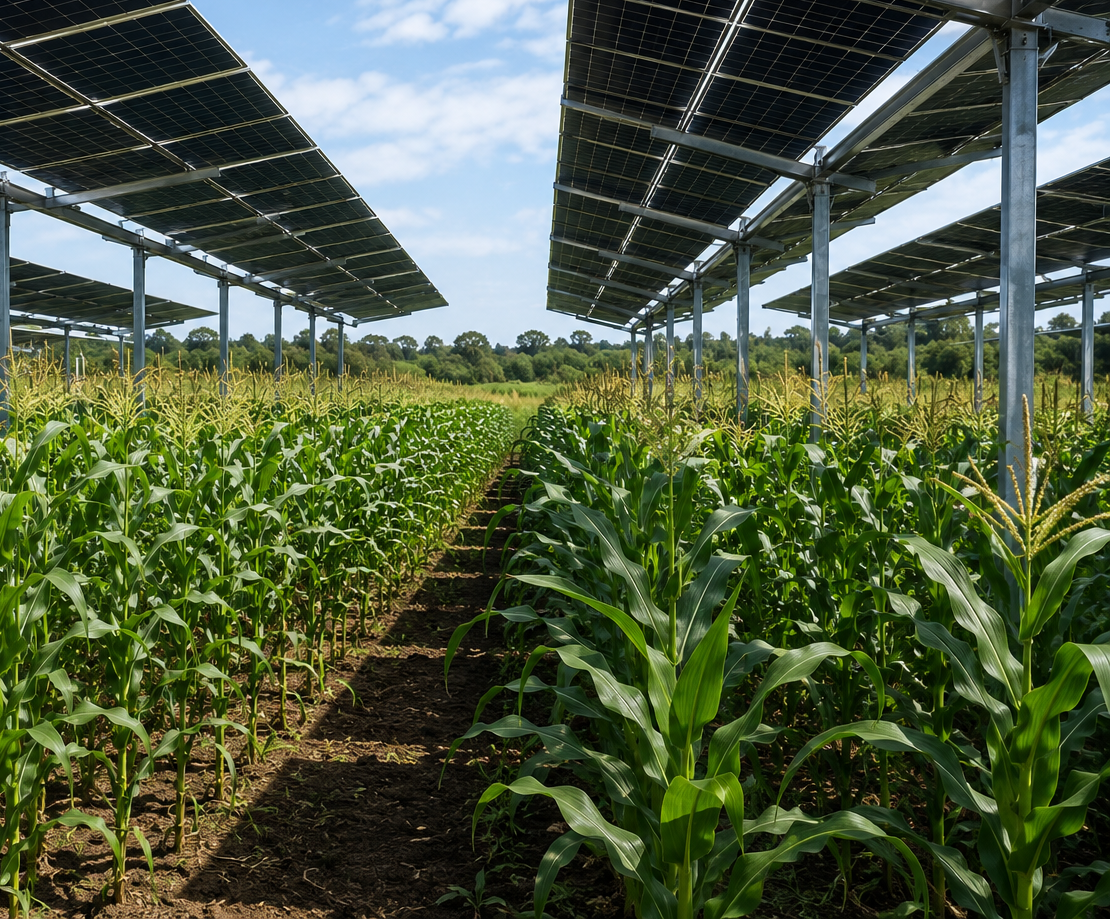
Co-locating agrivoltaics, maize cultivation, ethanol production, and urea manufacturing can create an integrated system in which energy, carbon, and agricultural outputs support one another.
Recent tensions in West Asia have highlighted a key vulnerability in India’s fertilizer sector. India does not lack urea production capacity. What it lacks is control over the feedstock that powers it. Every spike in global gas prices reverberates through the farm economy.
India imported close to 27% of its urea needs and over 80% of the natural gas used for fertilizer production in 2025. When gas supplies tighten and costs rise, the government absorbs the shock through subsidies. In 2024–25 alone, the fertiliser subsidy bill crossed INR 1.71 lakh crore ($17.9 billion). This is not a one-time challenge but a structural weakness. The challenge lies at the heart of the production chain. Urea production depends on ammonia, and ammonia production depends on natural gas. Gas serves as both feedstock and fuel. As a result, disruptions in the Gulf can affect fertilizer economics in India within weeks. Farmers ultimately bear the consequences, whether through supply constraints or the fiscal burden of rising subsidy requirements. Addressing this challenge requires more than short-term measures; it requires rethinking how fertilizer is produced.