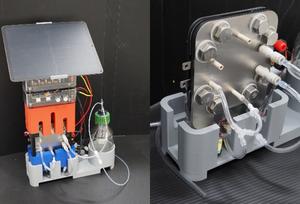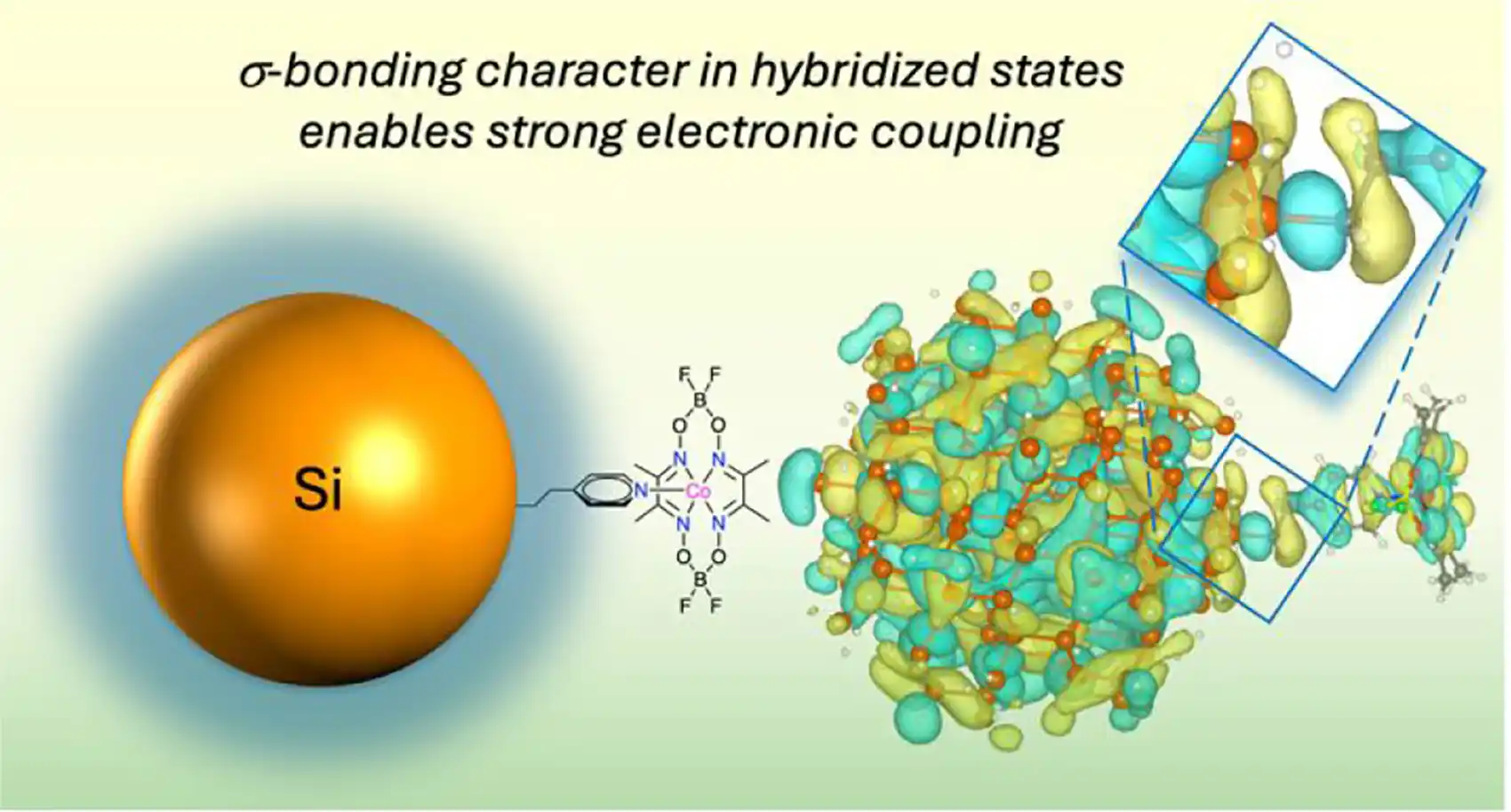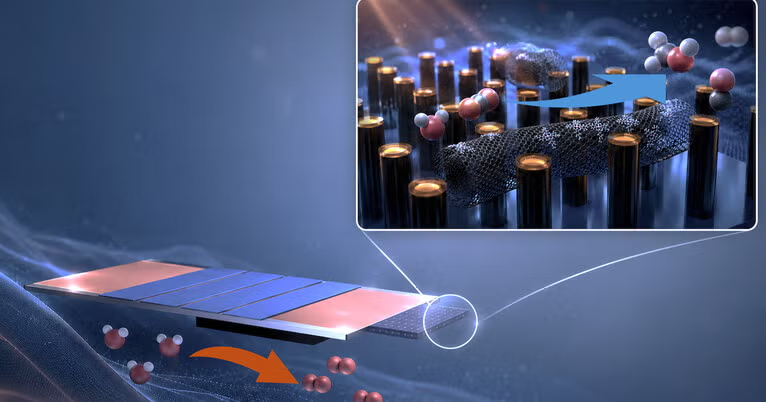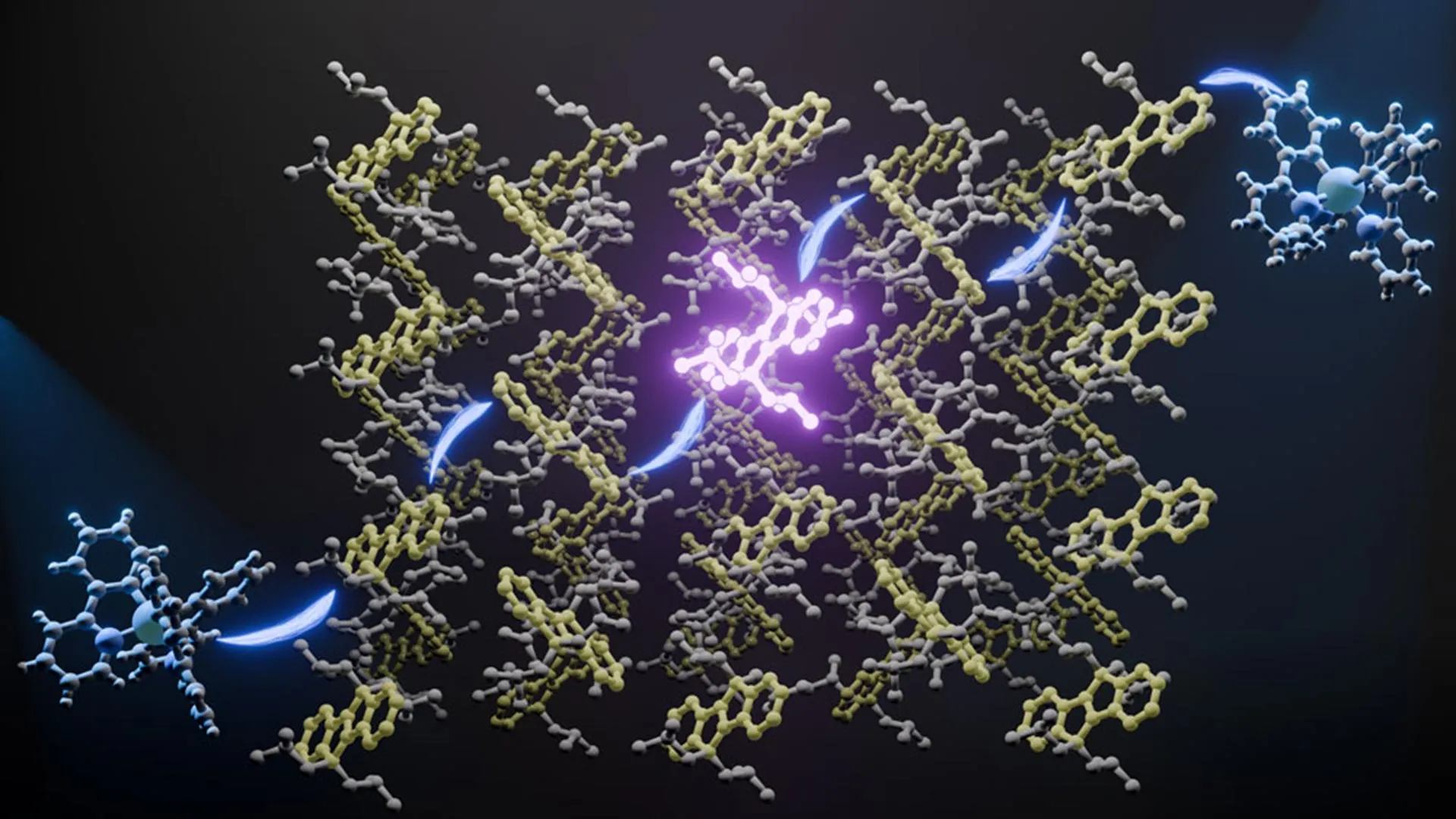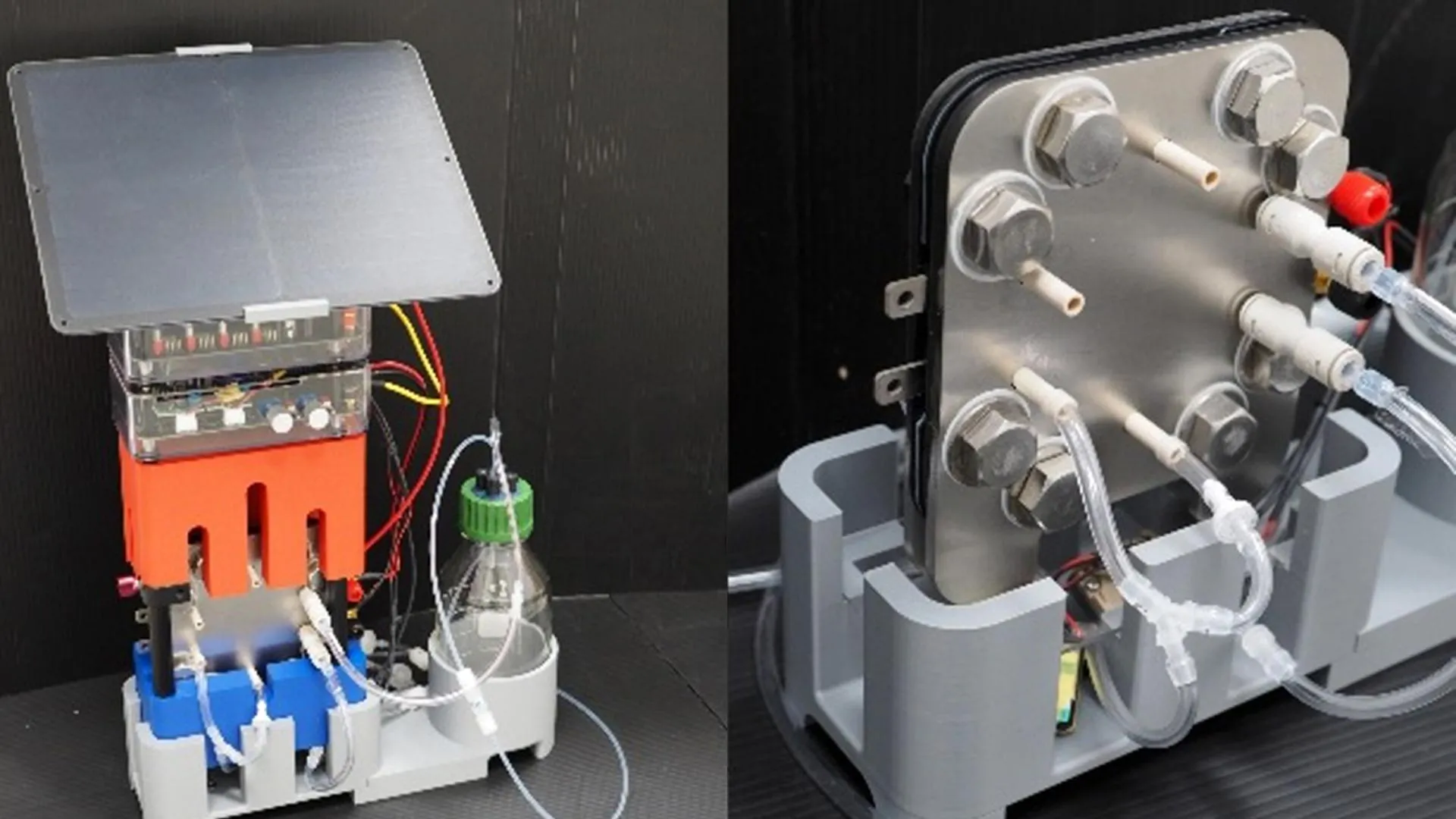
Researchers at Osaka Metropolitan University have created a new artificial photosynthesis system that can generate solar fuel more consistently while eliminating the need for battery based control equipment. The advance comes from integrating a self regulating chemical component directly into the electrolyzer, reducing both system complexity and cost.
Like natural photosynthesis in plants, artificial photosynthesis uses sunlight to transform water and carbon dioxide into energy rich compounds. One such product is formic acid, a chemical that can serve as a fuel and a way to store energy.
How Artificial Photosynthesis Produces Solar Fuel
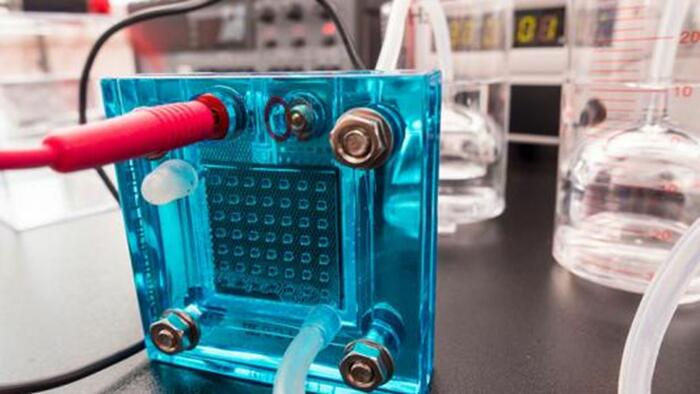
At the heart of these systems is an electrolyzer, which converts electricity from solar cells into chemical energy. That energy is then stored in the form of fuels such as formic acid.
A major challenge is maintaining efficient operation when sunlight changes throughout the day. To address this, many artificial photosynthesis systems use Maximum Power Point Tracking (MPPT), a method that continuously adjusts voltage and current so solar cells can deliver the highest possible power output.