view more
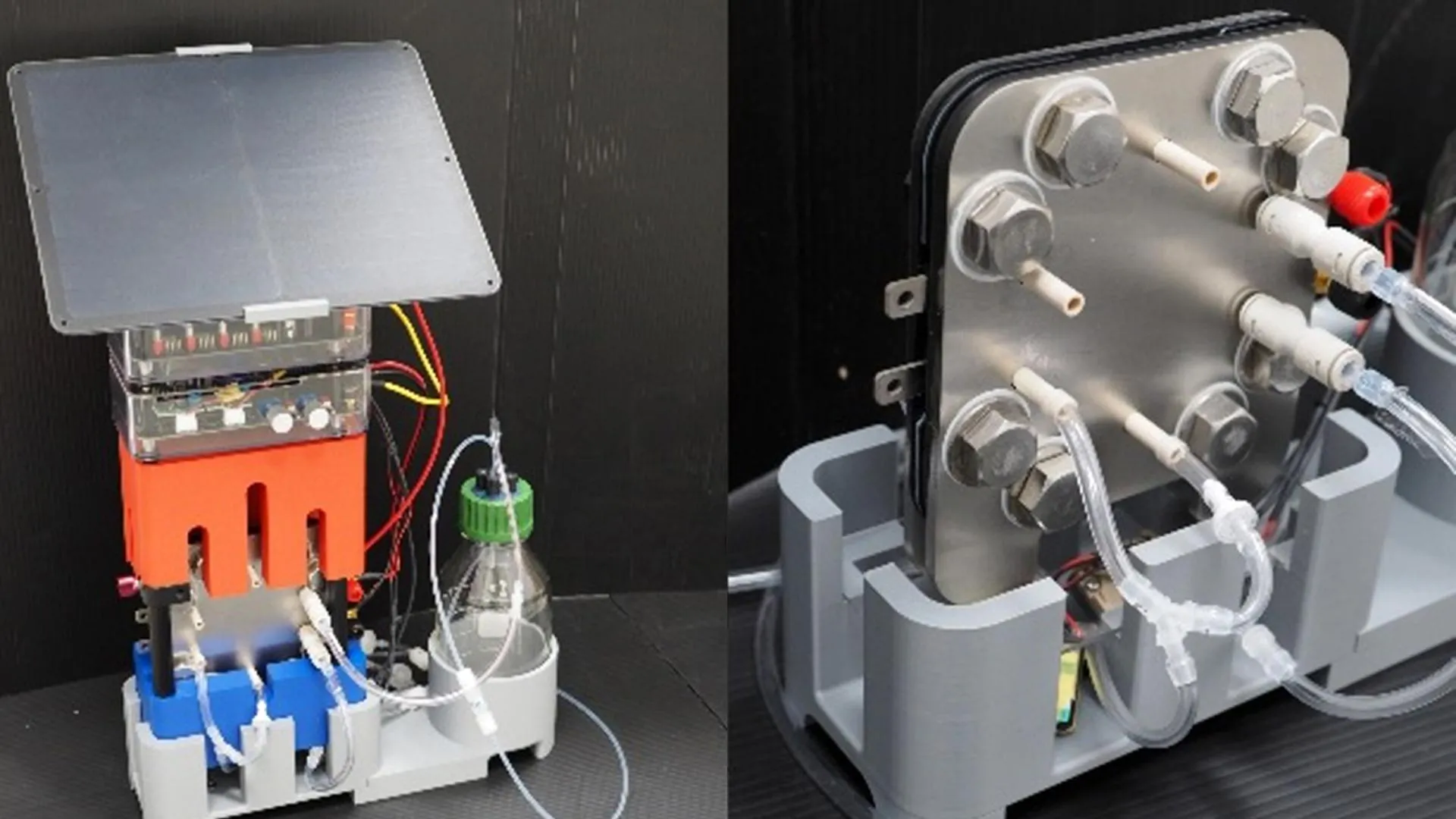
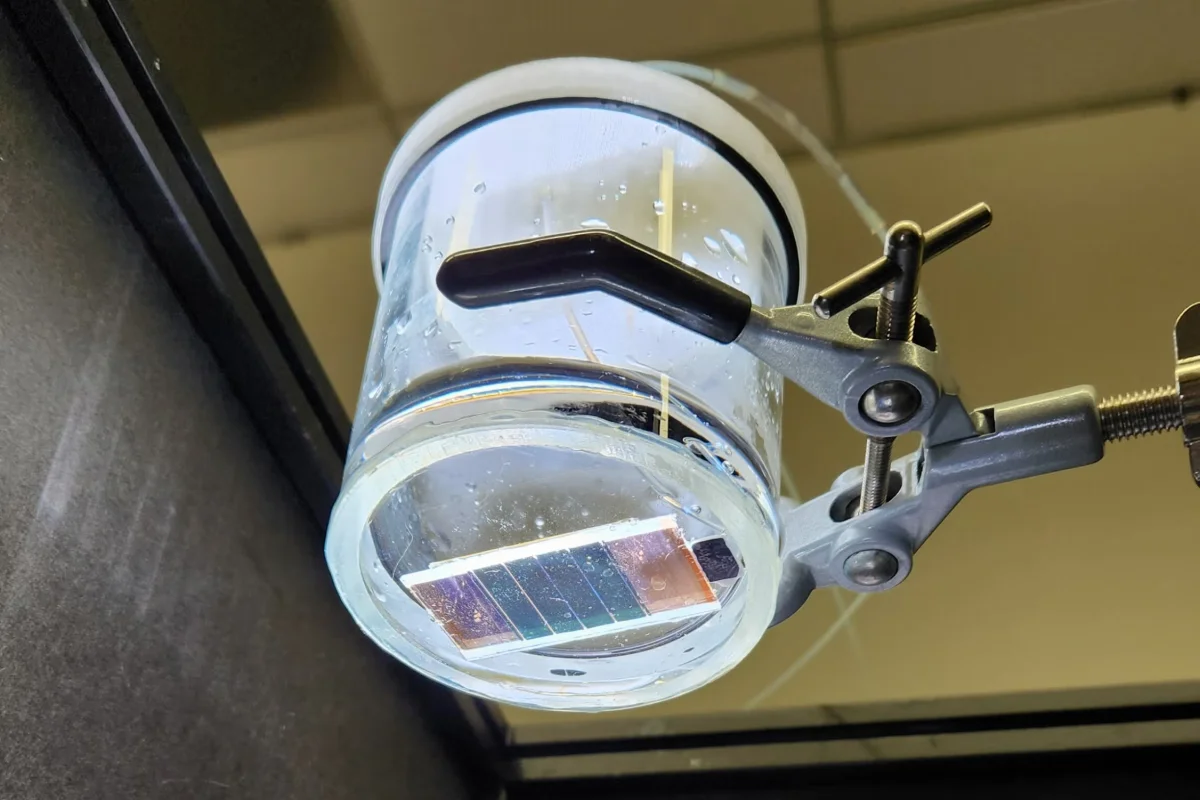
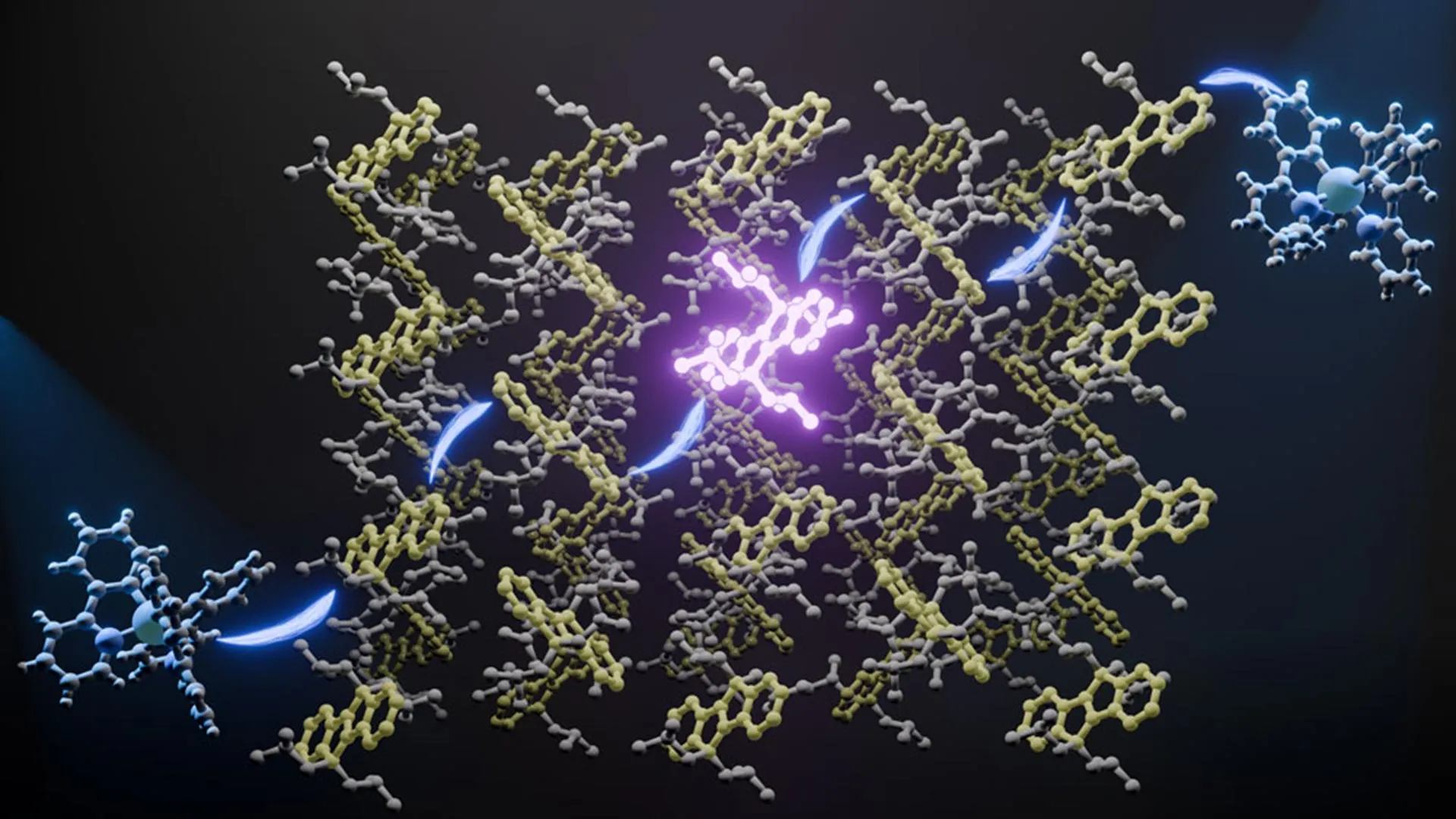
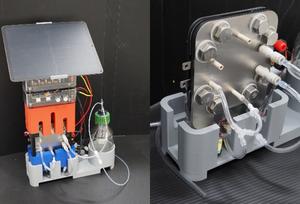
Researchers at Osaka Metropolitan University have developed an artificial photosynthesis system capable of producing solar fuels more stably by integrating a self-regulating chemical component directly into the electrolyzer itself. The new device doesn’t rely on a battery-powered control method, removing an expensive component of such systems.
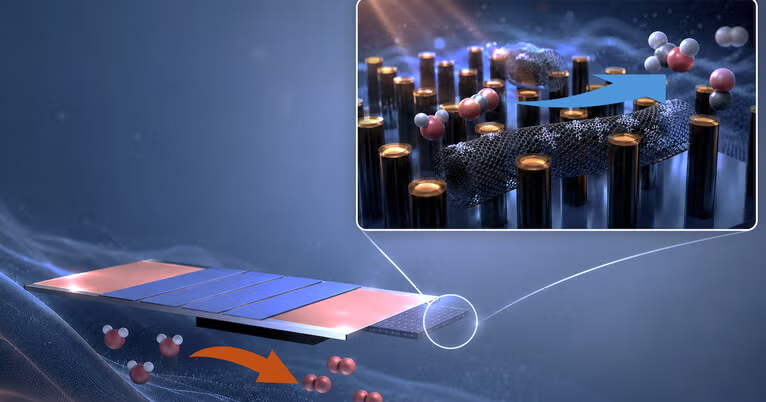
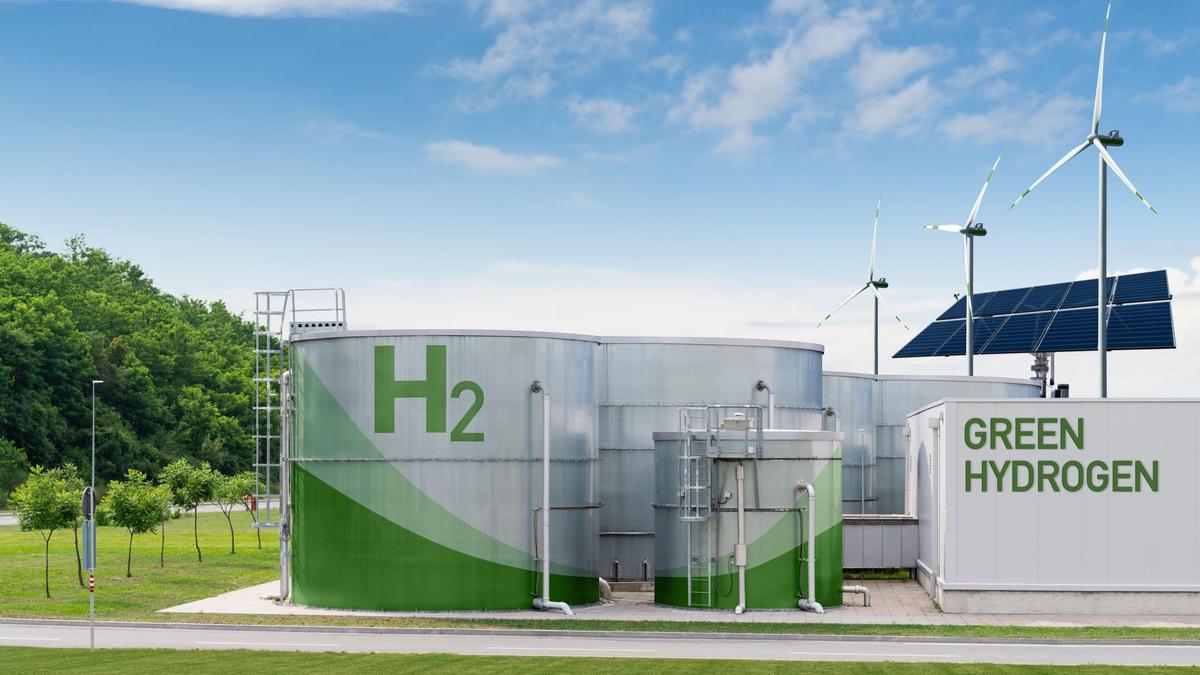
Similar to its natural version, artificial photosynthesis uses sunlight to convert water and carbon dioxide into useful fuels such as formic acid.
In artificial photosynthesis systems, the electrolyzer plays a central role by converting electricity generated by solar cells into chemical energy that can be stored as fuel in the form of formic acid.
To keep this energy conversion operating efficiently under changeable sunlight conditions, many systems use Maximum Power Point Tracking (MPPT), a control method that continuously adjusts the voltage and current to maximize the power output of the solar cells. However, MPPT systems typically rely on batteries or additional electronics to stabilize energy flow, increasing both the cost and complexity of the overall system.