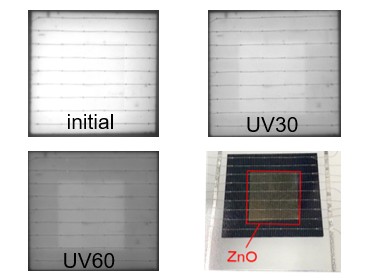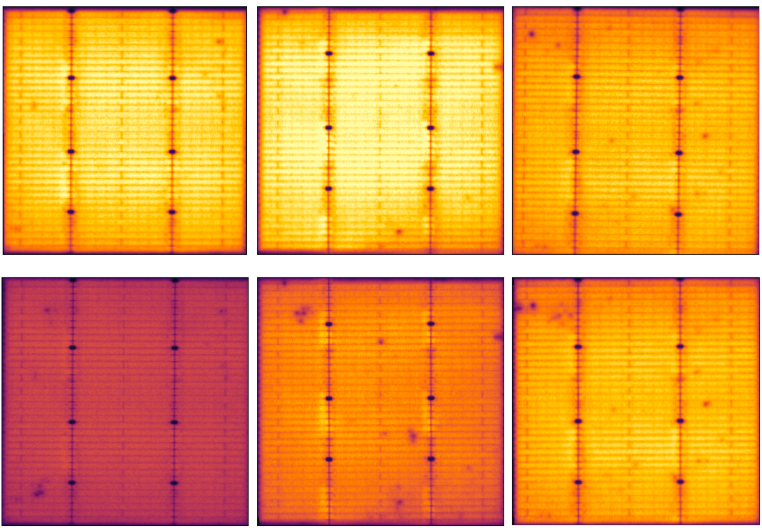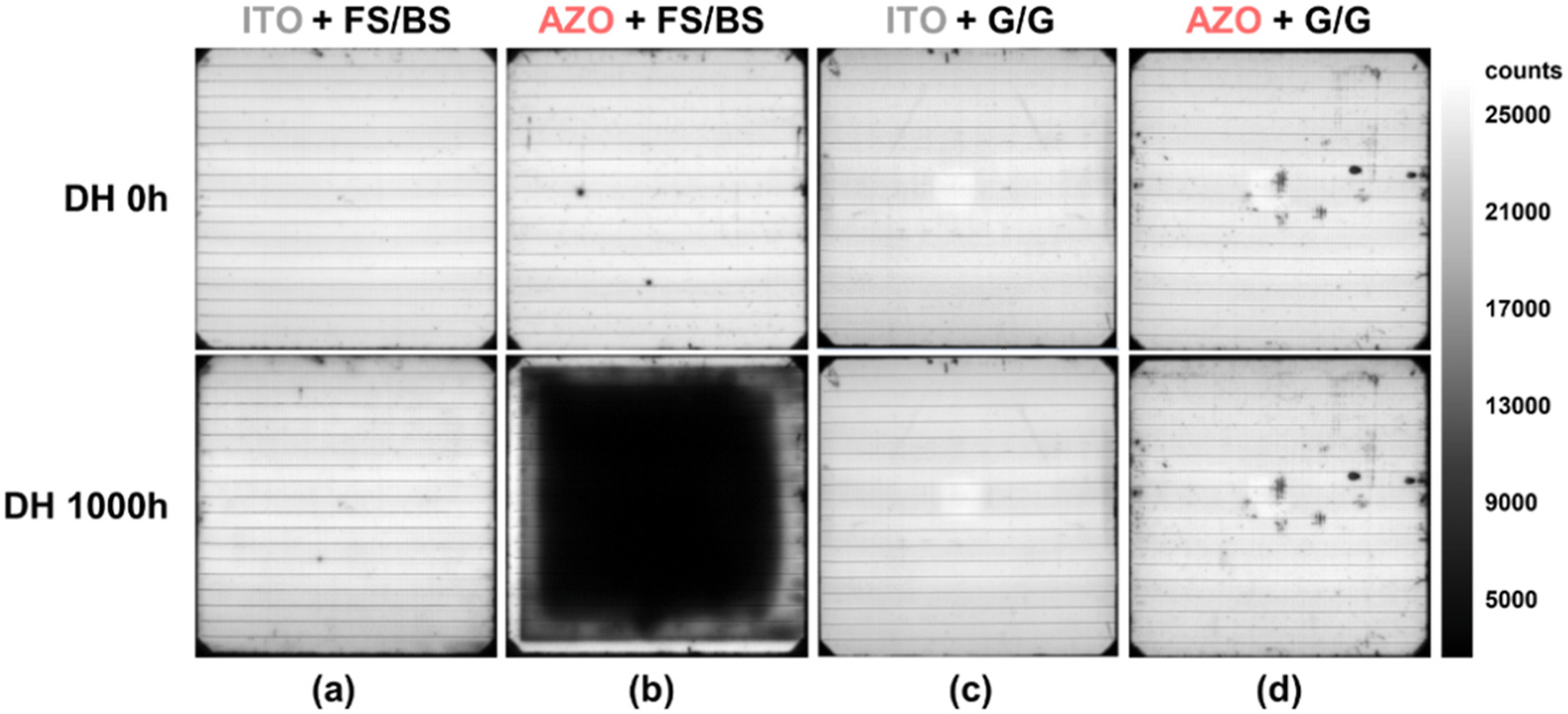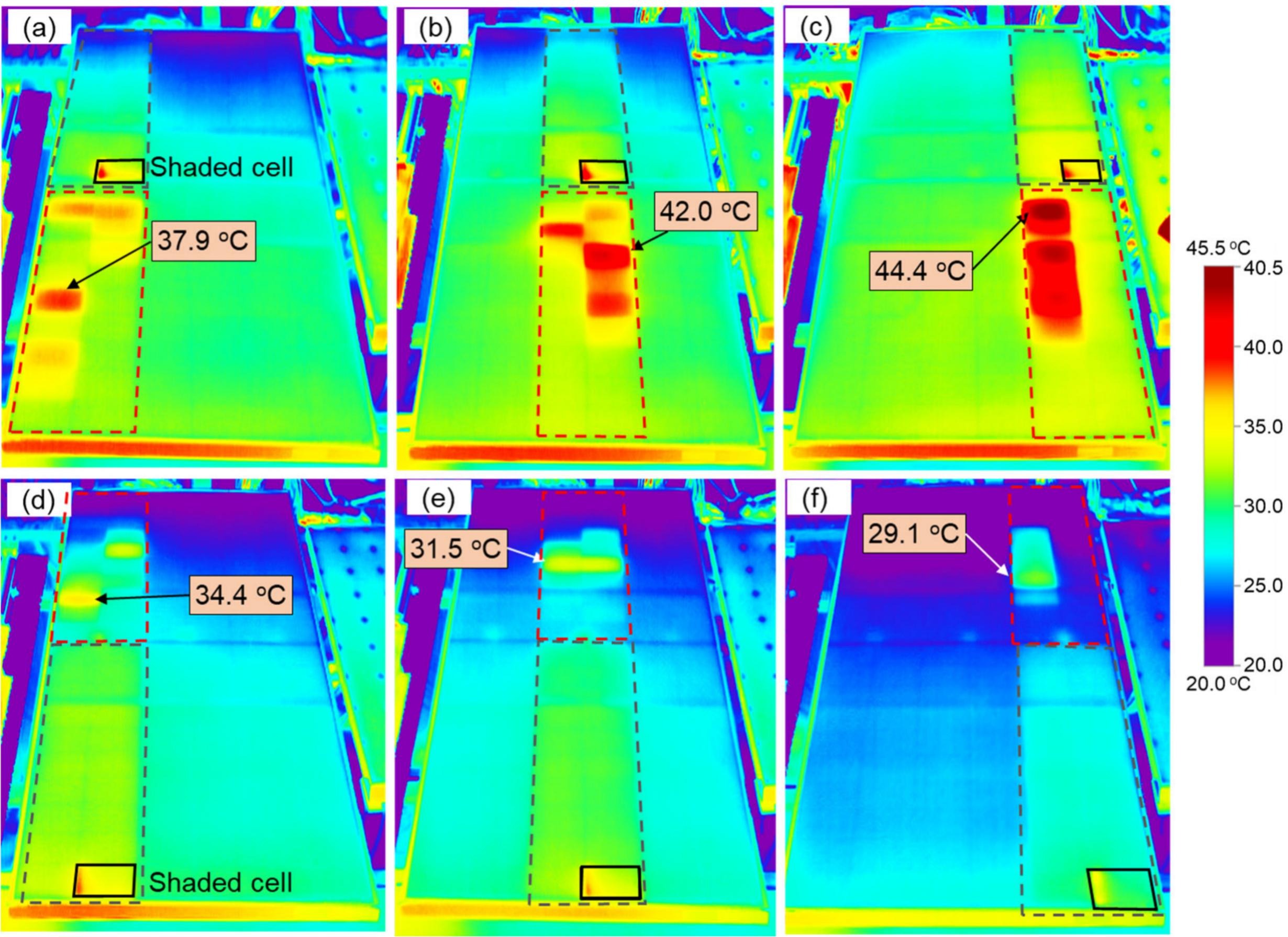
Scientists have investigated encapsulants with different UV transmissions to assess UV-induced degradation. Based on their results, they have developed a novel dual-layer encapsulant structure. Researcher: The new design preserved over 98% of the module’s initial performance.
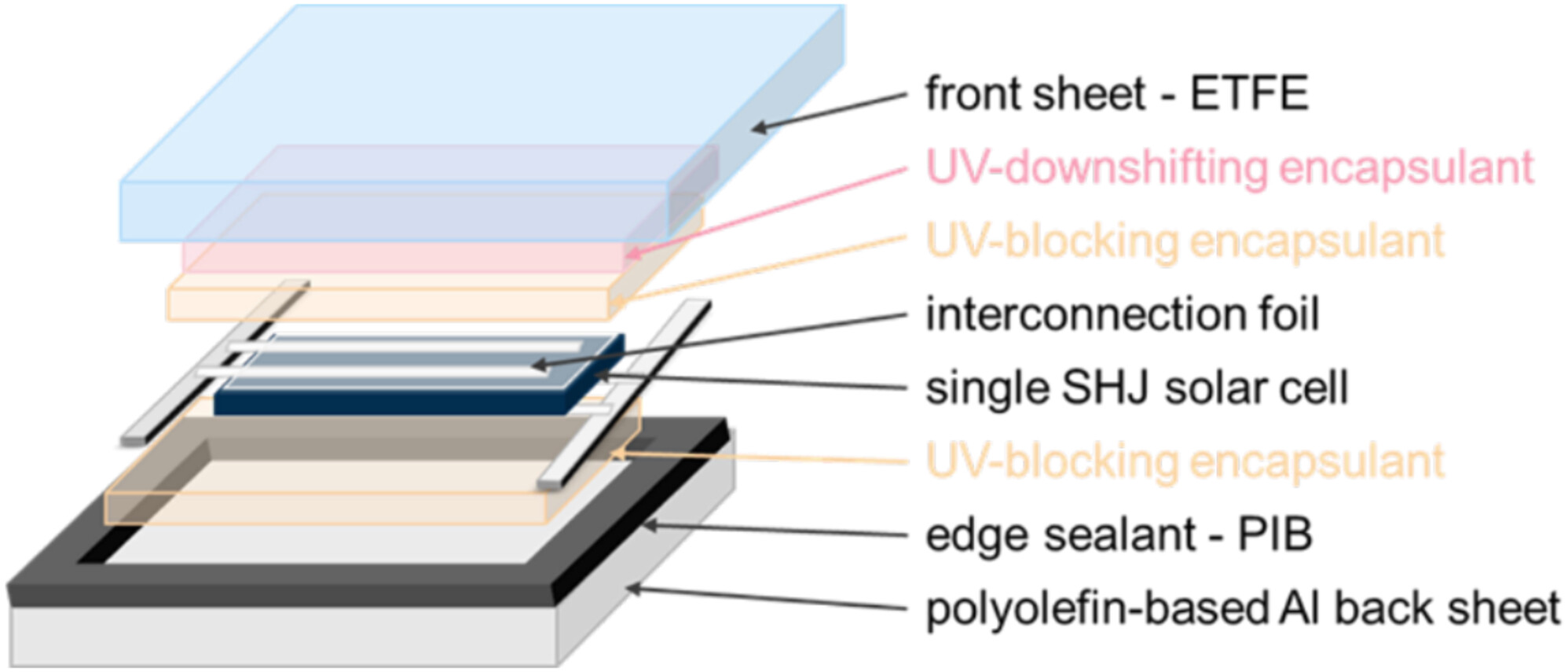
A German research team has investigated the UV-induced degradation (UVID) behavior of lightweight silicon heterojunction (HJT) solar modules utilizing encapsulants with different UV-transmission. Based on their findings, they have proposed a novel encapsulation architecture that combines UV-downshifting and UV-blocking encapsulants to ensure UV utilization and stability in lightweight SHJ solar modules.
“Solar modules featuring this innovative dual-layer structure preserved over 98% of their initial performance after 120 kWh/m2 of UV exposure, demonstrating a promising new approach for enhancing UV stability,” said corresponding author Kai Zhang to pv magazine. “In-depth investigation of the degradation mechanism of the downshifting effect and optimizing strategy will be investigated in our follow-up research.”The investigation started with the fabrication of lightweight HJT solar modules using several encapsulation materials with different ultraviolet transmission properties. All module configurations primarily employed 156.75 mm × 156.75 mm zero-busbar (0BB) bifacial monocrystalline n-type rear-junction HJT cells, with the encapsulant type as the main experimental variable. The modules also incorporated an ethylene tetrafluoroethylene (ETFE) front sheet and a polyolefin (PO)-based aluminum backsheet.