view more
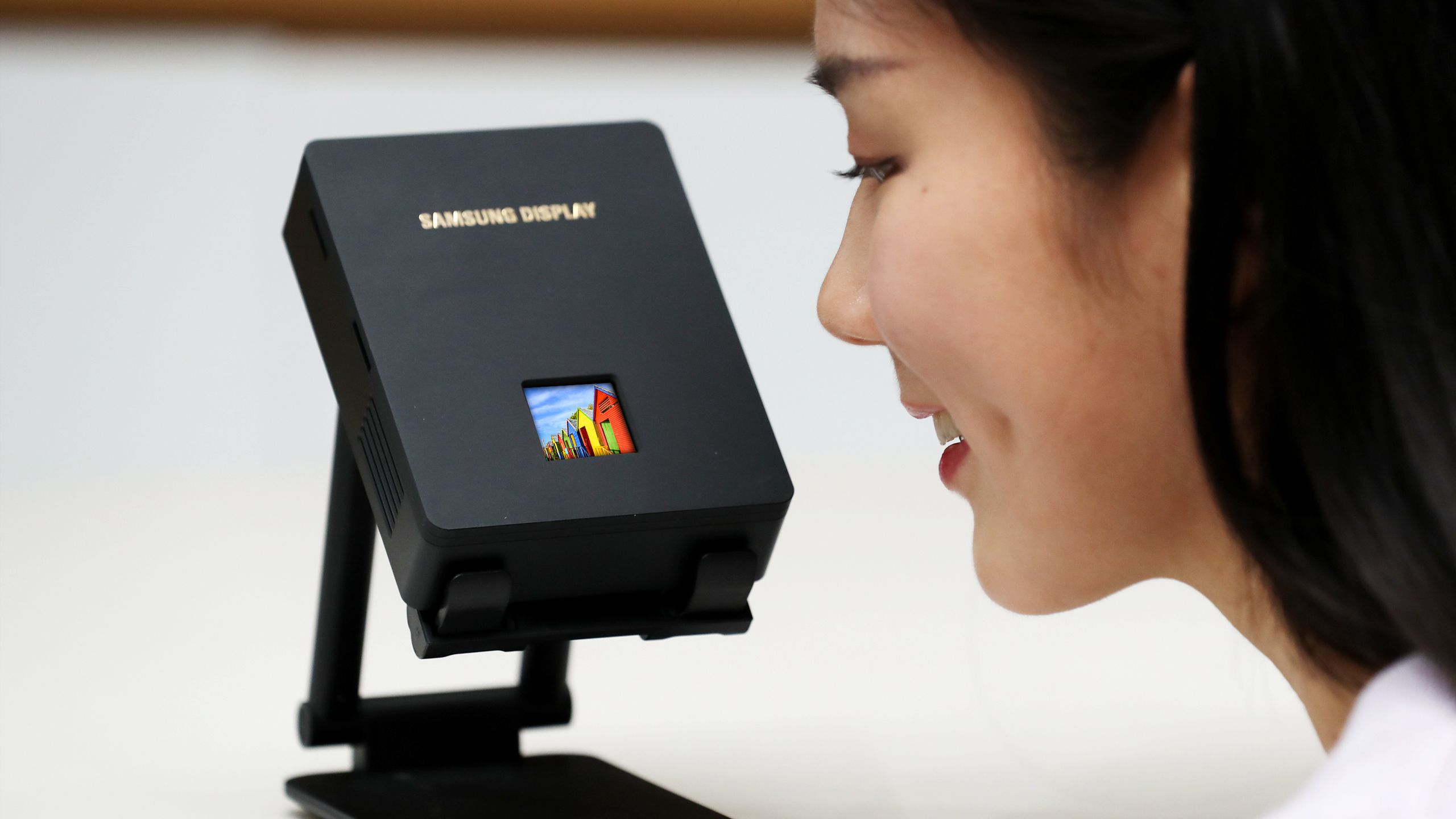
Since the first practical organic light-emitting diode (OLED) was developed in 1987 by Ching W. Tang and Steven A. VanSlyke at Eastman Kodak Company in the USA, OLED technology has come a long way. The original device used two thin organic layers to produce green light when electricity was applied, demonstrating that organic materials could be used to create practical light-emitting devices. Today, OLEDs are widely used in smartphone and television displays as well as lighting, with continuous improvements in efficiency and lifespan.
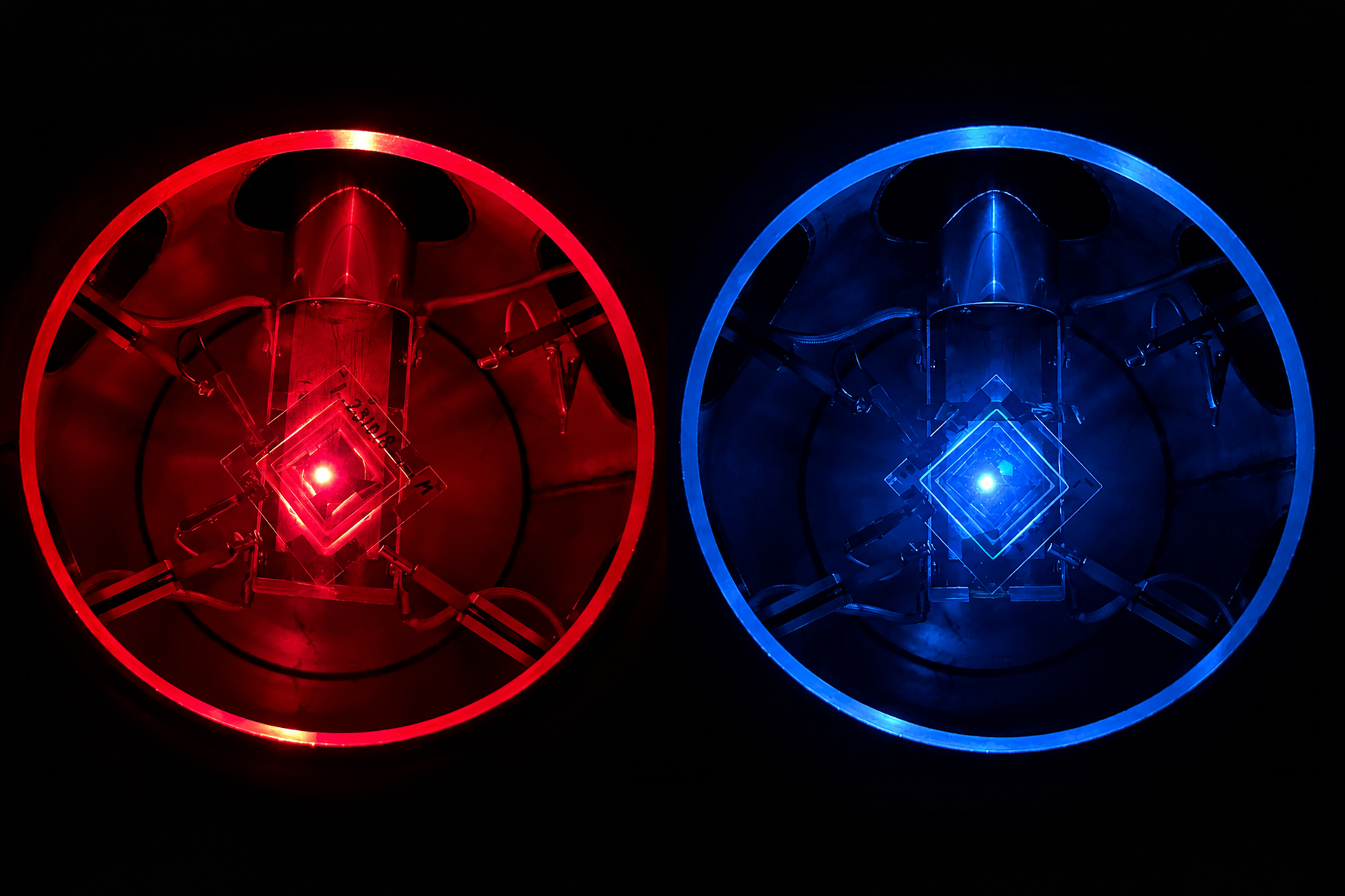
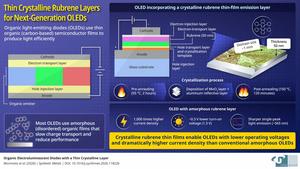
Now, researchers from the University of Toyama, Japan, led by Professor Masahiro Morimoto of the Academic Assembly Faculty of Engineering, along with Mr. Yuya Honda and Prof. Shigeki Naka from the same university, have advanced the technology further by developing an OLED that incorporates a crystalline rubrene thin film as its light-emitting layer. This paper was made available online on July 1, 2026, and will be published in Volume 320 of the journal Synthetic Metals on August 01, 2026.
Rubrene is an organic semiconductor that can transport electrical charges much more efficiently in its crystalline form. However, when deposited as a thin film using the conventional vacuum evaporation process used to manufacture OLEDs, it forms a disordered (amorphous) structure in which electrical charges move much less efficiently.