Nanocrystals have become an important part of modern materials science, with quantum dots helping inspire the 2023 Nobel Prize in Chemistry. Yet despite their enormous potential, researchers have only been able to produce these microscopic crystals from a relatively narrow range of materials.
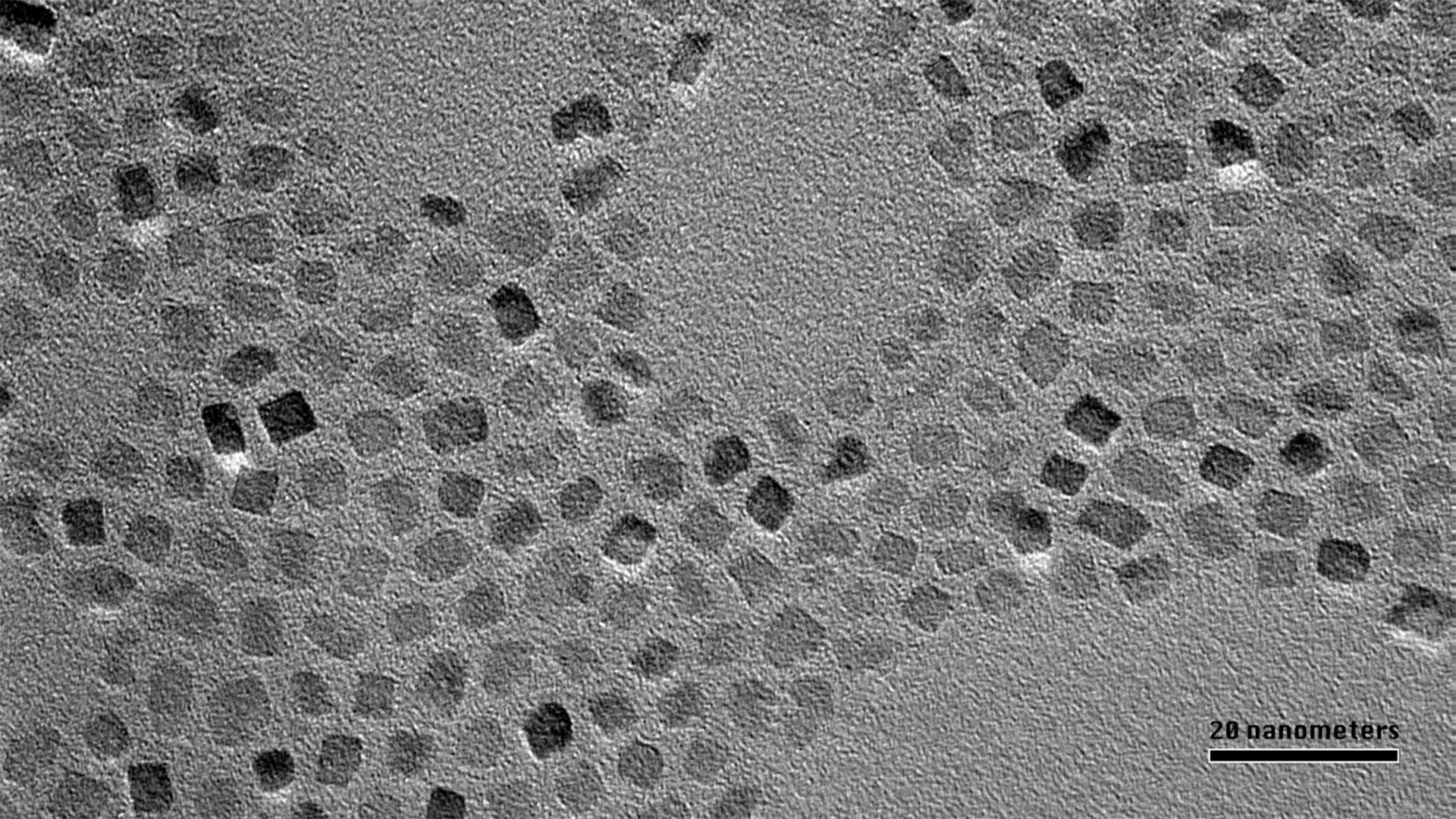
Now, chemists at the University of Chicago and Argonne National Laboratory have developed a method for creating nanocrystals from metal nitrides, a technologically important group of materials that had resisted conventional nanocrystal synthesis. The study, published in Nature, could expand the possibilities for electronics and other applications, including flexible lighting and medical implants.
"We were able to show how to make a series of nearly a dozen materials that could not be synthesized by traditional methods," said Ruiming Lin, a graduate student at UChicago and first author on the new paper.
Unlocking Metal Nitride Nanocrystals
Metal nitrides are already widely used across technology and manufacturing. Gallium nitride, for example, is found in much of today's lighting technology, from LED bulbs to laptop displays.