Insider Brief
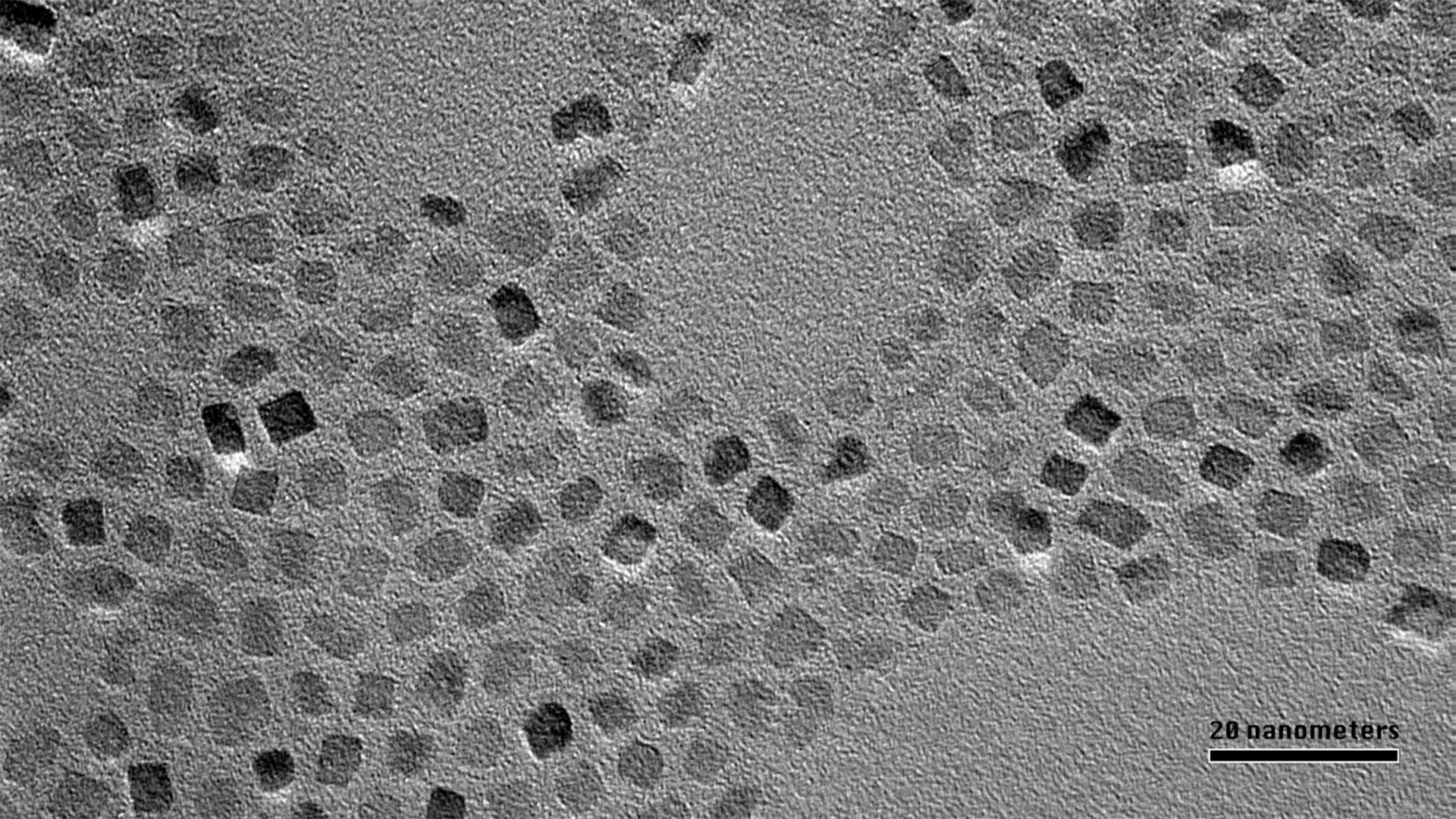
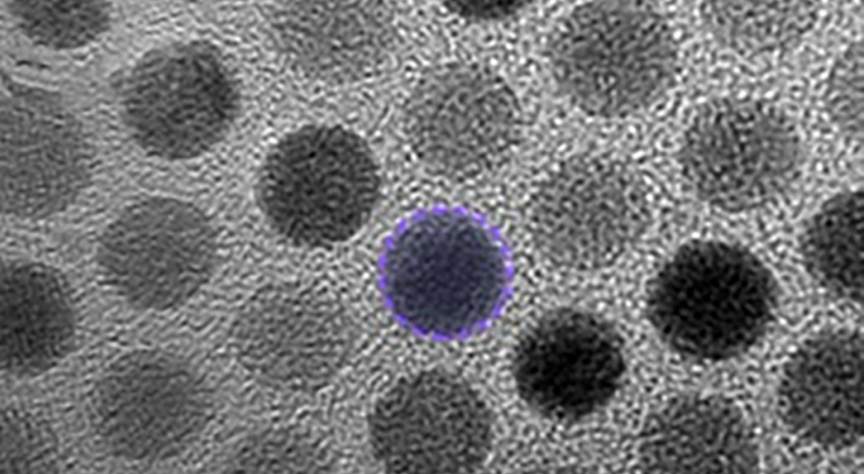
Researchers from Brown University and the University of Michigan stabilized a previously theoretical intermediate phase between FCC and BCC crystal structures using silver nanoparticle superlattices.
The nanoparticle structures enabled direct observation of transitional crystal phases predicted by the Nishiyama-Wassermann pathway that had not previously been stabilized in a material.
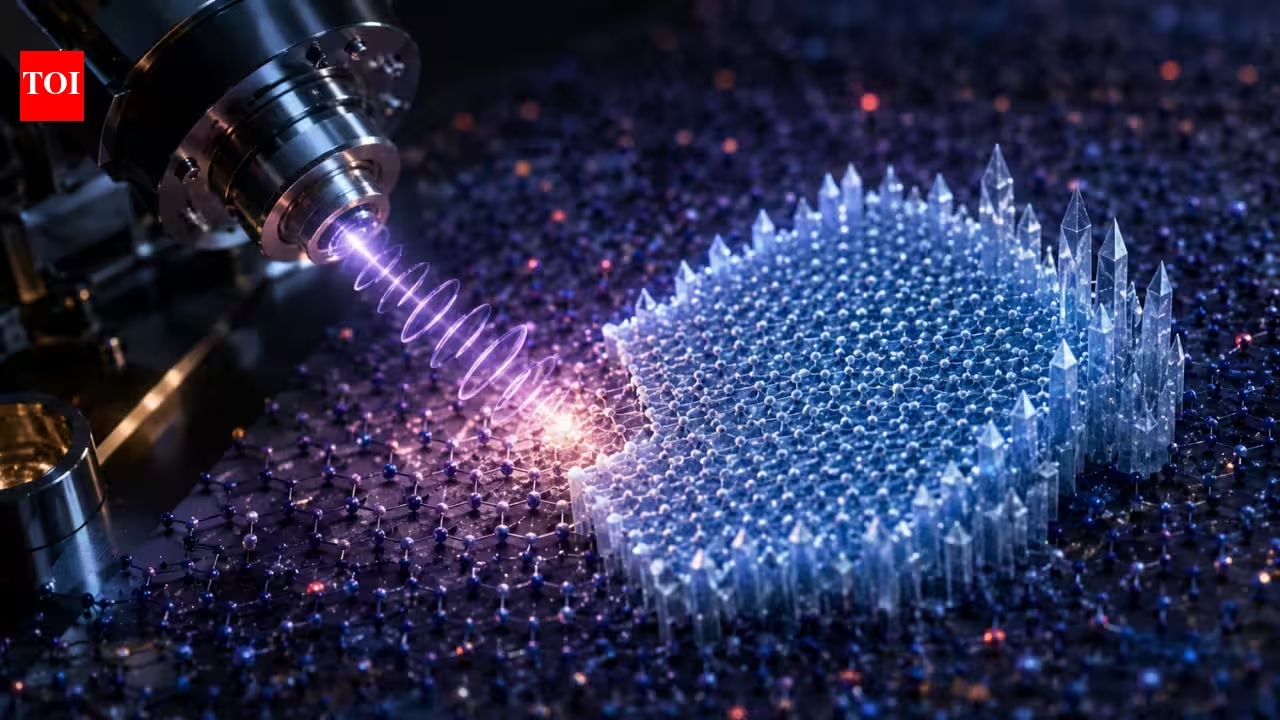
The new material exhibited room-temperature quantum optical behavior associated with deep-strong light-matter coupling, which could be relevant for future quantum technologies.
PRESS RELEASE — Using finely tuned nanoscale building blocks, researchers from Brown University and the University of Michigan College of Engineering have stabilized a fleeting structural phase of matter that had been predicted theoretically but never before stabilized in a physical material.