For decades, cobalt has been considered one of the best understood magnetic metals. Its crystal structure and basic properties have been studied extensively, leading scientists to believe there were few surprises left to uncover. But new research has revealed that this familiar element harbors an unexpectedly complex quantum landscape hidden within its electronic structure.
An international team led by Dr. Jaime Sánchez-Barriga of Helmholtz-Zentrum Berlin (HZB) discovered that cobalt contains a rich network of topological electronic states that remain stable even at room temperature. The findings challenge long-held assumptions about the metal and suggest it could play an important role in future electronic and spin-based technologies.
Advanced Measurements Reveal Hidden Quantum Features
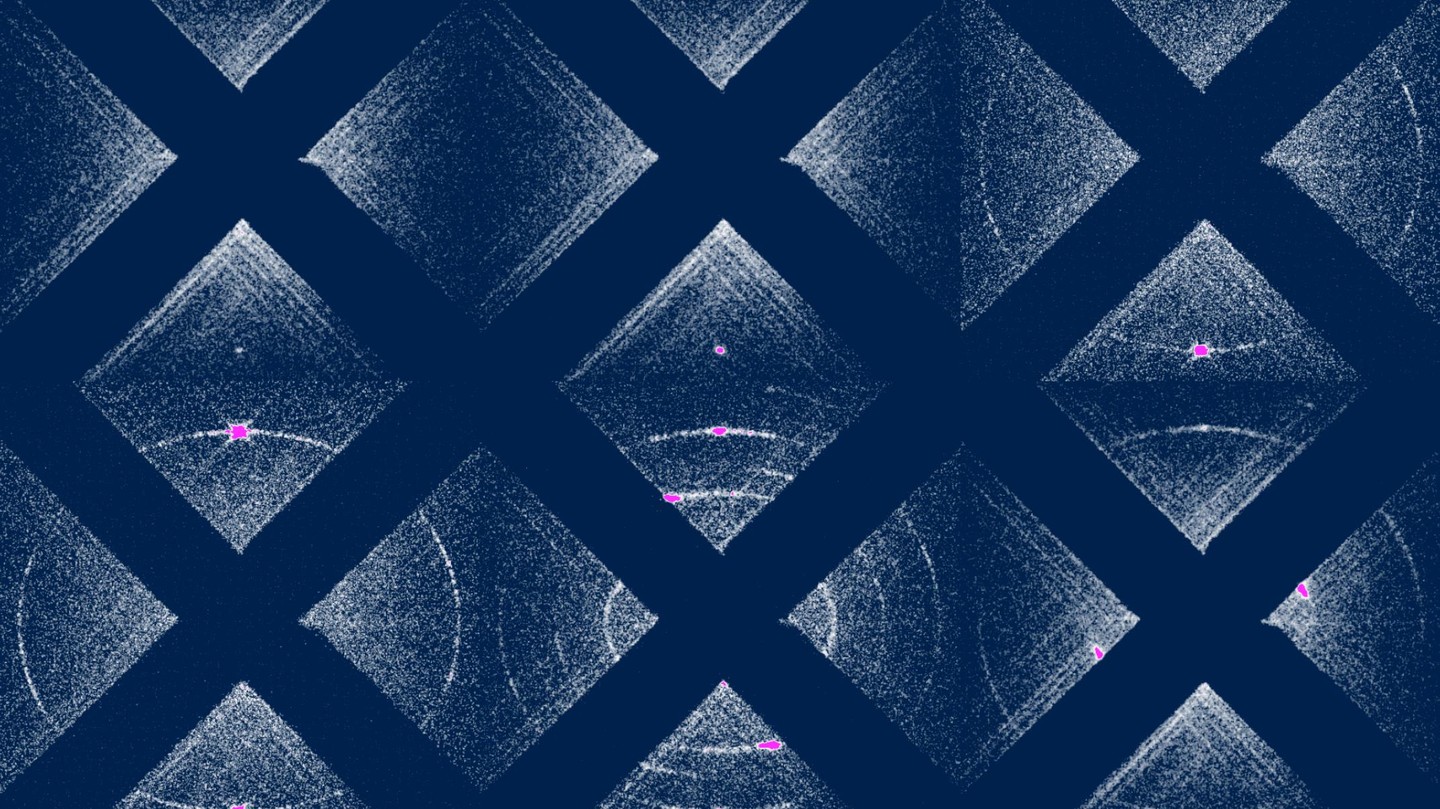
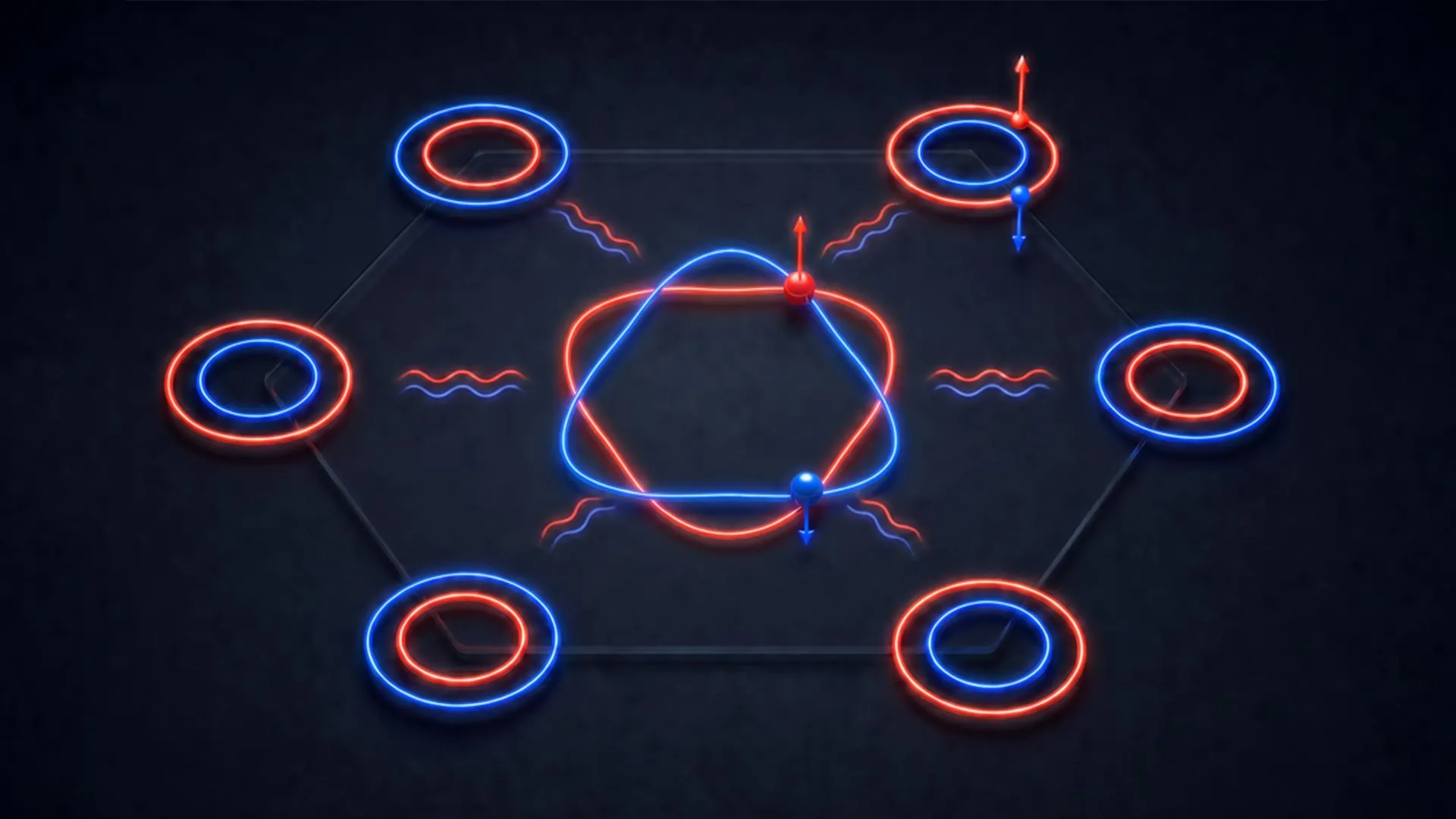
The researchers used spin- and angle-resolved photoemission spectroscopy (spin-ARPES) at the BESSY II synchrotron radiation facility to examine cobalt's electronic structure in unprecedented detail. Their measurements uncovered a dense network of magnetic nodal lines, which are special topological band crossings where two spin-polarized electronic states intersect continuously without forming an energy gap.