Insider Brief
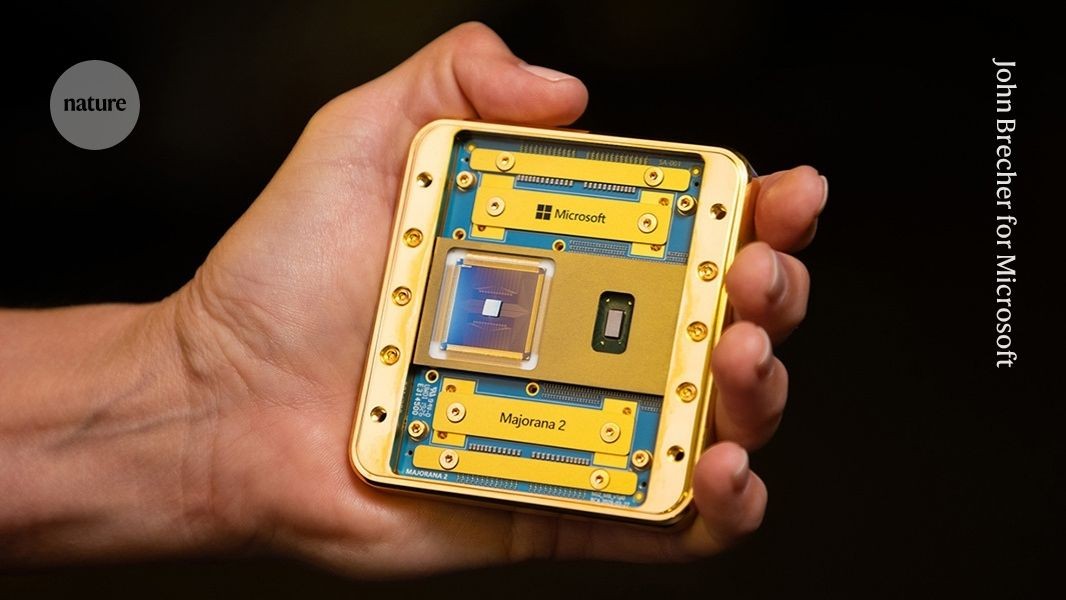
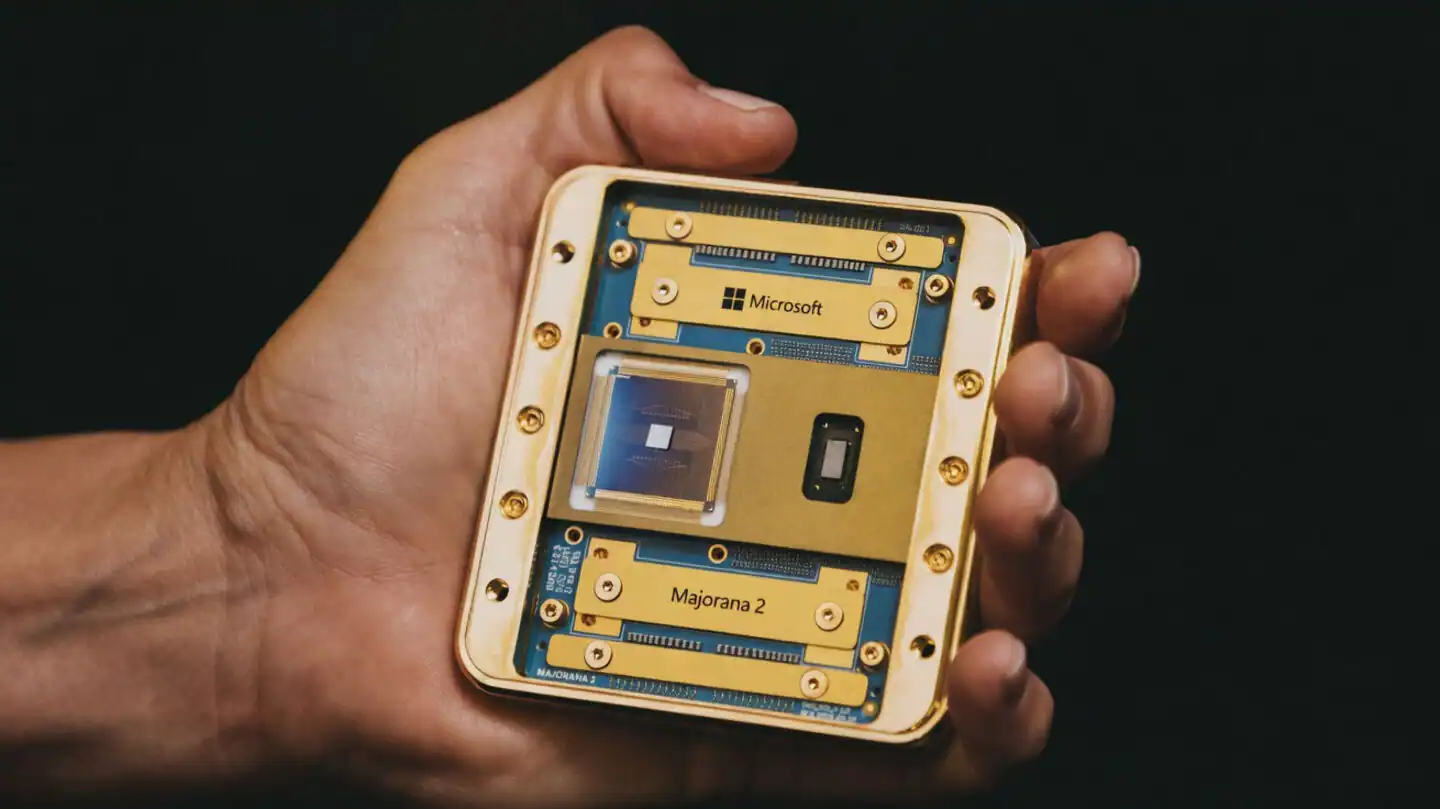
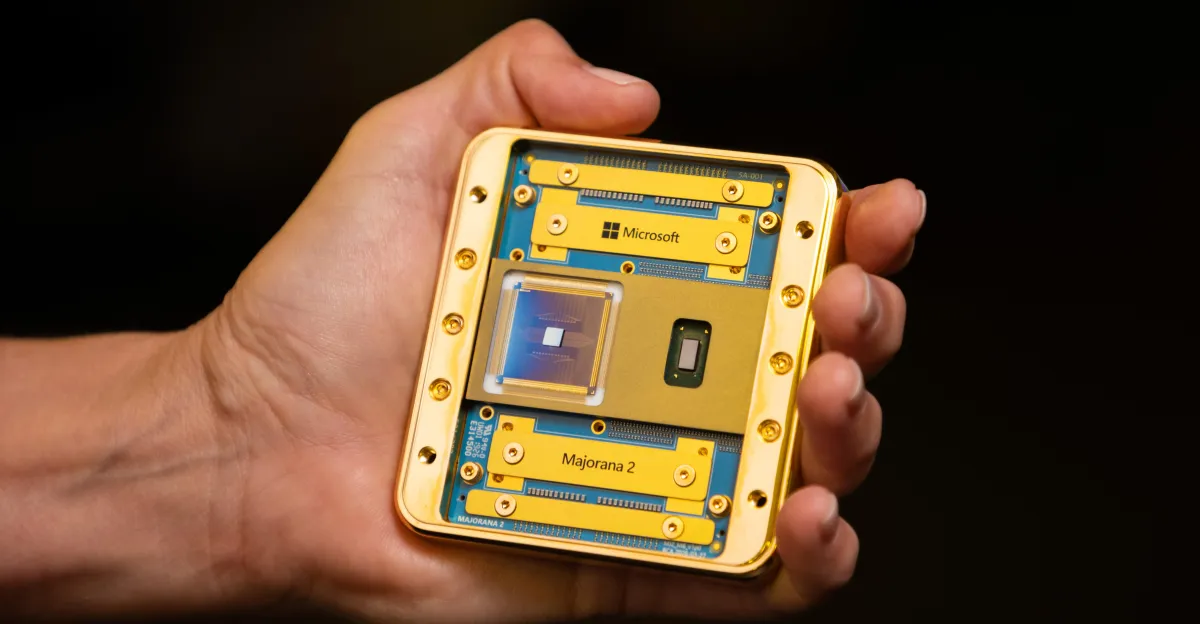
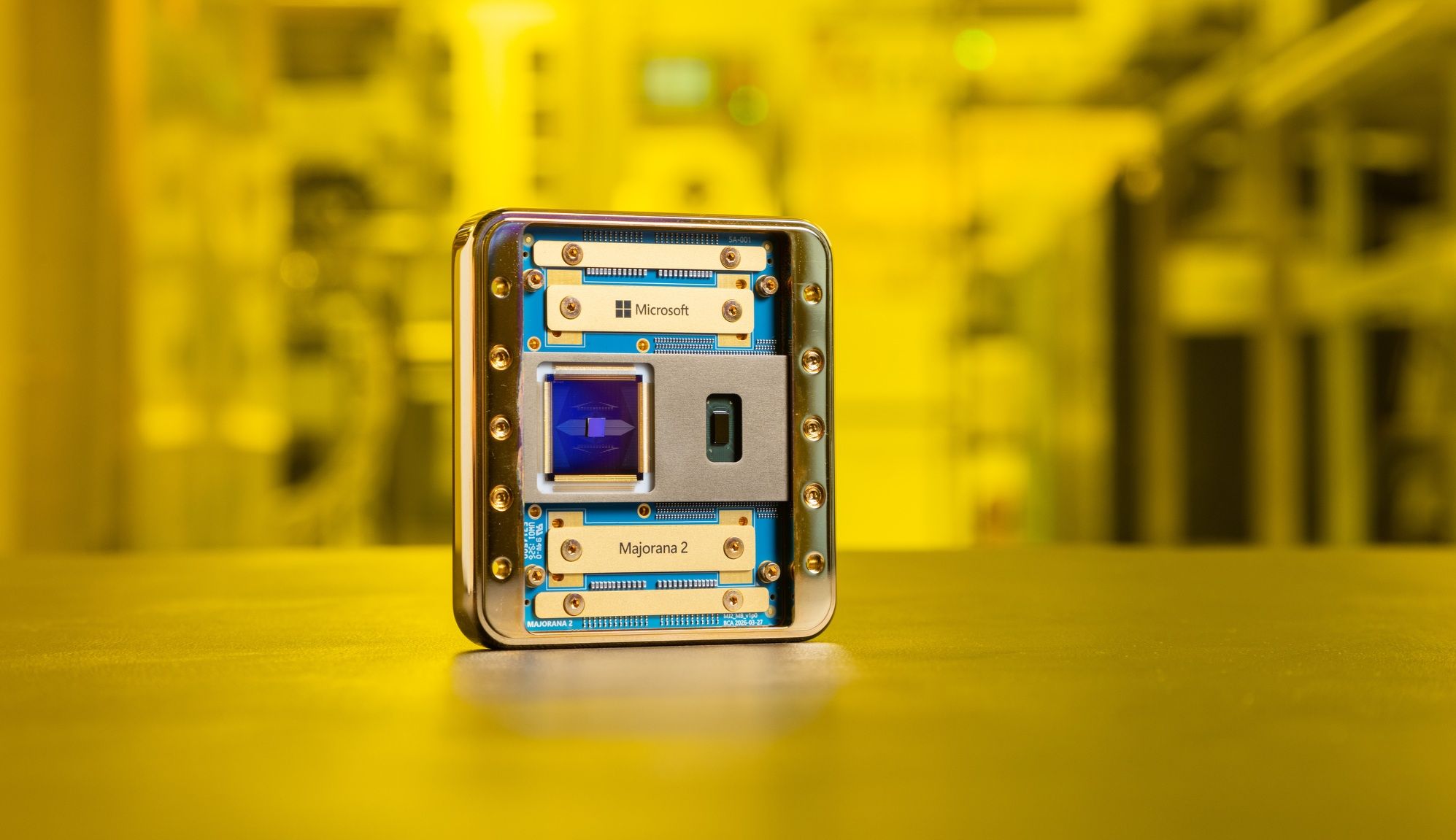
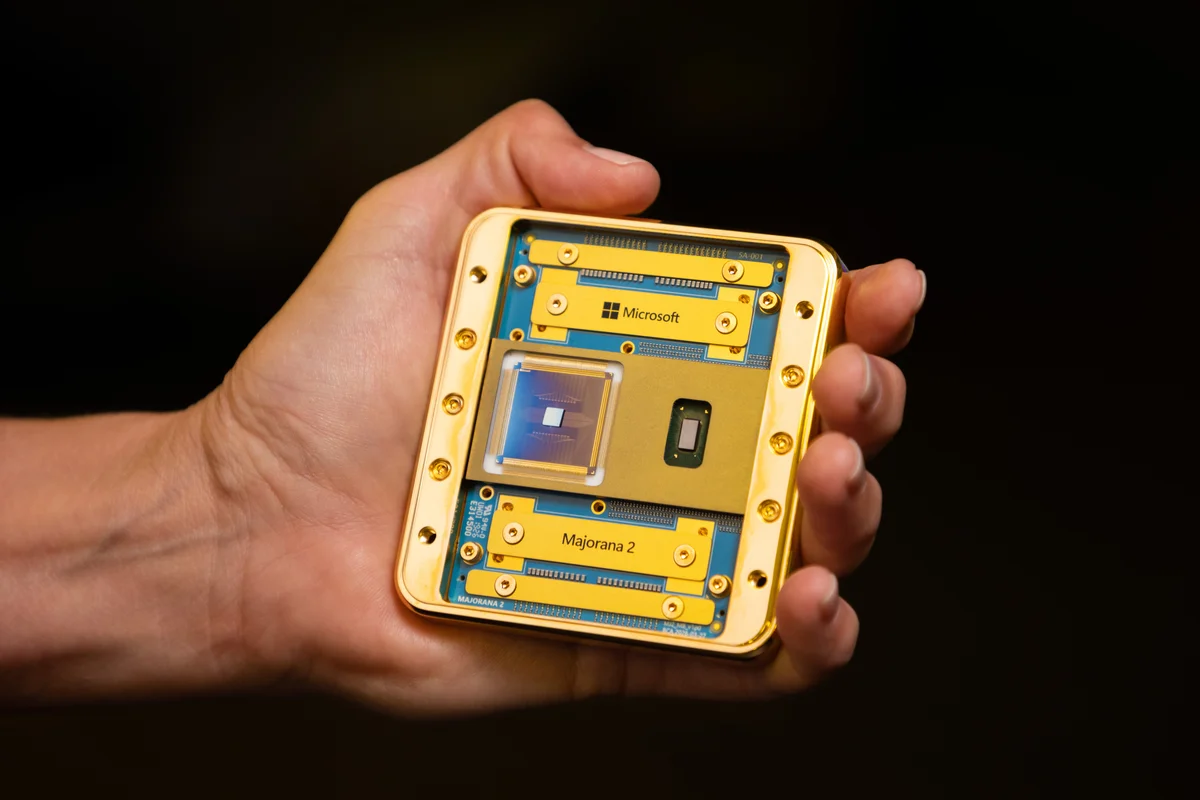
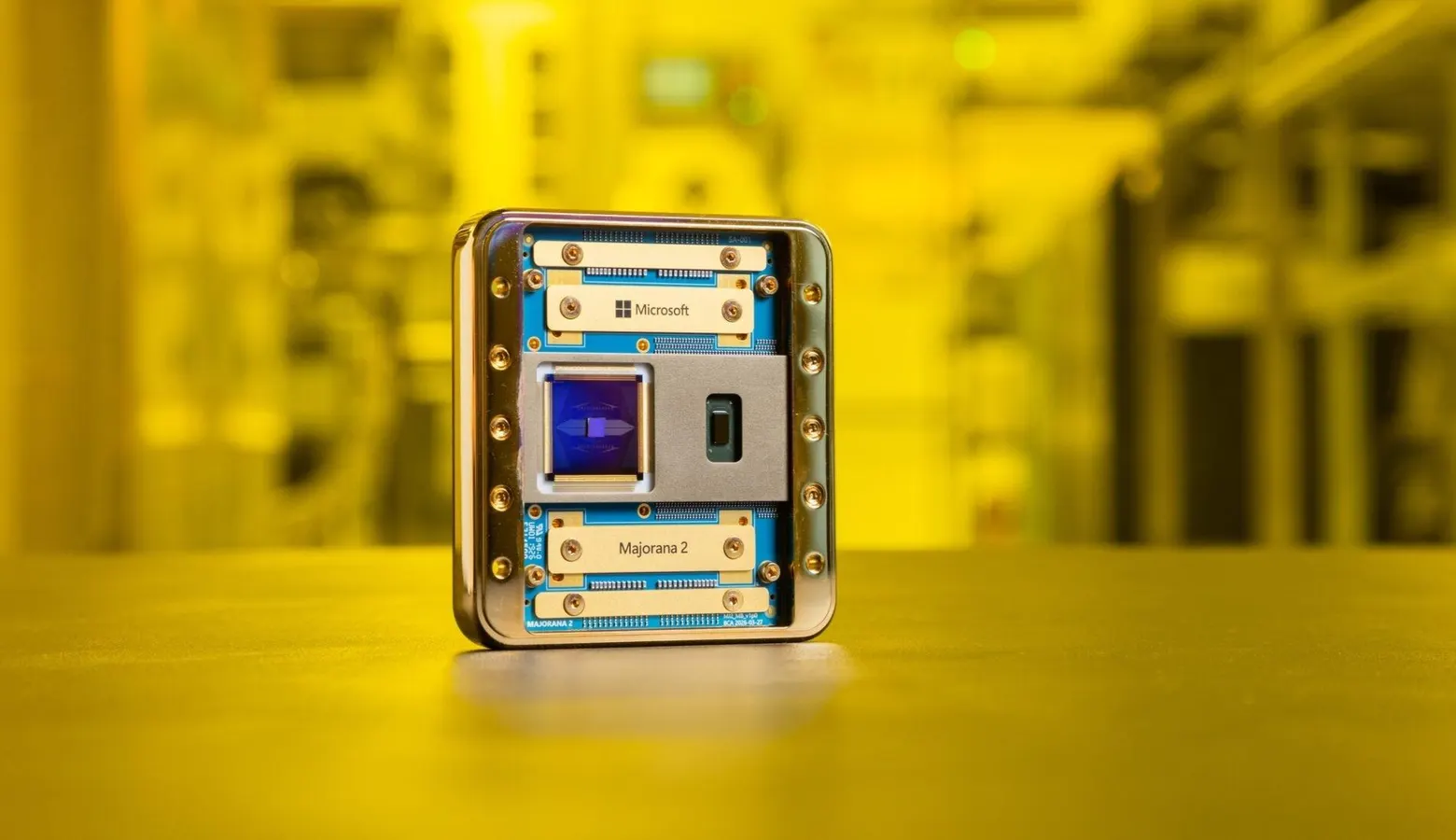
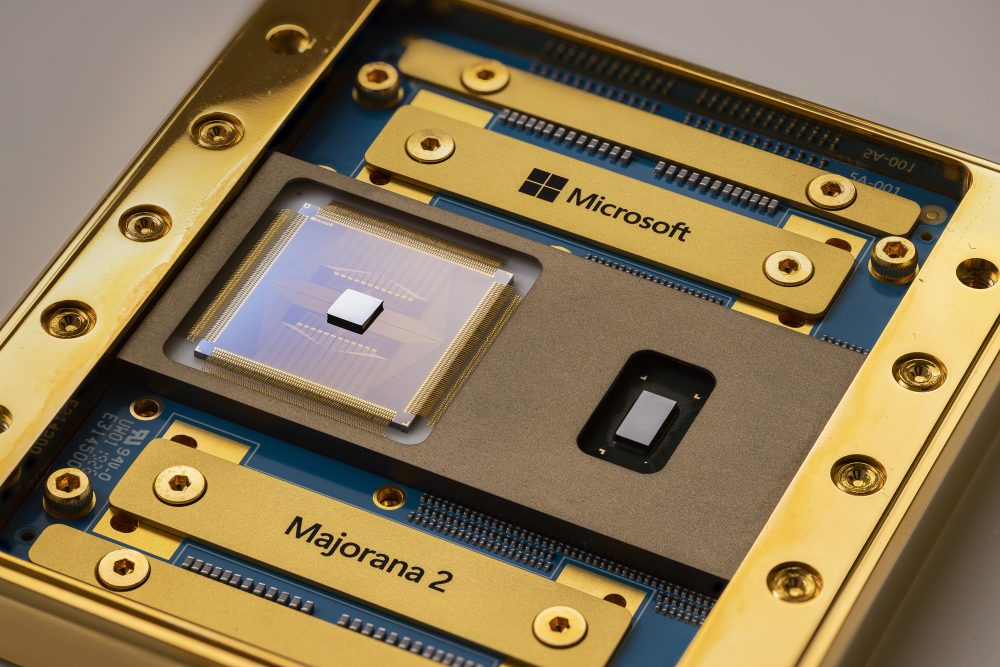
Microsoft reported that its Majorana 2 processor achieved topological qubit lifetimes exceeding 20 seconds, more than 1,000 times longer than earlier devices, supporting its goal of building a scalable quantum computer by 2029.
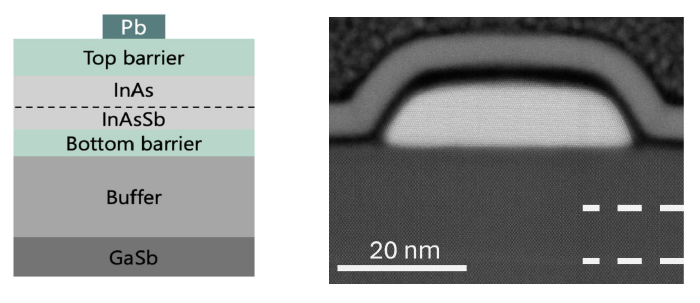
The company improved performance by replacing aluminum with lead in its superconducting material stack and redesigning the semiconductor structure, more than doubling the topological gap that helps protect qubits from errors.
The results, published amid continued scrutiny of Microsoft’s topological quantum computing approach, were presented as evidence that larger topological gaps can significantly improve qubit stability and support future fault-tolerant quantum systems.
Microsoft is reporting that it has achieved a more than 1,000-fold improvement in the stability of its topological qubits, a result the company argues brings its long-debated quantum computing approach significantly closer to practical machines and supports a roadmap targeting a scalable quantum computer by 2029.