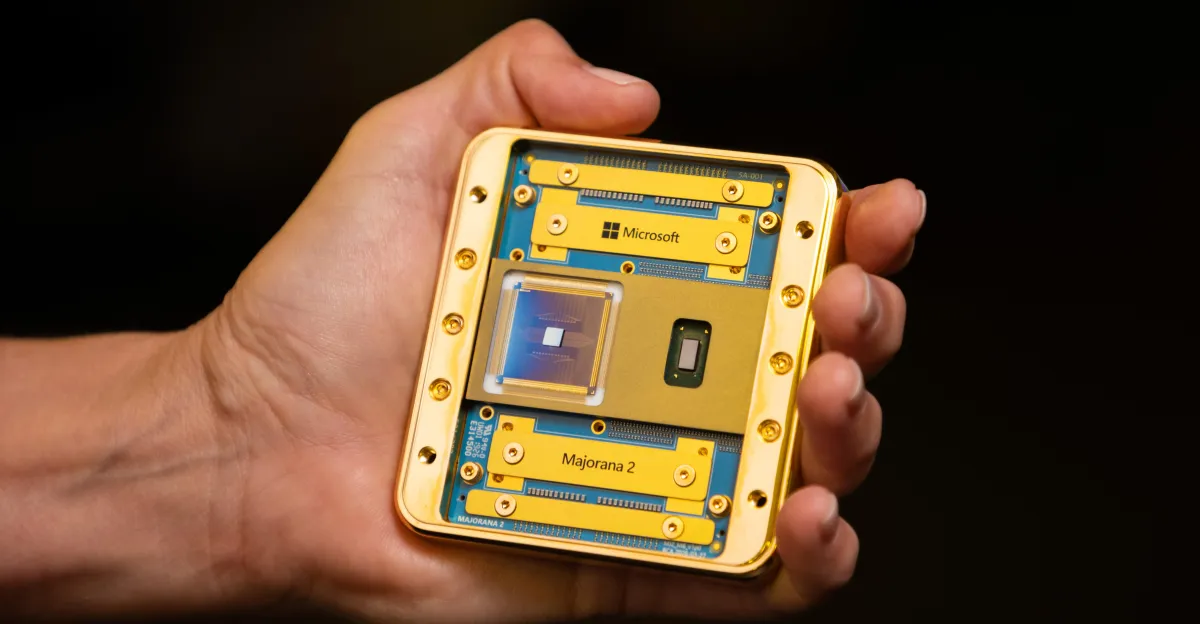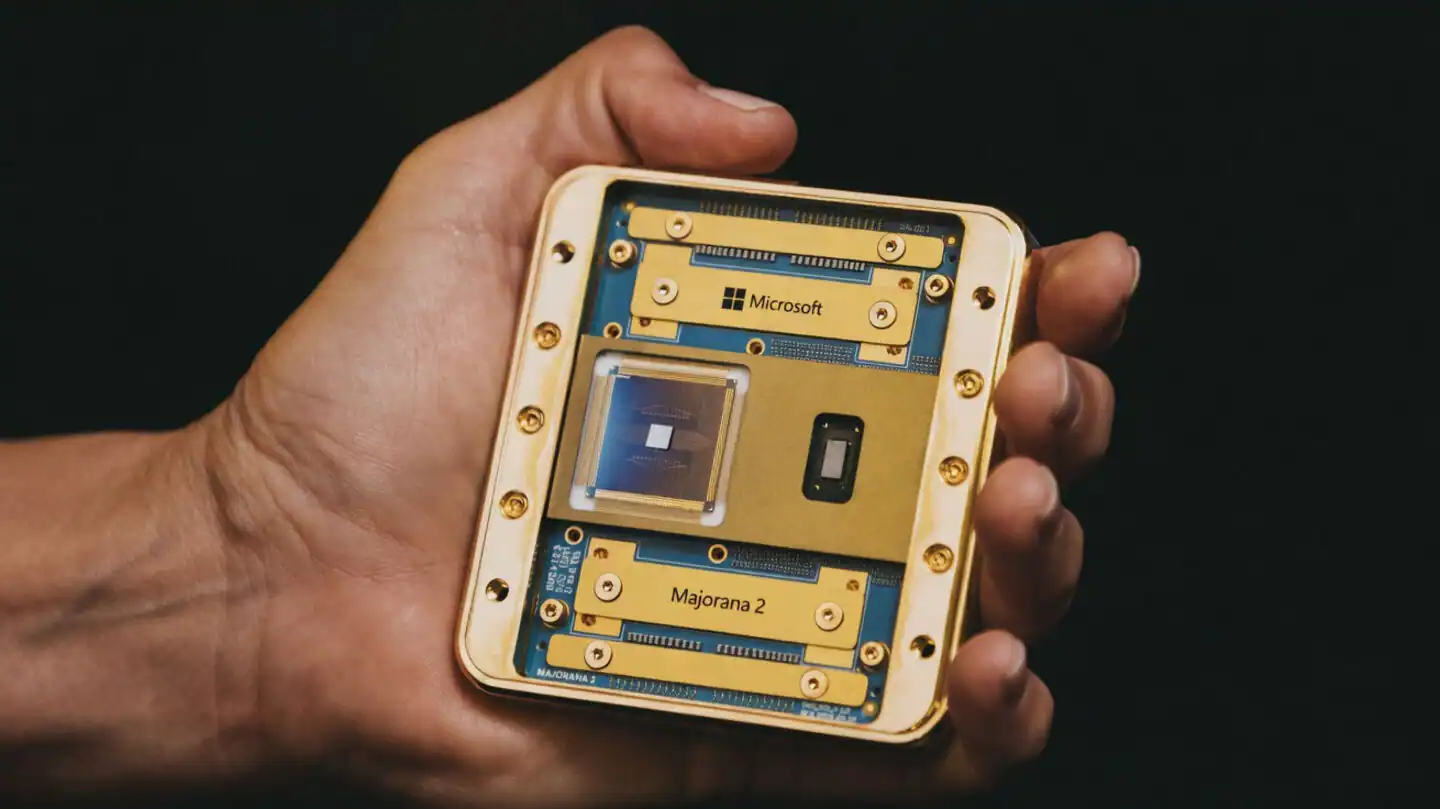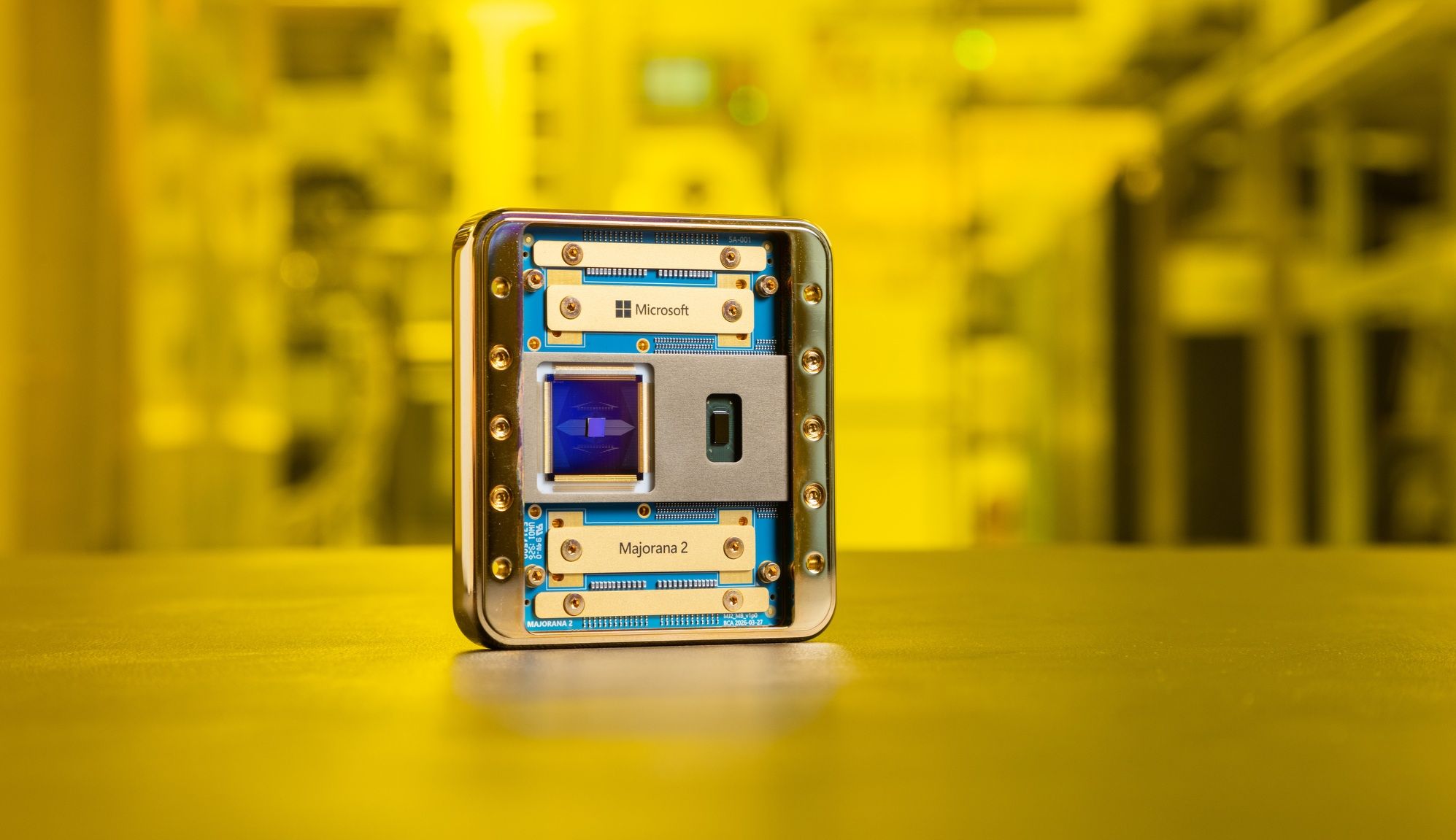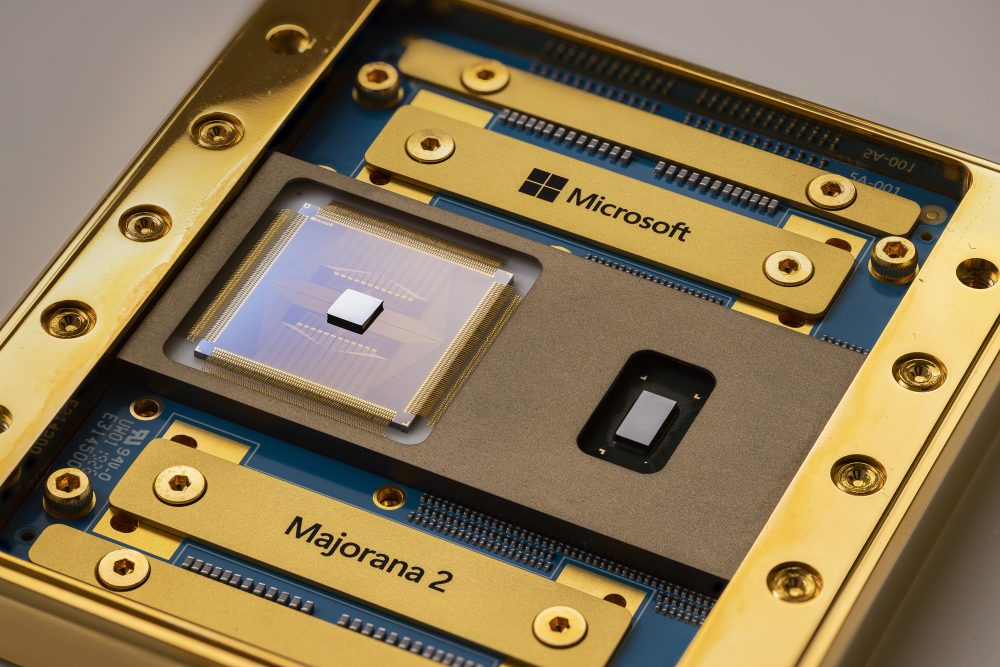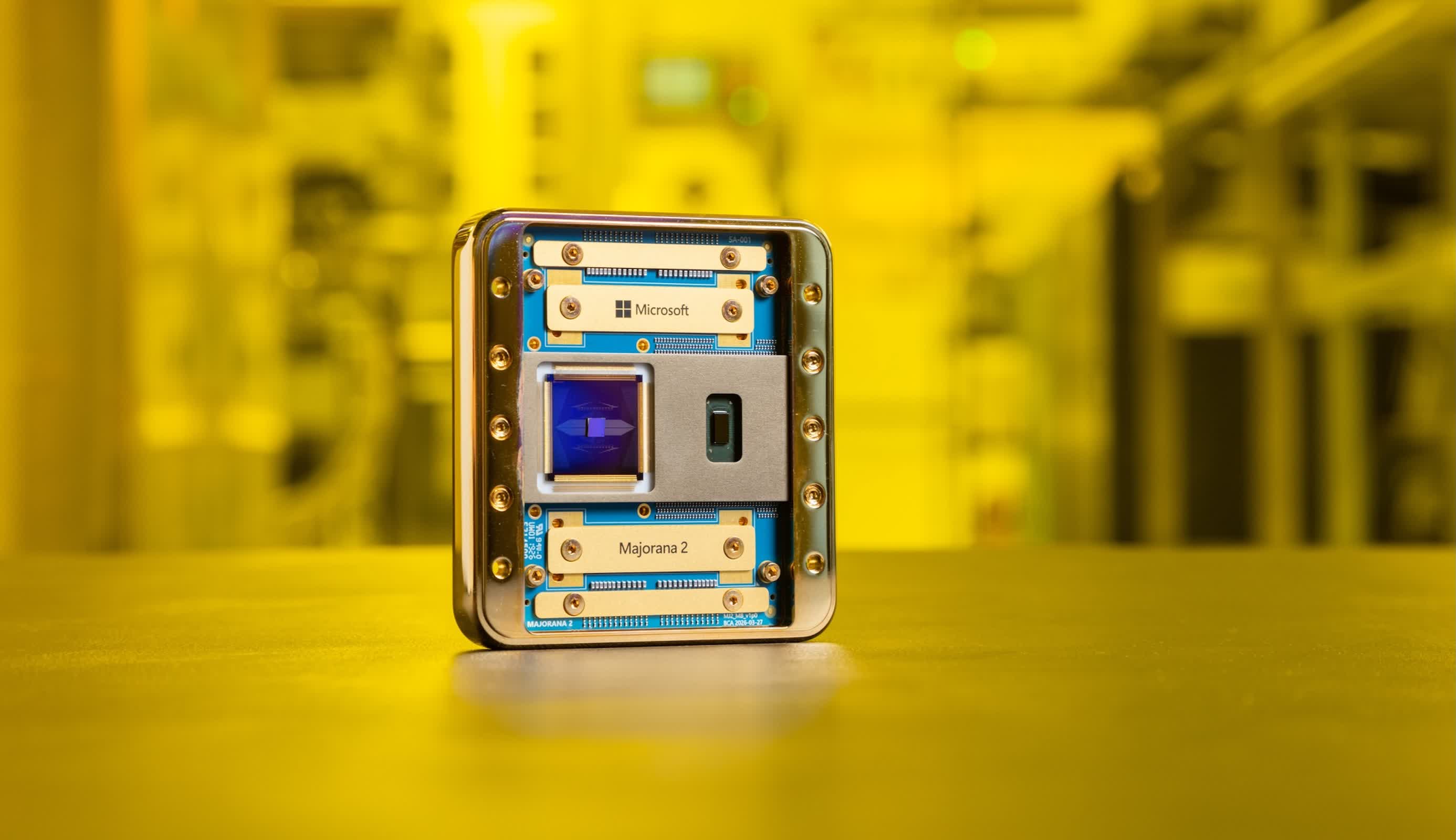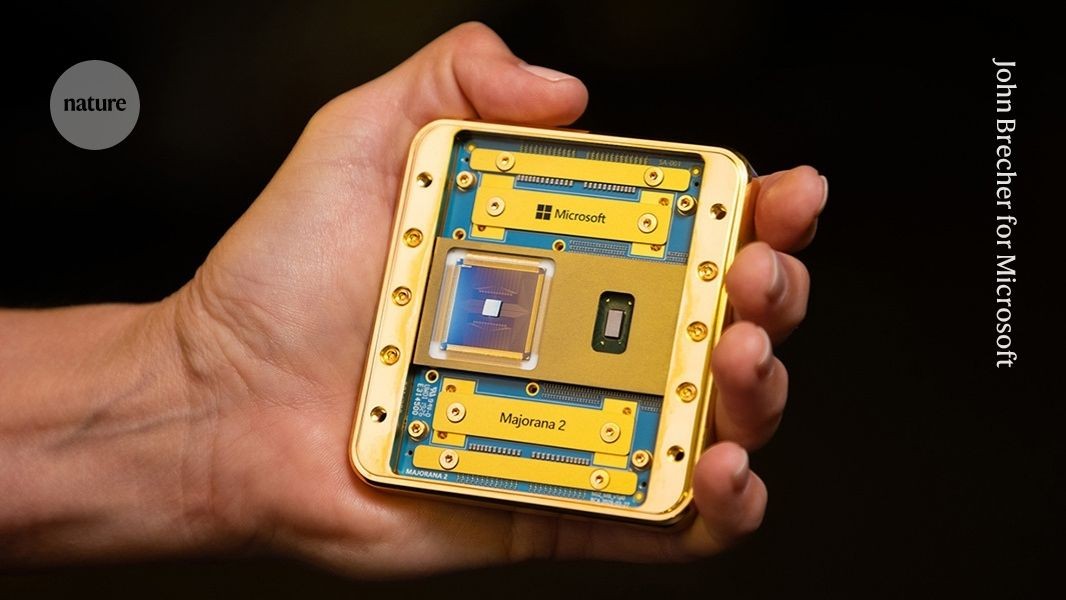
TL;DRMicrosoft unveiled Majorana 2, a quantum chip with qubits 1,000x more reliable than its predecessor, achieving a mean 20-second lifetime versus microseconds for competitors. Agentic AI via Microsoft Discovery accelerated the development, and Microsoft now targets a scalable quantum computer by 2029, halving its original timeline.
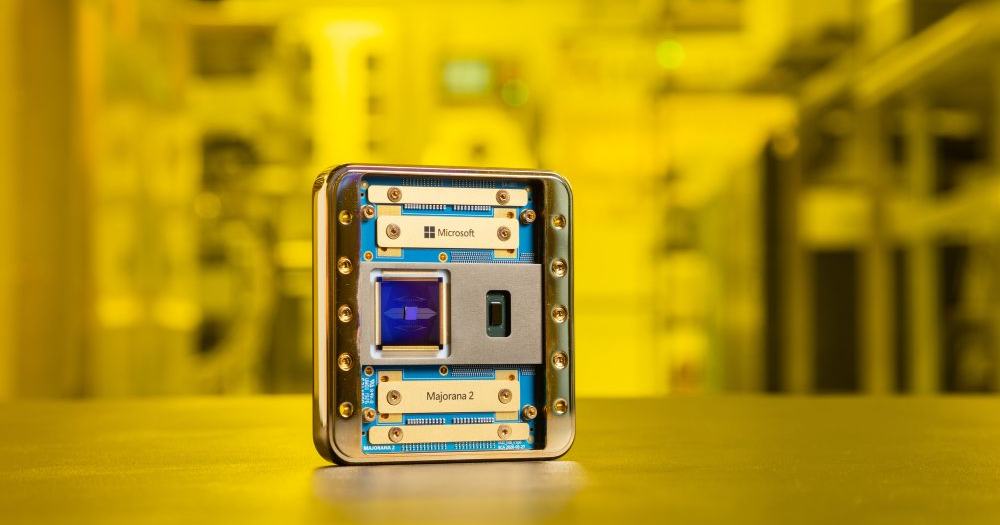
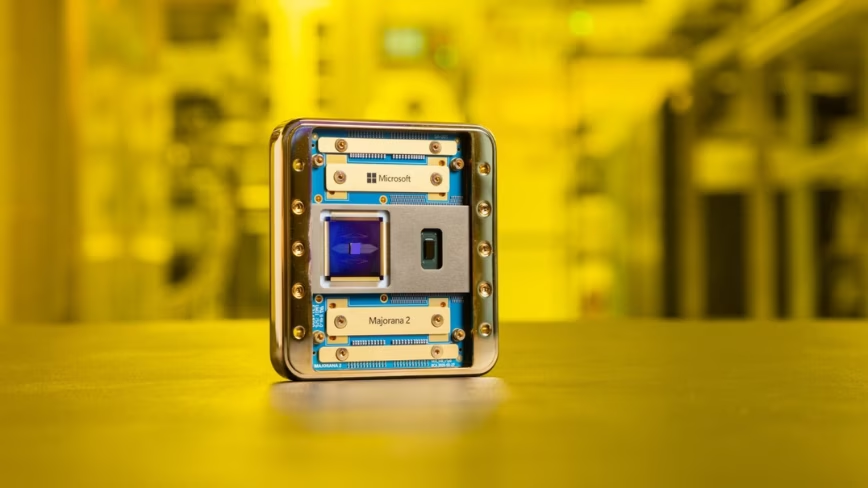
Microsoft has unveiled Majorana 2, a next-generation topological quantum chip whose qubits are 1,000 times more reliable than those in the first Majorana chip introduced last year. The improvement is so significant that Microsoft has cut its timeline for achieving a scalable quantum computer from 2033 to 2029, halving the original target. The company credits agentic AI, deployed through its Microsoft Discovery research platform, with accelerating the materials science, fabrication optimisation, and measurement automation that made the leap possible.
The numbers are striking. Majorana 2’s qubits maintain their quantum state for a mean lifetime of 20 seconds, with some instances lasting as long as one minute. Most competing quantum approaches measure qubit lifetimes in microseconds. Microsoft’s analogy: it is roughly comparable to a phone battery that lasts three years on a single charge instead of dying in a day. Combined with one-microsecond operations and a qubit size of 1/100th of a millimetre, the chip puts Microsoft on what it describes as a path to commercially valuable quantum computing by the end of the decade.