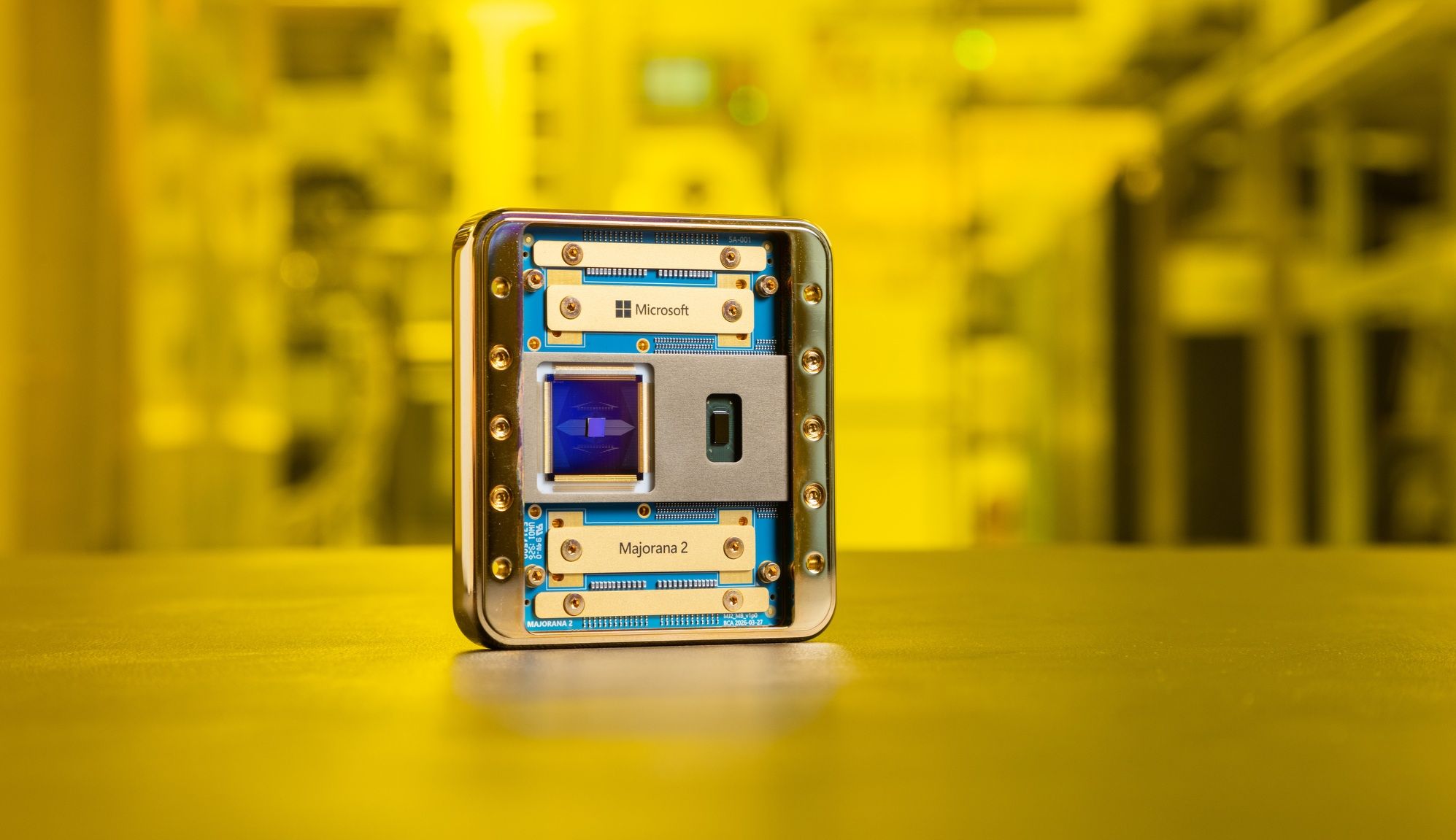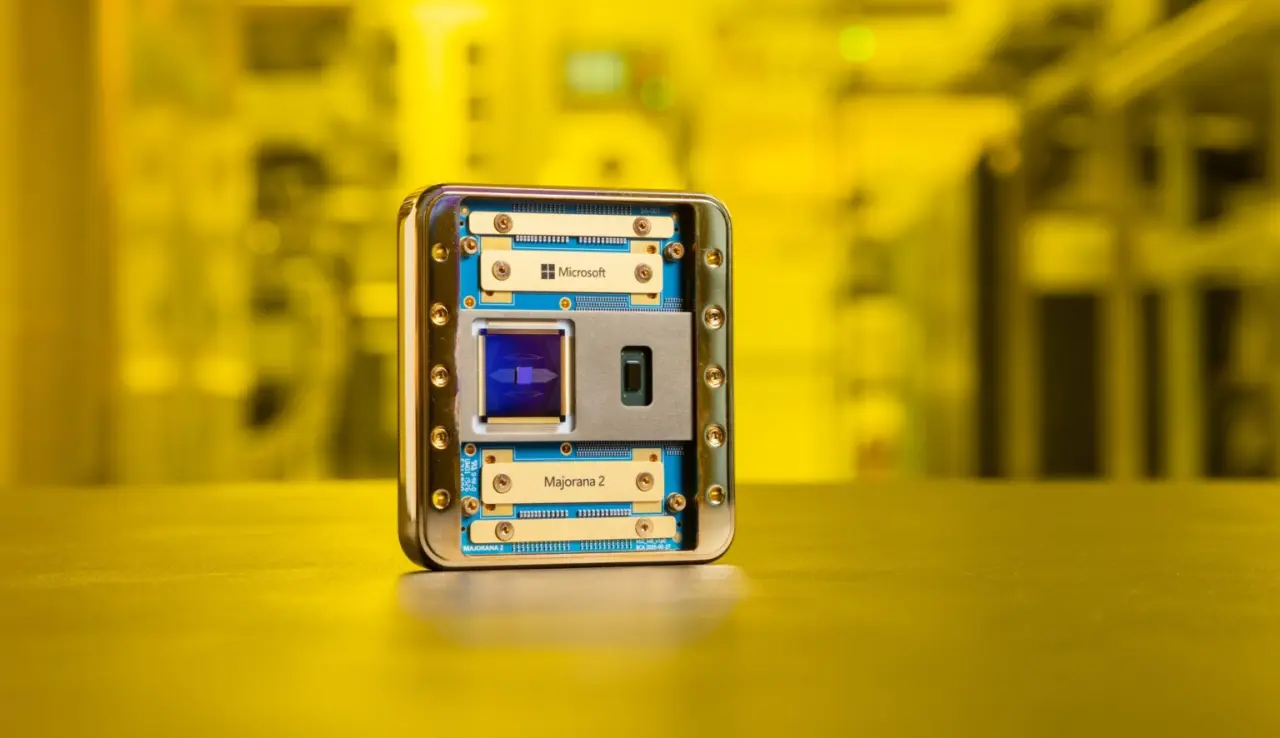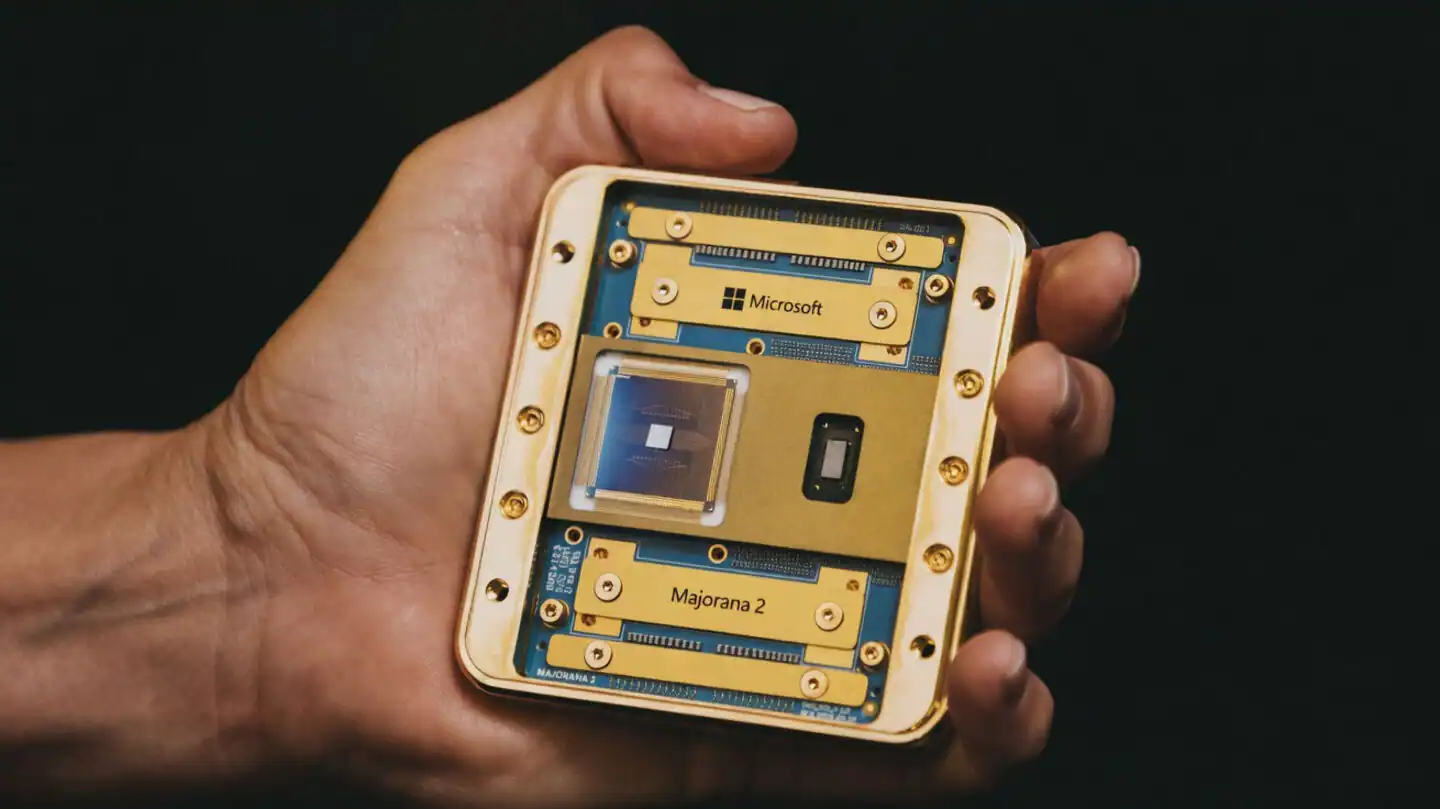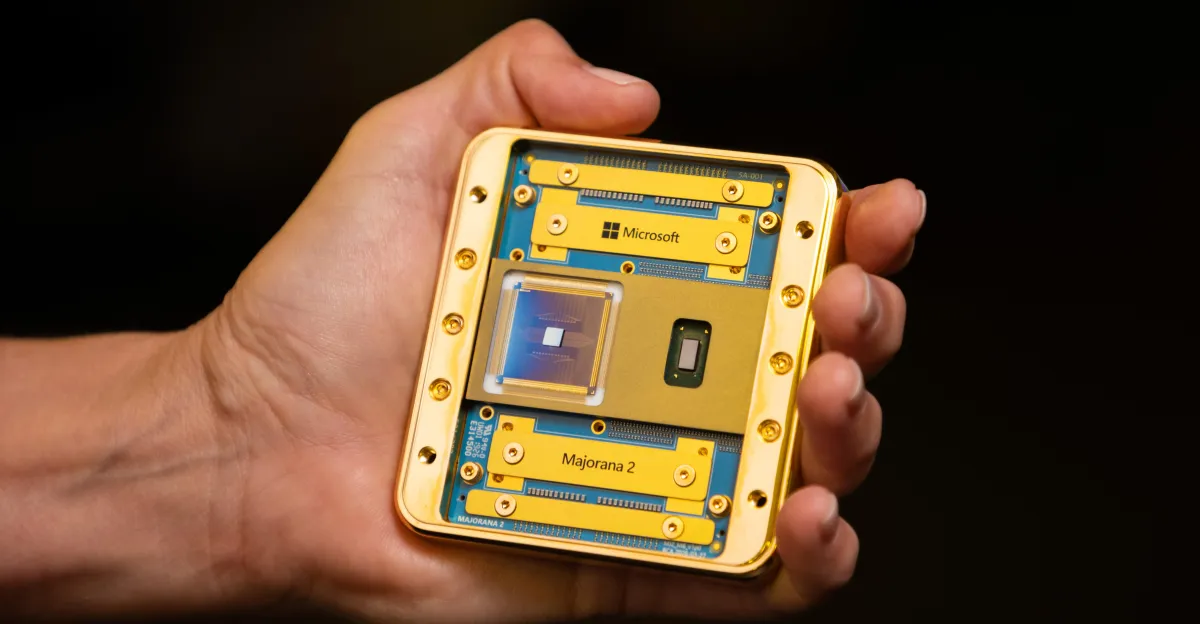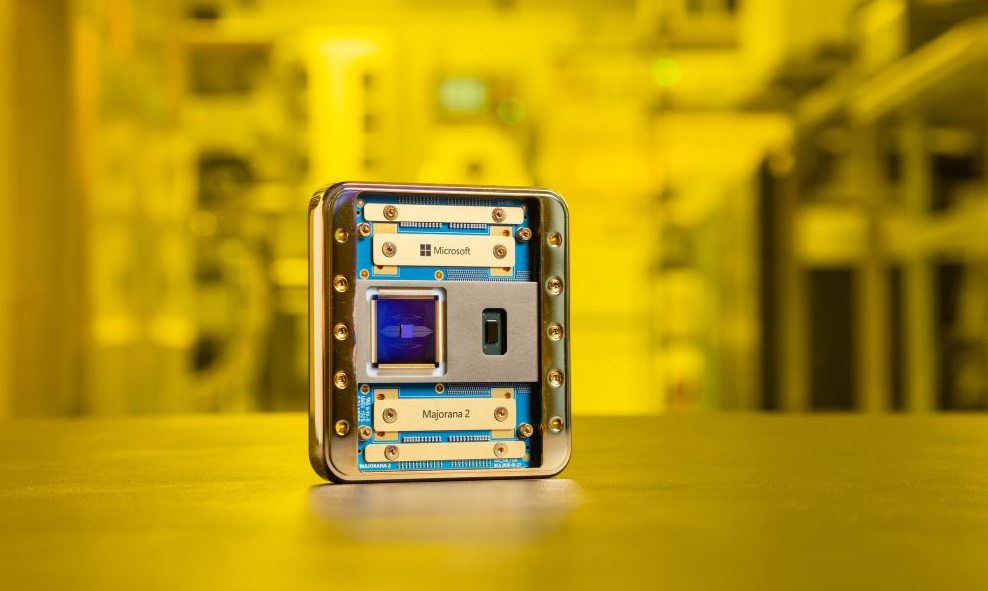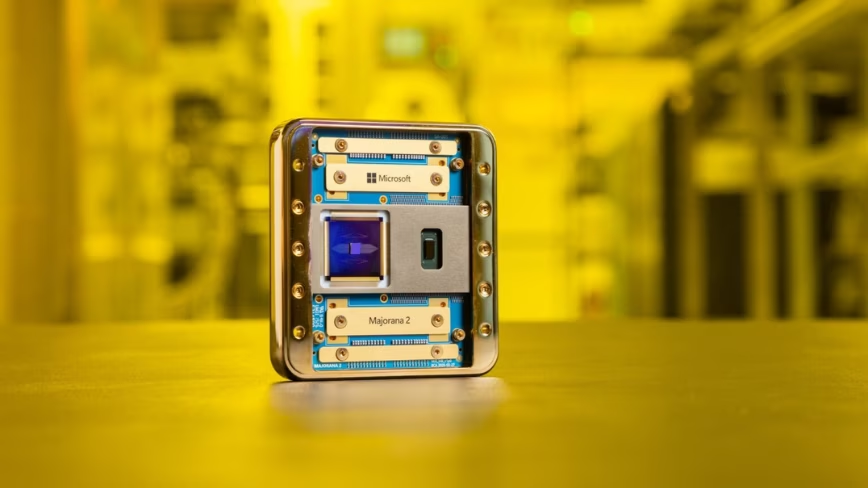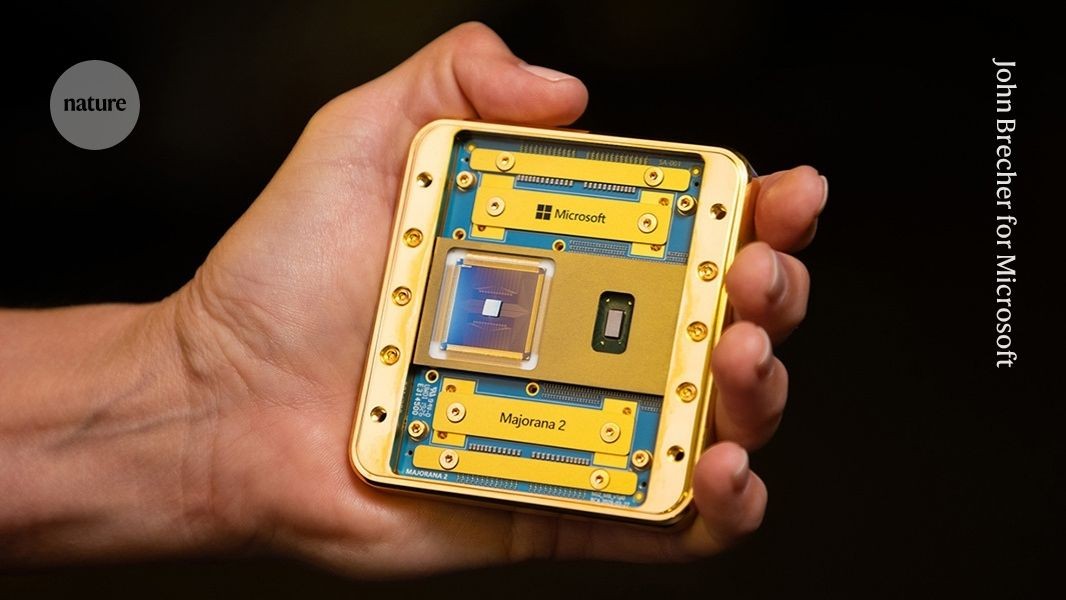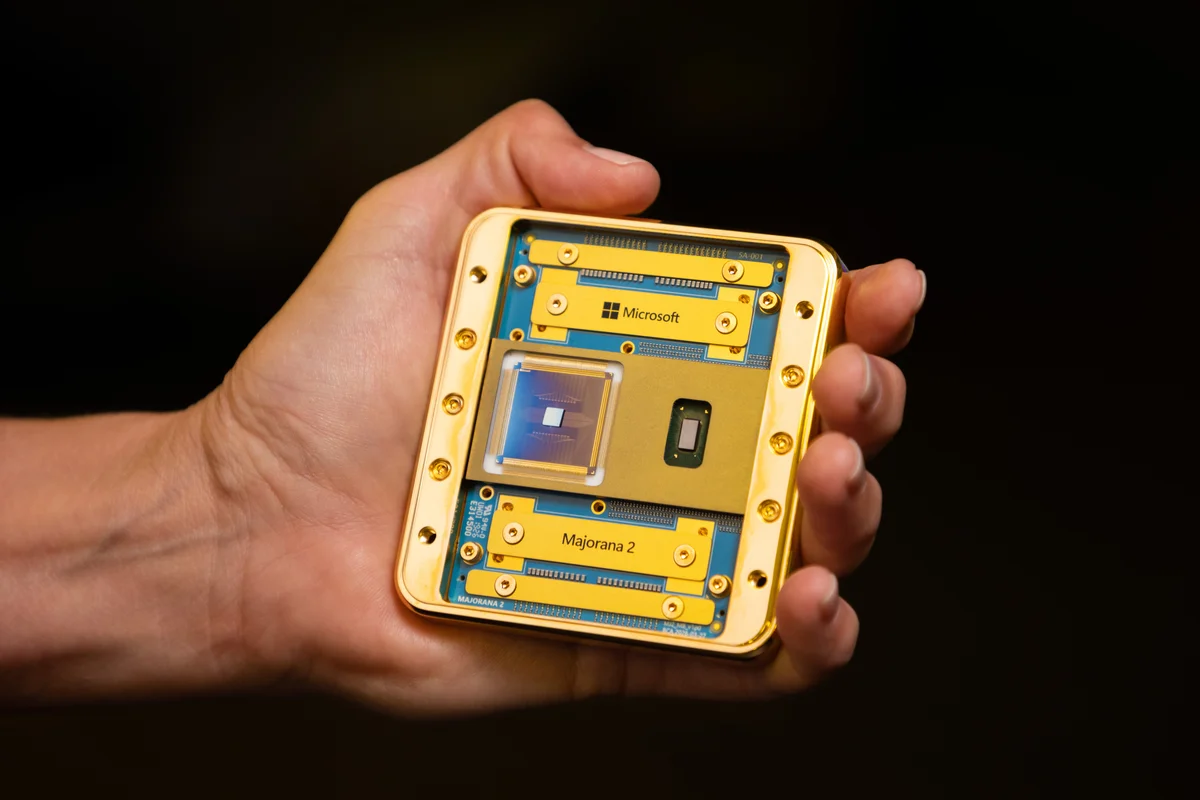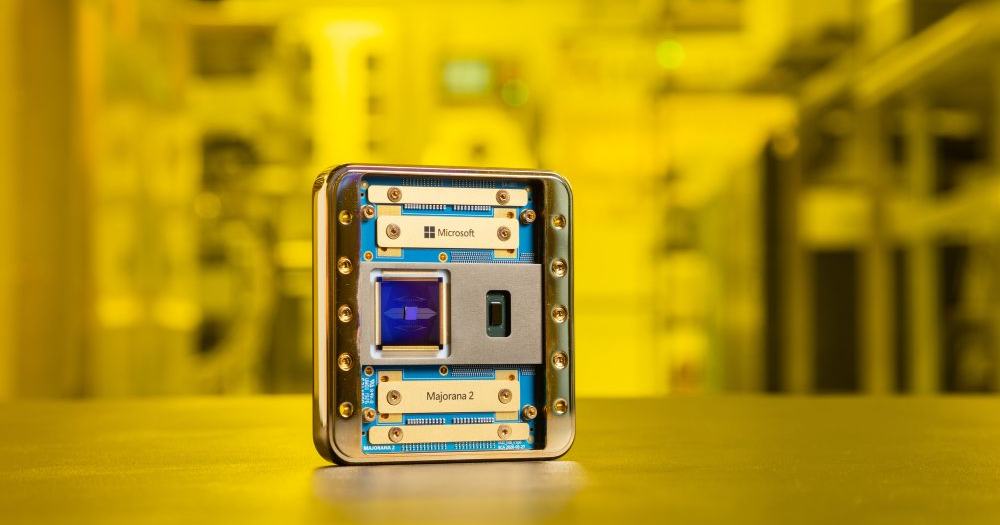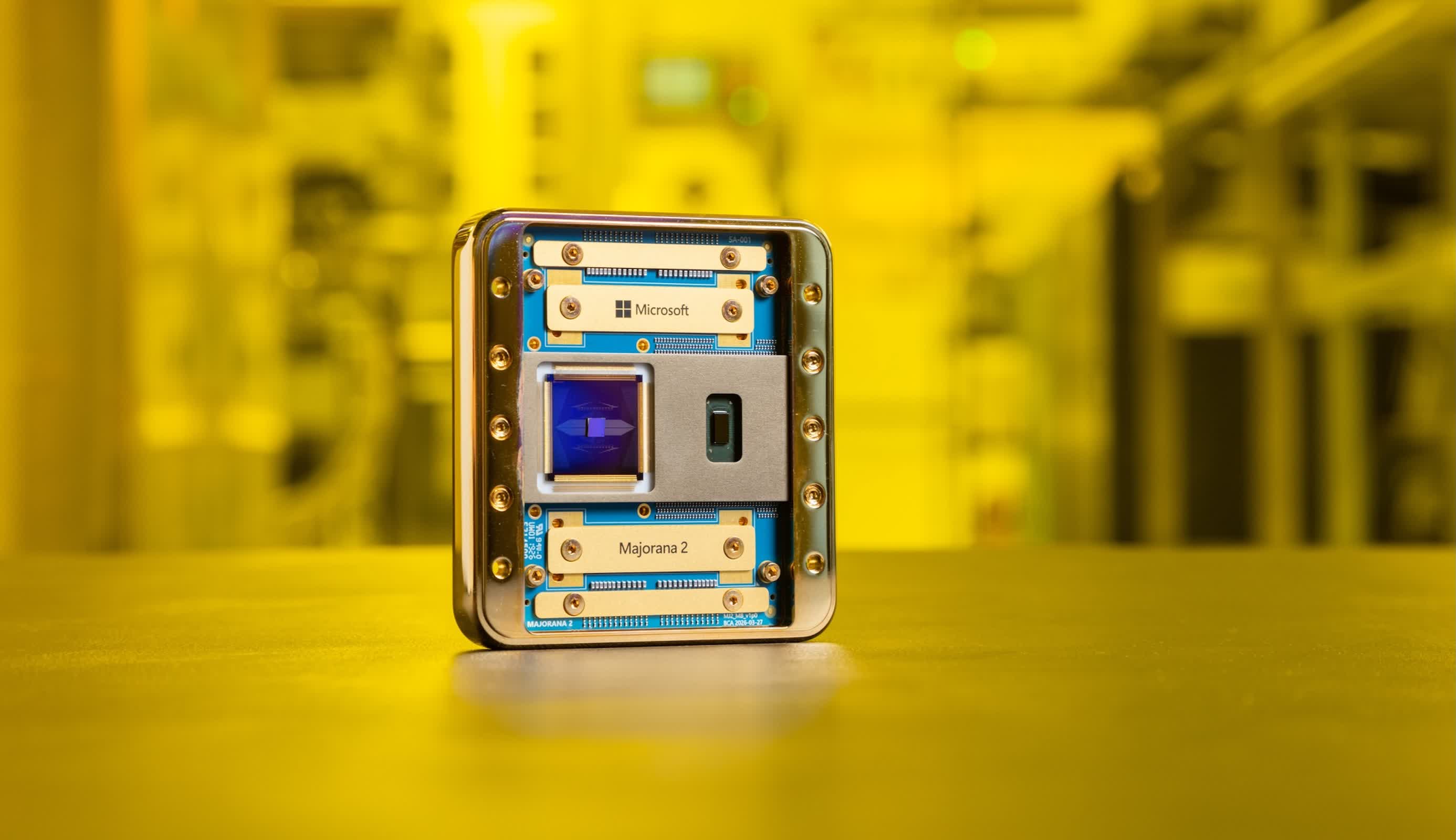
FIRST LOOK: Microsoft is taking a different approach in the race to build a practical quantum computer, betting on new materials and AI tools to solve longstanding technical challenges. This week, the company introduced Majorana 2, a next-generation quantum chip that features a redesigned materials stack and device architecture.
This week, the company introduced Majorana 2, a redesigned quantum chip that reflects a shift in both its engineering approach and underlying physics. Instead of the superconducting aluminum-based designs used by most rivals, Microsoft has built its latest system around lead. That choice forced the company to overcome manufacturing challenges that have long made lead difficult to use in chip fabrication.
That effort appears to be paying off, at least according to Microsoft's internal benchmarks. The company says the qubits in Majorana 2 can hold their quantum state about 1,000 times longer than those in its earlier design.
In practical terms, that moves qubit lifetimes from the microsecond range – common across much of the industry – to an average of roughly 20 seconds, with some lasting as long as a minute. The chip also operates at microsecond speeds and uses qubits that are about one-hundredth of a millimeter in size.