Insider Brief
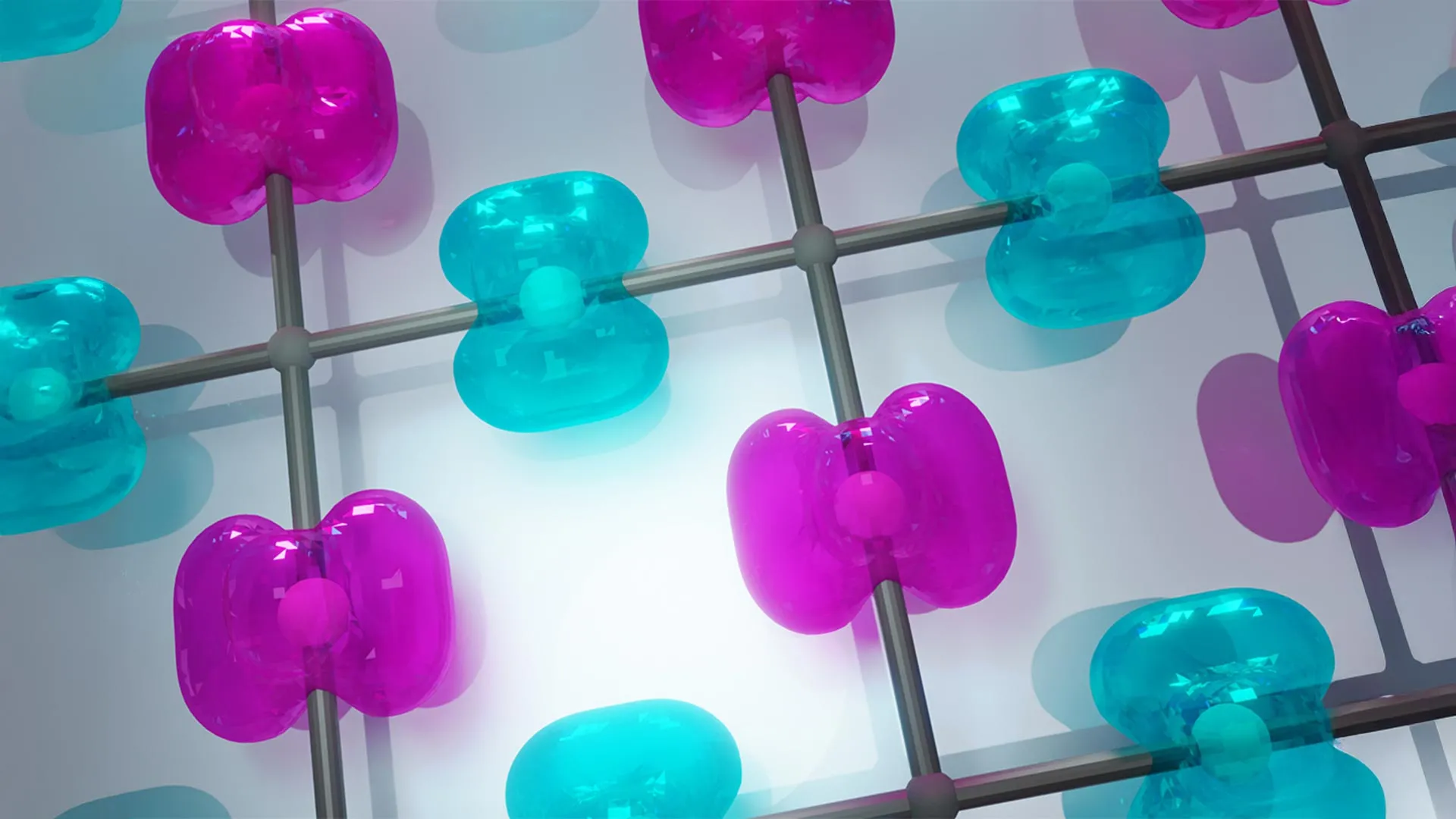
Researchers from The University of Osaka and collaborating institutions developed a cobalt-based thin-film material featuring local honeycomb structures with strong magnetic interactions relevant to quantum materials research.
The material was created by introducing approximately 4% cobalt into sodium antimonate, producing stable cobalt honeycomb motifs within a larger honeycomb lattice.
The findings suggest that cobalt, a relatively abundant and widely used metal, could provide an alternative platform for studying quantum magnetic materials associated with quantum information science.
PRESS RELEASE — Honeycombs are famous for their elegant design, but now they may have found a new application: quantum computing. To collect knowledge from subatomic particles, quantum computers require carefully designed materials capable of performing necessary, complex functions. However, the metals used, such as ruthenium and iridium, are often rare and expensive, limiting the potential to build new technology.