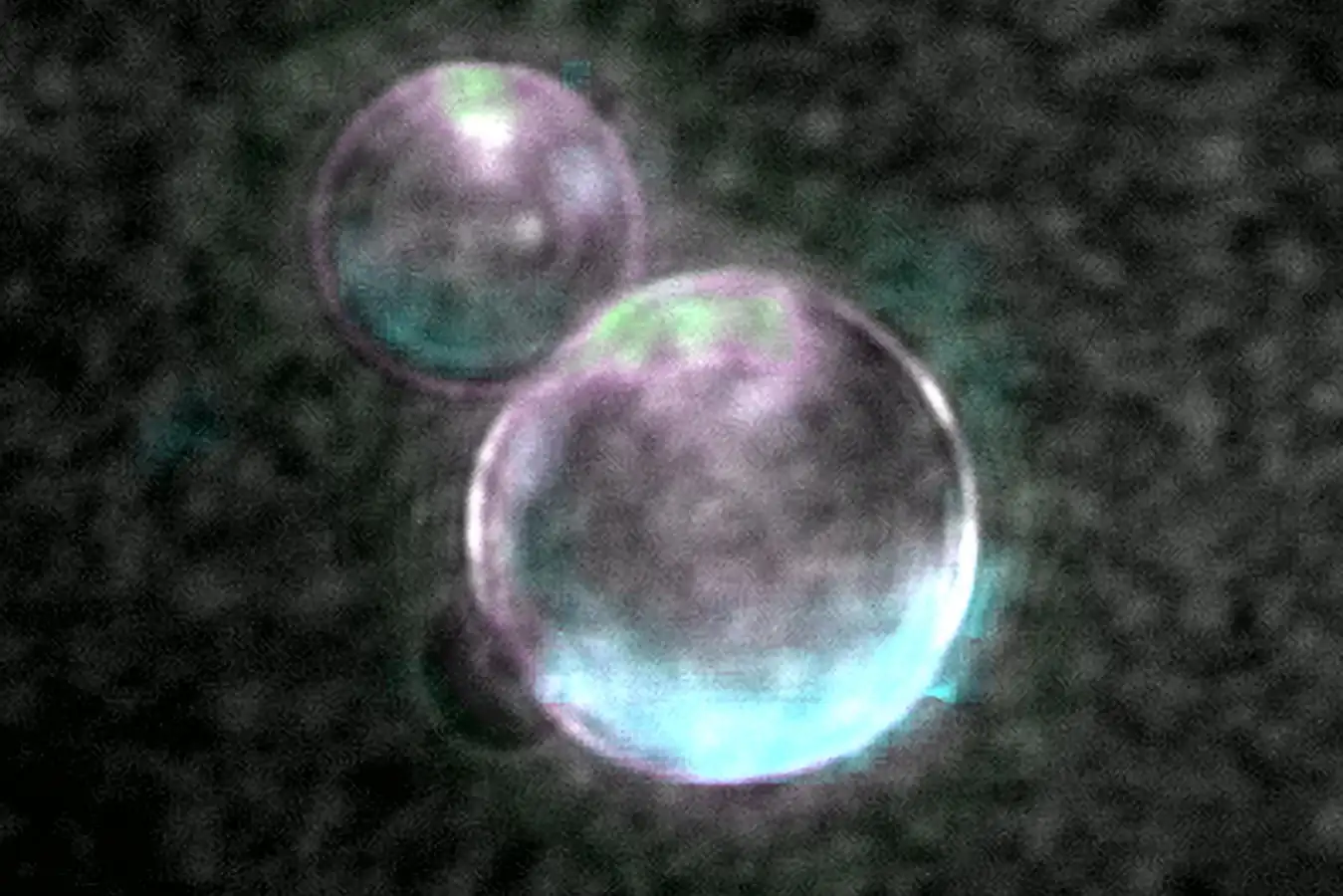
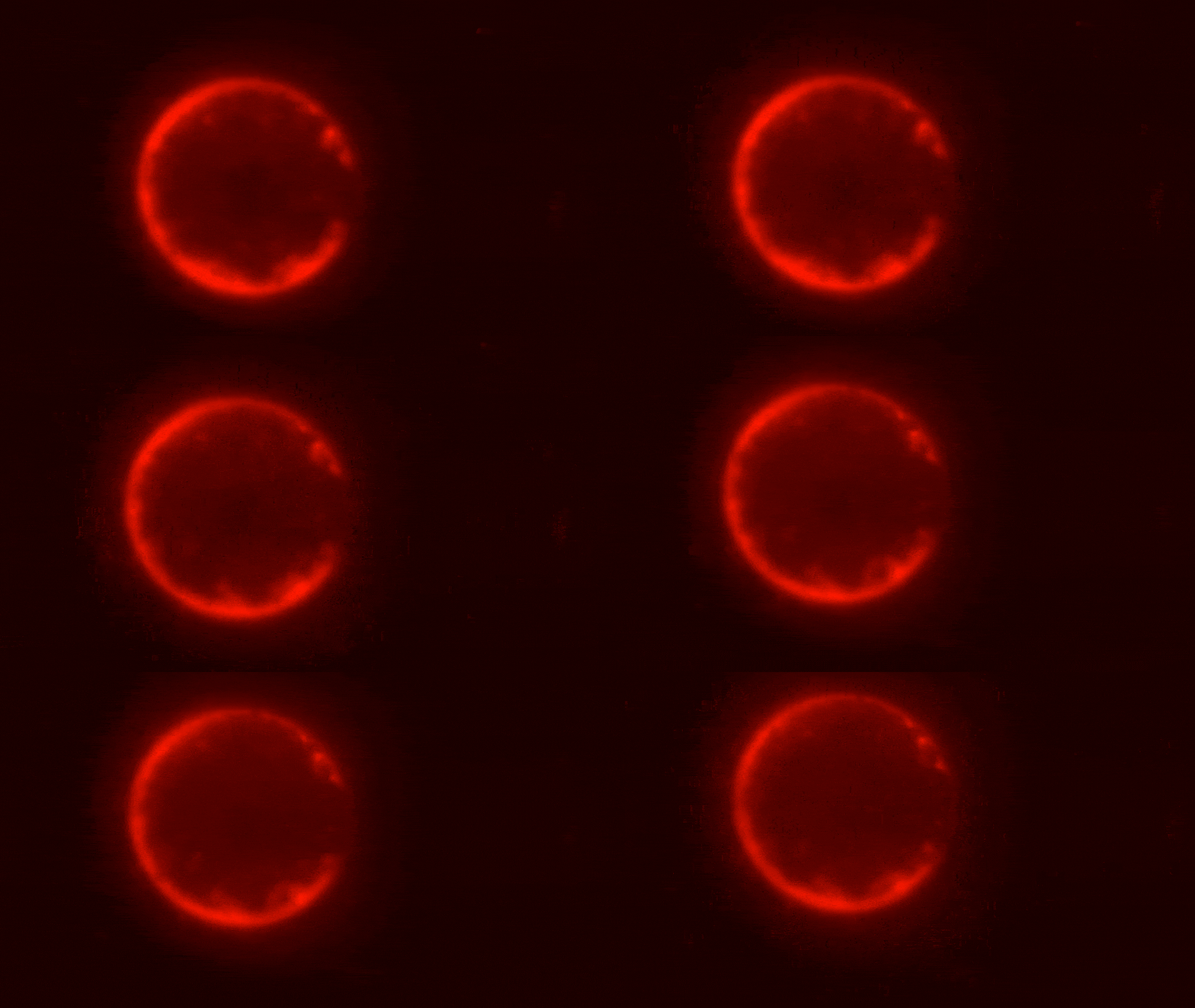
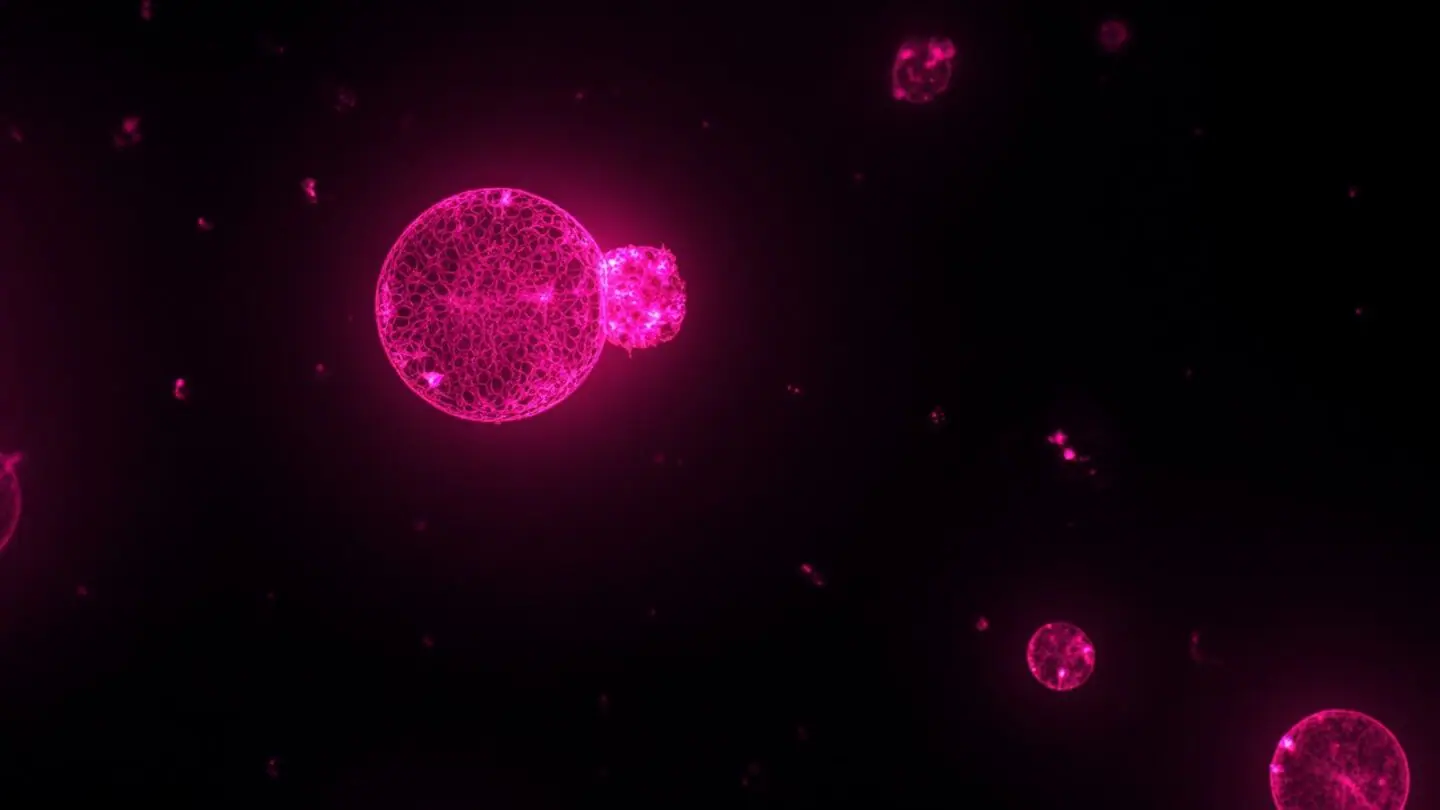
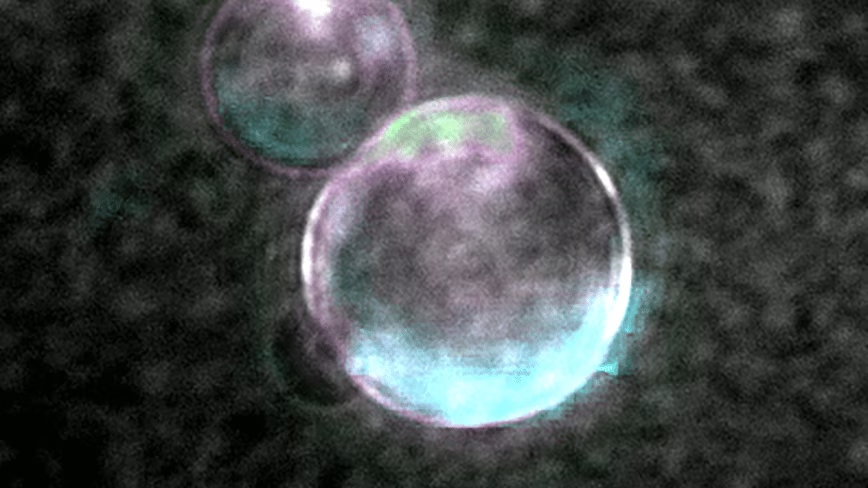
Tiny, quivering spheres designed to feed and multiply raise prospect of artificial organisms to make drugs, food and fuel

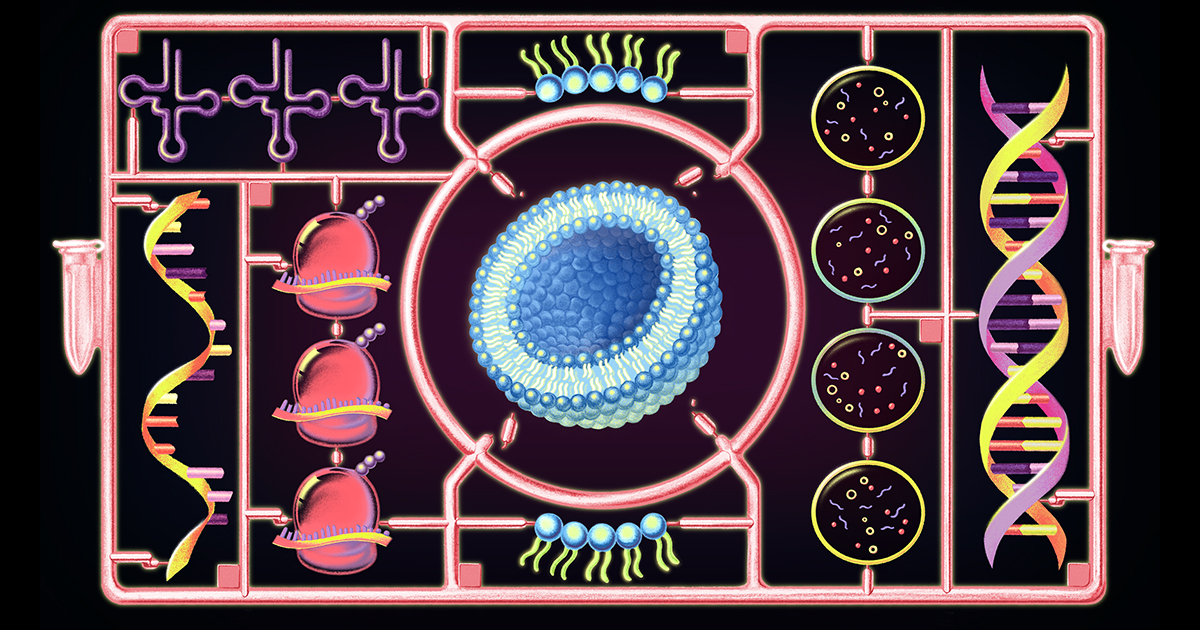
From chemical building blocks, scientists have created synthetic cells that have most of the hallmarks of life.

Scientists built a synthetic cell that combines more lifelike properties than ever before — proof of concept that it’s possible to bring nonliving materials to life, or something…
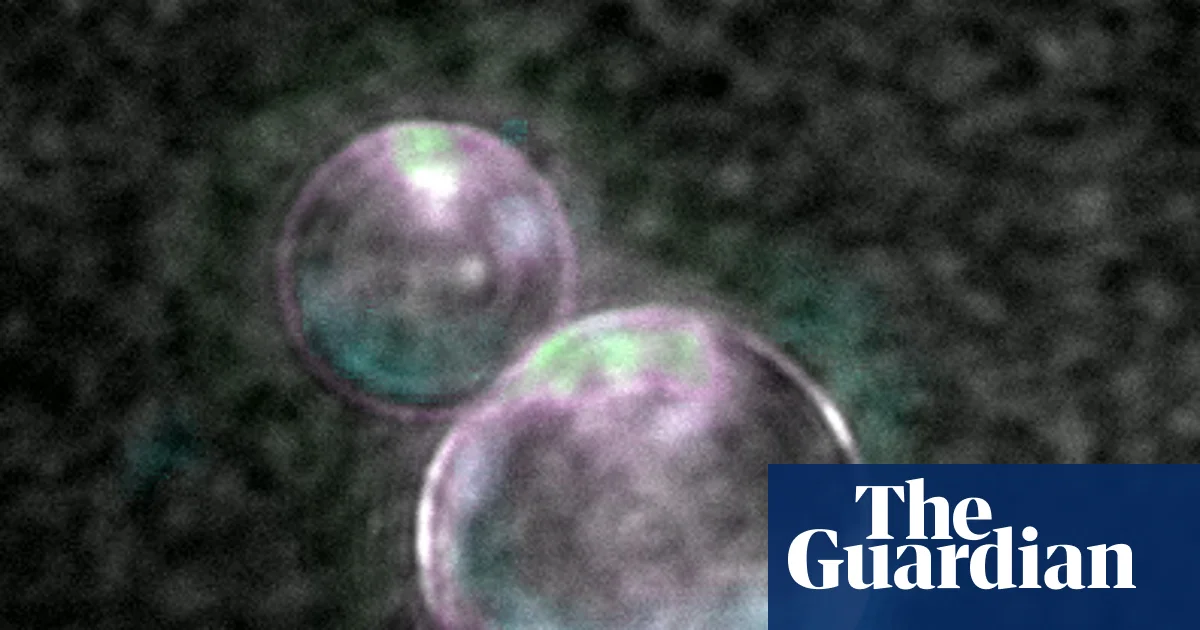
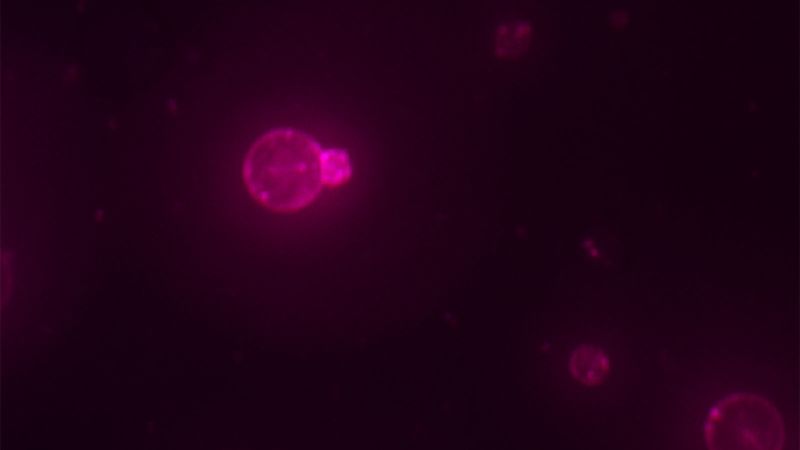
Tiny, quivering spheres designed to feed and multiply raise prospect of artificial organisms to make drugs, food and fuel

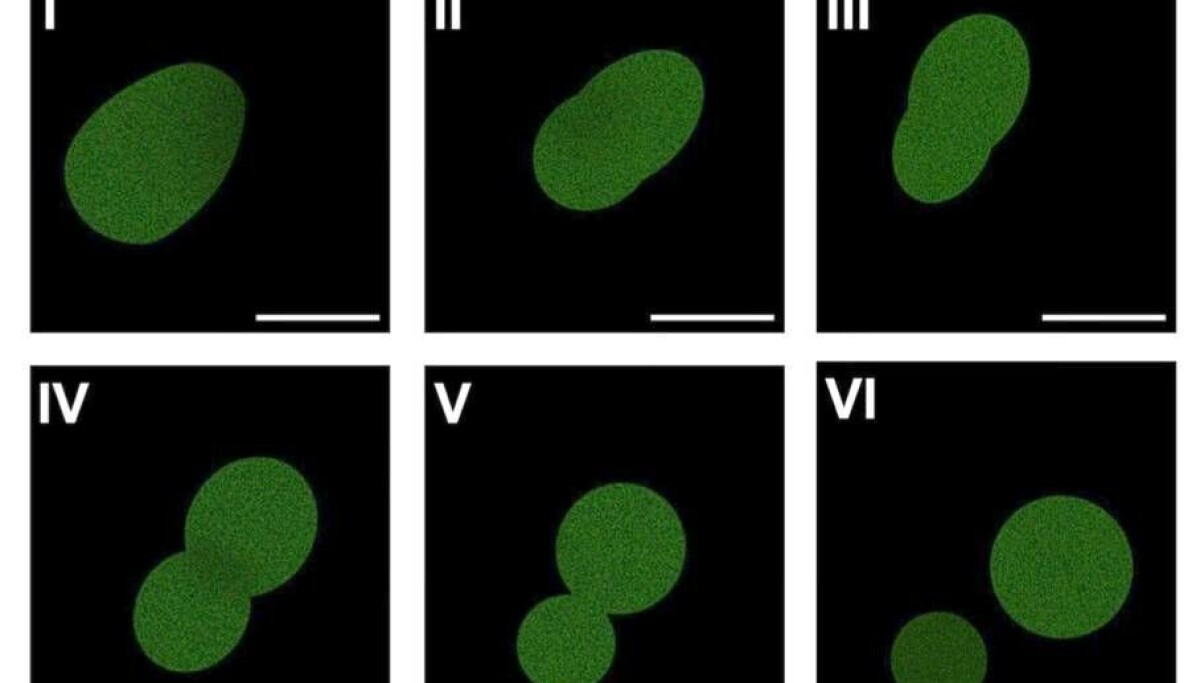
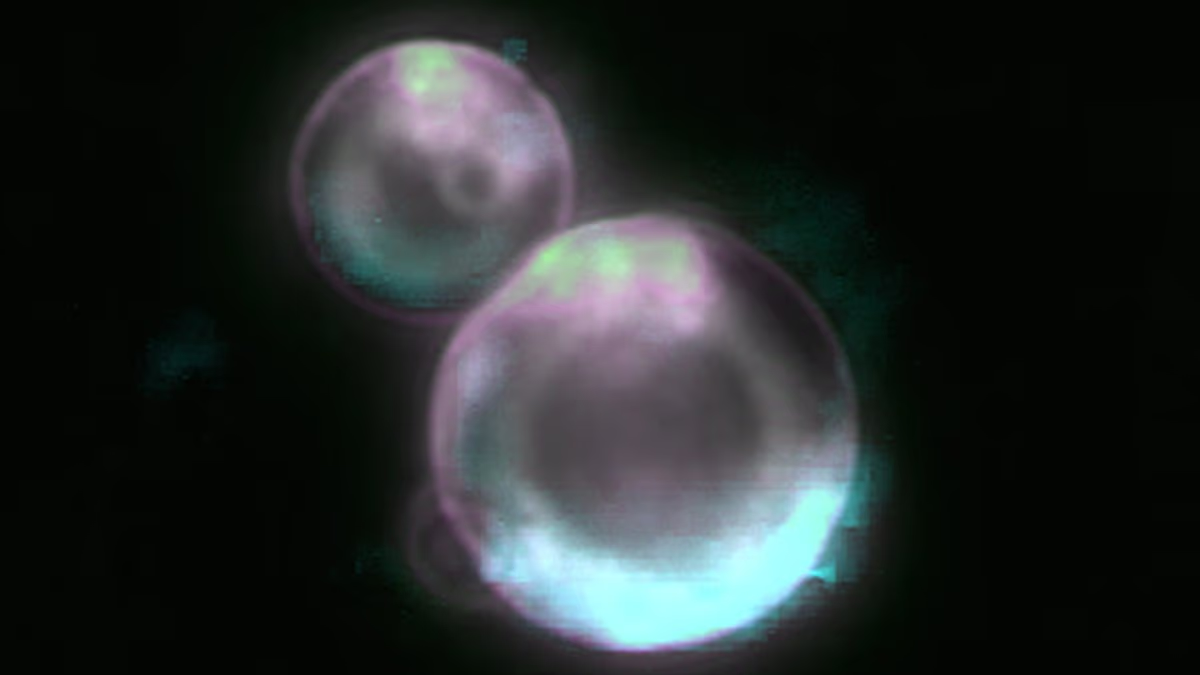
Scientists say they have built a cell from scratch for the first time that feeds, grows and replicates like a natural cell, a breakthrough in synthetic biology.

Researchers have created what they say may count as the first synthetic cell, and have started a public benefit corporation to share the technology with

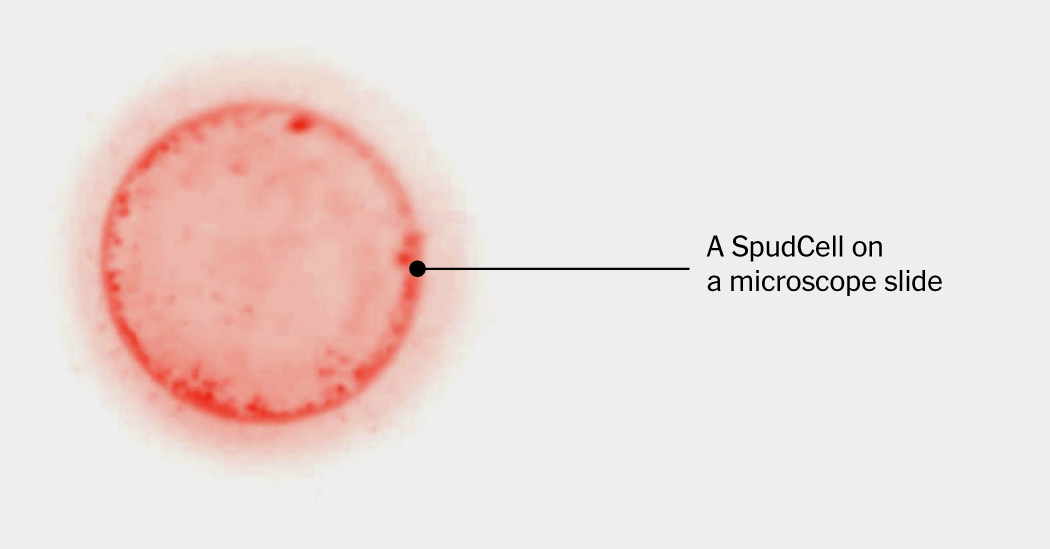
SpudCell can feed, divide, and even outcompete its siblings. It's not truly alive, its creator tells us, but it could still transform the bioengineering world

It was built from non-living chemical components but can replicate a biological cell’s life cycle

A prototype cell partly capable of replicating itself has been created using 36 existing bacterial genes, but it's not really a living organism – yet

Scientists from the University of Minnesota say they have created the first-ever synthetic cell built entirely from scratch, and seen it go through an entire 'life' cycle –…

Scientists have created the first synthetic cell capable of feeding, growing, and replicating, marking a groundbreaking advancement in synthetic biology and engineered organisms.