WARPTECHNEWS · LAB
HomeAIBusinessTechArchive
WARPTECH LAB NEWS

Warptech Lab News aggrega le notizie più rilevanti da oltre 700 fonti internazionali, con classificazione AI, TL;DR sintetici e timeline cluster su singole storie.

Navigazione

  • Home
  • Archivio
  • Editor's Brief
  • Cerca
  • Il tuo account
  • Newsletter tech/AI

Informazioni legali

  • Privacy Policy
  • Termini di servizio
  • Cookie Policy

© 2026 Sparktech S.R.L. — Tutti i diritti riservati. Sito gestito e manutenuto da Sparktech S.R.L.

Sede legale: Corso Libertà 55, 13100 Vercelli (VC), Italia · P.IVA / C.F. 02835910023 · Contatti: admin@warptechlab.com

Home
Storia in 13 fonti

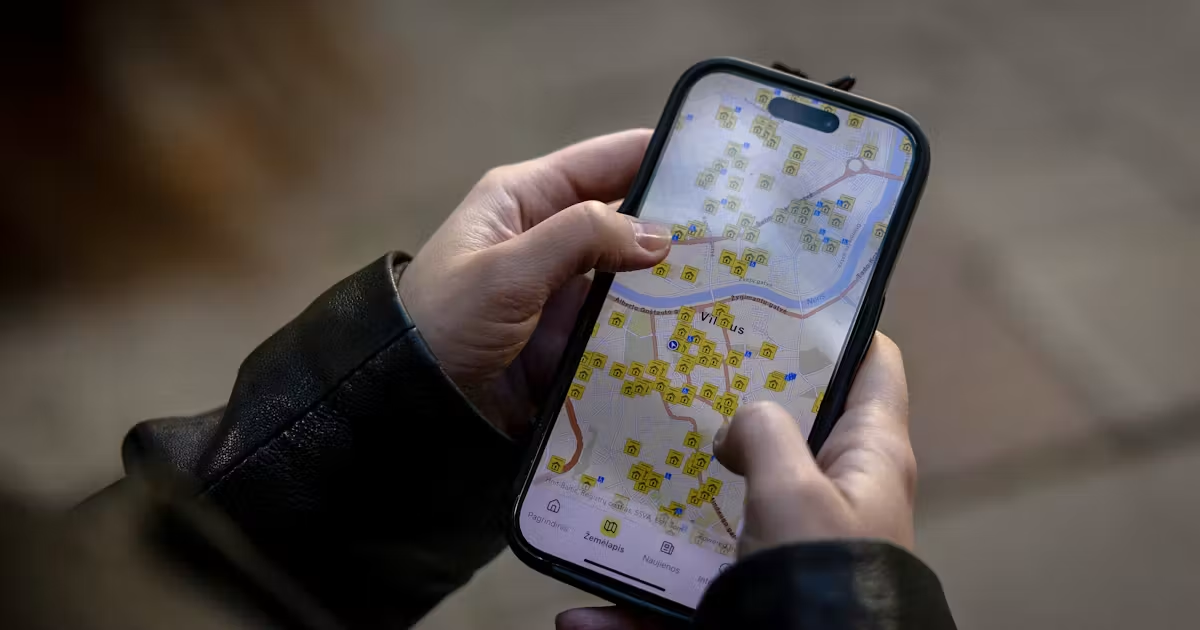
You just got a big win in keeping your location info secret from the cops

President Donald Trump's administration defended the investigative method in the case

Raccontata danewrepublic.comindependent.co.uktechcrunch.comwashingtonexaminer.comgizmodo.comcnn.comtheregister.commashable.comfrance24.comupi.comsiliconangle.comthenextweb.com+1 altre

Confronto fonti

6 prospettive sulla stessa storia
AI · summaries
independent.co.ukStai leggendo1 g fa

You just got a big win in keeping your location info secret from the cops

President Donald Trump's administration defended the investigative method in the case
originale

Timeline cronologica

  1. lunedì 29 giugno 2026·newrepublic.com

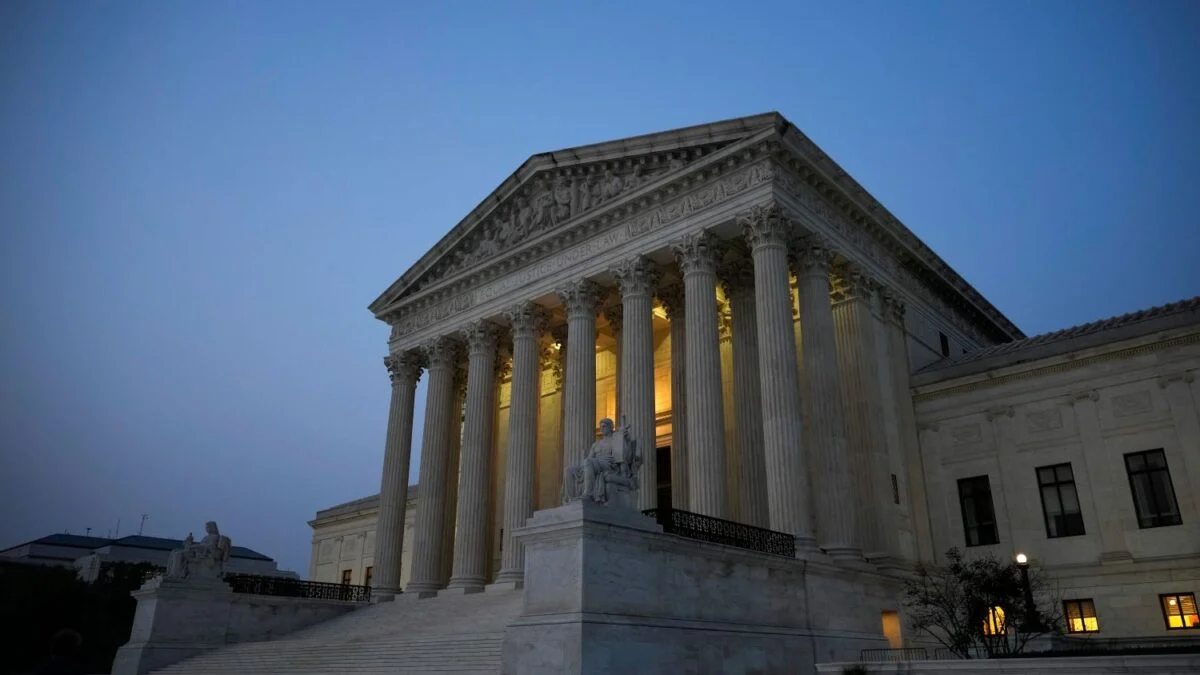
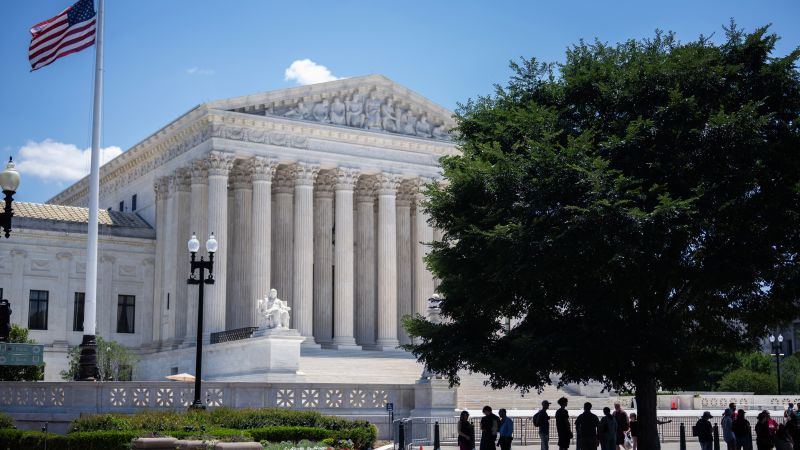
    Supreme Court Rules Fourth Amendment Covers Your Location Data

    The Supreme Court is restricting the use of “geofence warrants.”

  2. lunedì 29 giugno 2026·independent.co.uk

    You just got a big win in keeping your location info secret from the cops

    President Donald Trump's administration defended the investigative method in the case
france24.com
1 g fa

US Supreme Court rules on dragnet searches of cellphone location data

The US Supreme Court on Monday ruled partially in favor of a man challenging the use of sweeping "geofence" searches of cellphone location data in his robbery conviction, sending the case back to a lower…

Leggi questa versione → originale
mashable.com1 g fa

SCOTUS: Feds need a warrant to scoop up your location data

The divided Supreme Court ruled that Americans are entitled to privacy protections even if they consent to tech companies tracking their location.

Leggi questa versione → originale
newrepublic.com2 g fa

Supreme Court Rules Fourth Amendment Covers Your Location Data

The Supreme Court is restricting the use of “geofence warrants.”

Leggi questa versione → originale
techcrunch.com1 g fa

In major privacy win, Supreme Court rules geofence warrants are protected by privacy rights | TechCrunch

The Supreme Court's decision to limit geofence warrants is a win for privacy advocates, who called their use unconstitutional but sought an outright ban.

Leggi questa versione → originale
washingtonexaminer.com23 h fa

Supreme court answered one privacy question — then dodged the big one

The Supreme Court’s Chatrie ruling limits geofence warrants but dodges the bigger threat: the outdated third-party doctrine exposing your data.

Leggi questa versione → originale
lunedì 29 giugno 2026·techcrunch.com

In major privacy win, Supreme Court rules geofence warrants are protected by privacy rights | TechCrunch

The Supreme Court's decision to limit geofence warrants is a win for privacy advocates, who called their use unconstitutional but sought an outright ban.

  • lunedì 29 giugno 2026·washingtonexaminer.com

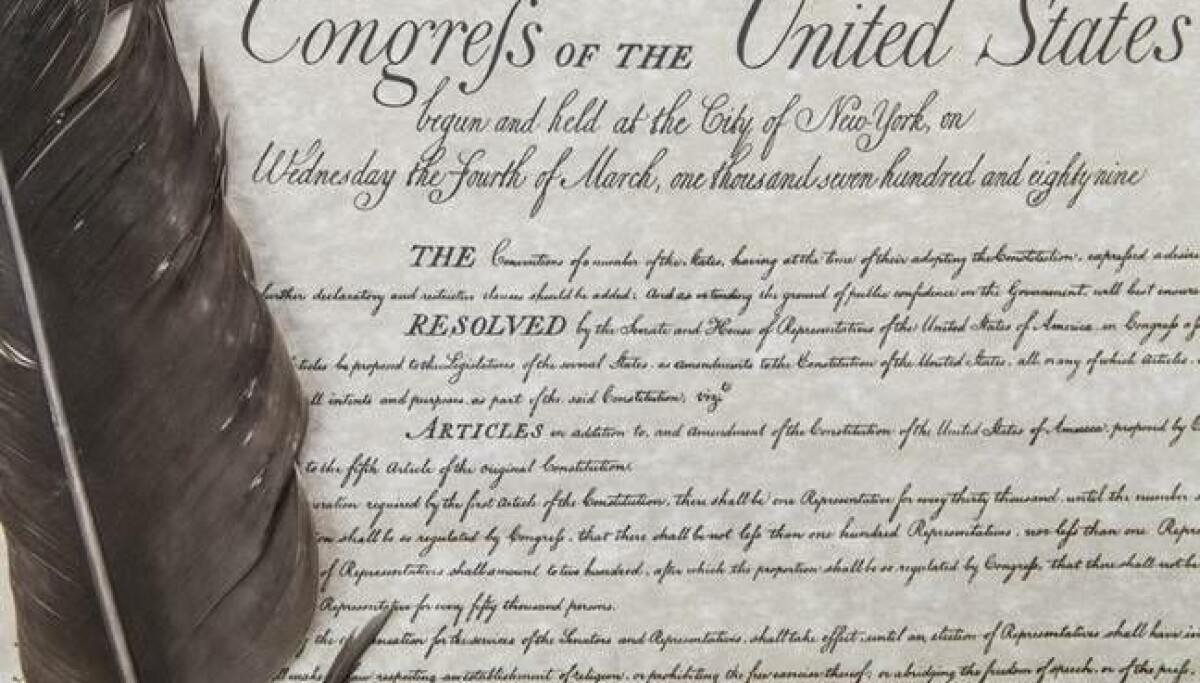
    Geofence warrants constitute a search under 4th Amendment: High court

    The Supreme Court ruled that geofence warrants are Fourth Amendment searches and revived a Virginia man’s challenge to cellphone location evidence.

  • lunedì 29 giugno 2026·gizmodo.com

    In a Win for Privacy, Supreme Court Rules Geofence Warrants Are a 'Search' Under 4th Amendment

    The court stopped short of declaring geofence warrants unconstitutional.

  • lunedì 29 giugno 2026·cnn.com

    Police must obtain a warrant when seeking sweep of cellphone location data, Supreme Court rules | CNN Politics

    The high court on Monday ruled that the use of a “geofence warrant” to capture location data from cell phones in search of a robbery suspect constituted a search for Fourth…

  • lunedì 29 giugno 2026·theregister.com

    Supreme Court rules cops need a warrant to vacuum up phone location data

    Efforts to grab all the location data in an area get clogged by Fourth Amendment

  • lunedì 29 giugno 2026·mashable.com

    SCOTUS: Feds need a warrant to scoop up your location data

    The divided Supreme Court ruled that Americans are entitled to privacy protections even if they consent to tech companies tracking their location.

  • lunedì 29 giugno 2026·france24.com

    US Supreme Court rules on dragnet searches of cellphone location data

    The US Supreme Court on Monday ruled partially in favor of a man challenging the use of sweeping "geofence" searches of cellphone location data in his robbery conviction, sending…

  • lunedì 29 giugno 2026·upi.com

    Supreme Court: Sweeping use of cellphone location data requires warrant - UPI.com

    The Supreme Court on Monday ruled that police looking to obtain sweeping data on cellphone users near a crime scene must have a warrant.

  • martedì 30 giugno 2026·siliconangle.com

    Supreme Court rules constitutional privacy protections apply to geofence warrants - SiliconANGLE

    Supreme Court rules constitutional privacy protections apply to geofence warrants - SiliconANGLE

  • martedì 30 giugno 2026·thenextweb.com

    SCOTUS limits geofence warrants in a phone-privacy win

    The Supreme Court ruled geofence warrants need probable cause, finding people have a reasonable expectation of privacy in their phone location data.

  • martedì 30 giugno 2026·tomsguide.com

    Your location data is now officially protected by the fourth amendment — here's what that means for you

    The Supreme Court just made it official

  • martedì 30 giugno 2026·washingtonexaminer.com

    Supreme court answered one privacy question — then dodged the big one

    The Supreme Court’s Chatrie ruling limits geofence warrants but dodges the bigger threat: the outdated third-party doctrine exposing your data.