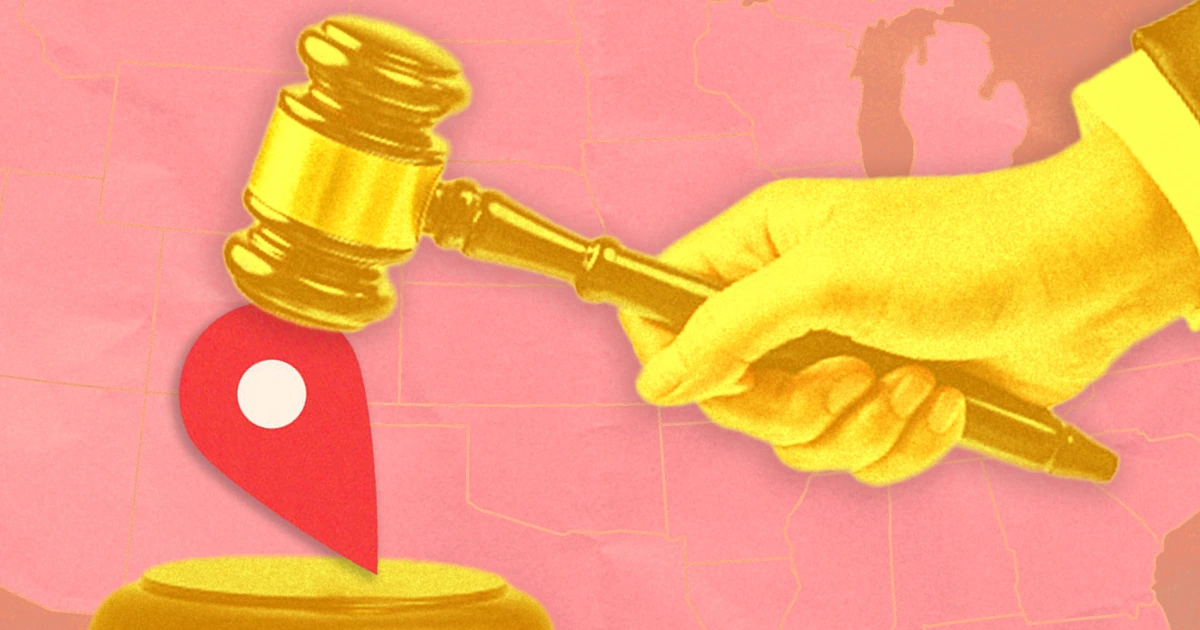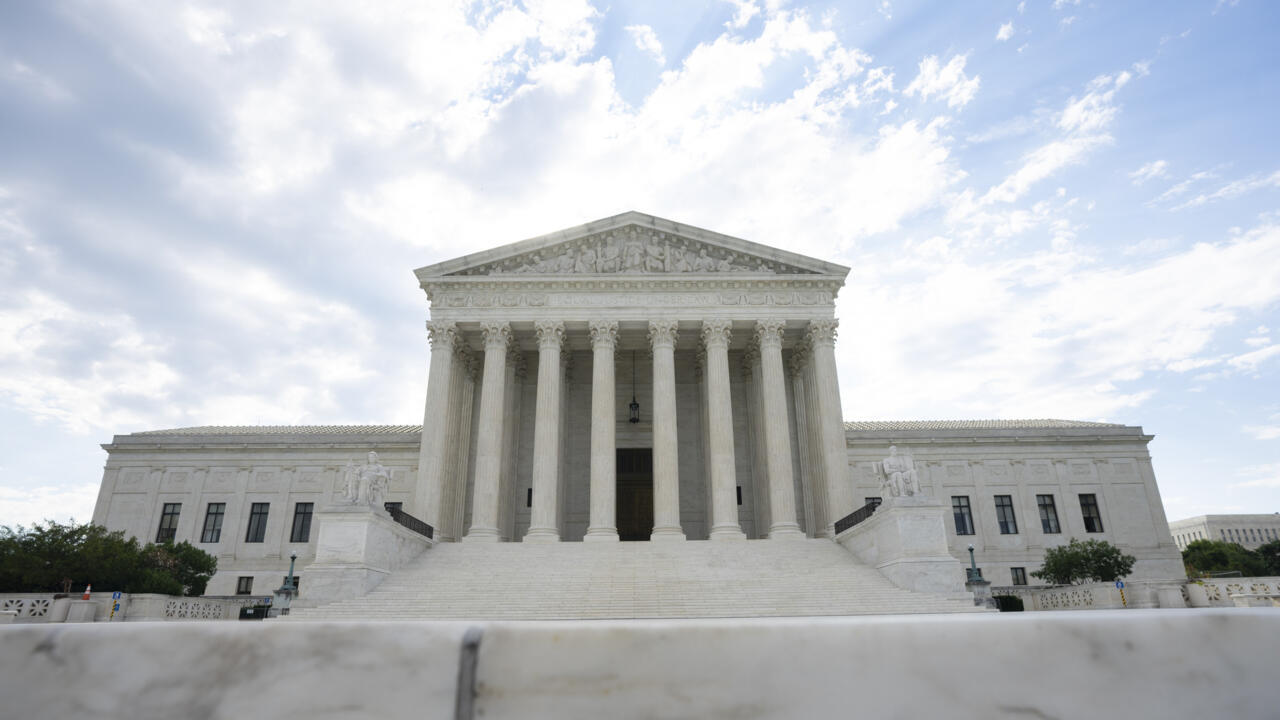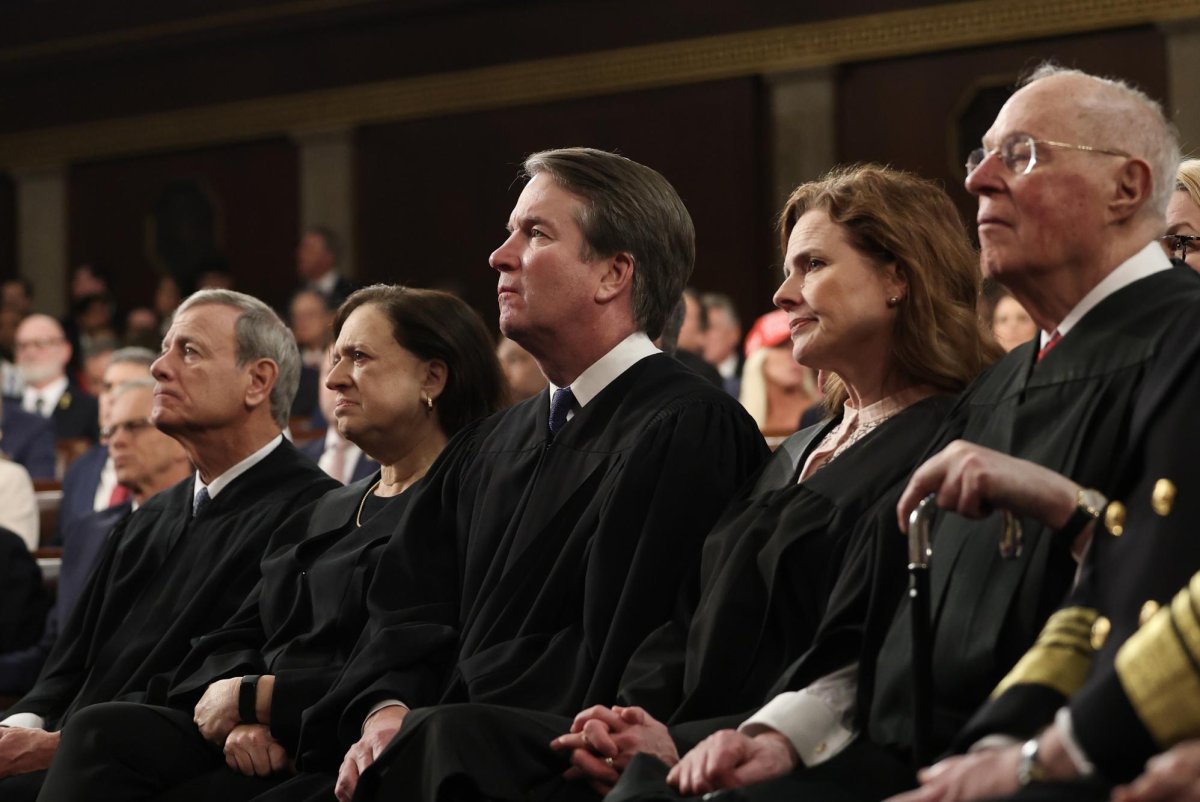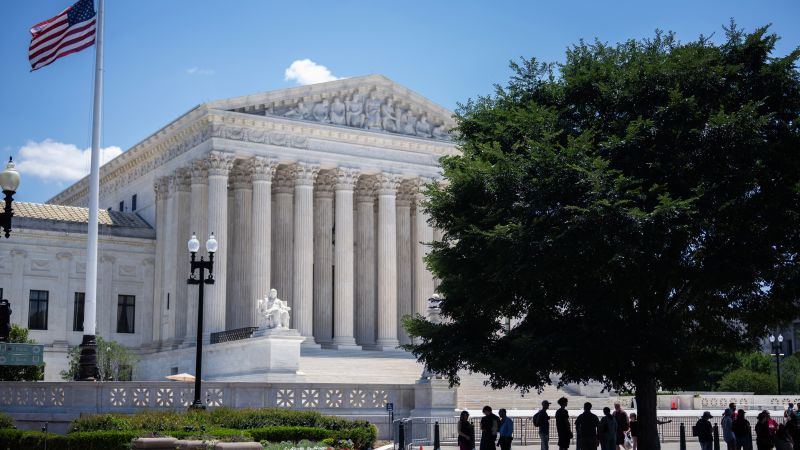
The Supreme Court on Monday ruled that the use of a “geofence warrant” to capture location data from cell phones in search of a robbery suspect constituted a search for Fourth Amendment purposes, a decision that means officers will have to obtain a warrant to access such data in the future.
Justice Elena Kagan wrote the opinion for a majority that included both conservative and liberal justices. The court divided 6-3, with three of the court’s conservatives dissenting.
At a time when Americans store vast quantities of personal data in servers controlled by companies, the case raised thorny questions about the ability of police to access that information. In the end, the court steered out of the case with a relatively limited decision that will effectively require police to obtain a warrant when they’re requesting location information from a geolocation database.
“The Fourth Amendment must, as ever, protect against unjustified governmental intrusion on the privacy of the individual,” Kagan wrote.
A Virginia man, Okello Chatrie, appealed to the Supreme Court after police used the procedure to identify him as a suspect in a 2019 bank robbery. After their investigation went cold, police served Google with a geofence warrant to find a handful of people whose cellphones pegged them within 300 meters of the bank at the time of the robbery. Chatrie entered a conditional guilty plea and reserved the right to appeal over the sweeping warrant.