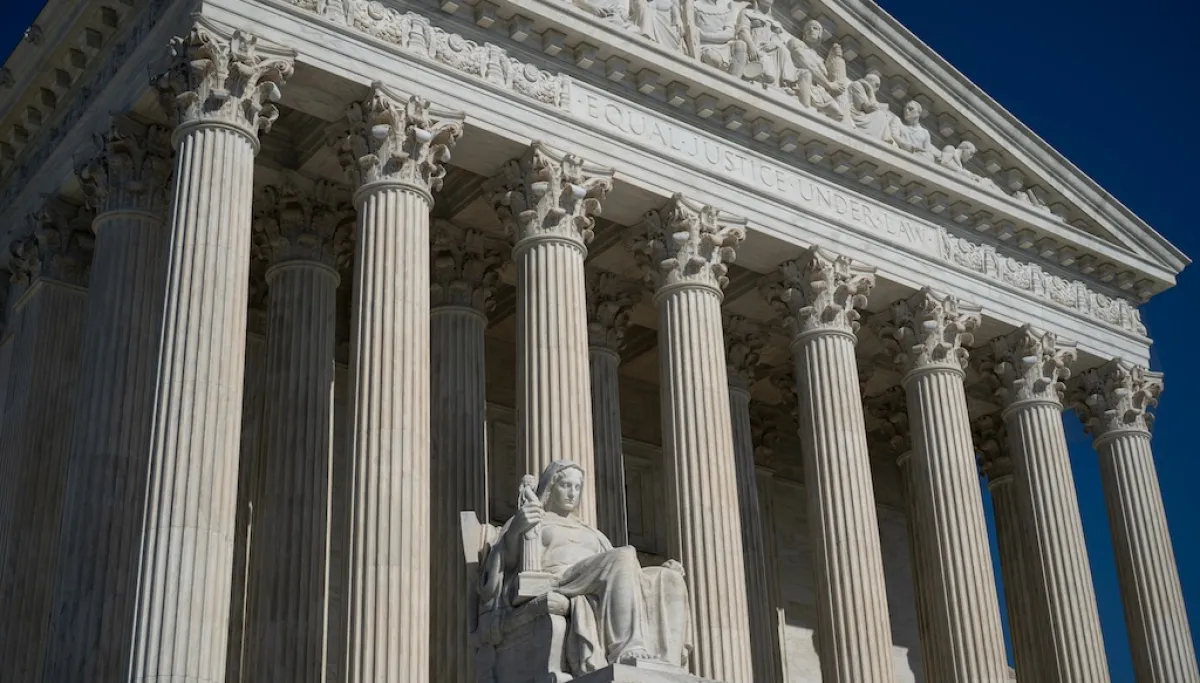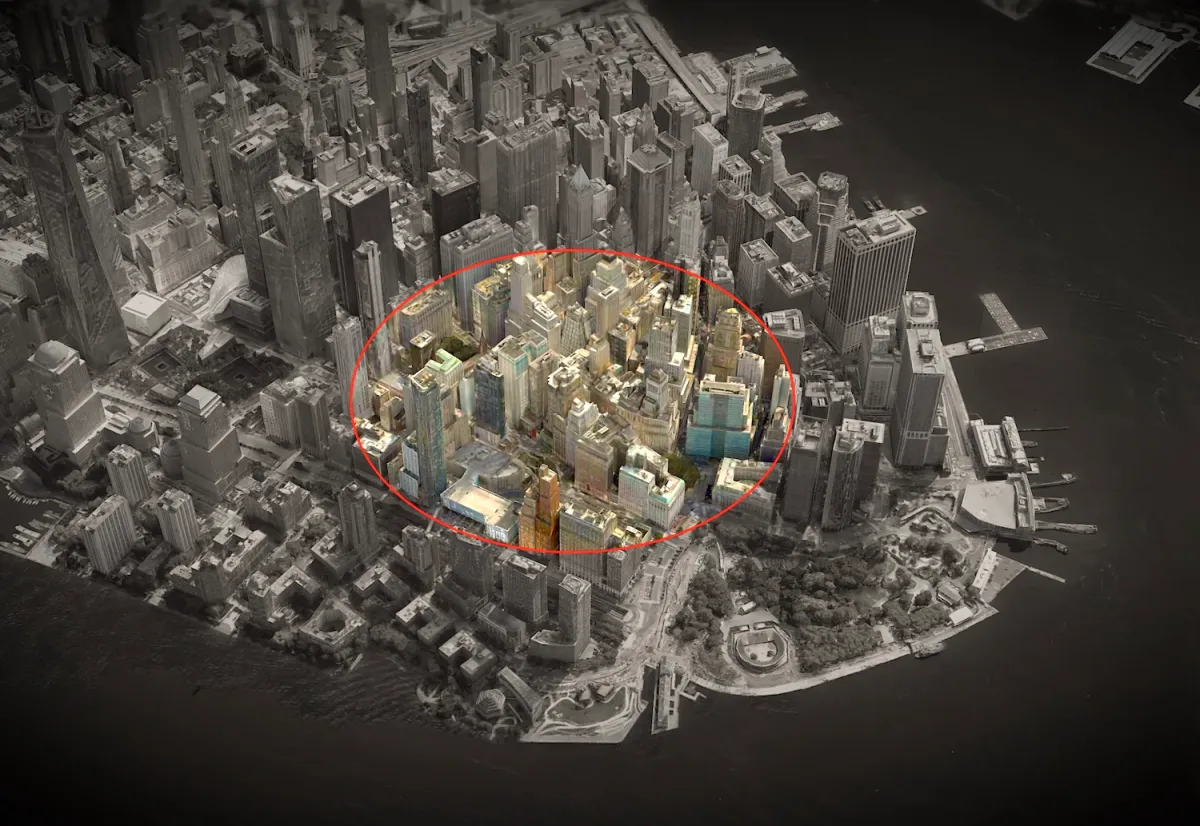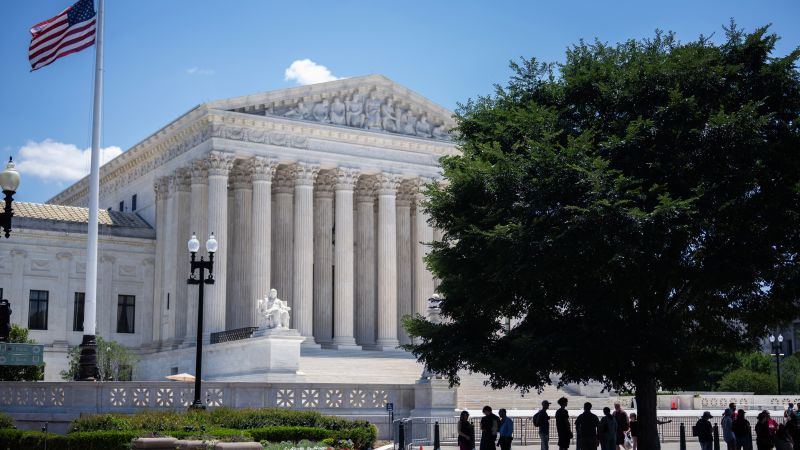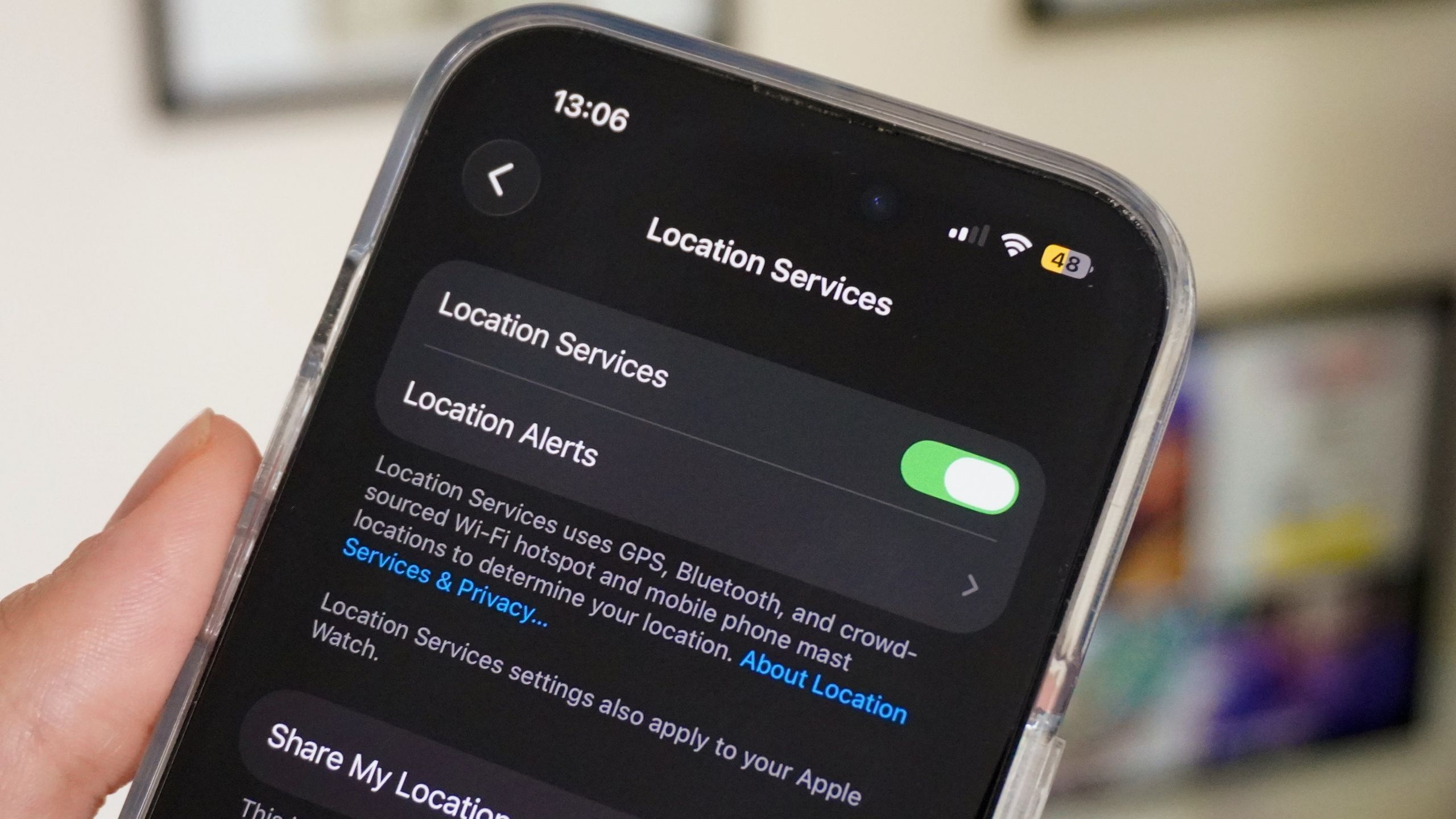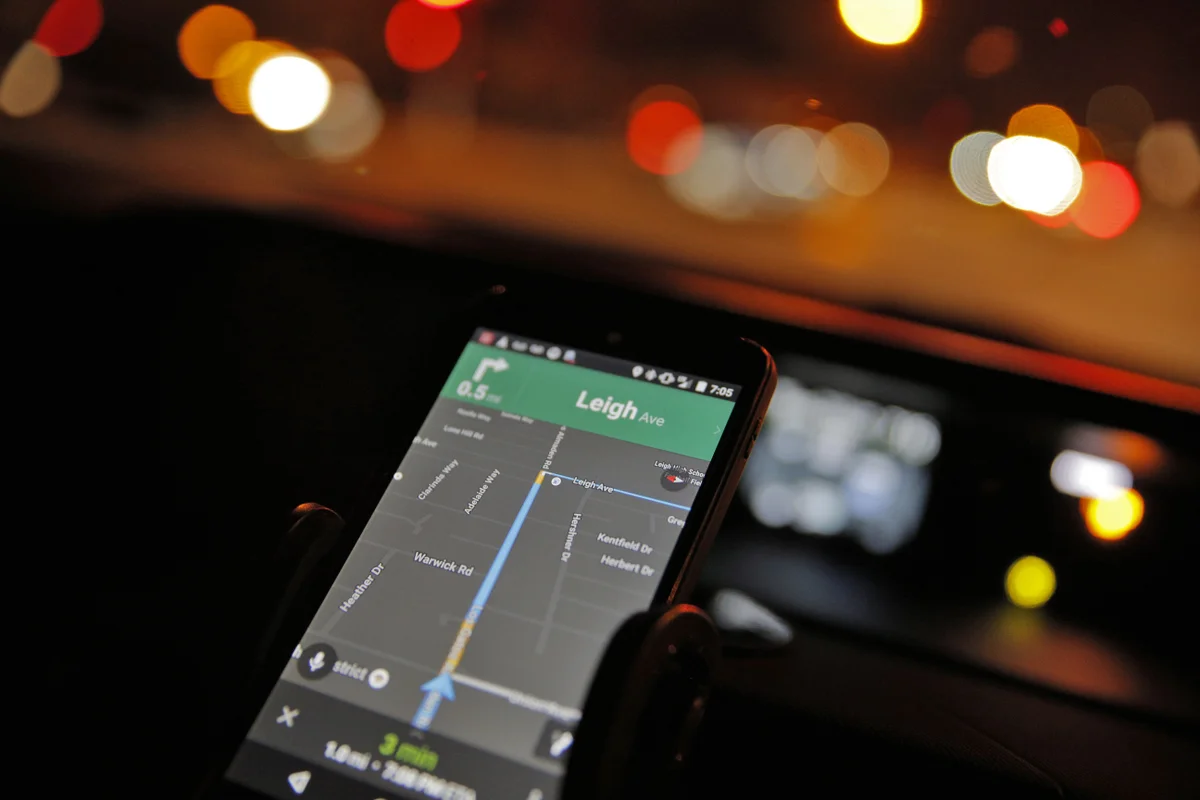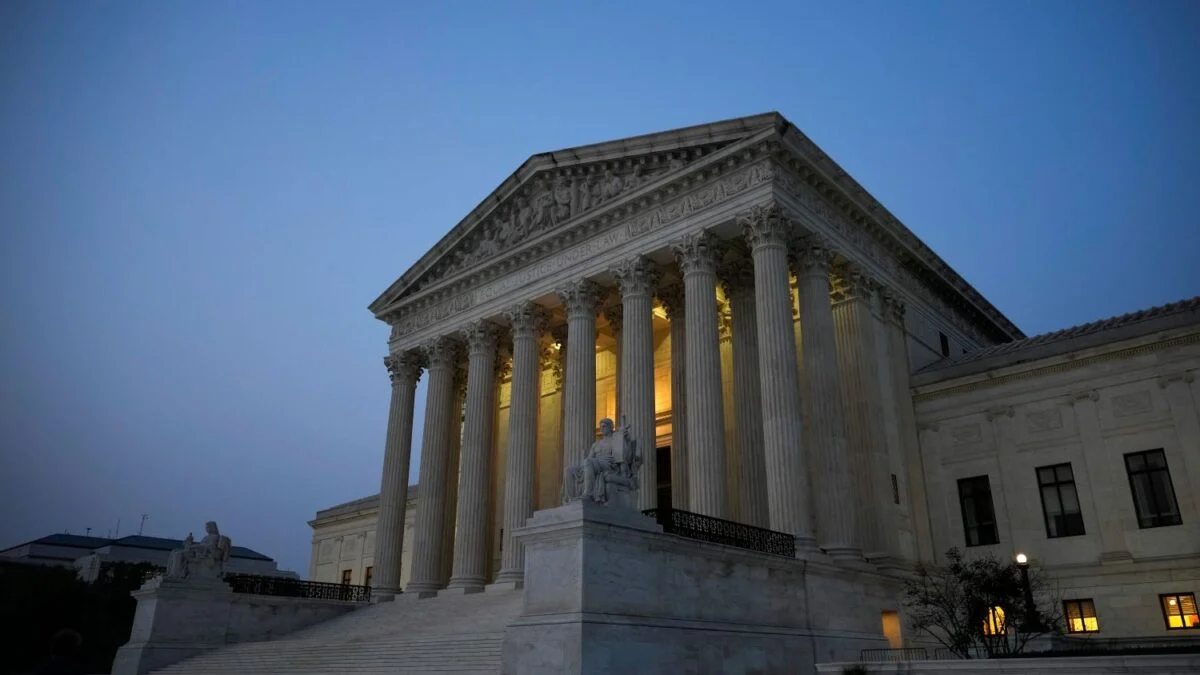
The U.S. Supreme Court ruled 6-3 on Monday that geofence warrants count as a “search” under the Fourth Amendment, a decision that will likely impact how police departments around the country seek cellphone location data in the future. Geofence warrants compel tech companies like Google to provide information about electronic devices that are present in a given area on a particular date during a specific window of time. The case, Chatrie v. United States, involved a man who was convicted of robbing a credit union outside Richmond, Virginia, in 2019. Local police used a three-step process to find Okello Chatrie, first requiring Google to produce anonymized location data for all phones within a 150-meter radius of the credit union from 30 minutes before to 30 minutes after the time of the robbery. In step two, police narrowed down the list from that anonymized data and retrieved more data from phones both inside and outside the geofence for two hours on each side of the robbery. In the third step, police narrowed it down further, and Google produced names and phone numbers for the people on the list.
Chatrie was one of three people who were fully identified by the geofencing warrant, which reportedly showed him entering the geofenced area ten minutes before the robbery and leaving for a residential area after the robbery. Police later found a gun, about $100,000 of cash, and a demand note.