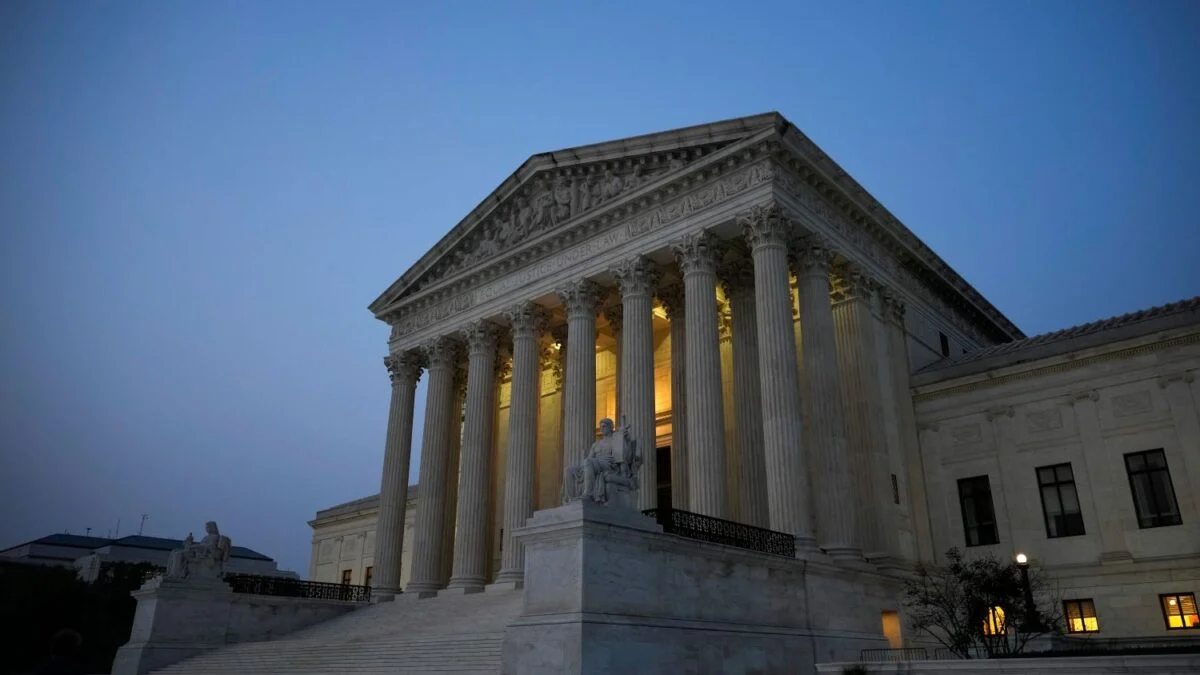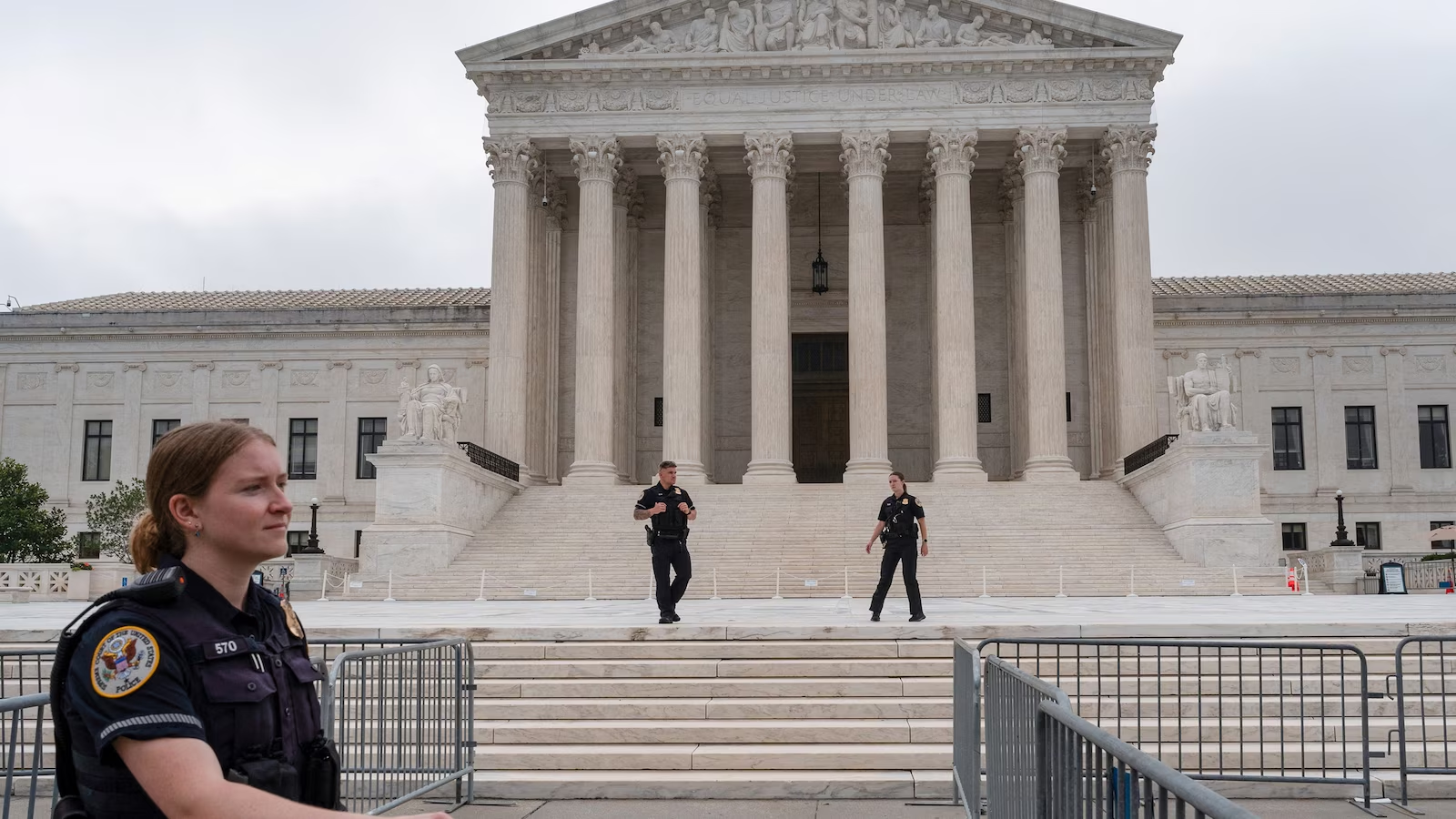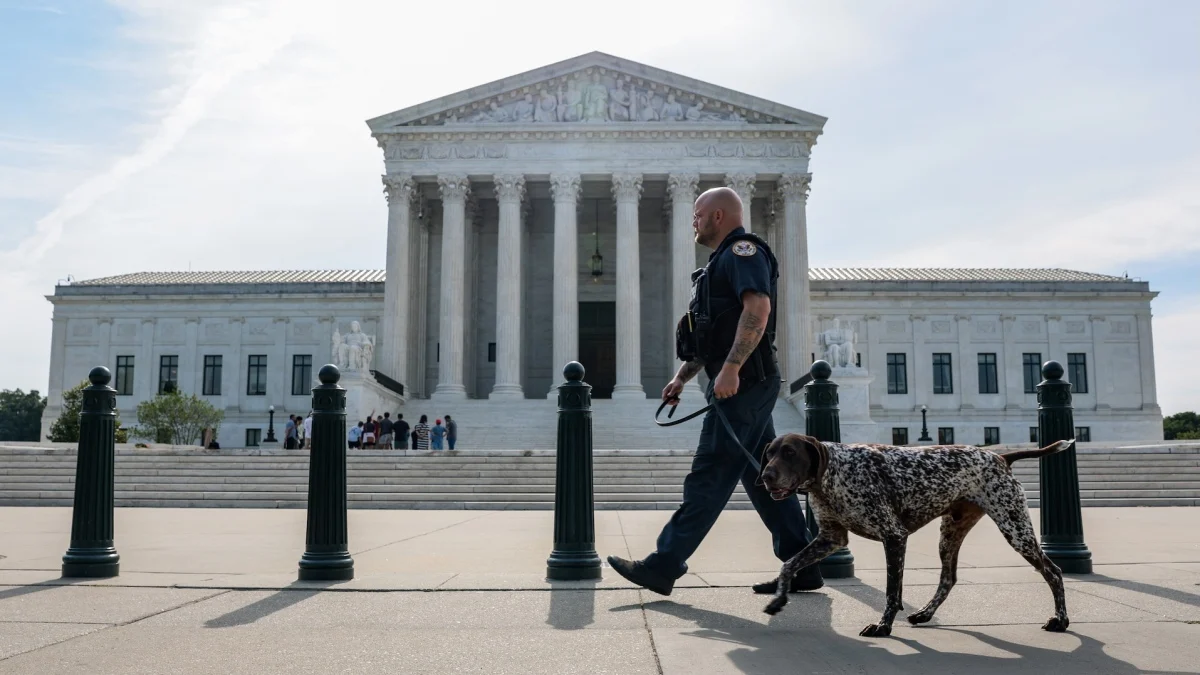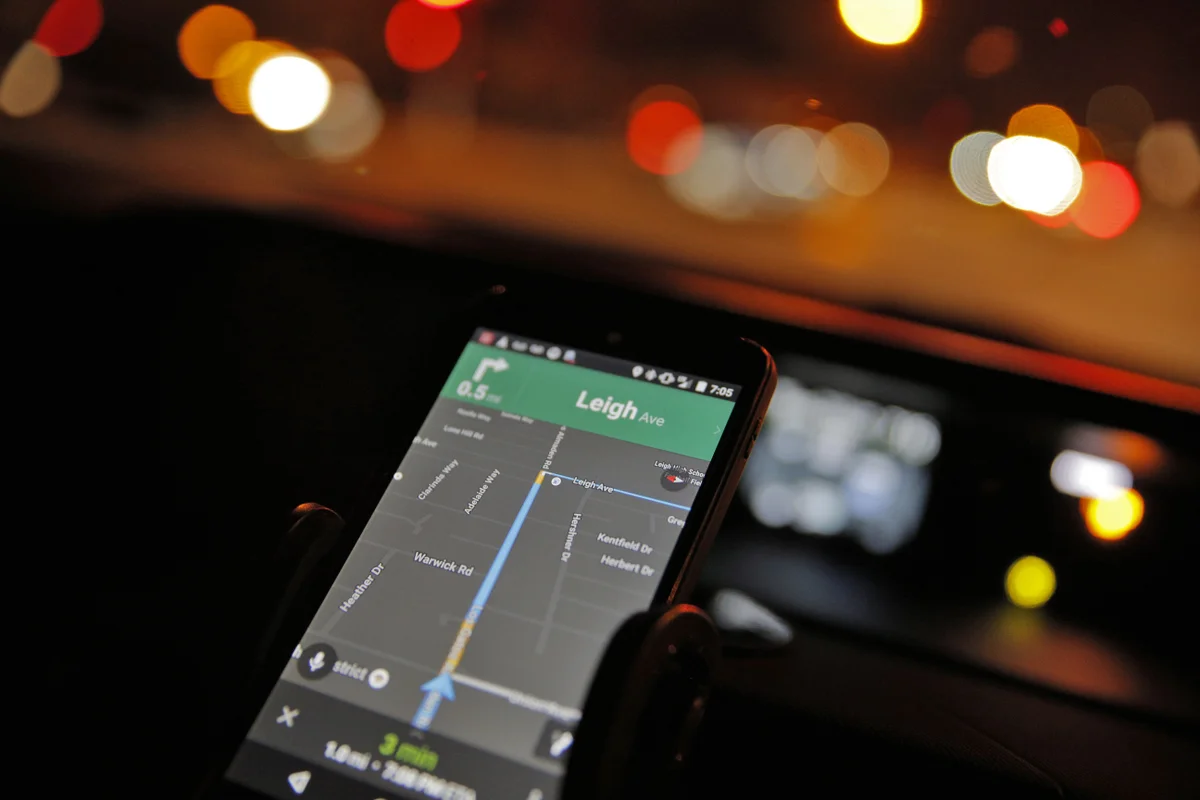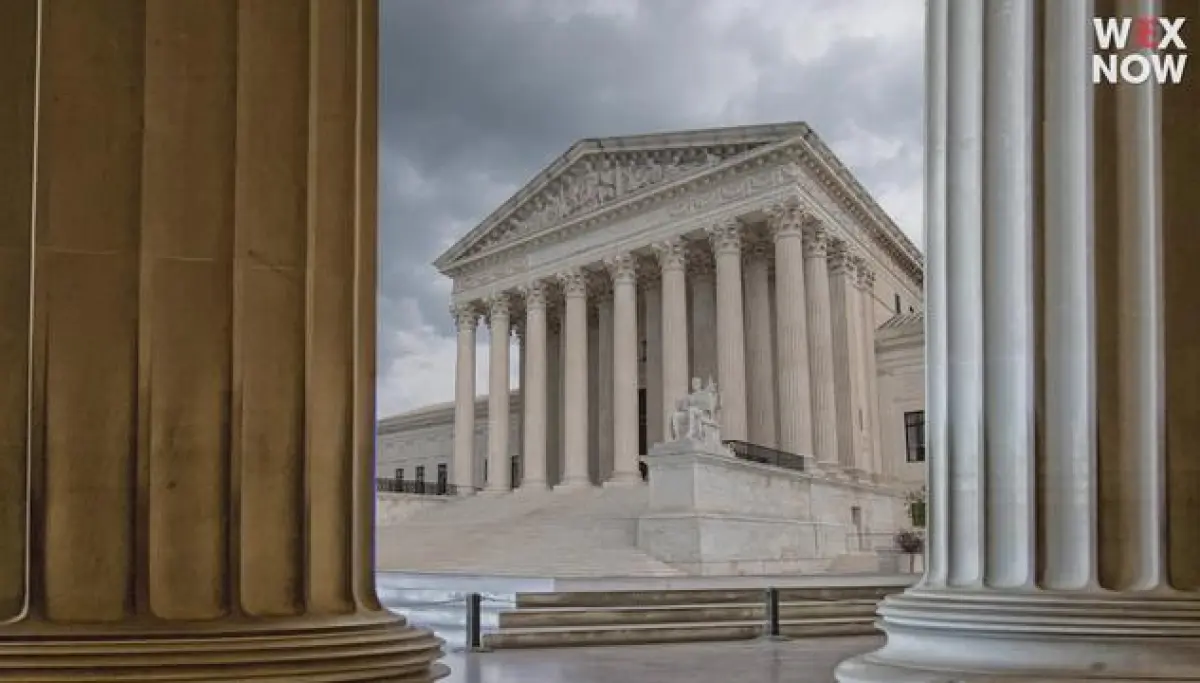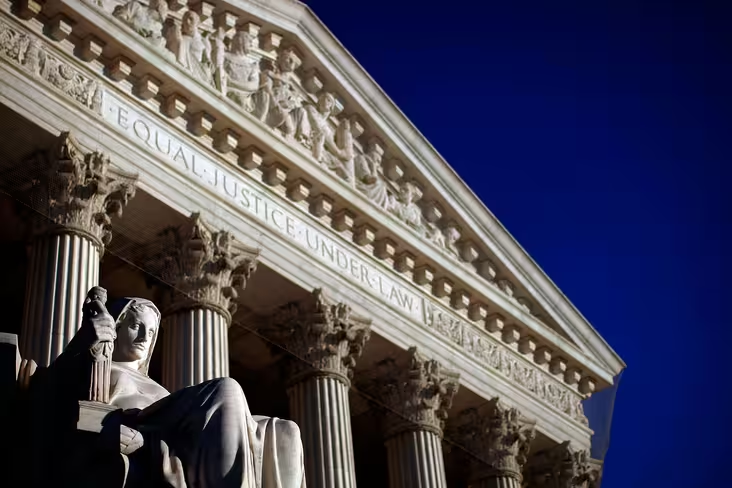
Your phone keeps a minute-by-minute diary of where you go. The US Supreme Court has now ruled that police cannot simply demand it. In a major win for digital privacy, the court said geofence searches need a warrant.
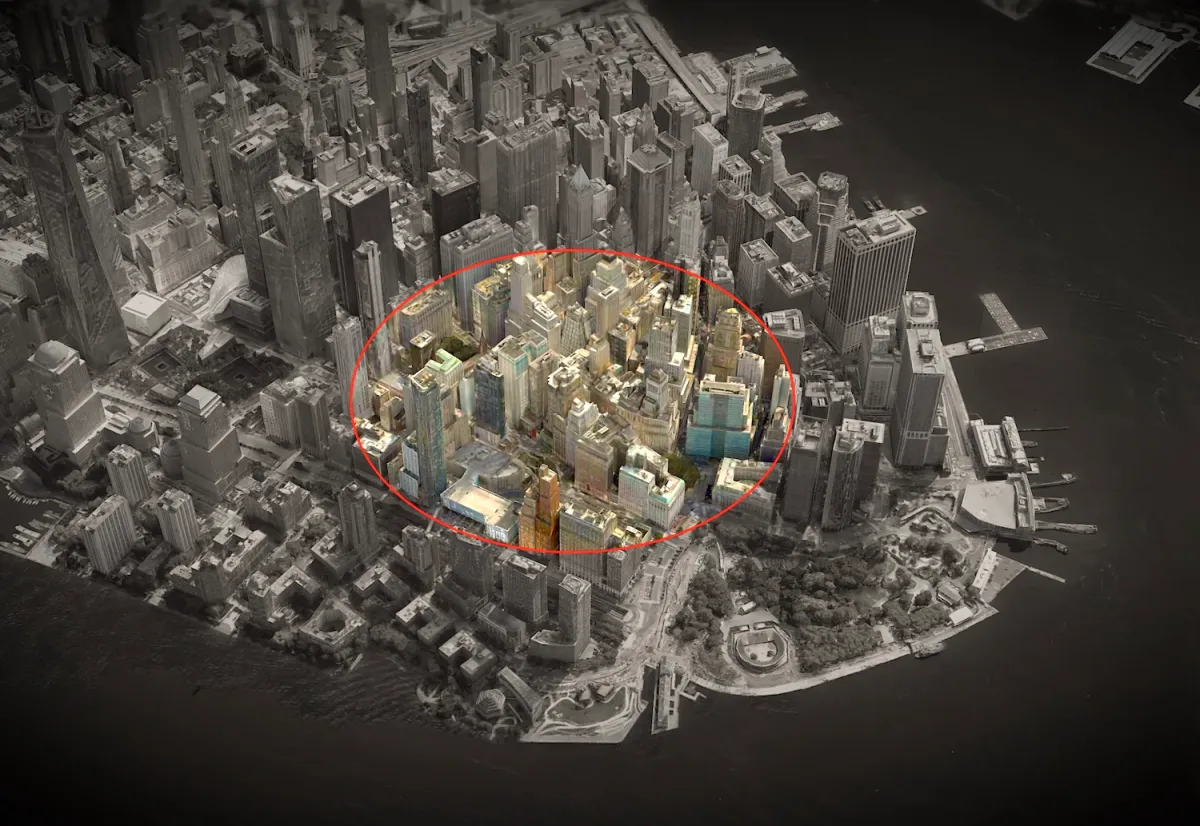
The 6-3 decision lands on a practice that has quietly spread through US policing. When investigators have a crime scene but no suspect, they draw a virtual box on a map and ask a tech company who was inside it. The court has just made that far harder to do.
What the court decided
The ruling came in Chatrie v. United States, a case built on a 2019 bank robbery in Midlothian, Virginia. The justices held that pulling a person’s phone-location records is a search under the Fourth Amendment. So police need a warrant backed by probable cause.
Justice Elena Kagan wrote the controlling opinion, joined by four colleagues, with Justice Neil Gorsuch agreeing on the result for his own reasons. “An individual has a reasonable expectation of privacy in his cell-phone location information,” the court said, TechCrunch reported. Justices Alito and Barrett dissented.