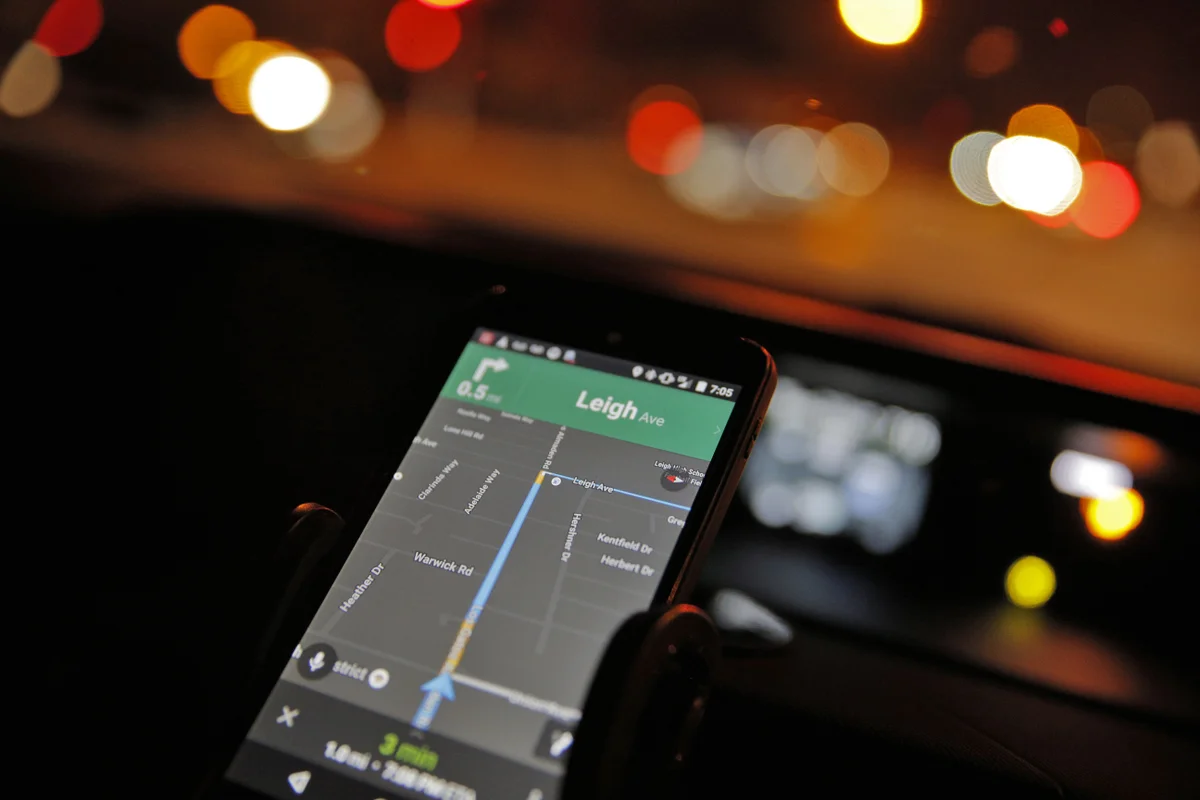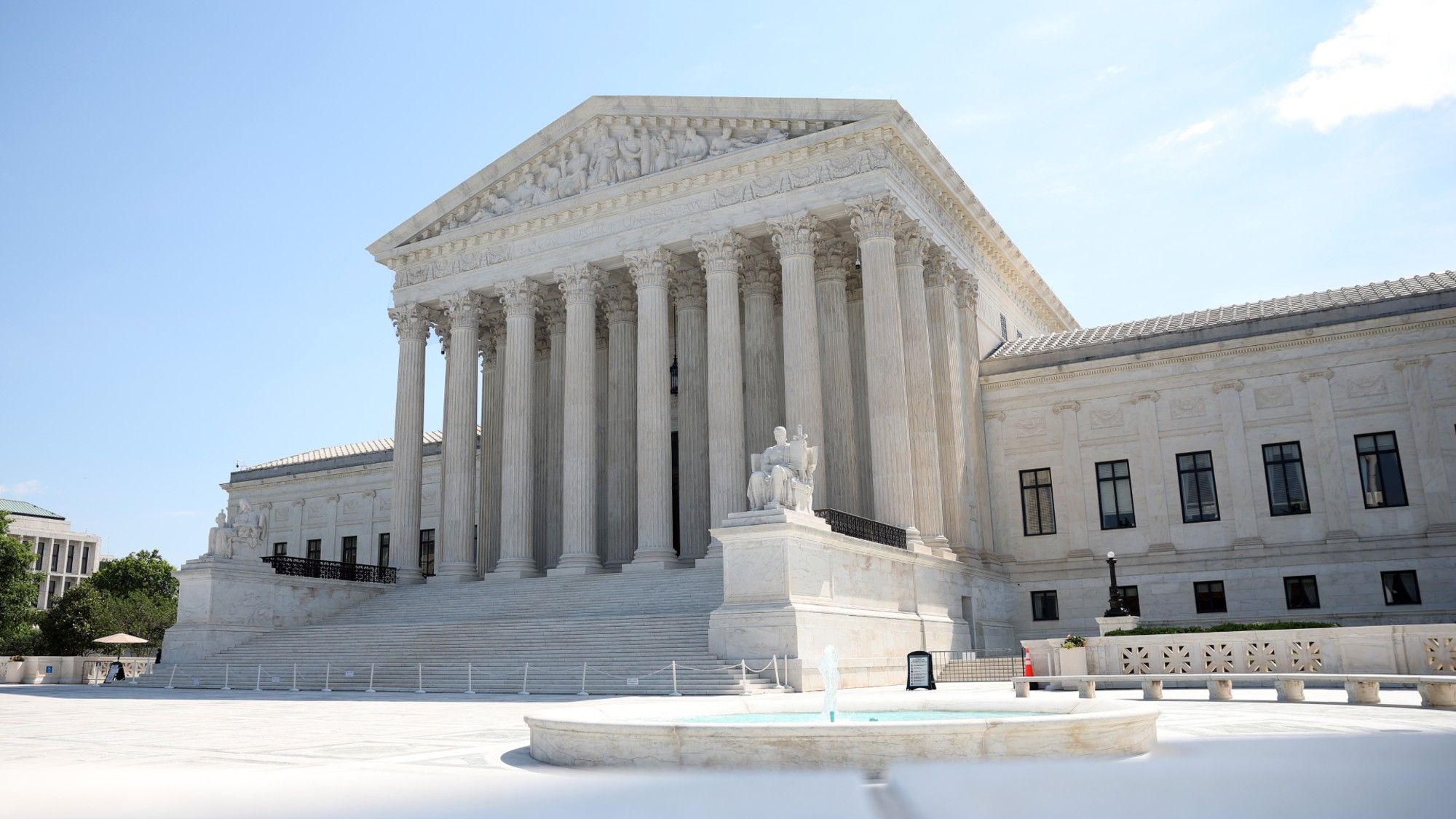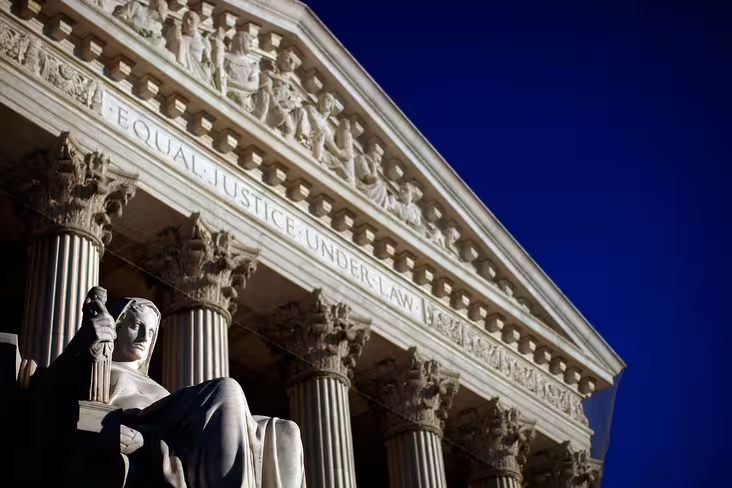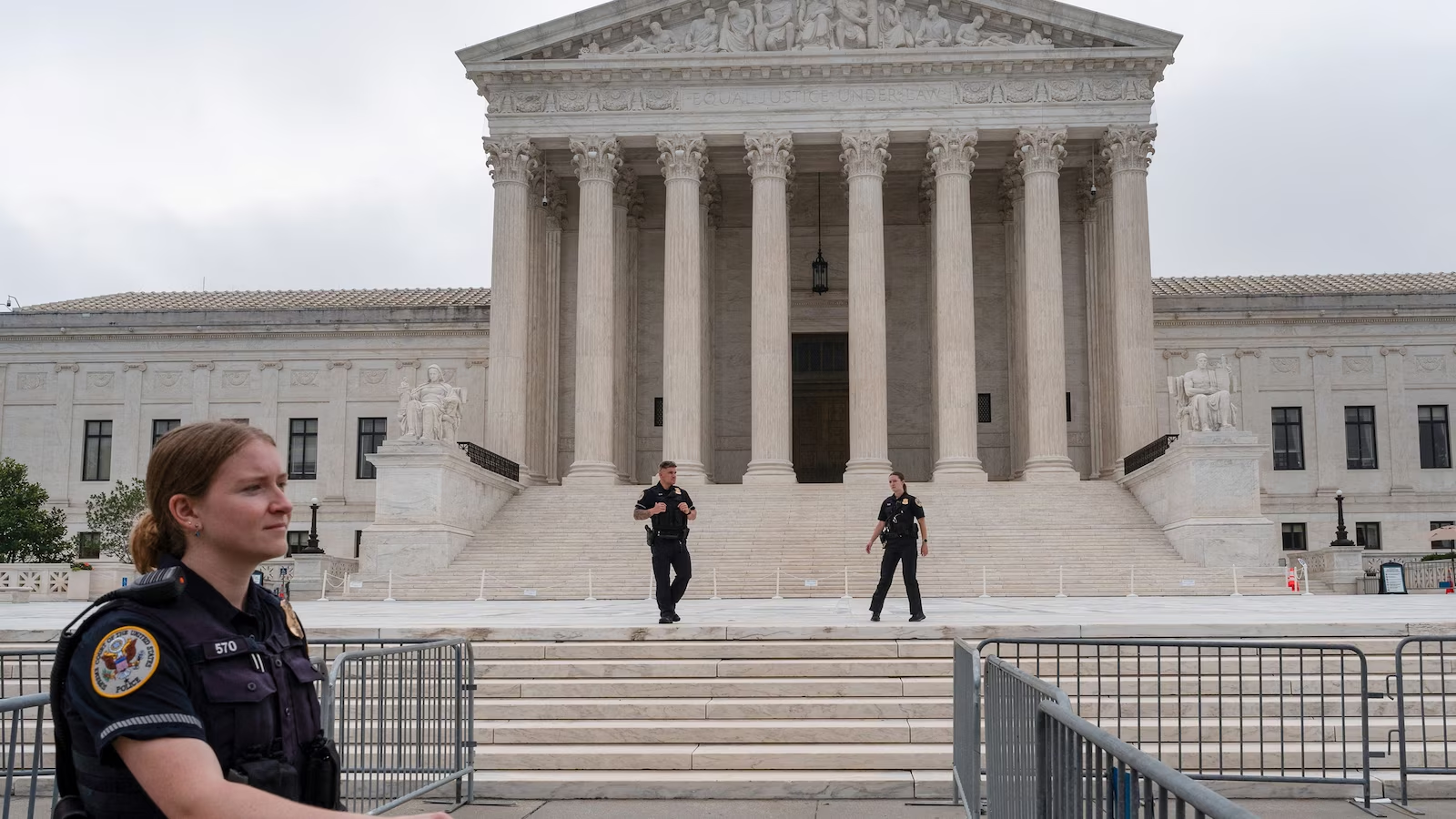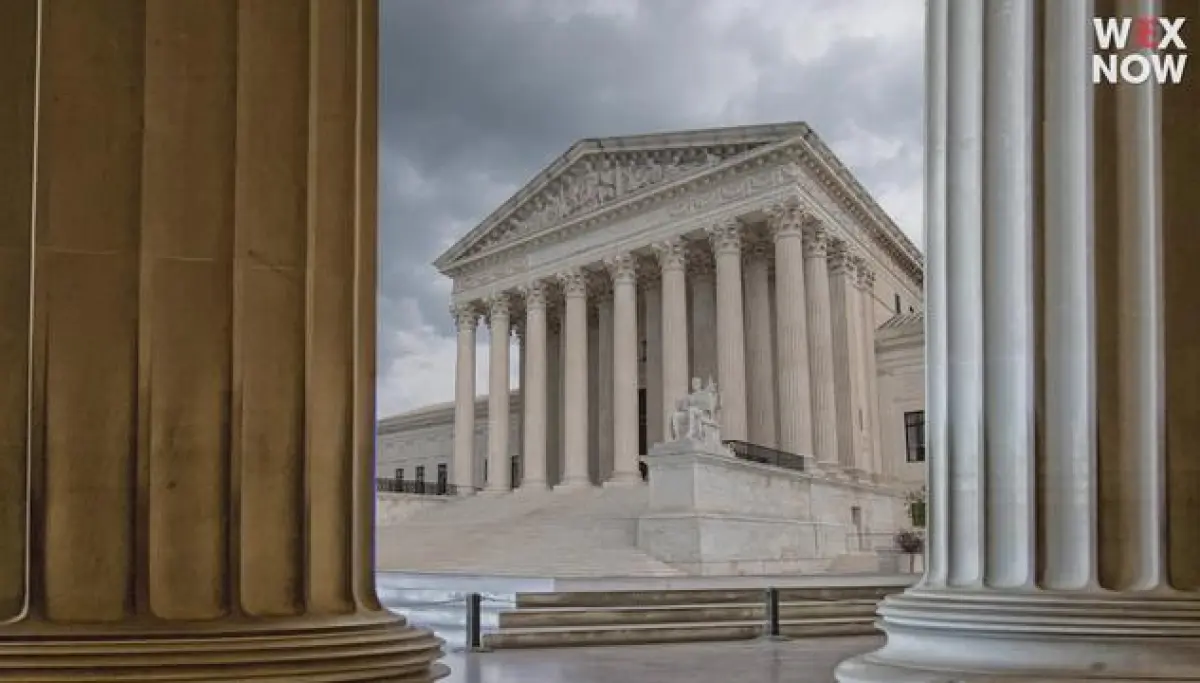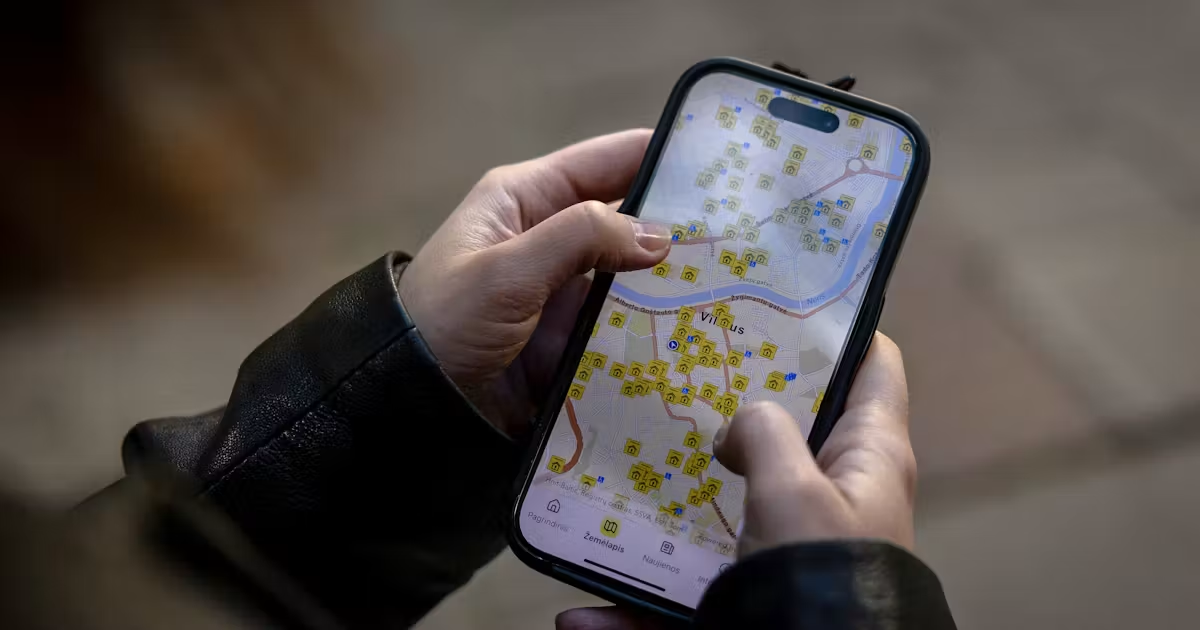
WHAT JUST HAPPENED? A recent Supreme Court decision puts new limits on how police can use smartphone location data, a tool that has become increasingly common as digital tracking grows more precise. In Chatrie v. United States, the Court ruled 6 – 3 that using a geofence warrant qualifies as a search under the Fourth Amendment. As a result, police use of these warrants is now subject to constitutional limits and judicial oversight.
Geofence warrants work differently from traditional investigations. Instead of starting with a suspect, police define a specific place and time, then ask a company to provide data on all devices in that area. From there, investigators narrow the list and may request identifying details for certain users.
The case centers on a 2019 robbery at a credit union in Virginia. Police asked Google for data on devices within a roughly 500-foot radius of the building during a one-hour window. Google initially provided anonymized data for 19 users. Investigators later asked for more details, and the company identified three people, including Okello Chatrie. His location history became part of the case against him.
The decision draws on the Court's 2018 Carpenter v. United States case, which found that people retain a privacy interest in cellphone location records even when a company stores them. This latest ruling extends that idea to geofence warrants, recognizing how much can be learned from tracking where a device has been.