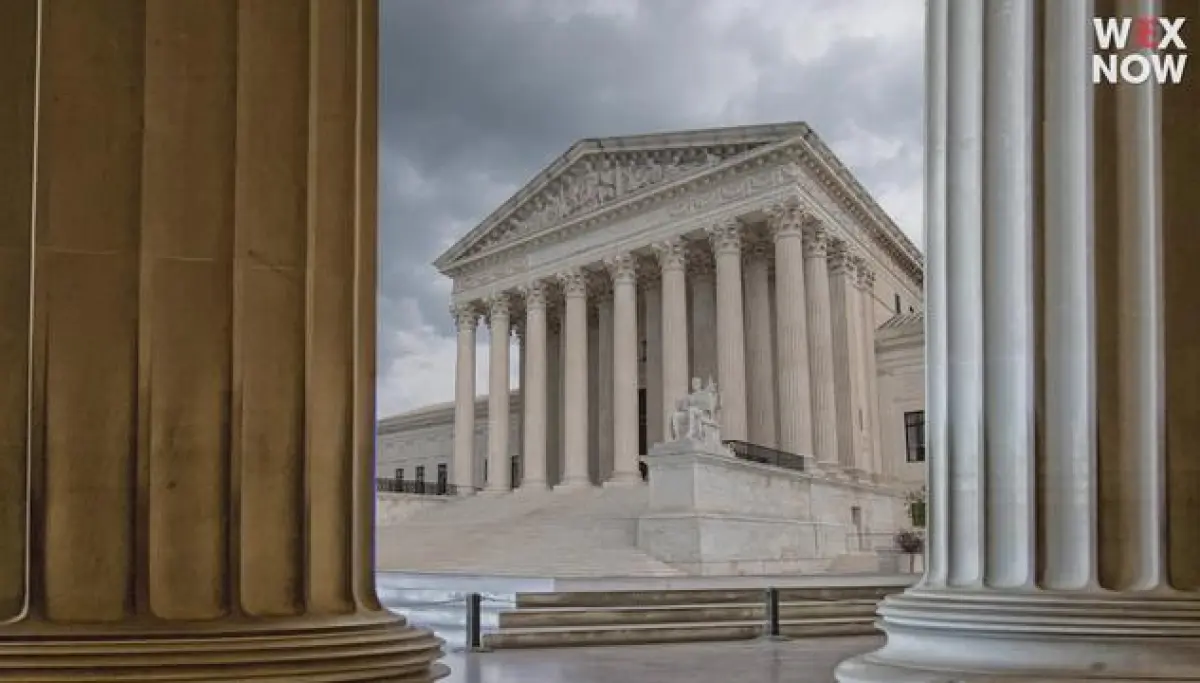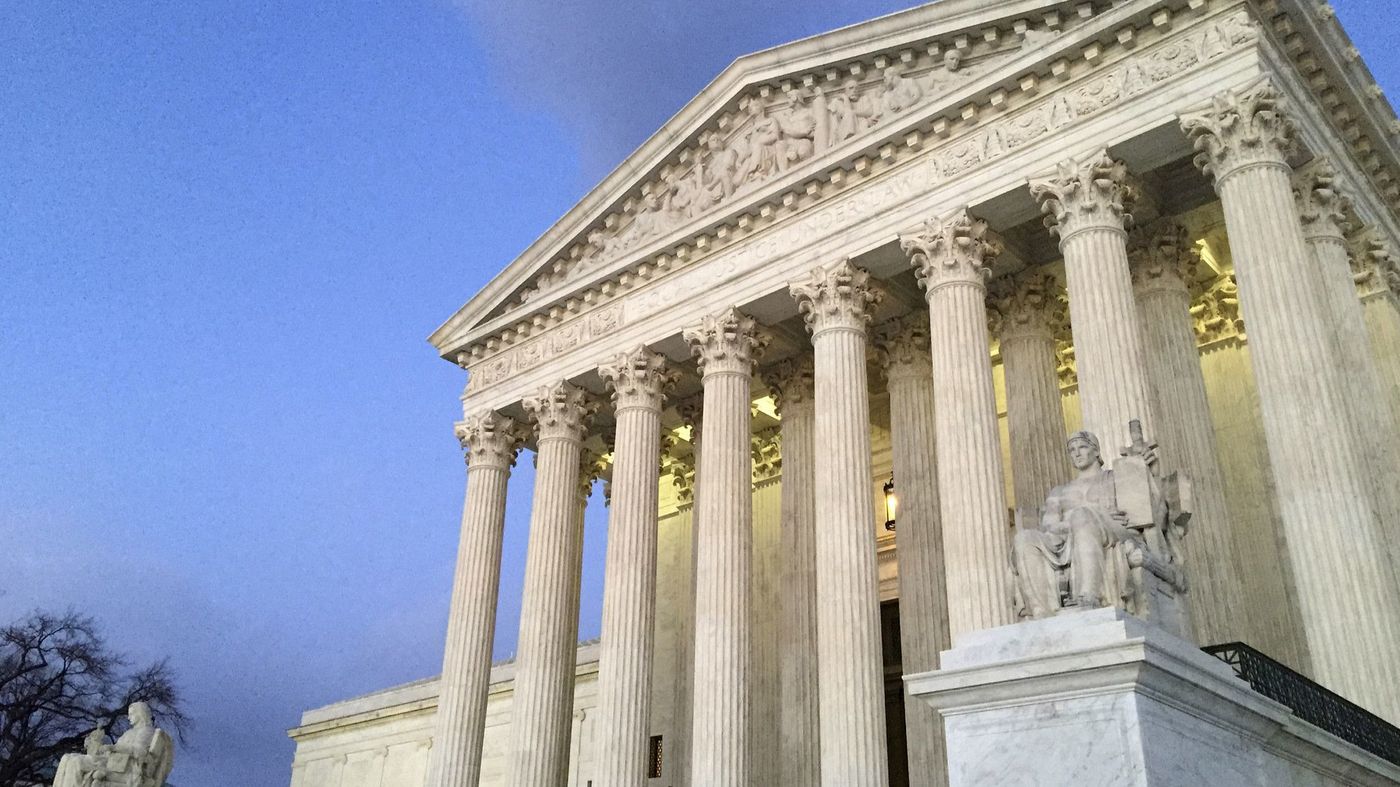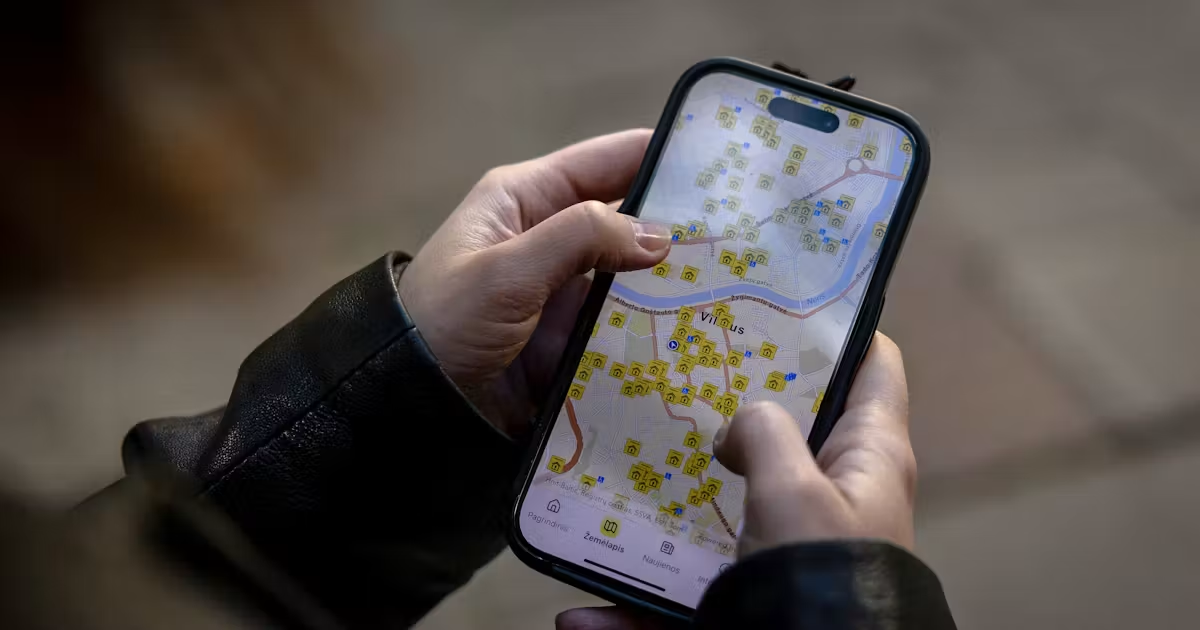
In the era of mass surveillance, victories for privacy tend to be rare, making it that much more important to celebrate them when they occur. And, well, last month’s Supreme Court decision in Chatrie v. United States is just such an occasion.Being the first Supreme Court case in nearly a decade to tackle matters of privacy and government surveillance in the digital age, Chatrie specifically dealt with geofence warrants and the government’s ability to access user location history data from Google.While investigating the 2019 robbery of a Virginia credit union, law enforcement applied to a magistrate for a three-step warrant directed at Google. At the first step, Google was to hand over anonymized location history data for devices present within 150 meters of the crime scene within one hour of the crime. At the second, police would attempt to narrow the list of devices, and Google would turn over additional anonymized data covering a two-hour period for devices on the narrowed list. At the third, law enforcement would attempt to pare the list once more, and Google would hand over identifying information for users whose devices remained.
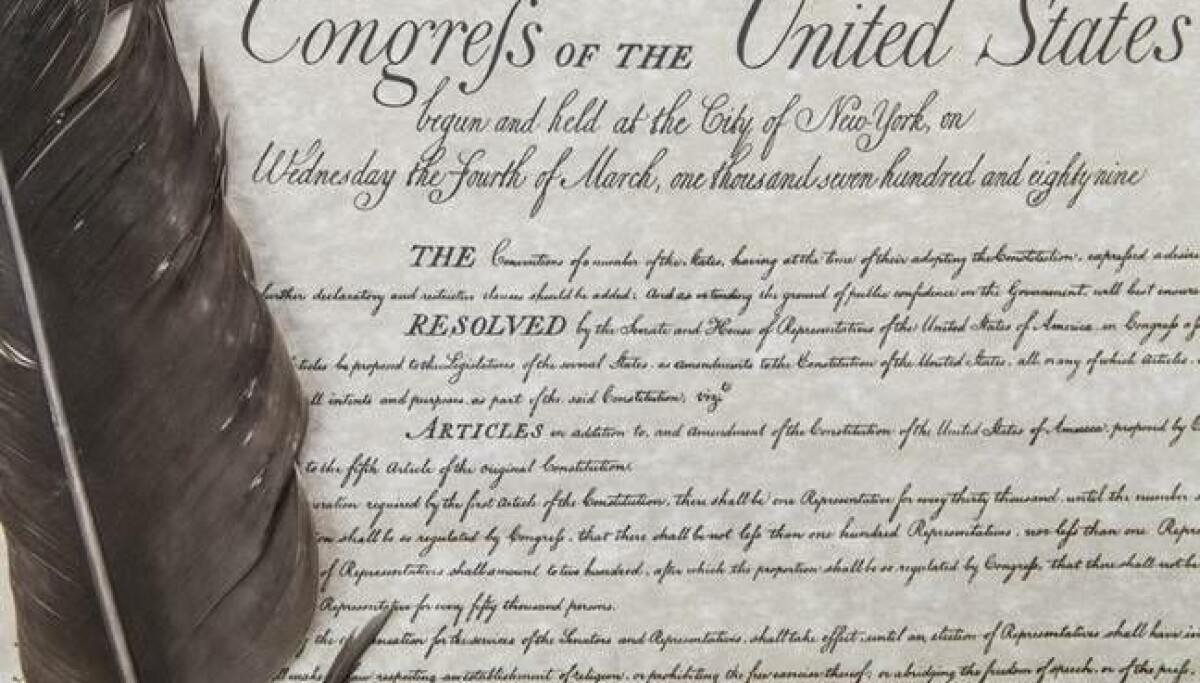
Following Google’s compliance, Okello Chatrie found himself on the final list and hit with robbery and firearms charges, but moved to suppress evidence obtained from Google, claiming law enforcement engaged in a Fourth Amendment search and that the warrant was invalid. Law enforcement countered that the limited data obtained did not amount to a Fourth Amendment search and that no one has a reasonable expectation of privacy in data they voluntarily let Google collect on them. In the majority opinion for the case, however, the court disagreed.Although the court did not rule on whether the search was ultimately unreasonable, the majority opinion made it clear “police officers invade a cell-phone user’s reasonable expectation of privacy when they access his Location History. It does not matter if the time period scrutinized was only two hours. Nor does it matter that the materials obtained were handed over by a third-party tech company.”In essence, the ruling affirmed at least some data collected by Big Tech on individuals cannot simply be accessed by the government whenever it wants. It also limits third-party doctrine arguments, established in the ’70s through decisions concerning one’s expectations of privacy in banking transactions and landline call history, that generally hold one has no Fourth Amendment rights in personal information held by third parties.Moreover, the main opinion extends privacy rights affirmed through Carpenter, a 2018 case in which the court held that accessing seven days of cell-site location information from a carrier constituted a Fourth Amendment search, in part because of how such data could be used to retrospectively reconstruct a detailed record of a person’s public and private movements without ever having to select a person for surveillance in advance.Additionally, Chatrie seems to elevate general expectations of privacy or ownership with regard to some forms of personal data collected by Big Tech while eschewing line-drawing exercises such as how much law enforcement can invade someone’s privacy before violating their Fourth Amendment rights.WHEN THE GOVERNMENT SEARCHES GOOGLE, IT SEARCHES YOULooking ahead, it remains to be seen how this decision will be applied to future cases involving law enforcement’s attempts to access data from other modern technological conveniences, voluntarily or otherwise. Furthermore, it will be interesting to see whether the decision has any implications for direct government surveillance of public places that similarly can be used to reconstruct a person’s movements (e.g., ALPRs, facial recognition).Until then, though, Chatrie does offer some reason for hope that the future of privacy in the digital age might be a little less bleak.Daniel Nuccio is an independent journalist and a spring 2026 College Fix fellow. He is a regular contributor to the College Fix and the Brownstone Institute. He earned his doctorate in biology in 2025.