Legal
Efforts to grab all the location data in an area get clogged by Fourth Amendment
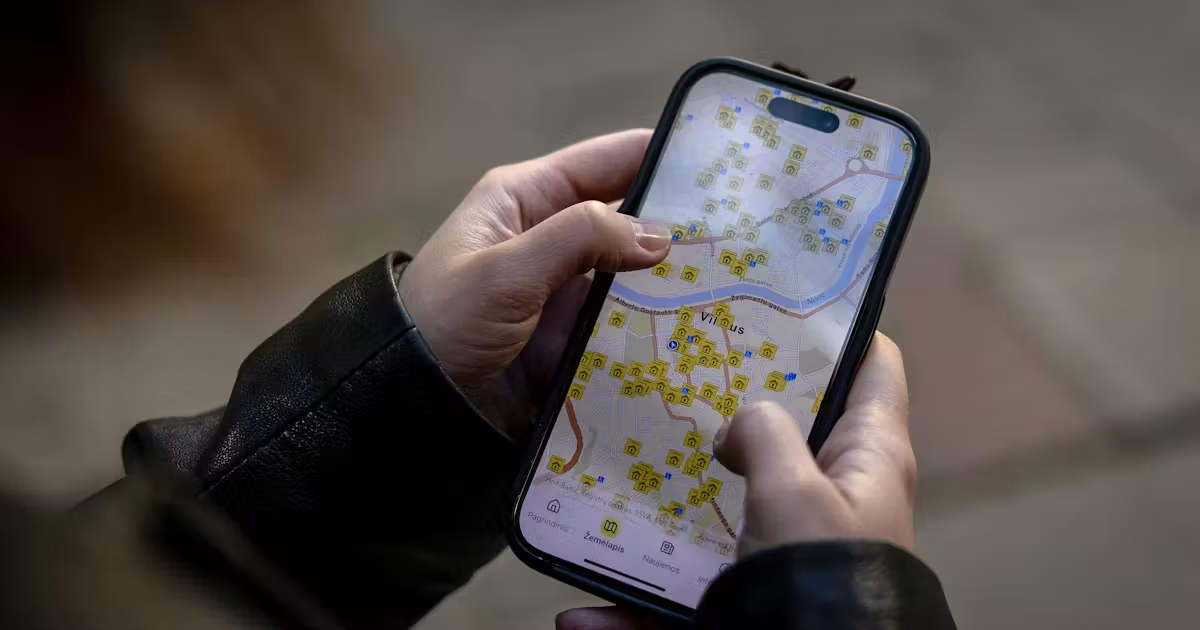
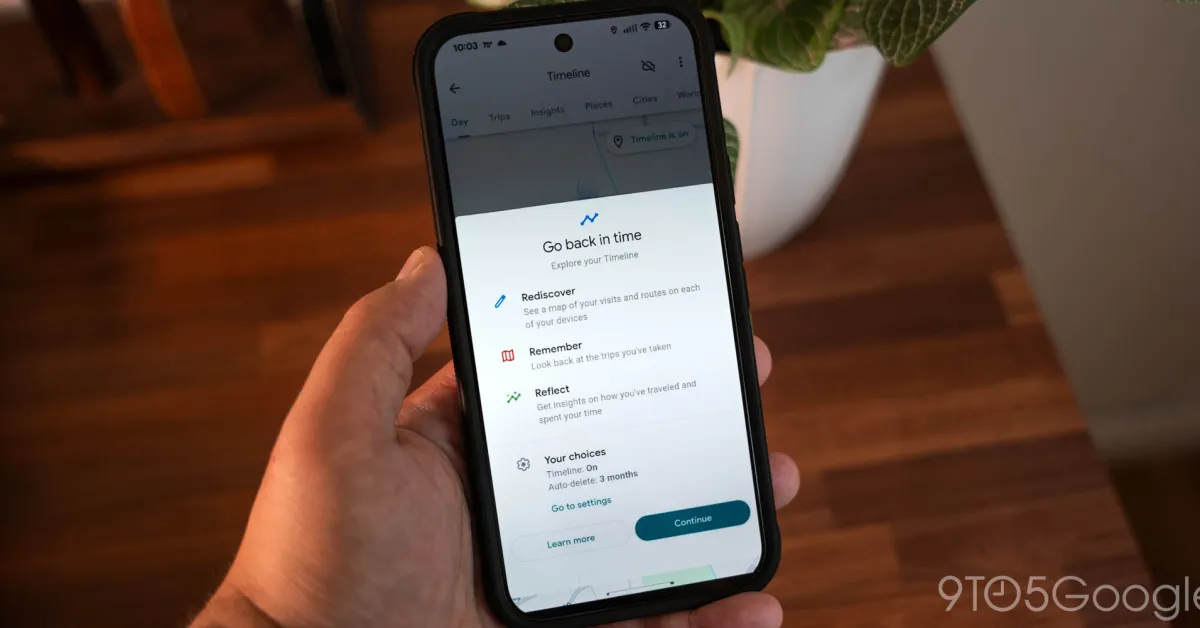
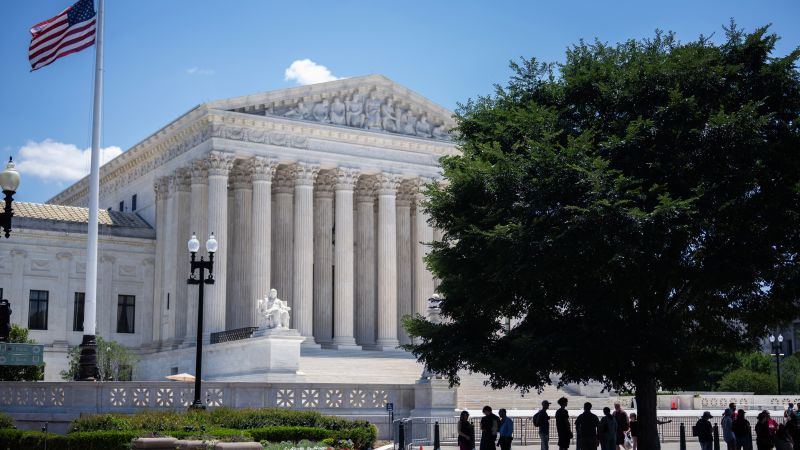
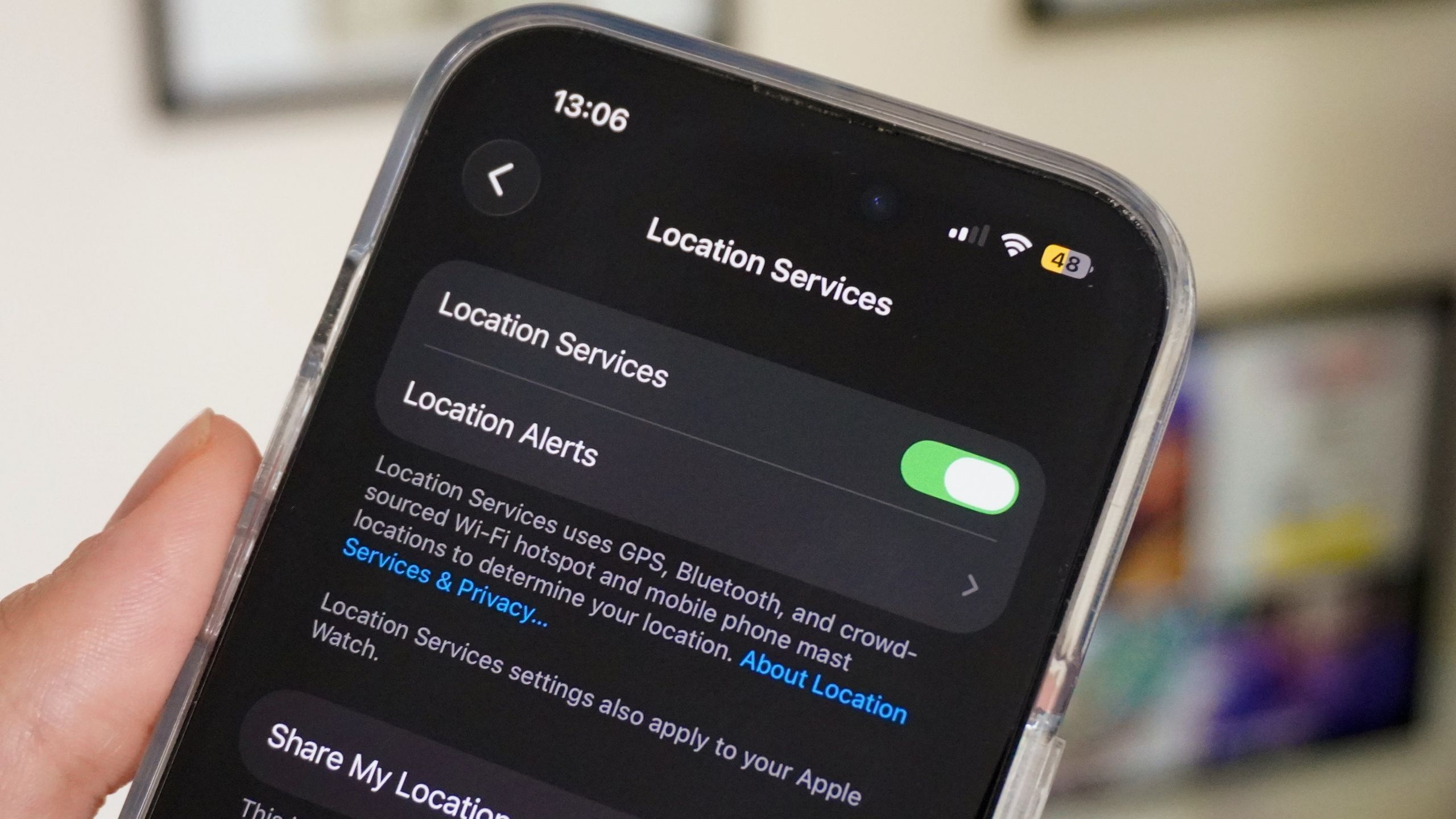
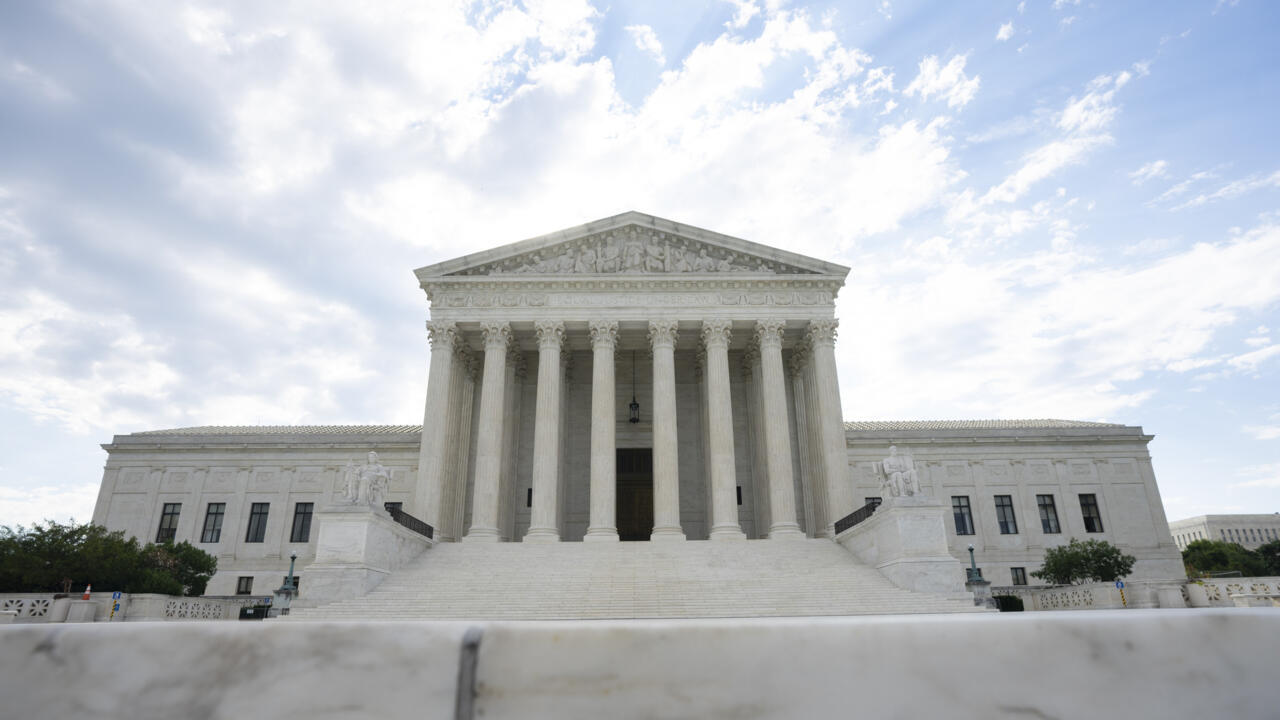
The US Supreme Court on Monday ruled that people have a reasonable expectation of privacy with regard to mobile phone geolocation data, a decision privacy advocates have sought for years.The Court's ruling in Chatrie vs. United States [PDF] concluded, "Police officers conducted a Fourth Amendment search when they acquired Chatrie’s location data from Google because an individual has a reasonable expectation of privacy in his cell-phone location information."Police did so through a so-called geofence warrant. The warrant required Google to provide mobile phone Location History collected from within a 150-meter radius of a credit union during the hour around when it was robbed.
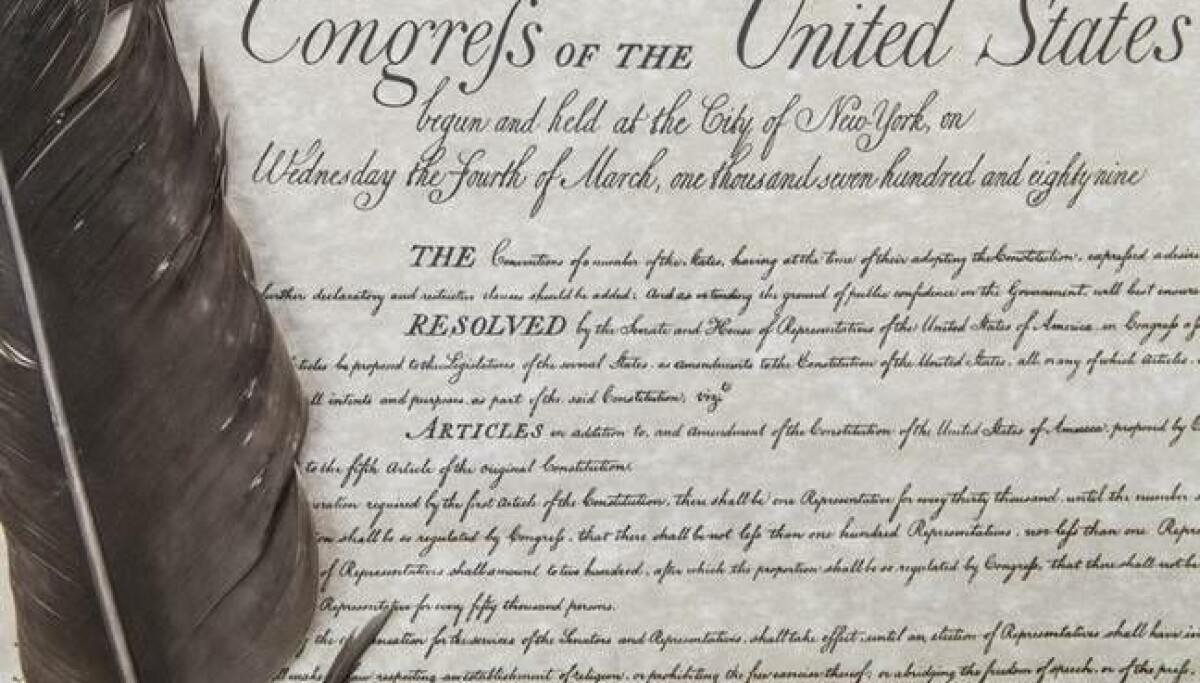
The Fourth Amendment protects against unreasonable searches and seizures by requiring authorities to obtain a warrant based upon probable cause.
The Court's conclusion does not resolve Chatrie's case, which has been remanded to the US Court of Appeals to assess the disputed warrant's validity. But it does make clear that Location History data requires a warrant. And it amplifies the impact of Carpenter v. United States [PDF], a 2018 ruling that limited warrantless searches of cell-site location information (CSLI).In a social media post, Stanford Law School professor Orin Kerr expressed surprise that Justice Kavanaugh joined the majority in the 6-3 decision."If you're a privacy advocate, Chatrie is just about the best possible outcome you could have expected," said Kerr, who in 2024 argued Chatrie had no Fourth Amendment right to his location data because Chatrie had opted in to Google's Location History.