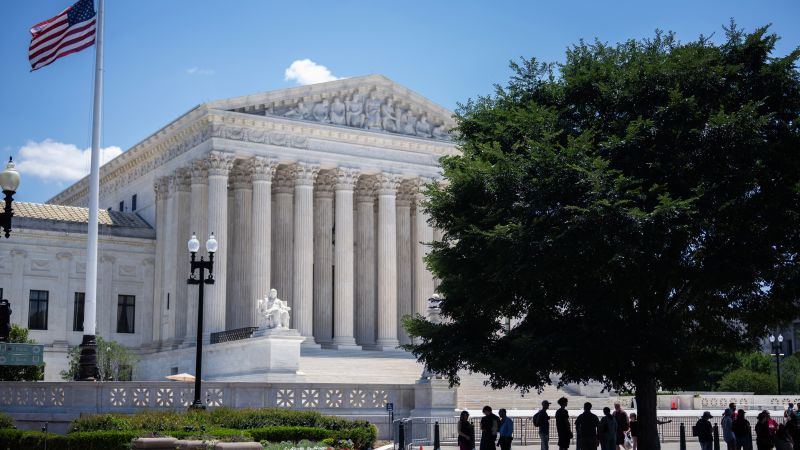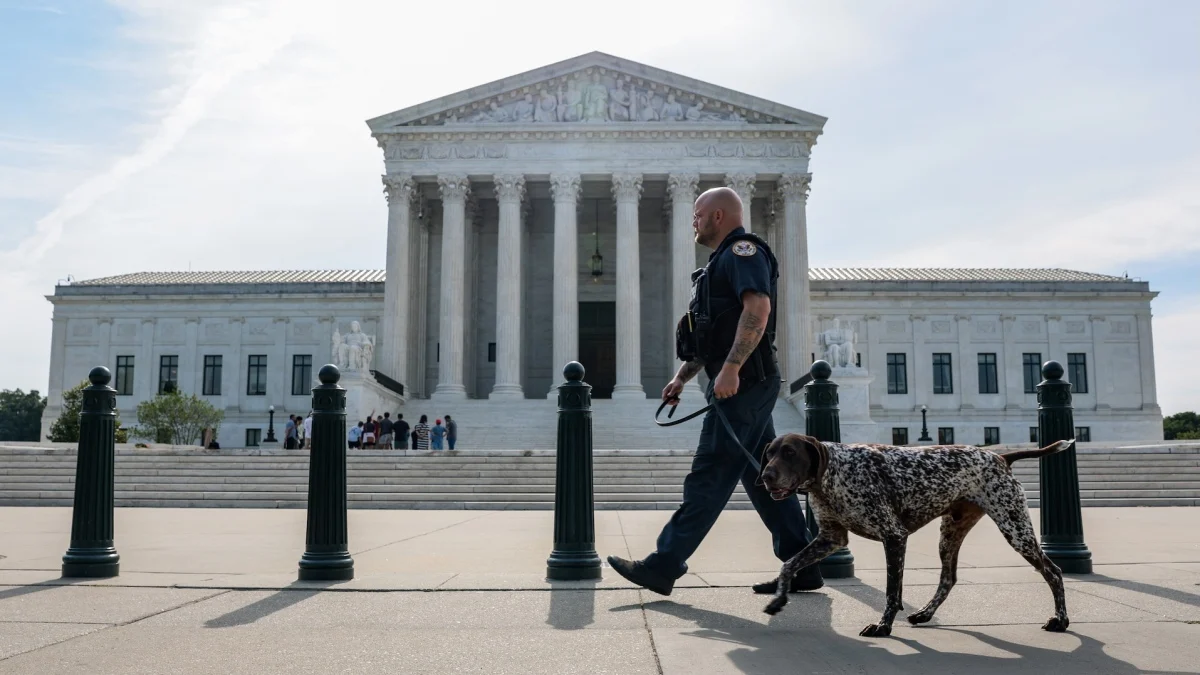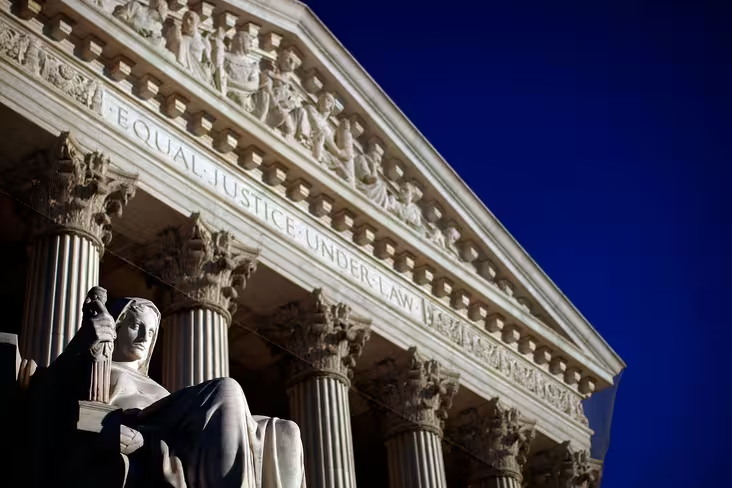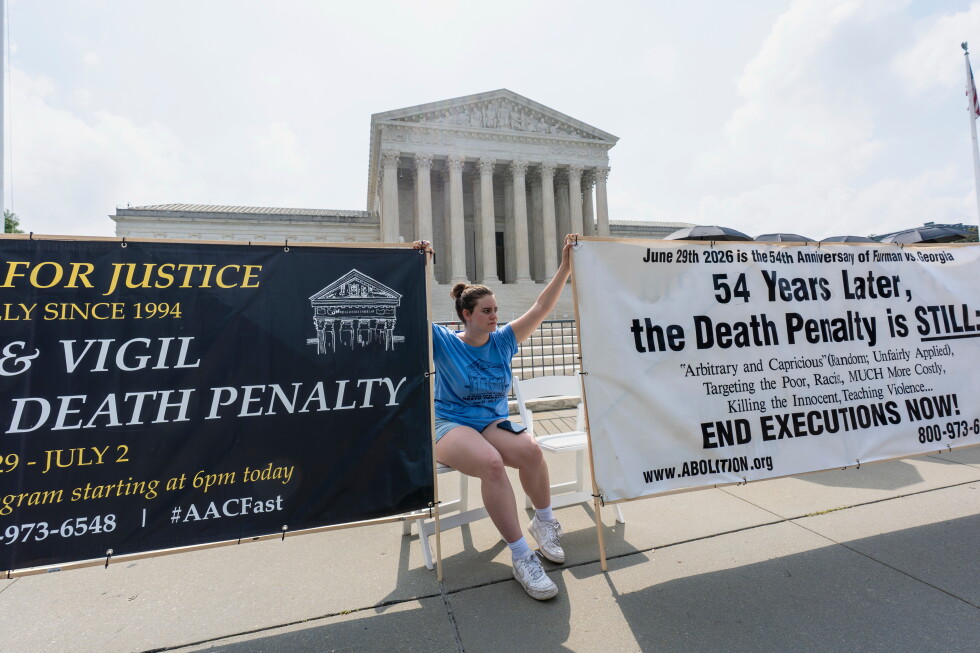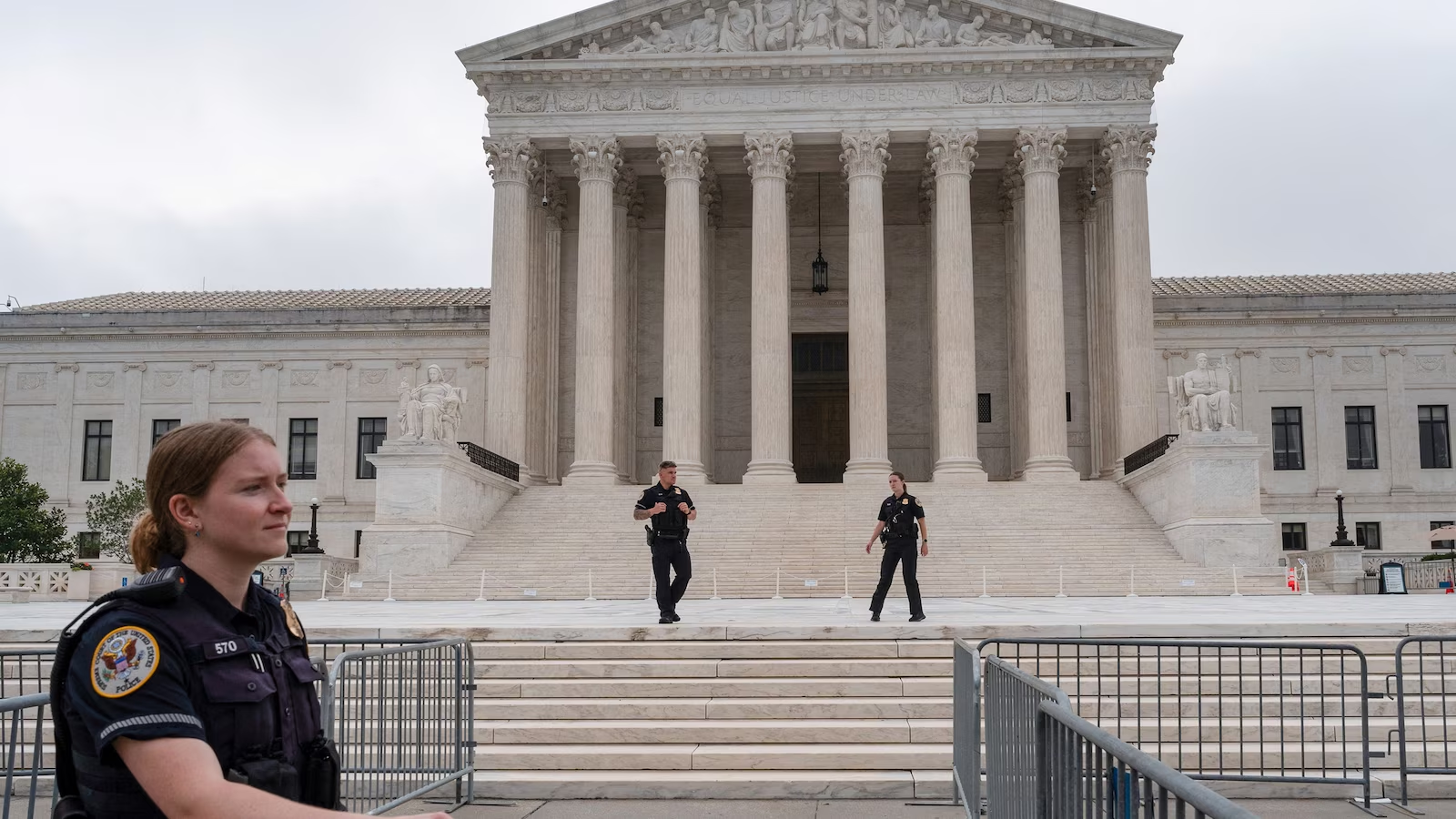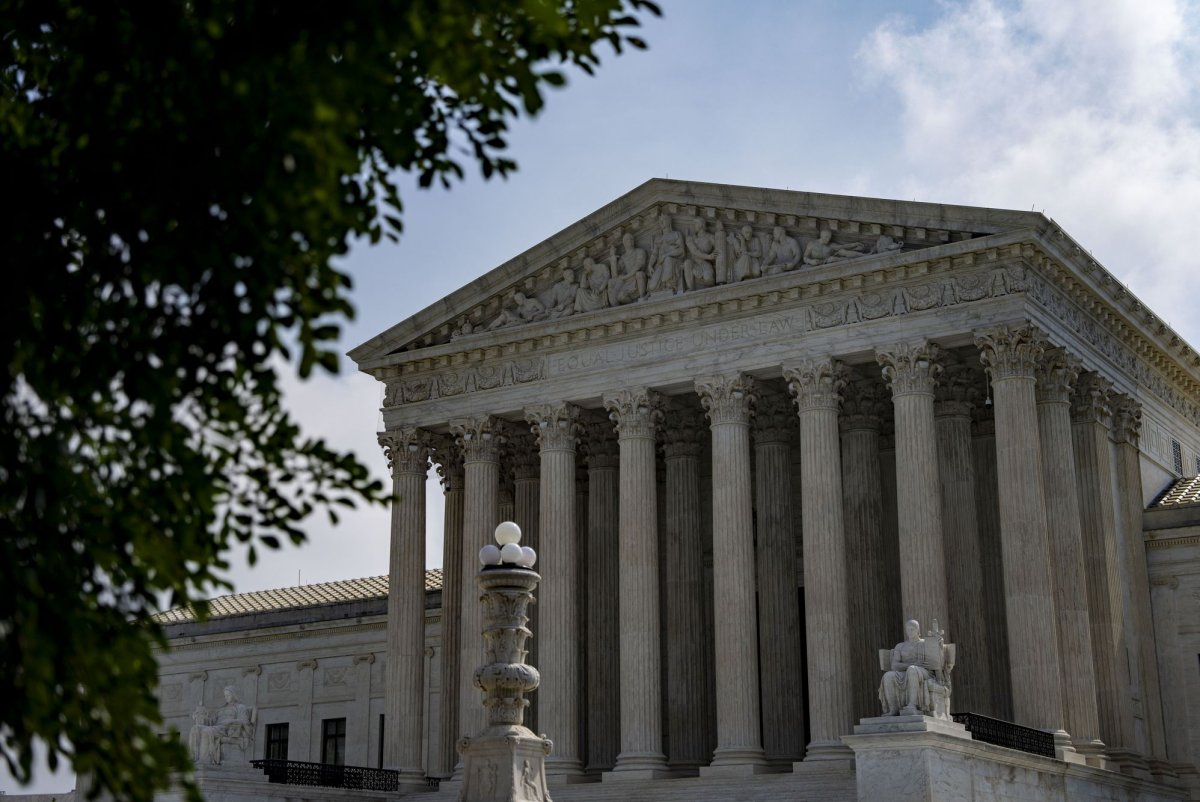
The Supreme Court of the United States is seen Monday in Washington, D.C. The court ruled Monday that police need a warrent to access "geofence" surveillance of those suspected of a crime. Photo by Bonnie Cash/UPI | License Photo
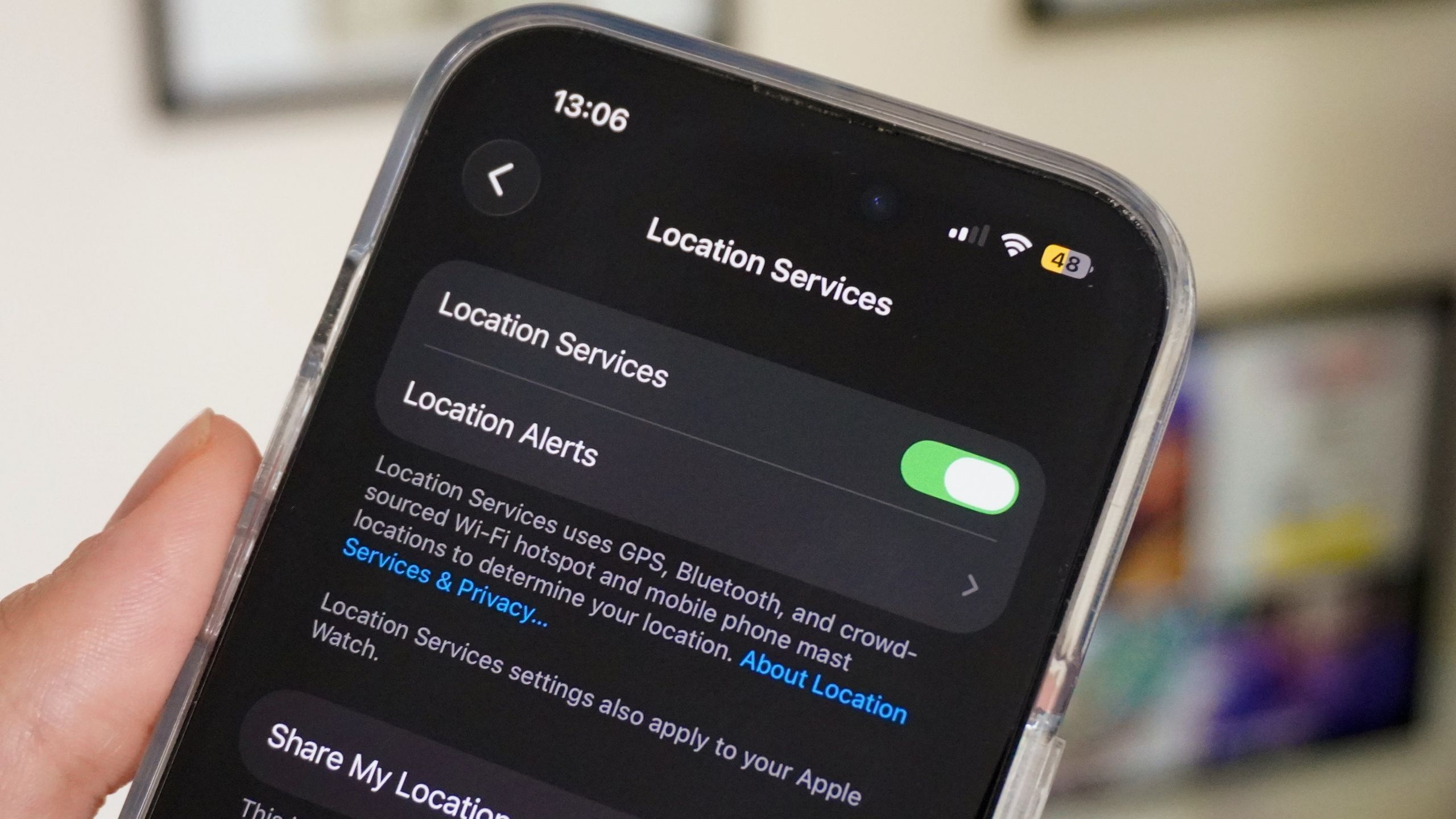
June 29 (UPI) -- The U.S. Supreme Court on Monday ruled that law enforcement agencies looking to obtain sweeping data on cellphone users in the vicinity of a crime scene must have a warrant.
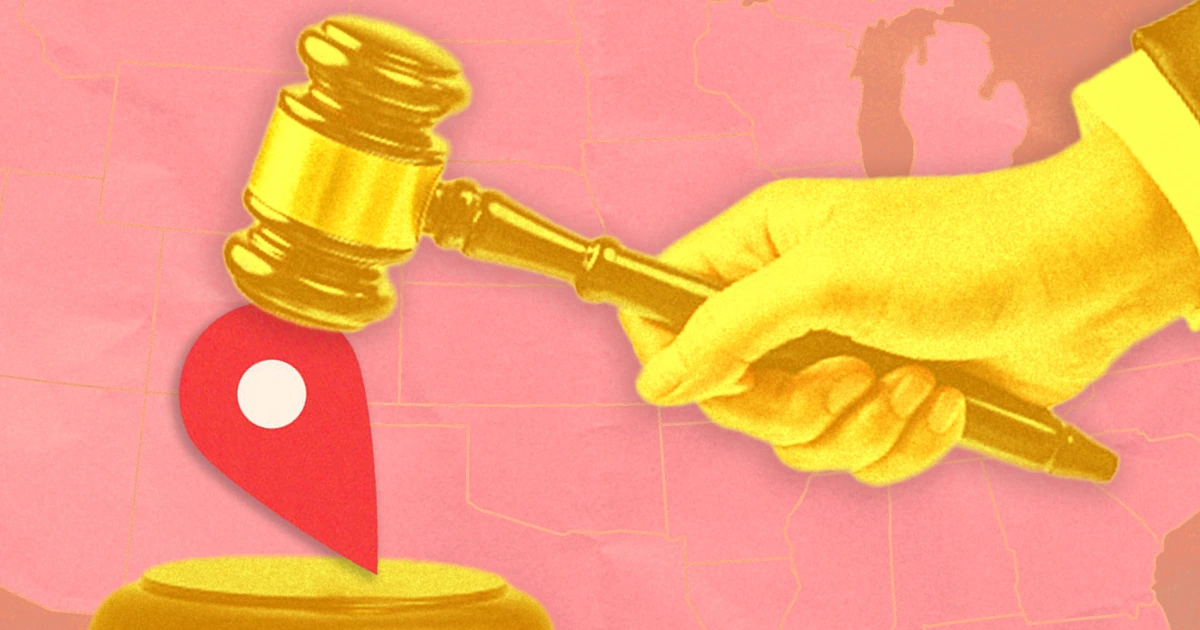
The case, Chatrie vs. United States, involved a man convicted for a bank robbery in Virginia after police obtained information from Google on cellphones nearby during the crime while not seeking a particular suspect. The court ruled 6-3 that this broad "geofence" surveillance equals a search under the Fourth Amendment of the Constitution, which protects people against unreasonable searches and seizures.
The Trump administration had argued that the police officers didn't need a warrant for the information at all, NBC News reported.
The court did not rule on whether the warrant in this particular case was valid but sent the case back to a lower court for review.