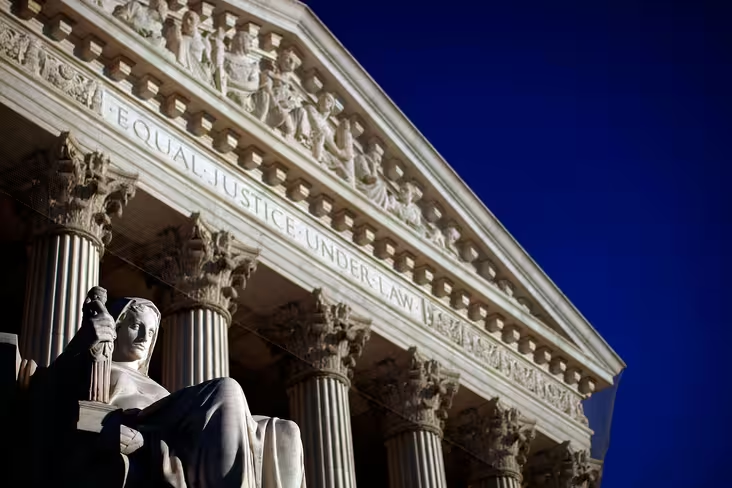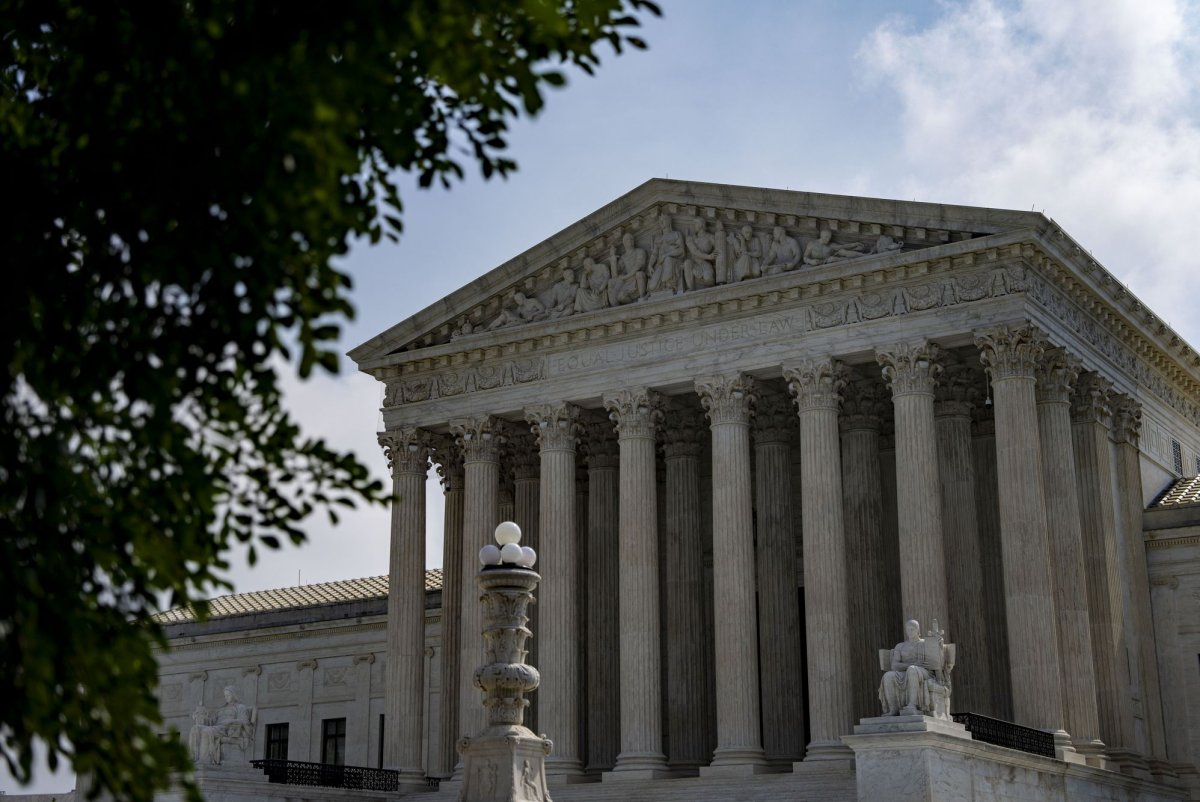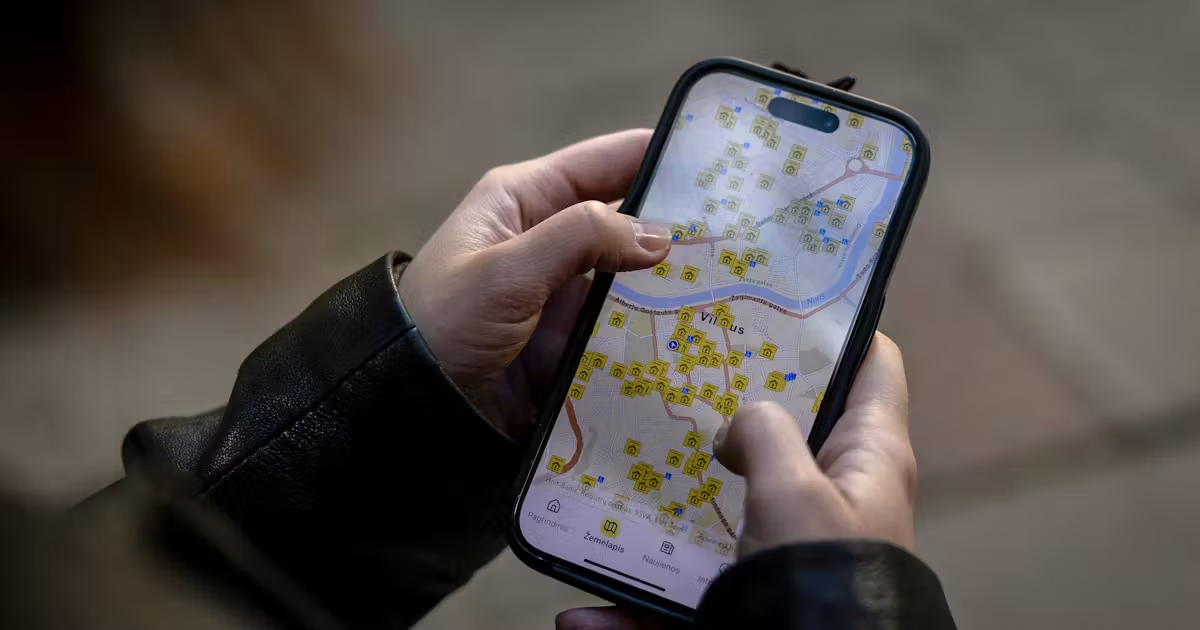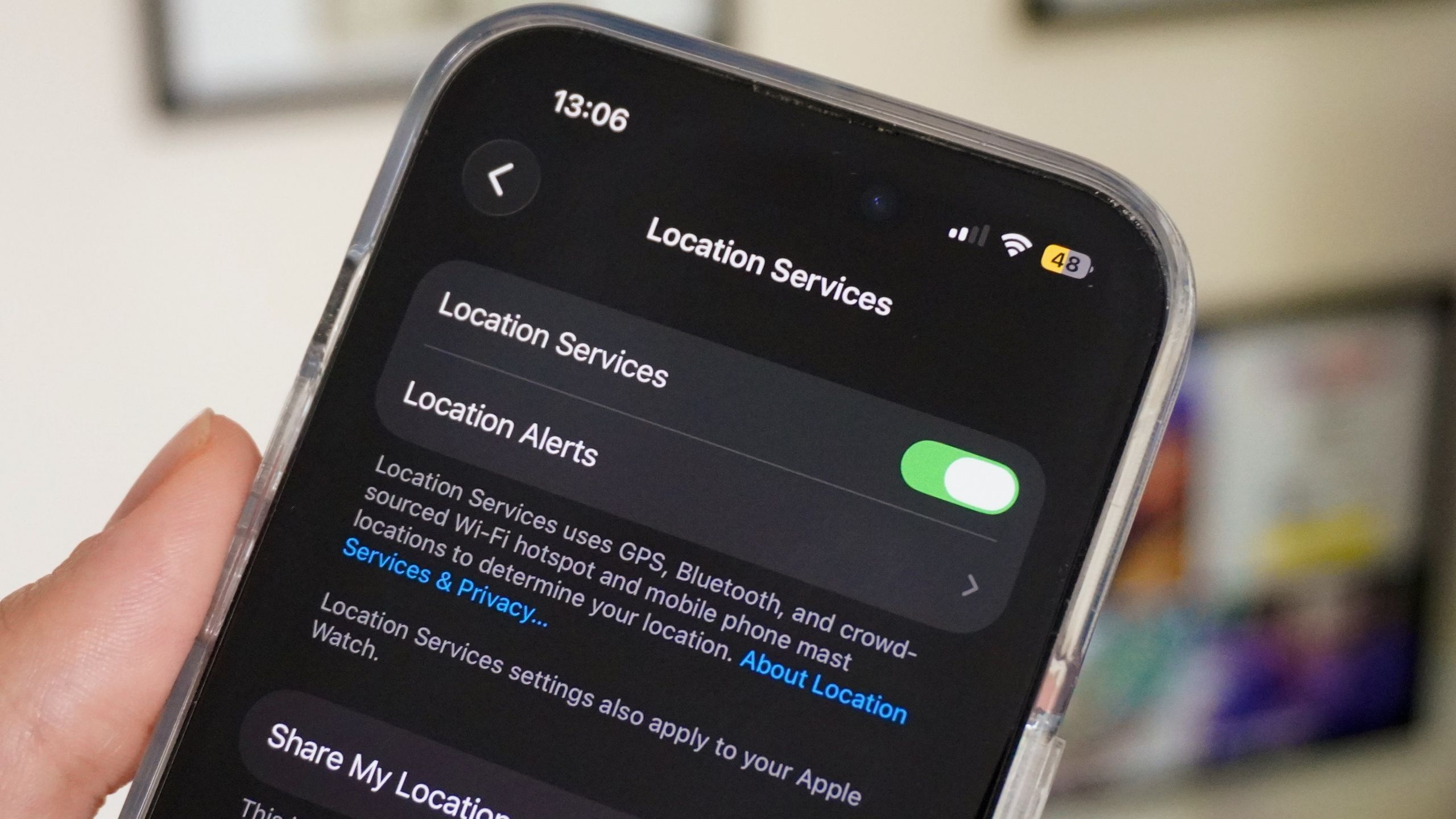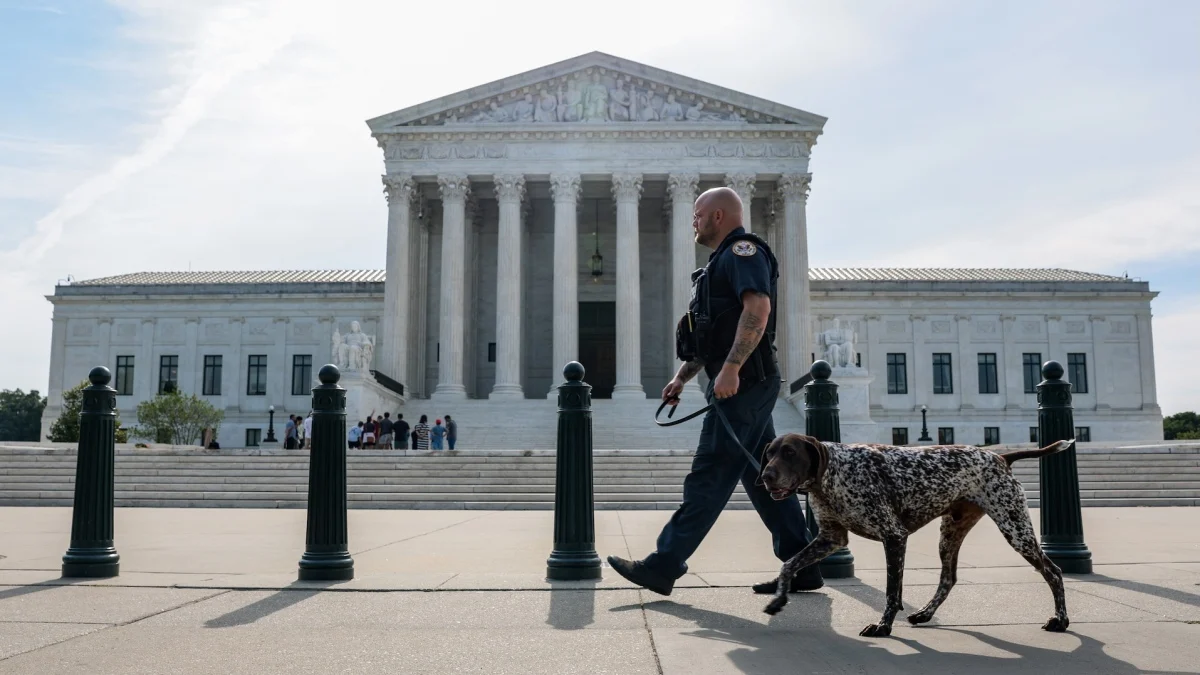
The Supreme Court ruled 6-3 that police must obtain warrants to conduct wide searches of cell phone data at crime scenes, also known as "geofence" searches.In its ruling on Chatrie v. United States, the justices said that Americans are entitled to privacy with the location data their phones track, even if they consent to sharing it with tech companies like Google and Apple.The case involved Okello T. Chatrie, a man convicted of robbing a Virginia bank in 2019. Prosecutors obtained a warrant for a geofence search that captured location data near the bank around the time of the robbery and, as a result, identified Chatrie as a suspect. Geofence searches draw a digital fence around a crime scene and pull data from all digital devices within that space.
You May Also Like
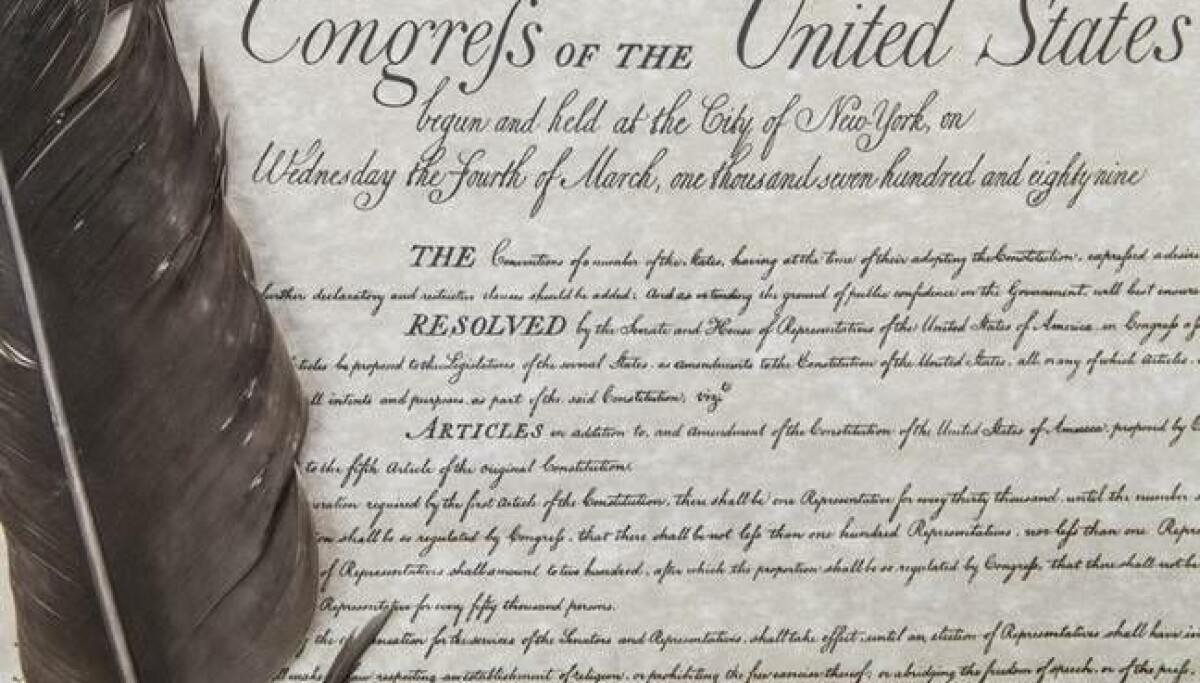
Even with the warrant, Chatrie's lawyers claimed the government sought an "overly broad set of data that violated the Fourth Amendment," the New York Times reports. The Fourth Amendment protects Americans from unreasonable searches and seizures by the government.
The Justice Department claimed the government did not need a warrant to view anonymous location data, especially since users had already acquiesced to tech companies tracking that data. A majority of the justices disagreed.