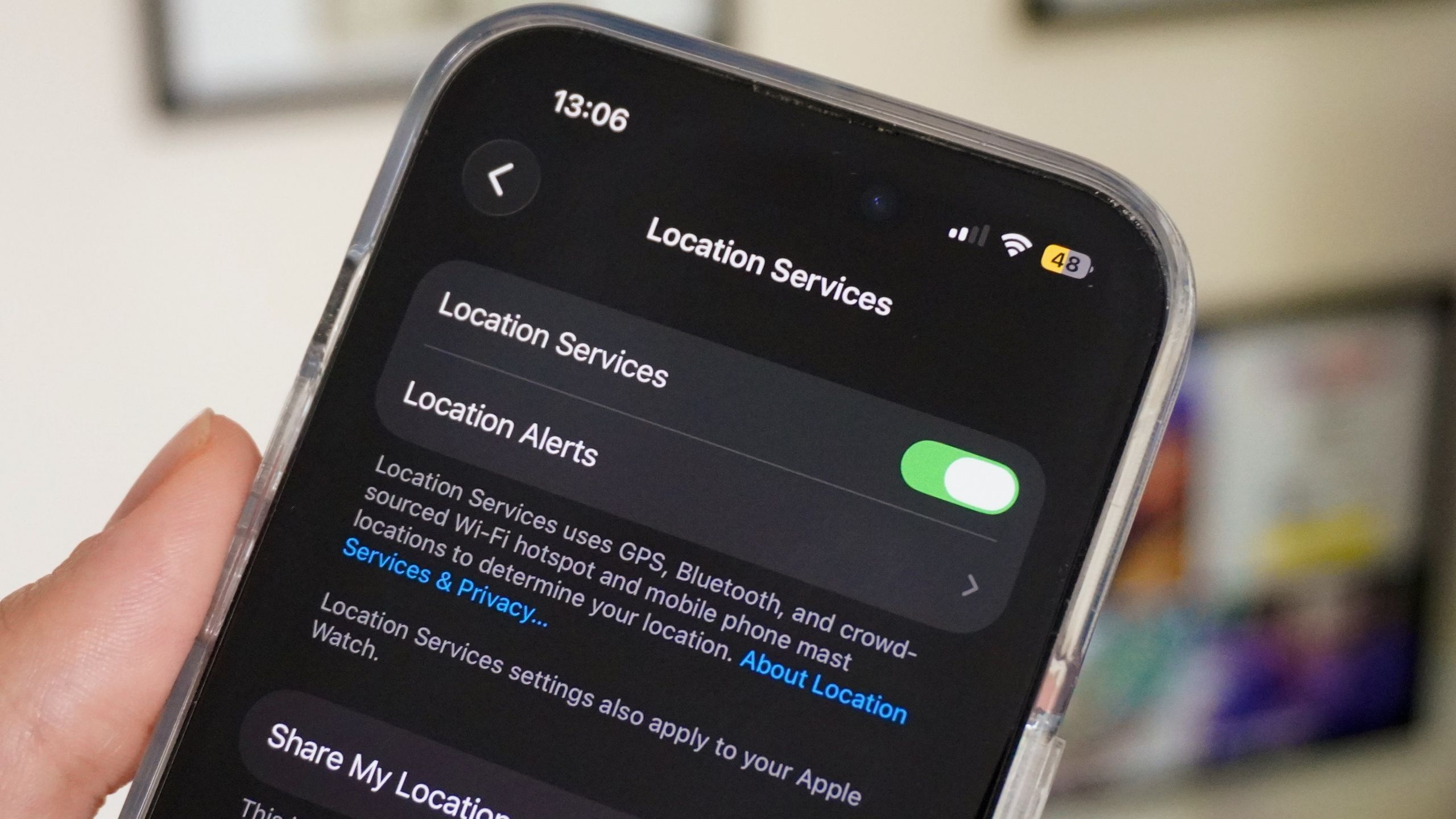
In a 6-3 decision, the Supreme Court ruled that police conduct a Fourth Amendment search when they obtain a person’s detailed cellphone location history from a tech company, even when the data covers only a short period. Here’s what that means.
A bit of context
In 2019, Virginia police used a geofence warrant to obtain Google location data from Android phones near the scene of a robbery, ultimately leading investigators to a suspect.
Initially, Google provided anonymized location data for 19 devices, which investigators narrowed to 9 and ultimately to 3 identified users.
That, in turn, led investigators to Okello Chatrie, who was later indicted by a federal grand jury on robbery and firearms charges. Chatrie moved to suppress the Google location data, arguing that police had obtained it through an unconstitutional search.