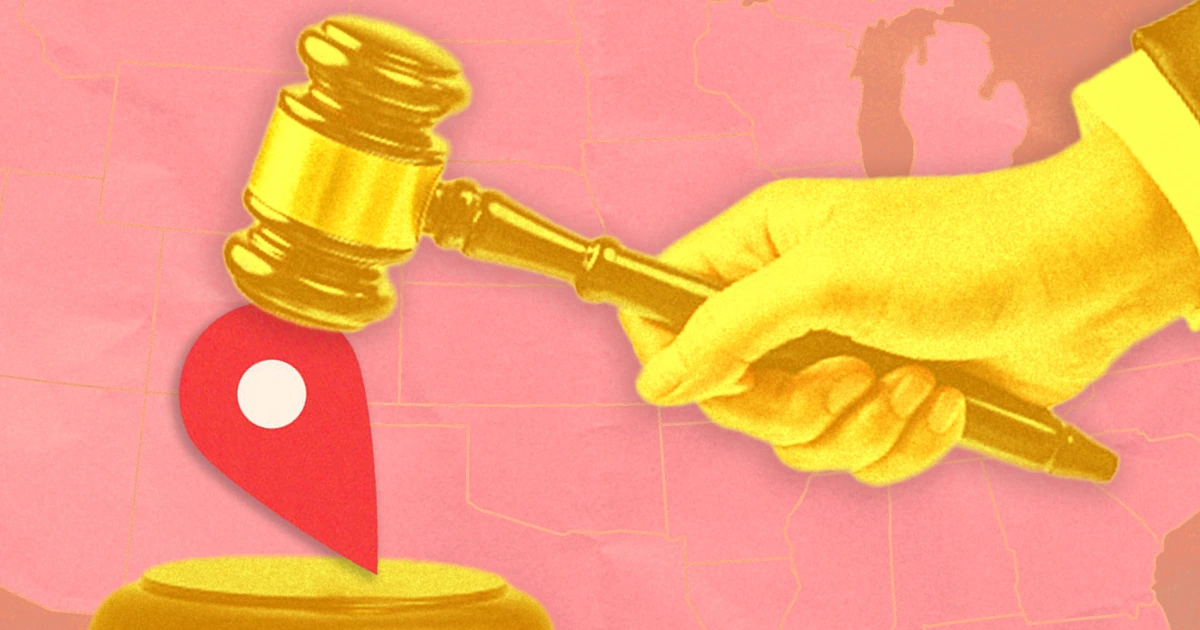
The Supreme Court held Monday that constitutional privacy protections extend to cellphone location information, ruling in the case of a bank robber whose identity was discovered through a geofence warrant.
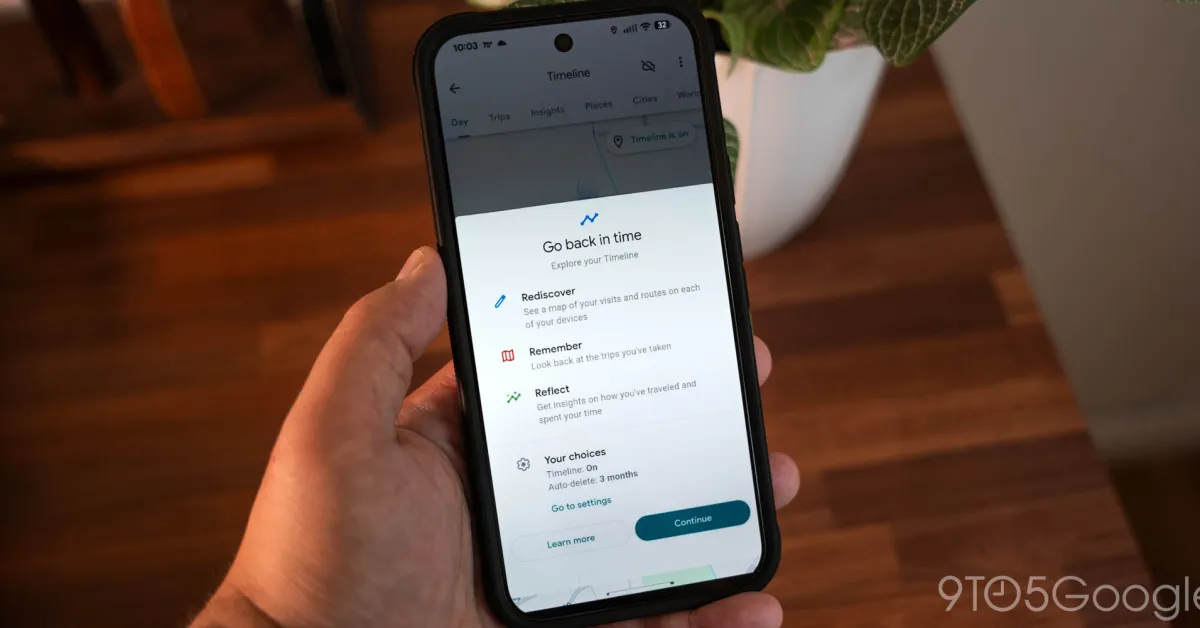
Justice Elena Kagan wrote for the 6-3 court that people don’t forfeit expectations of privacy even when they opt into Google’s location history.
“A cellphone user is not to be viewed as sharing private information with third parties—which then can be freely passed on to the government—just by doing the ordinary things cellphone users do,” Kagan wrote.
Justice Samuel Alito wrote in dissent that Okello Chatrie had no expectation of privacy in information he voluntarily turned over to Google.
The decision is the court’s latest effort to apply a constitutional provision ratified in 1791 to technology the nation’s founders could not have envisioned.