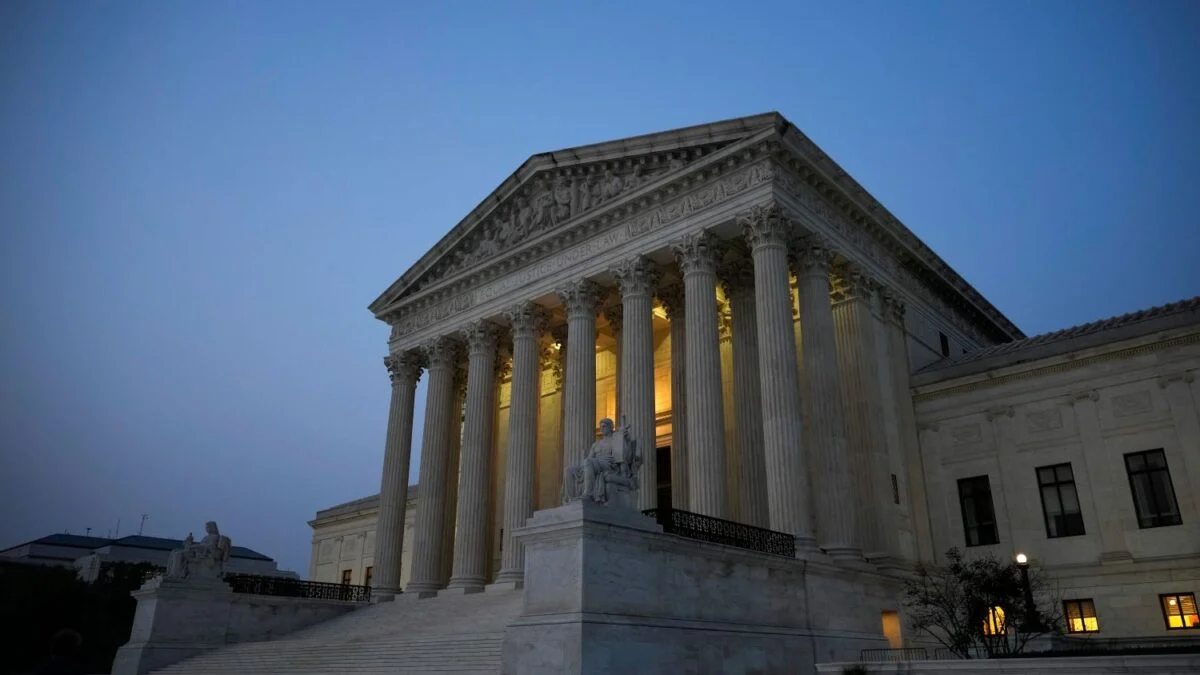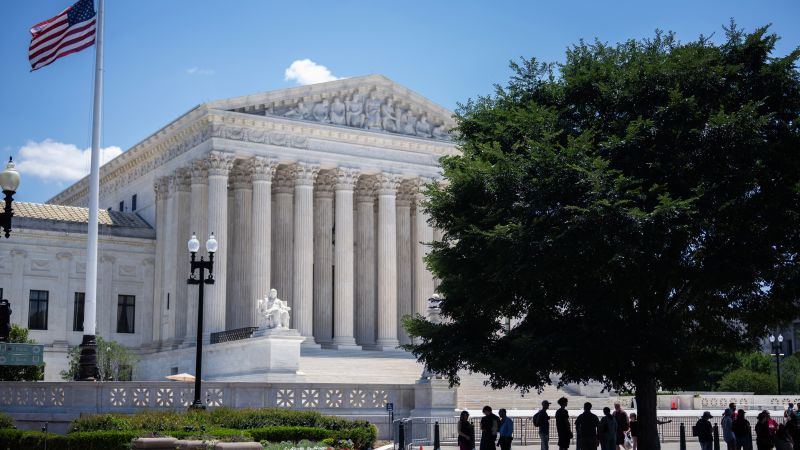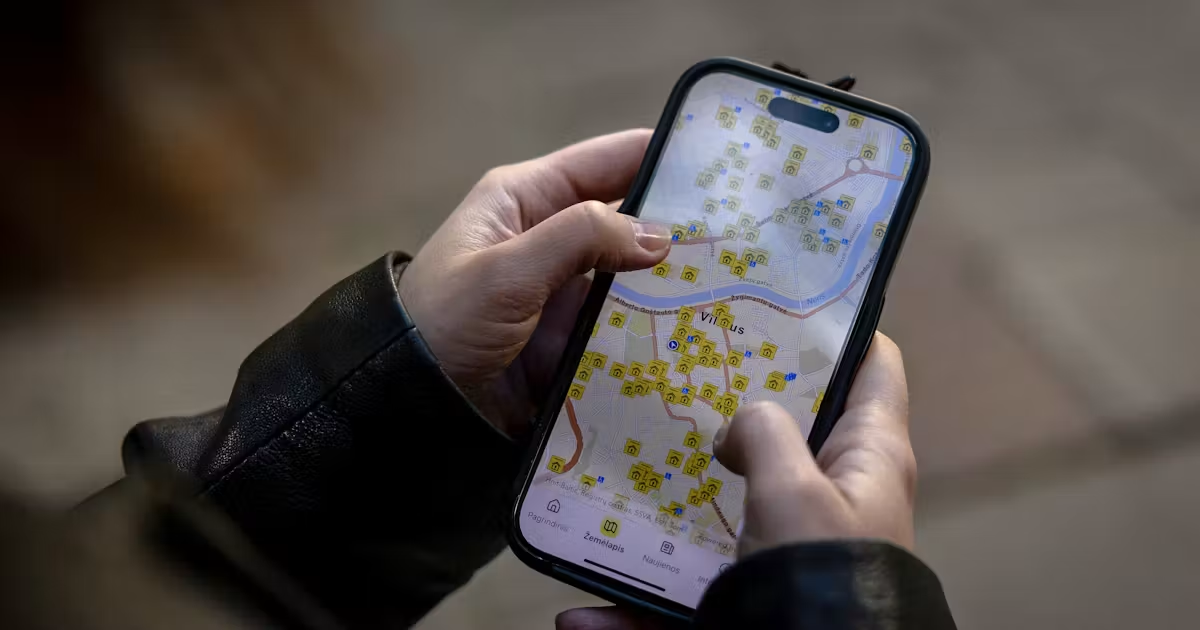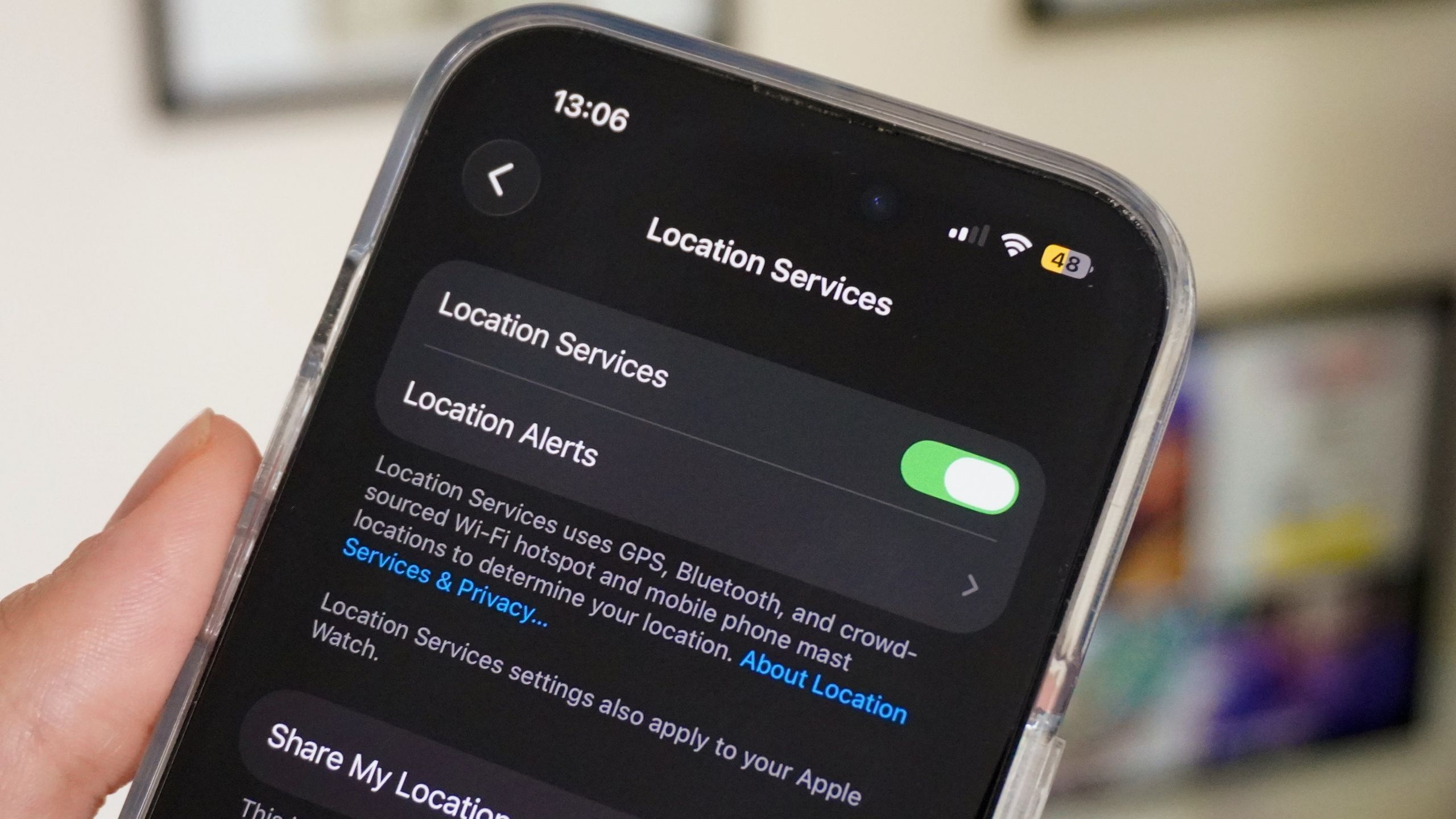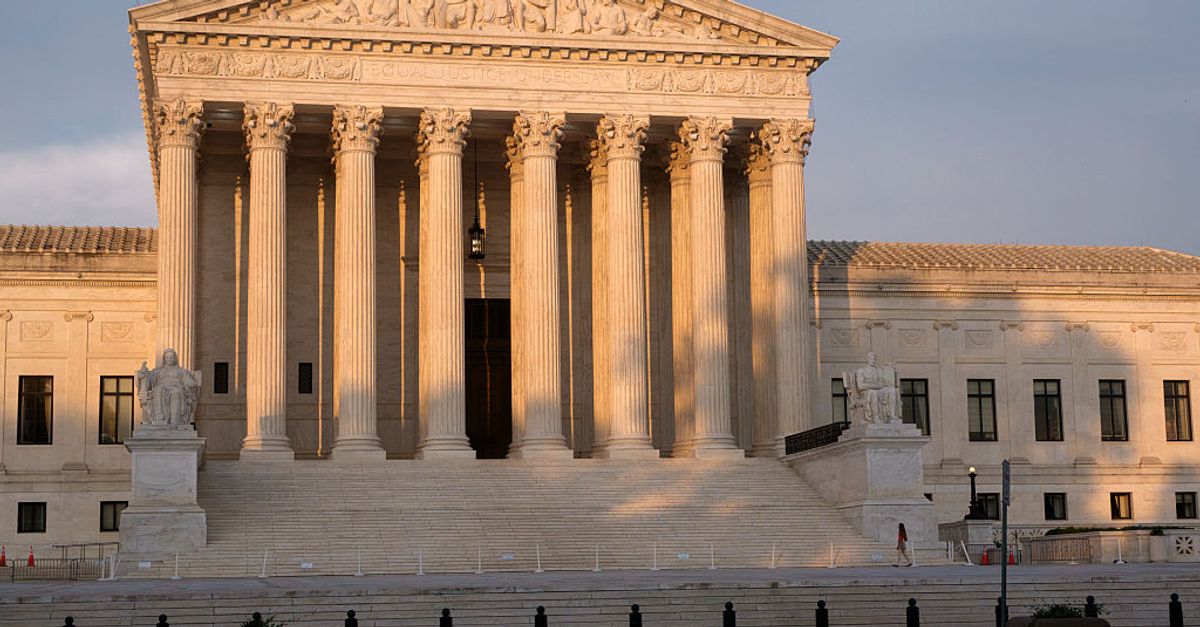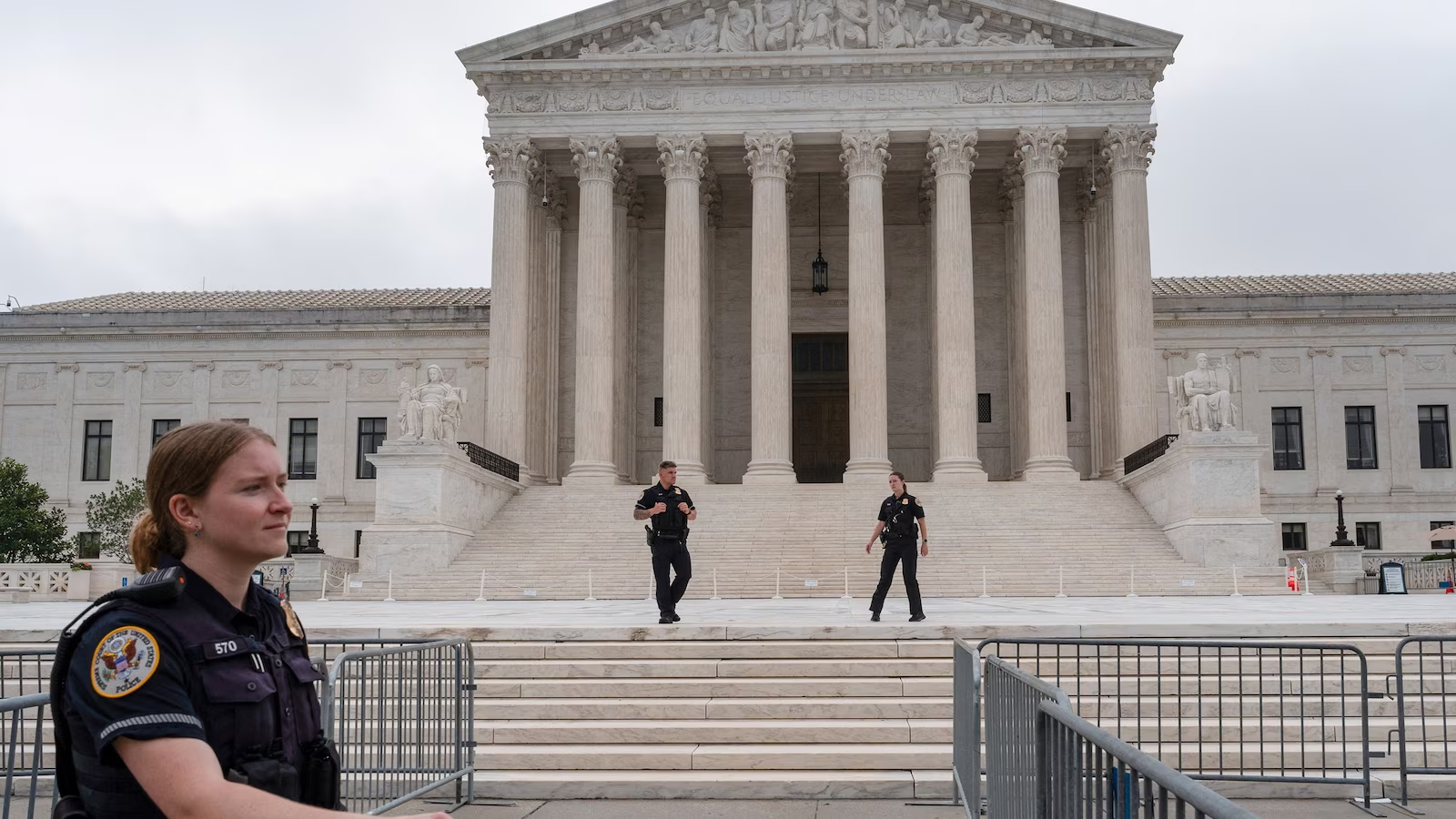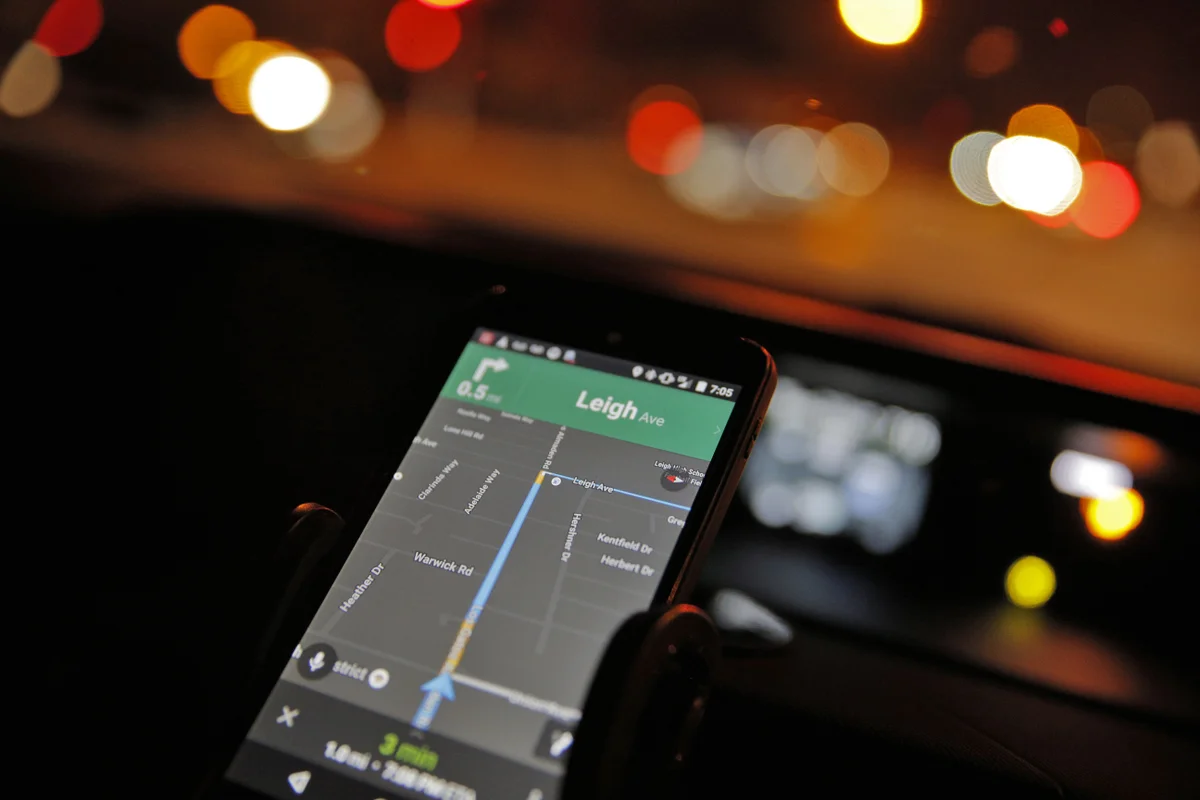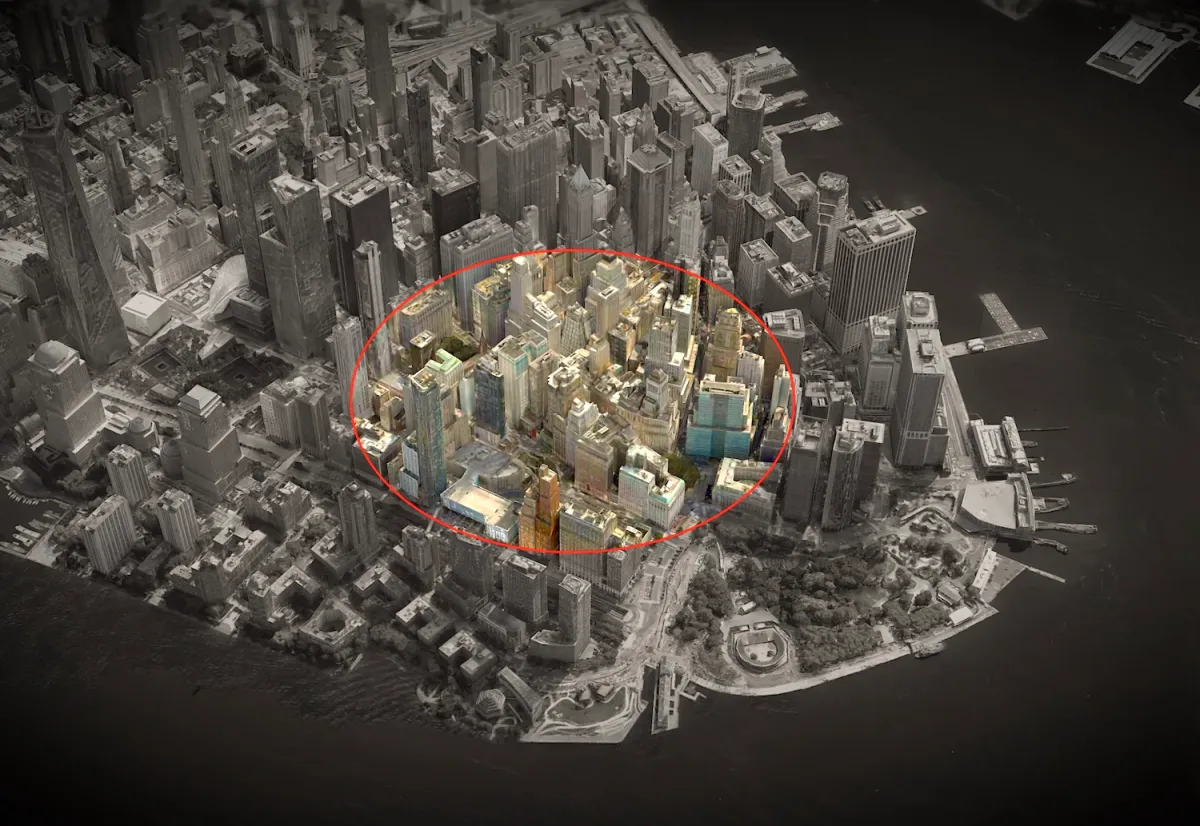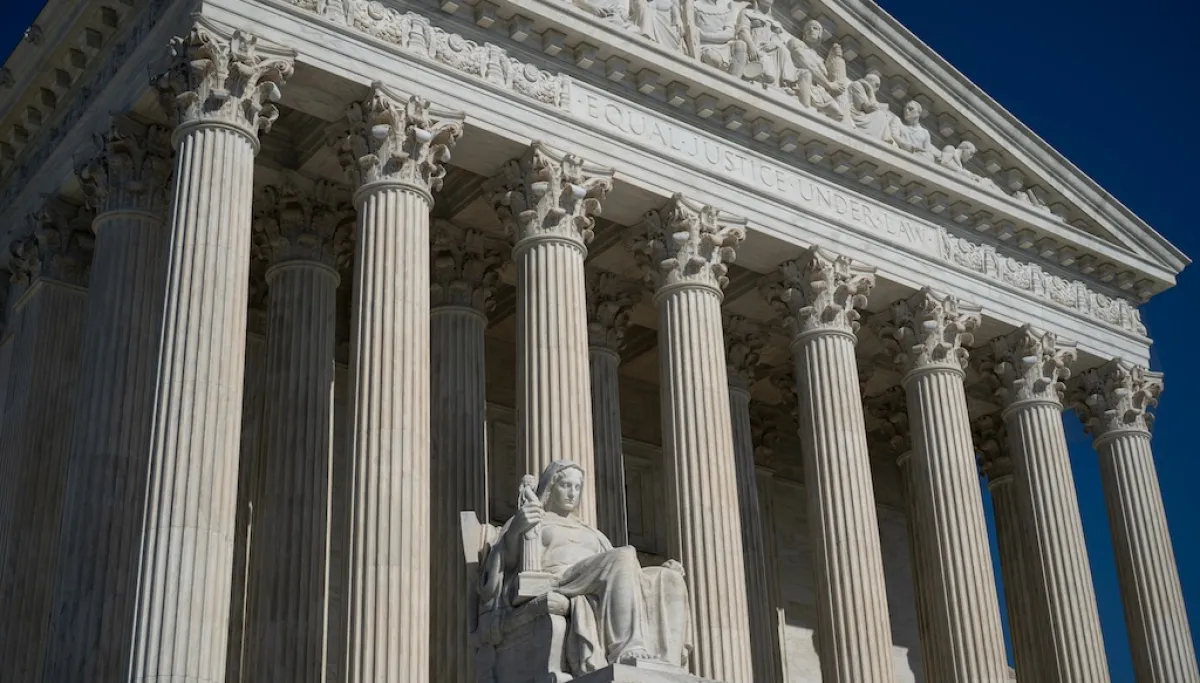
The Supreme Court ruled Monday that law enforcement’s use of a geofence warrant to obtain cellphone location data constitutes a search under the Fourth Amendment, marking a significant privacy ruling while stopping short of declaring the investigative tactic unconstitutional.In a 6-3 decision written by Justice Elena Kagan, the justices vacated a lower court ruling involving Virginia defendant Okello Chatrie and sent the case back to the Richmond-based 4th U.S. Circuit Court of Appeals for further proceedings to determine whether the search was nevertheless reasonable under the Constitution.The case stems from the 2019 armed robbery of a credit union in Midlothian, Virginia. After exhausting other investigative leads, police obtained a court-approved geofence warrant directing Google to identify devices located within roughly 150 meters of the credit union during a one-hour window surrounding the robbery.
Google initially produced anonymized location data for 19 users who had opted into the company’s “Location History” feature. Investigators ultimately identified Chatrie, whose subsequent arrest led authorities to recover nearly $100,000 in cash, a pistol, and what prosecutors described as robbery demand notes. Chatrie later pleaded guilty while preserving his right to challenge the warrant.Writing for the majority in Chatrie v. United States, Kagan concluded that compelling Google to search its users’ location records and disclose the results to law enforcement amounted to a Fourth Amendment search. However, rather than suppressing the evidence outright, the justices instructed the lower courts to determine whether the warrant satisfied the Constitution’s requirement that searches be reasonable.The ruling represents the Supreme Court’s latest effort to apply Fourth Amendment protections to rapidly evolving digital technologies. In its landmark 2018 decision in Carpenter v. United States, the court held that police generally must obtain a warrant before accessing historical cellphone location records from wireless carriers.The decision could have implications beyond geofence warrants, including other forms of so-called reverse warrants that seek to identify unknown suspects through digital records.This courtroom sketch depicts Brian Cole Jr., 30, of Woodbridge, Virginia, the man accused of planting a pair of pipe bombs outside the headquarters of the Republican and Democratic national parties on Jan. 5, 2021, in Washington, being sworn in, Friday, Dec. 5, 2025, before U.S. Magistrate Moxila Upadhyaya, at Federal Court in Washington, as U.S. Attorney Charles Jones, seated left, and Defense Attorney John Shoreman, seated center, look on. (Dana Verkouteren via AP)