Type to search articles, cases, and authors.
Press ↵ to view all results.
Updated on June 29 at 3:50 p.m.
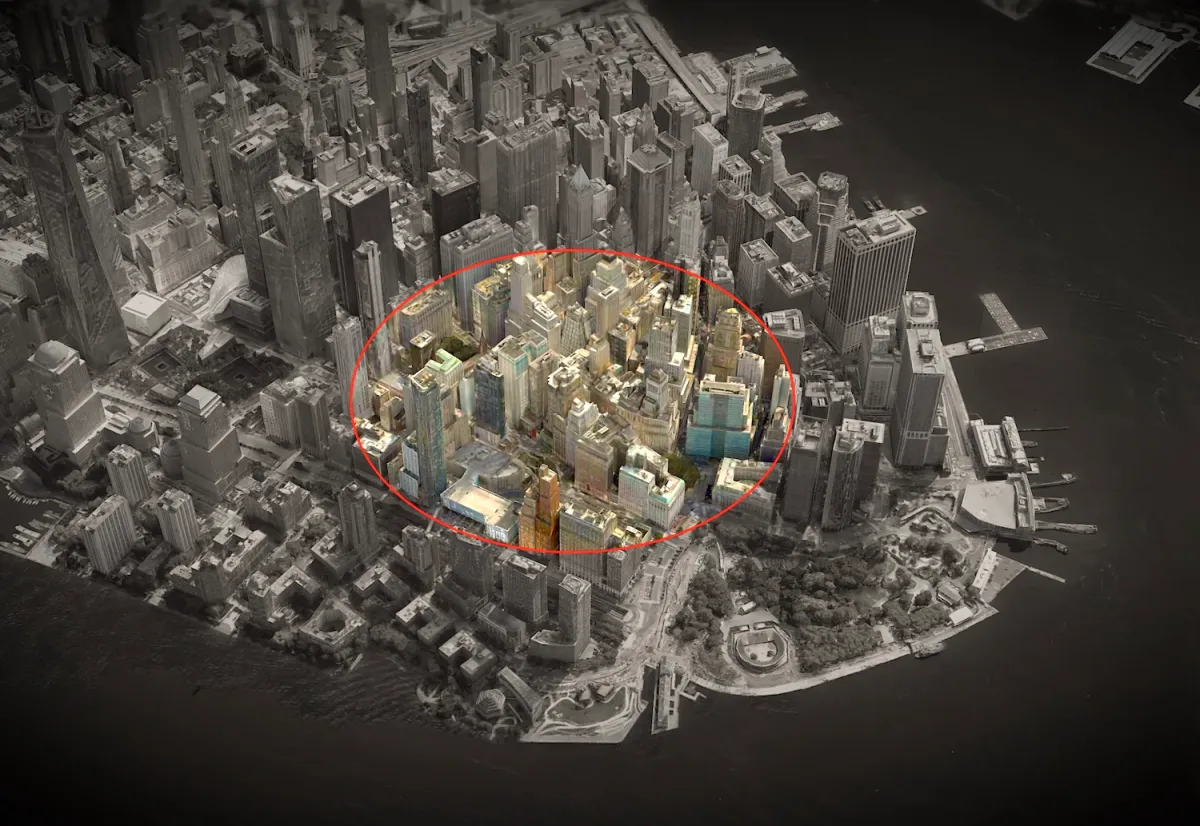
The Supreme Court on Monday ruled that when law enforcement officials used a “geofence warrant” – a warrant that instructed Google to provide location data for cellphone users who were near a particular place during a specific time period – to obtain evidence used to convict a Virginia man of a 2019 bank robbery, they conducted a “search” for purposes of the Fourth Amendment. By a vote of 6-3, the justices sent Okello Chatrie’s case back to the lower court for it to consider whether, as the Fourth Amendment requires, the search was “reasonable.”
Writing for the majority, Justice Elena Kagan emphasized that “[a]n individual has a reasonable expectation of privacy in records about his cell phone’s location, and police intrude on that constitutionally protected interest when they demand the information—even though for only a limited time, and from a third-party tech company.”