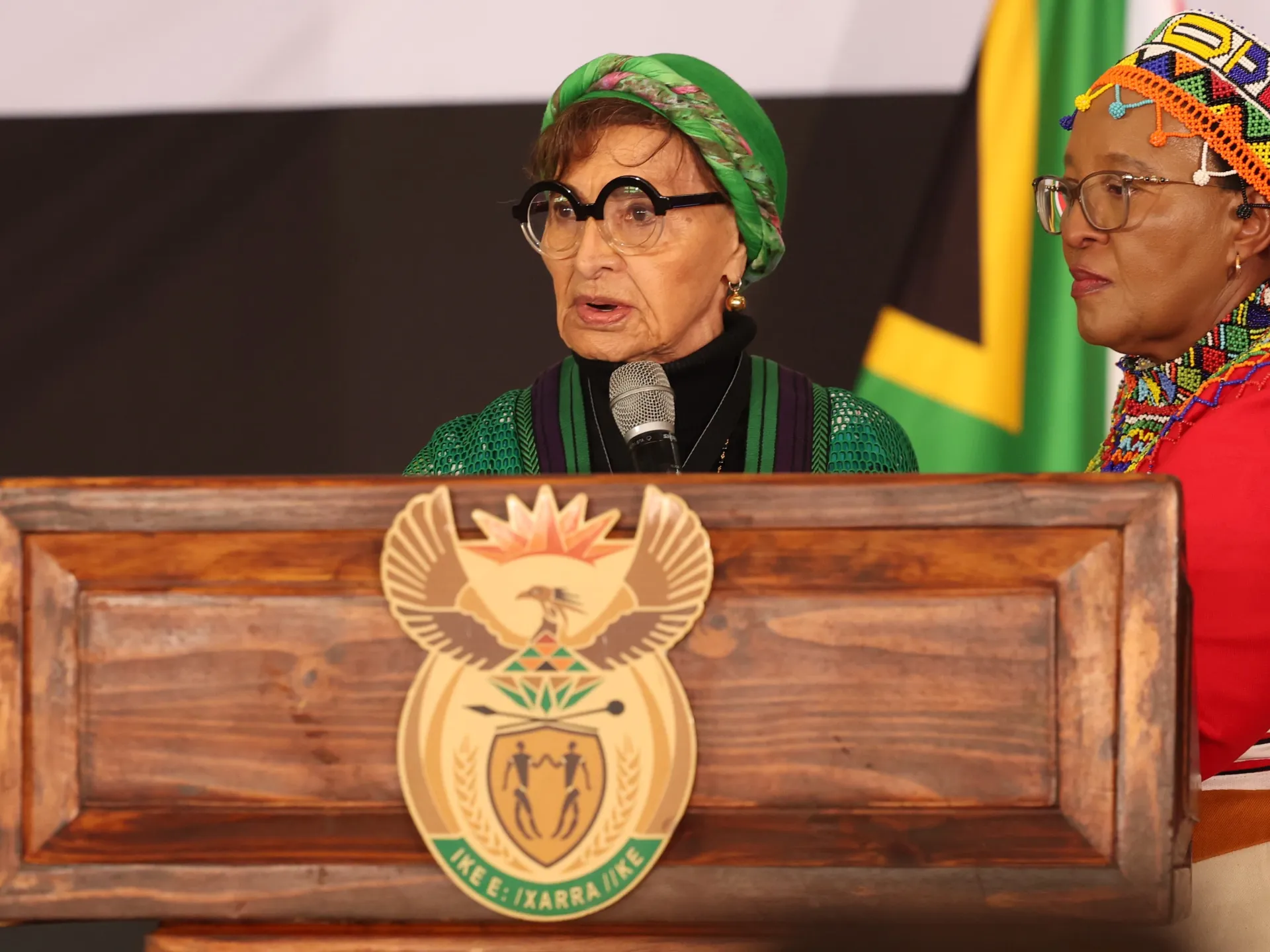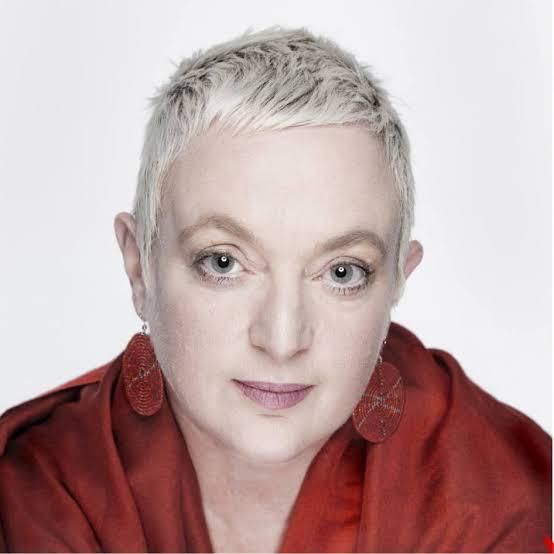
COLONIAL HISTORY: Gillian Schutte is a social critic, writer, and filmmaker whose work confronts power through a counter-hegemonic, class-based lens. She exposes neoliberalism, the whiteness construct, and the role of media in upholding dominant systems.
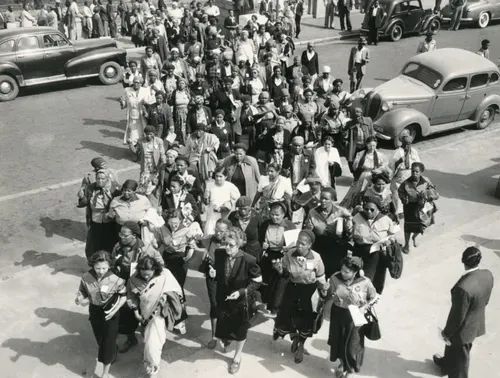
Every August, South Africans commemorate Women’s Day by celebrating the women who marched on the Union Buildings in 1956.
Their courage receives rightful honour. Yet our national memory rarely travels beyond the twentieth century. Long before apartheid, before the Union of South Africa, before the discovery of diamonds and gold transformed the political economy of the region, African women governed kingdoms, directed diplomacy, defended territory and confronted one of the most formidable imperial powers of the nineteenth century.
Many of their names have faded from public consciousness. School textbooks devote generous attention to governors, missionaries, military officers and colonial administrators. African queens appear only fleetingly, their authority confined to the margins of a history written largely through imperial eyes.
Europe possessed its own histories of queens and female regents, so colonial officials understood that women could govern. They simply withheld equivalent recognition from African royal women. European female sovereignty entered the archive as dynastic government, while African women who exercised constitutional authority appeared as wives, dependants or informal advisers. This distinction arose from imperial ideas about African political life.