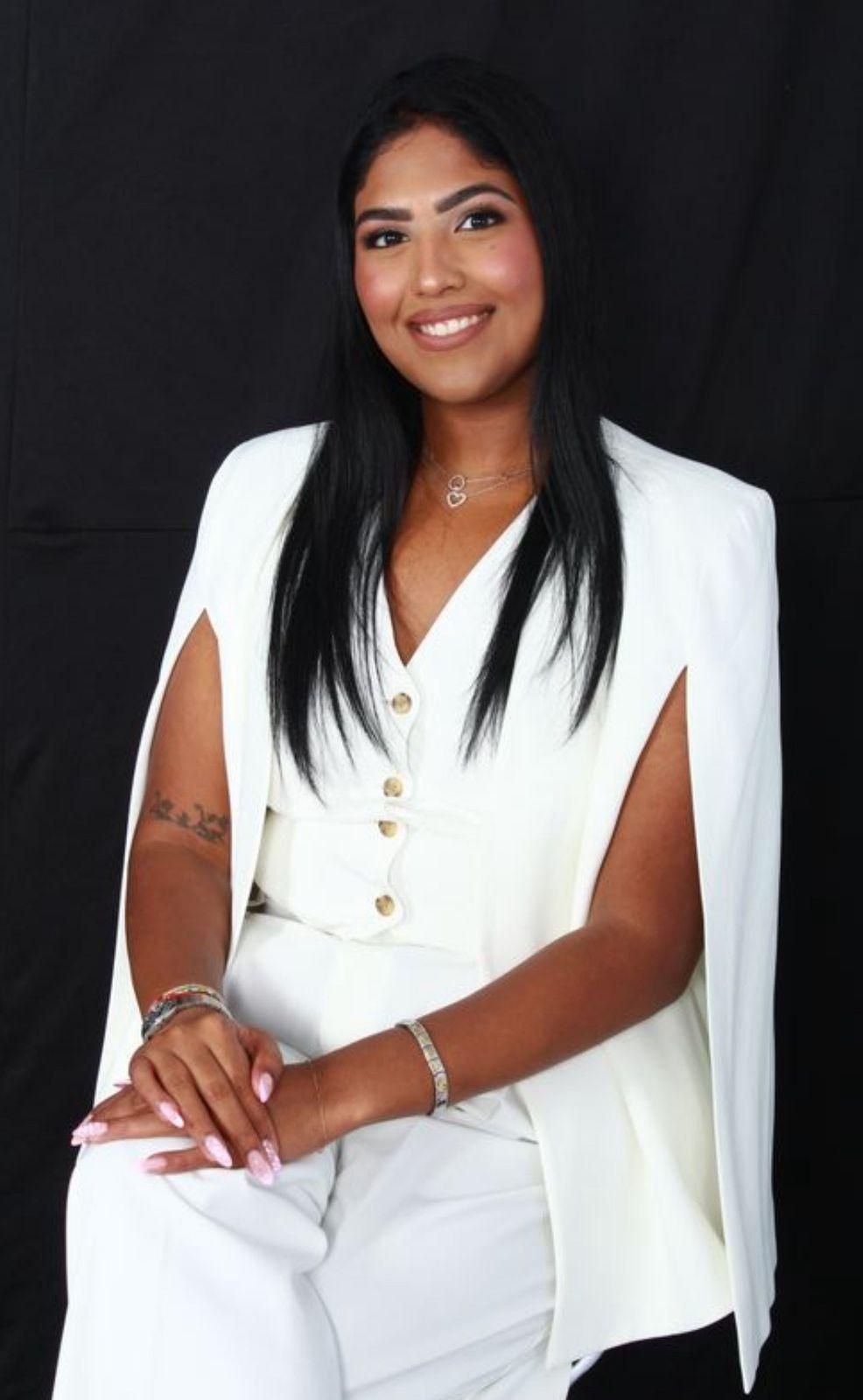
*Seshni Moodley is an admitted attorney, director of Seshni Moodley attorneys incorporated , with expertise in digital, civil and criminal law. She holds a masters in human rights law and is currently pursuing her PhD in human rights law.
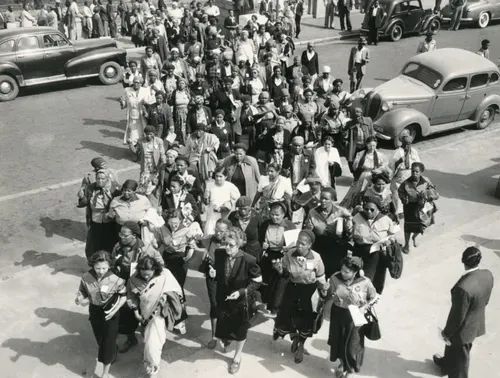
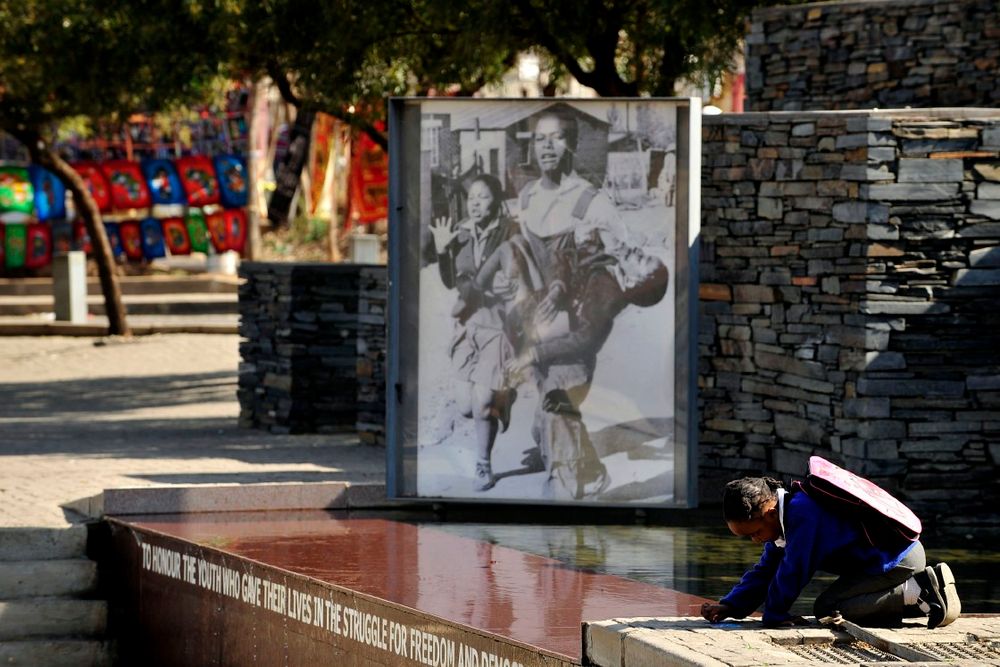
Each year on August 9, South Africa honours the courage of the nearly 20,000 women who marched to the Union Buildings in 1956. Seventy years later, their footsteps still echo through our democracy—but so does the unfinished work they left behind.
As a human rights lawyer, I often reflect on that march not as a distant historical event, but as a reminder of what collective resistance can achieve. Those women marched because their dignity was under attack and silence was no longer an option.
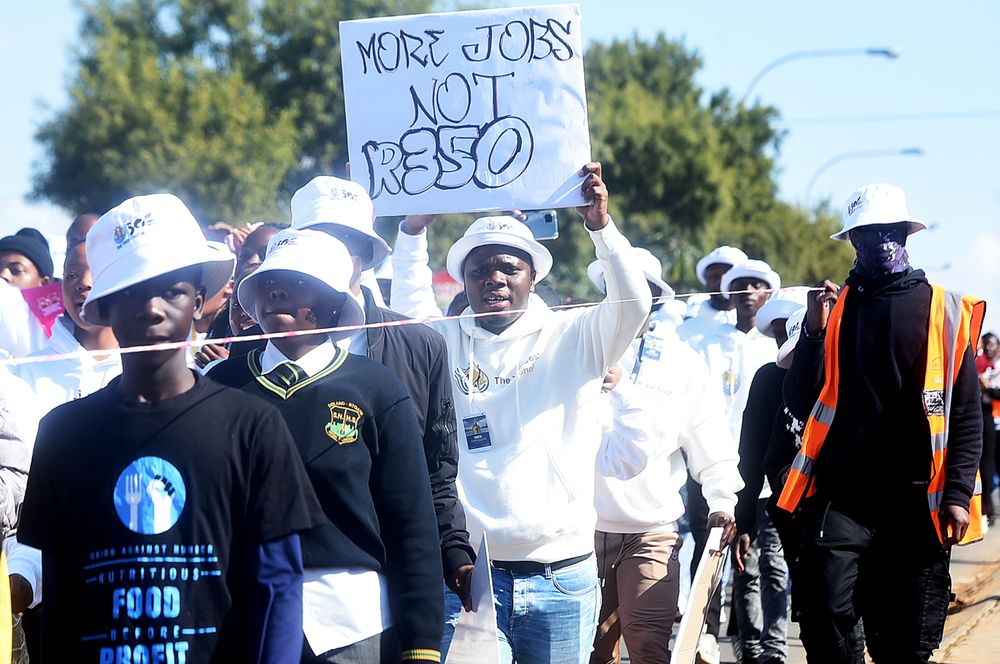
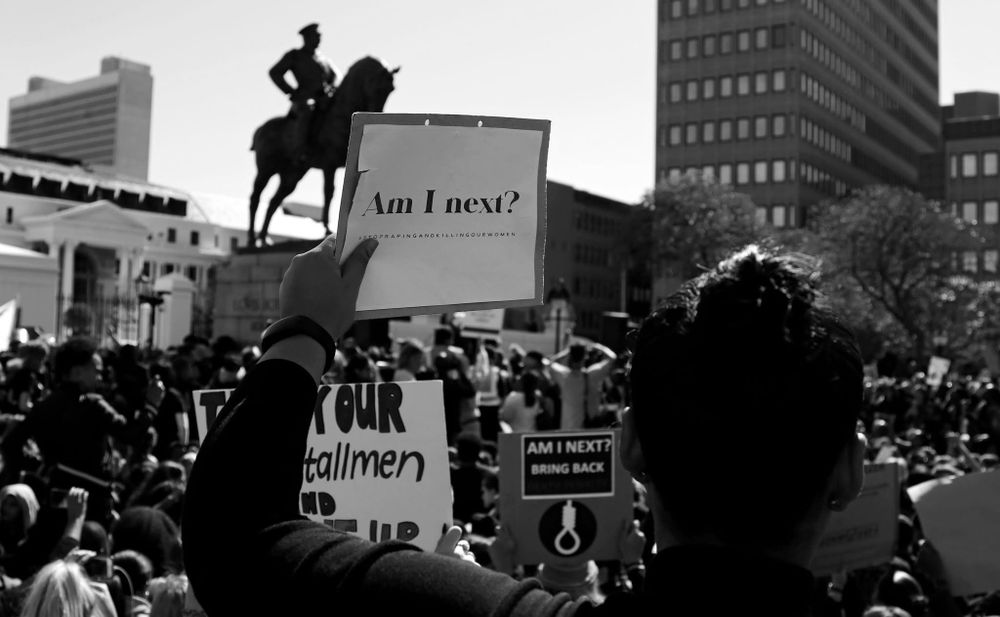
Today, women are no longer resisting pass laws. Instead, they continue to fight for safety, economic equality and meaningful representation. While Women's Day has become associated with speeches and celebrations, the lived reality of many women in KwaZulu-Natal tells a different story.
In my work, I meet women whose lives have been shaped by violence long before they seek legal assistance. Some bear visible injuries. Others carry trauma that cannot be seen. What many share is frustration—not only with the abuse they have endured, but with institutions that promise protection yet too often fail to deliver it.