*Seshni Moodley is an admitted attorney, director of Seshni Moodley attorneys incorporated , with expertise in digital, civil and criminal law. She holds a masters in human rights law and is currently pursuing her PhD in human rights law.
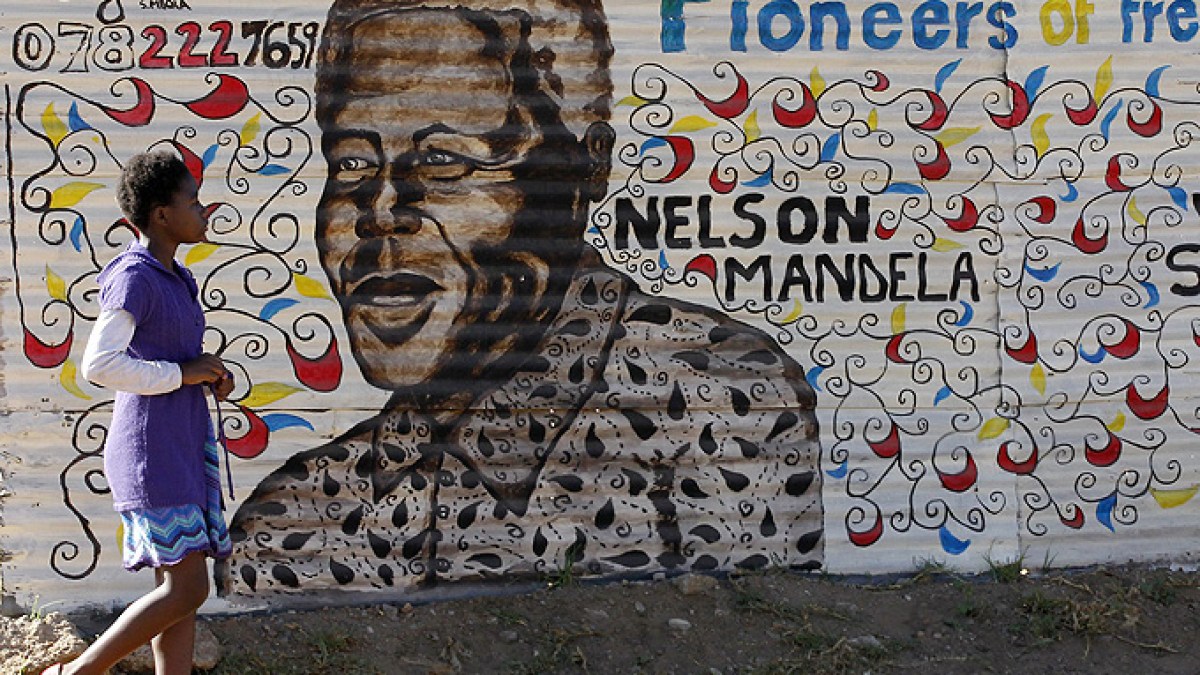
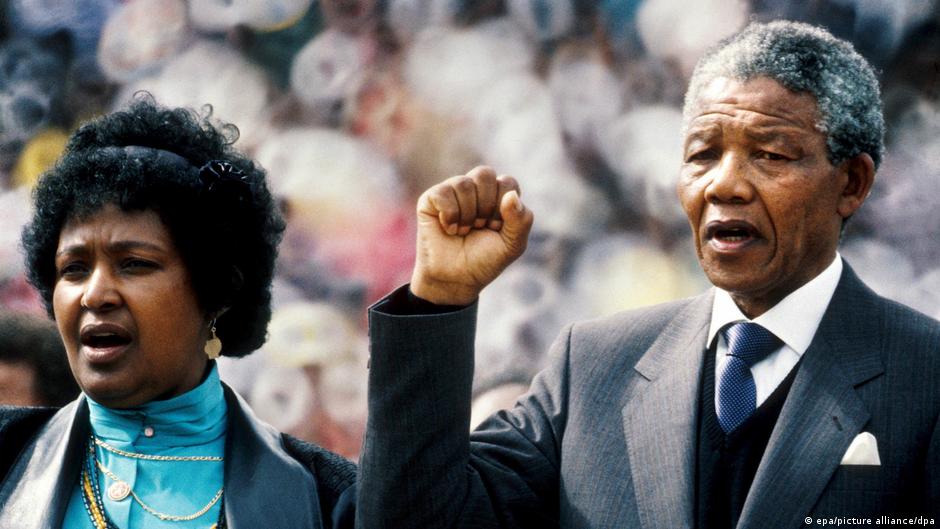
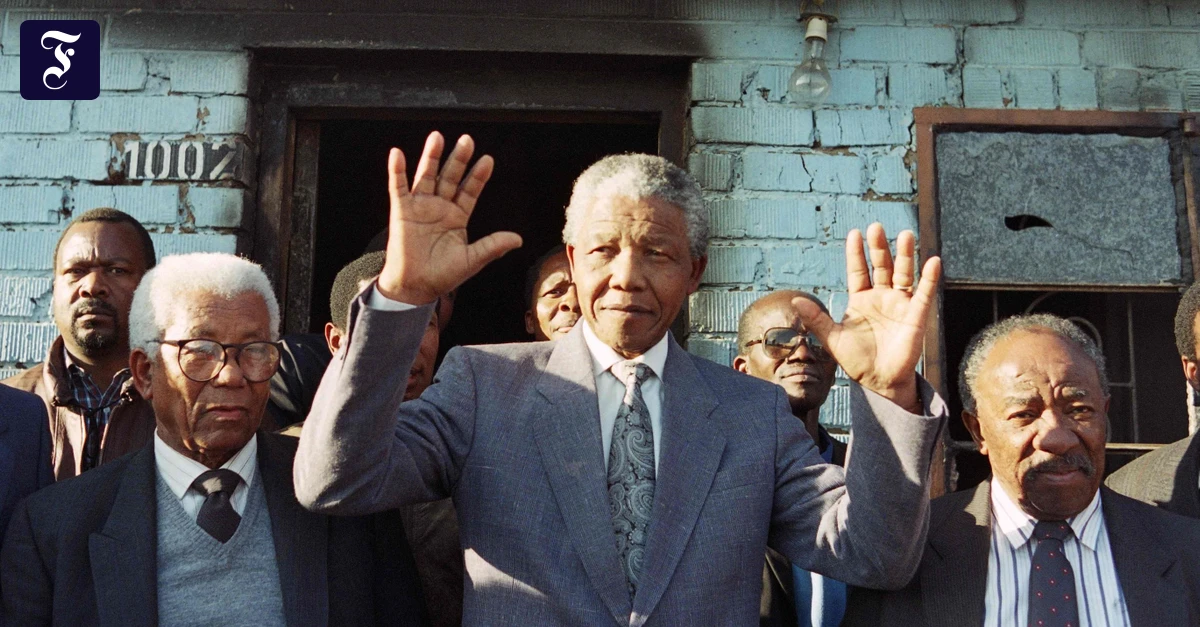
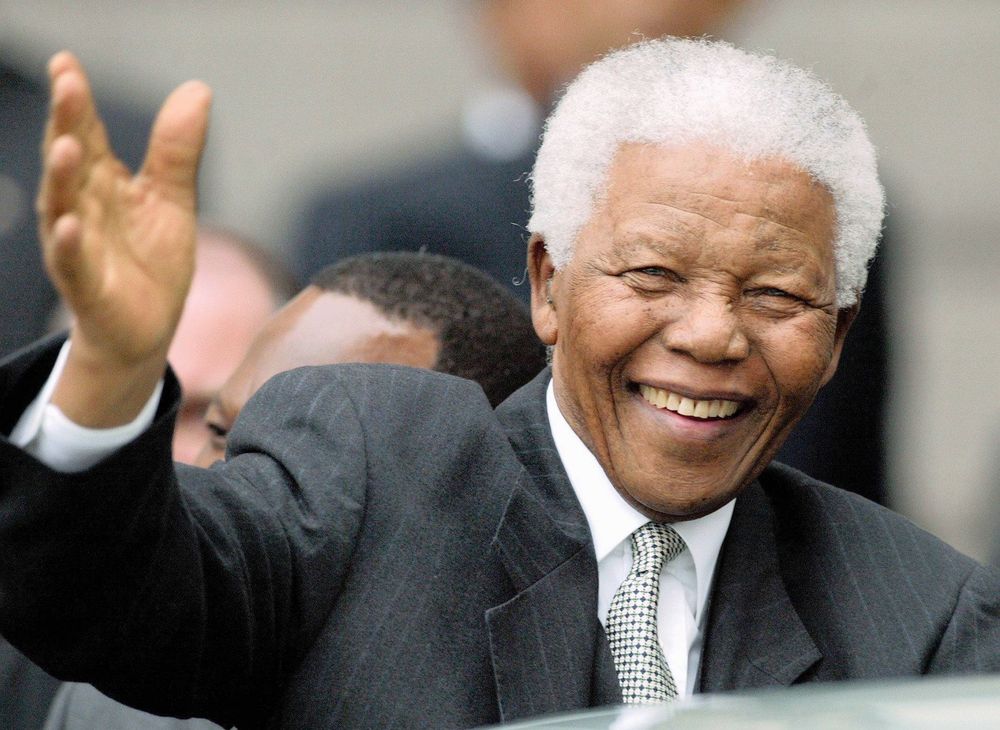
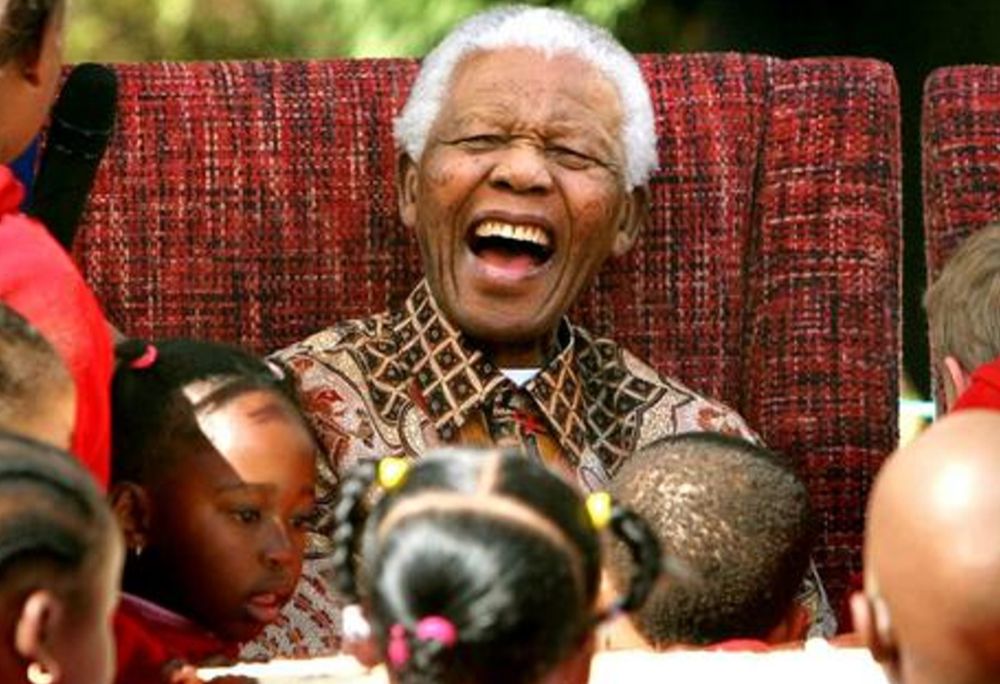
On July 18, South Africans will once again pause to remember Nelson Mandela — not only as a global icon, but as a lawyer who believed the law must serve the poor, the marginalised and the forgotten. Food parcel drives, school visits and community clean-ups often mark Mandela Day. Yet beneath the 67 minutes of service lies a deeper question: are we, as a country, truly honouring his vision of dignity and equality for all?
One of the clearest ways to answer that question is by focusing on socioeconomic rights. These include the rights to housing, healthcare and social security. They are not luxuries. They are the everyday building blocks of a life lived with dignity.
South Africa's human rights narrative is long, painful and unfinished. For centuries, the law was used not to protect people, but to control them. Colonial expansion dispossessed communities, while apartheid legislation entrenched racial segregation, restricted movement and denied basic freedoms to Black citizens. The Sharpeville massacre of 1960 exposed the brutality of a system that treated Black lives as expendable.