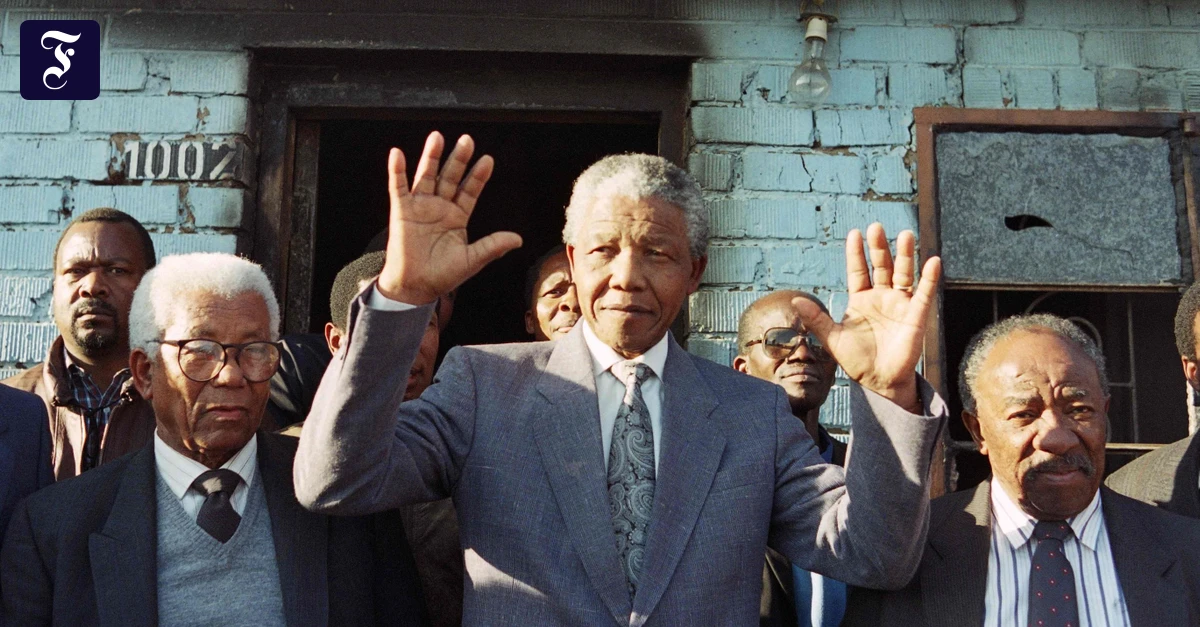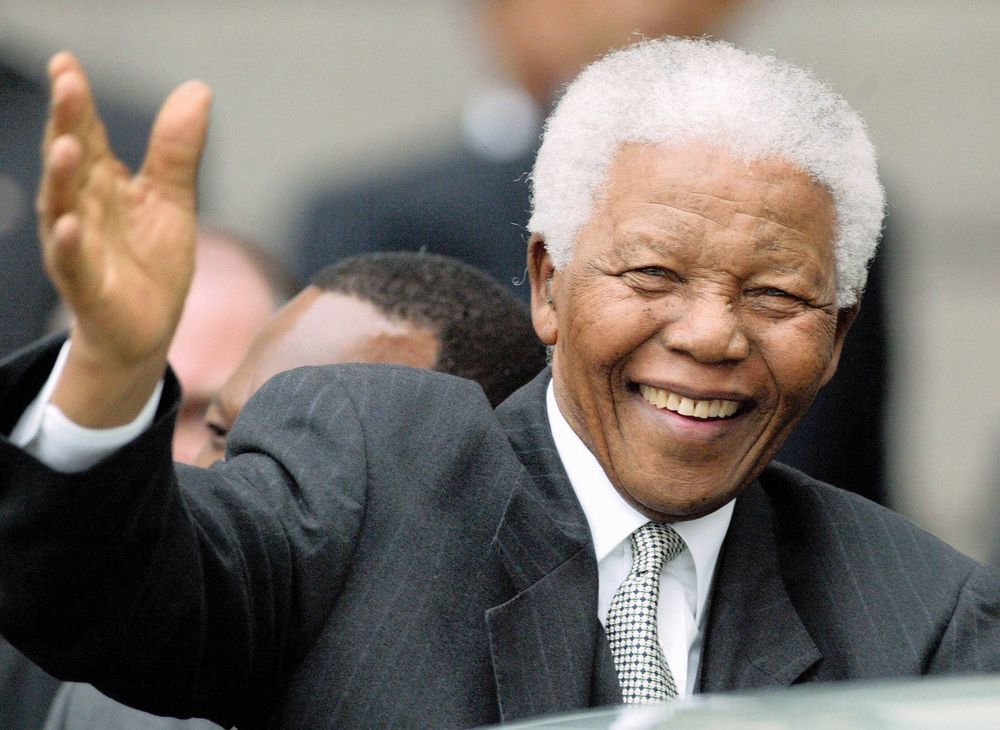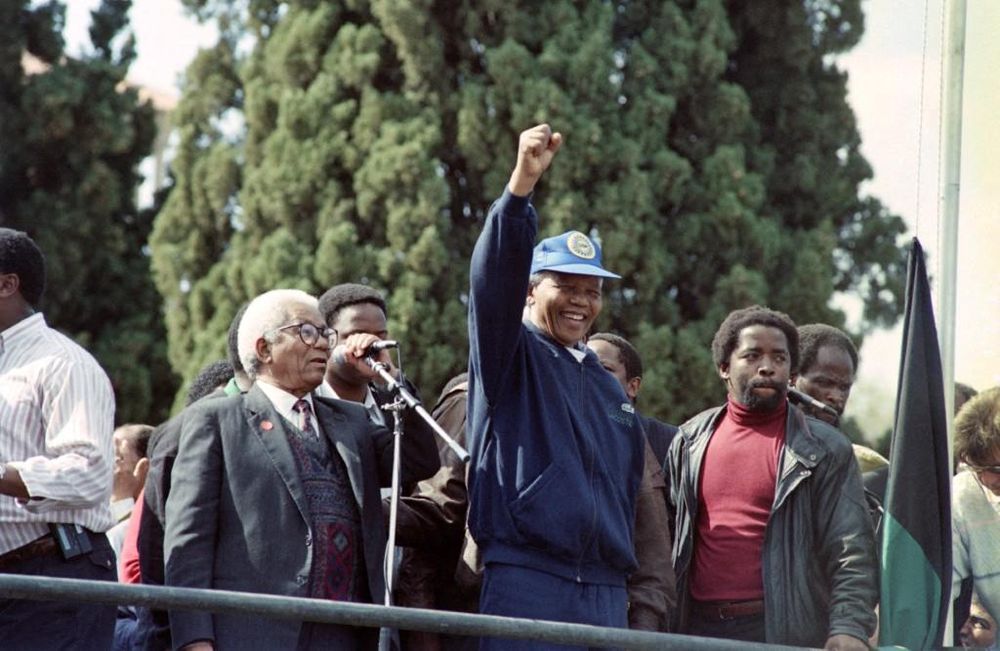
Then ANC deputy president Walter Sisulu (left) and then president Nelson Mandela addressing more than 70 000 supporters at the Union Buildings on August 5, 1992. Mandela’s generation dismantled apartheid not because success was guaranteed, but because surrender was unacceptable, says the writer.
Zamikhaya Maseti
Every year, the month of July occupies a special place in the South African calendar.
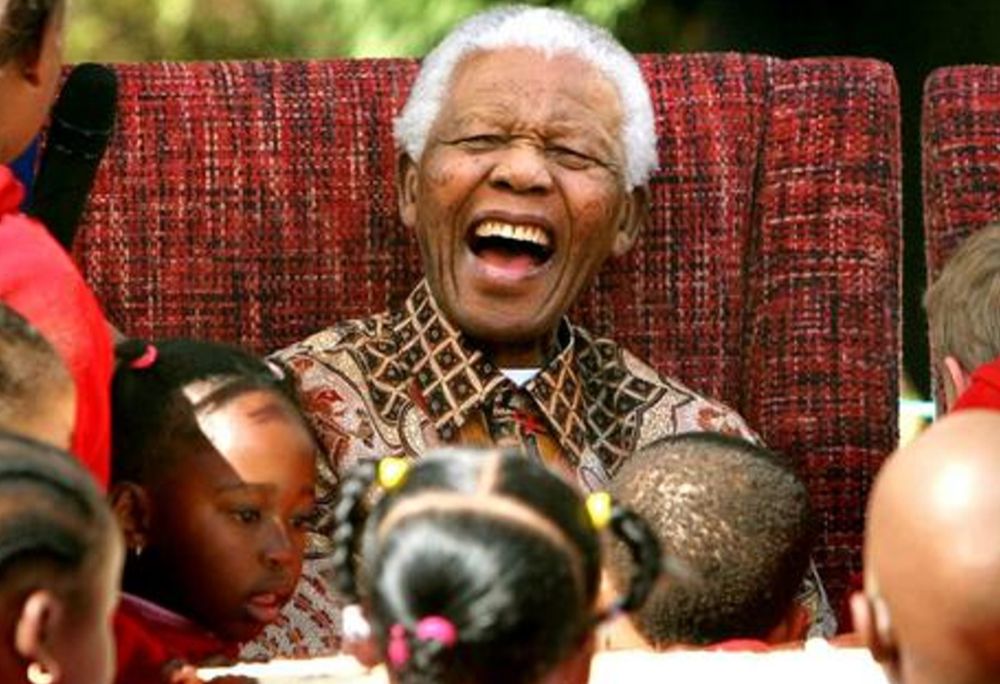
It is the month in which we celebrate the life and legacy of Nelson Rolihlahla Mandela, whose birthday, 18 July, was declared by the United Nations as Mandela Day in 2009. It was an honour bestowed not only upon Mandela himself, but also upon the people of South Africa and the African National Congress, the liberation movement to which he dedicated his life and for which he endured twenty-seven years of imprisonment.
Across our country, Mandela Day has become synonymous with acts of charity and compassion. South Africans devote 67 minutes of their time to cleaning schools, planting trees, feeding the hungry, donating blankets, supporting orphanages, and assisting vulnerable communities.