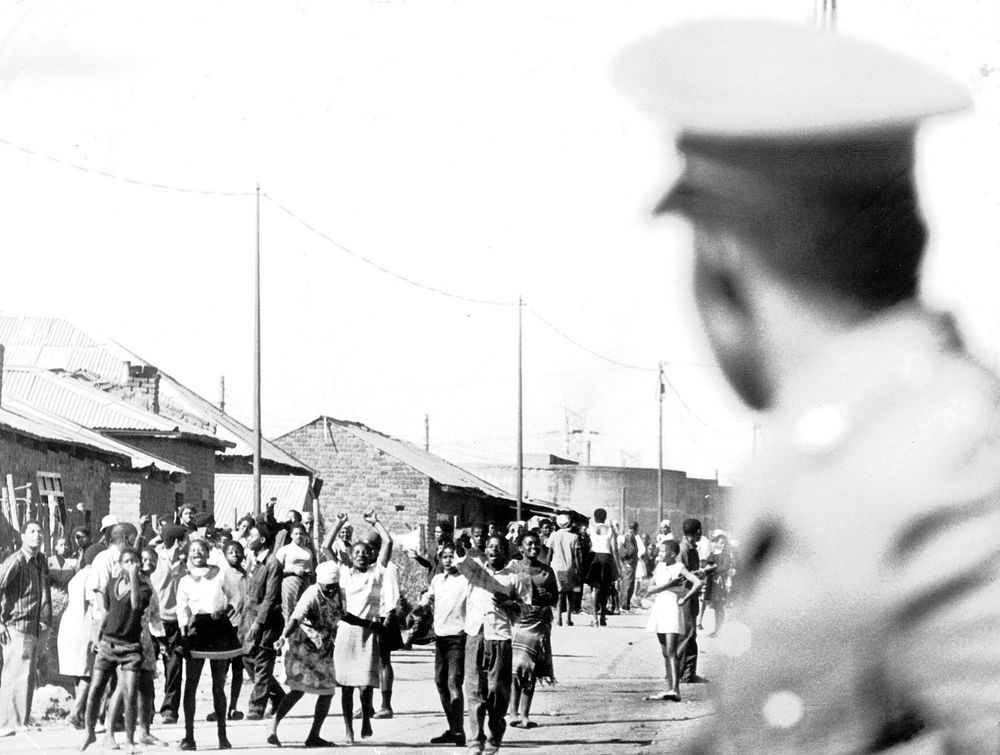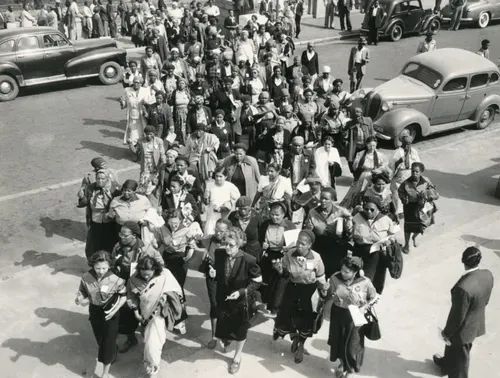
National Women's Day is celebrated annually on August 9 to commemorate the 1956 march of 20,000 women to the Union Buildings in Pretoria to protest the apartheid regime's pass laws.
On August 9, 1956, more than 20,000 women gathered at the Union Buildings in Pretoria and quietly, but decisively, changed the course of South African history. They did not march for ceremony; they marched because they were resisting injustice. They understood that a society cannot claim to be free while women remain oppressed, excluded, and silenced.
The 1956 Women’s March stands as one of the most remarkable acts of collective courage in our history. At a time when apartheid sought to control Black lives through pass laws and racial domination, women from different communities, backgrounds, and professions united with a shared purpose: to reject all forms of oppression. Their protest was not solely against pass laws; it was also a declaration that women would no longer be passive spectators in the struggle for justice.
What renders the march so powerful, even today, is not only its scale but the strategy behind it. These women mobilised themselves without the digital tools we now take for granted. There were no social media platforms, no online campaigns, no instant messaging groups. Instead, women relied on churches, community networks, trade unions, political organisations, word of mouth, and fearless organising within homes, halls, and townships. Their work was patient, disciplined, and rooted in trust. It reminds us that true mobilisation begins with conviction and community.