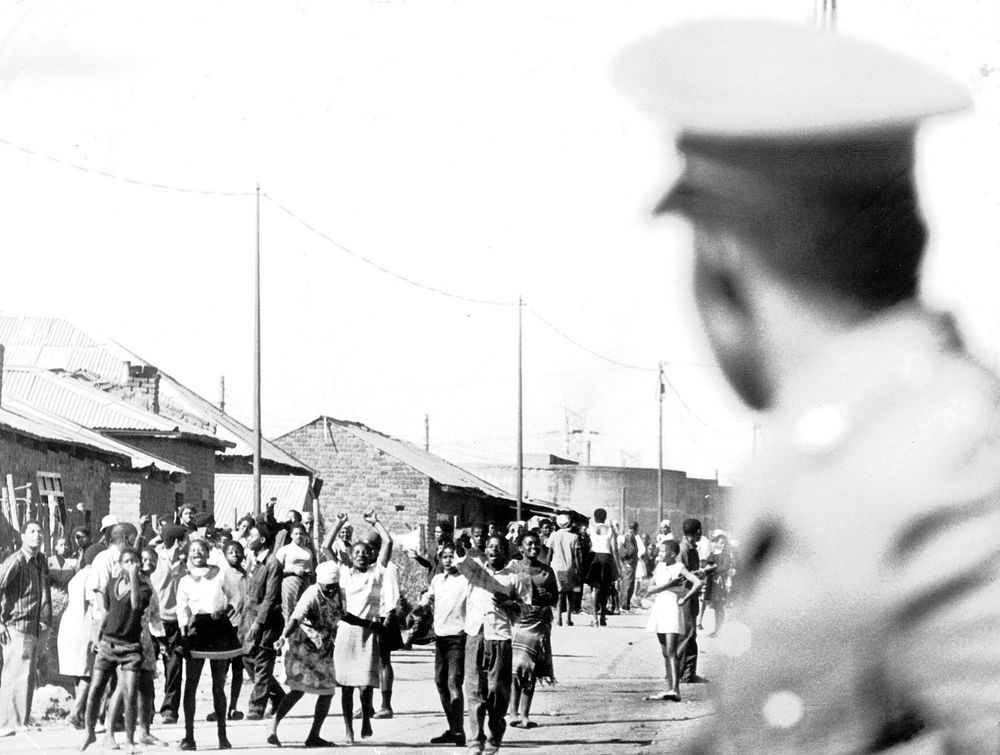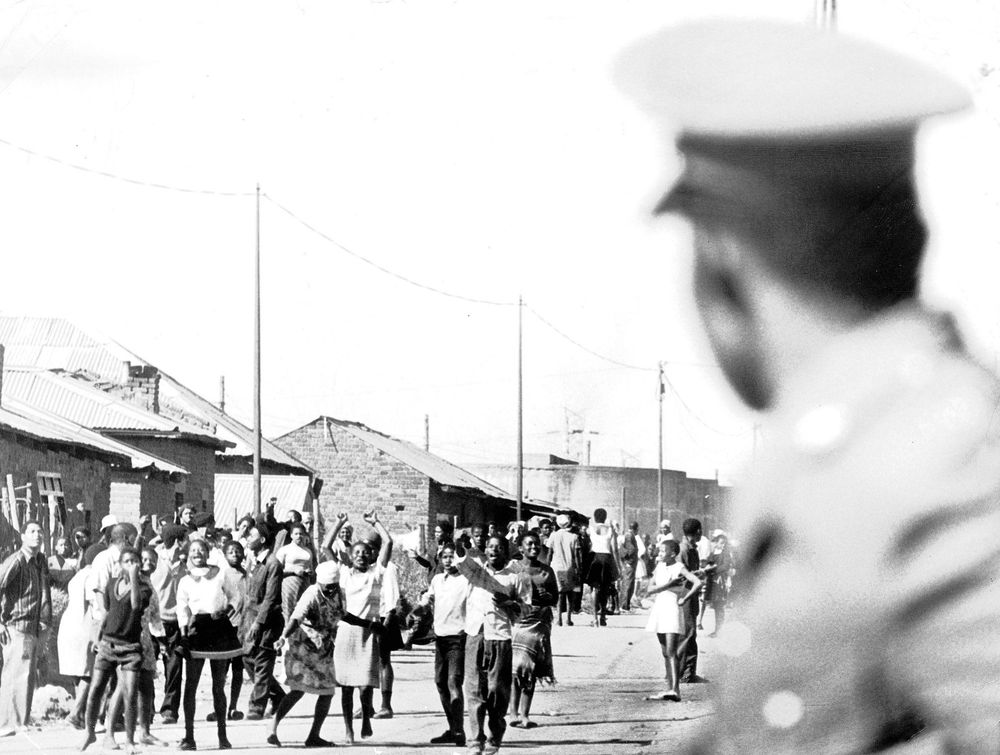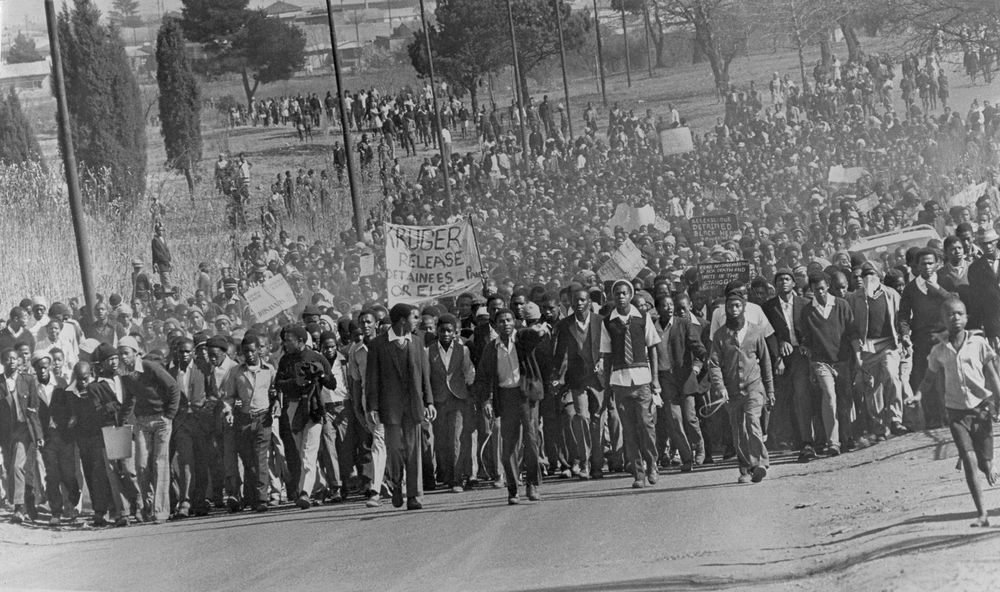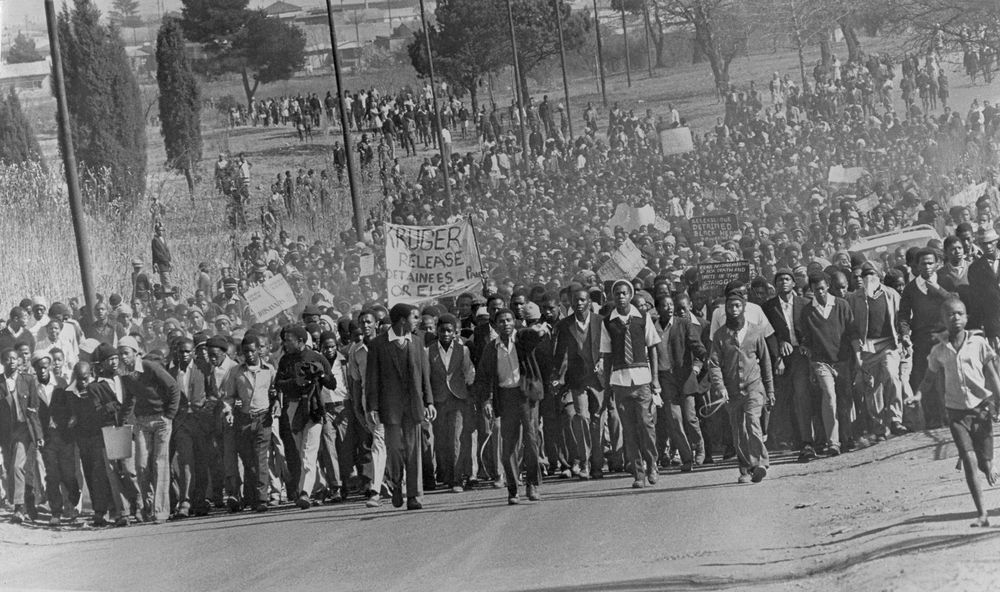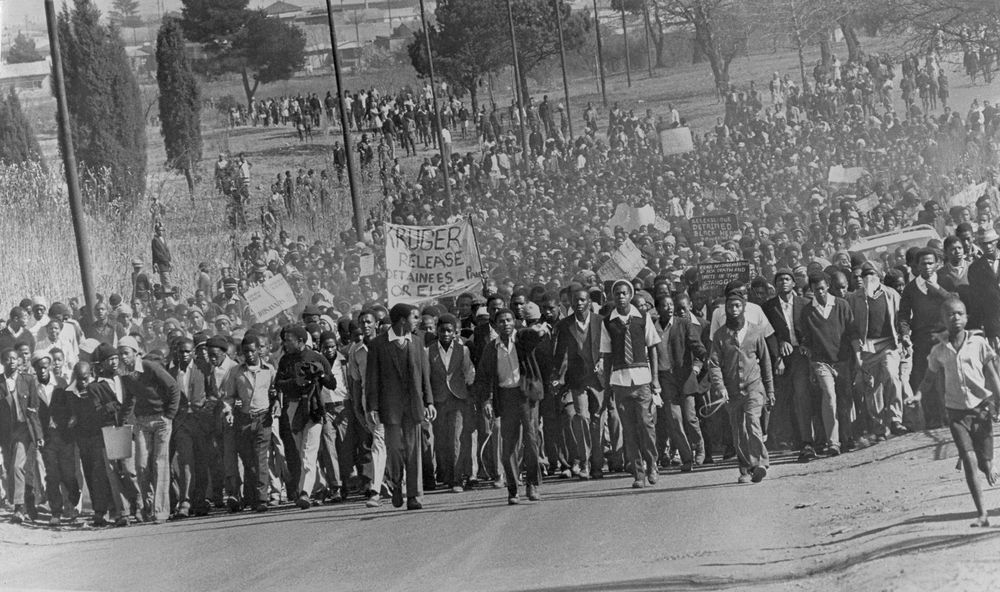
On June 16, 1976, thousands of students in Soweto took to the streets to demonstrate against Bantu Education and the imposition of Afrikaans in their schools.
The month of July sits between two commemorations: Youth Day and Women's Day. Each carries the legacy of a single powerful story. Youth Day belongs to Soweto, 16 June 1976. Women's Day belongs to the march on the Union Buildings on 8 August 1956.
These single stories did real work: they unified generations of South Africans when unity was essential to overcoming apartheid and later in building a new, unified nation. But a single story can only carry so much truth before it begins to distort. It is time to read further than the photograph.
Every year, the image that circulates on June 16 is Sam Nzima's photograph of Hector Pieterson. It is a searing image, and it should be remembered. But what would the story look like if the photograph in circulation were of (Ezekiel) Xolile Mosi, or of Christopher Truter? Soweto is not the only story of 1976 though it served a necessary purpose in refocusing the world's attention on the brutality of apartheid. In doing so, however, it also contributed to a kind of miseducation because it invisibilised young people elsewhere in the country who had protested, built new organisations and solidarity campaigns that helped bring apartheid to its end. Many of them lost their lives also.