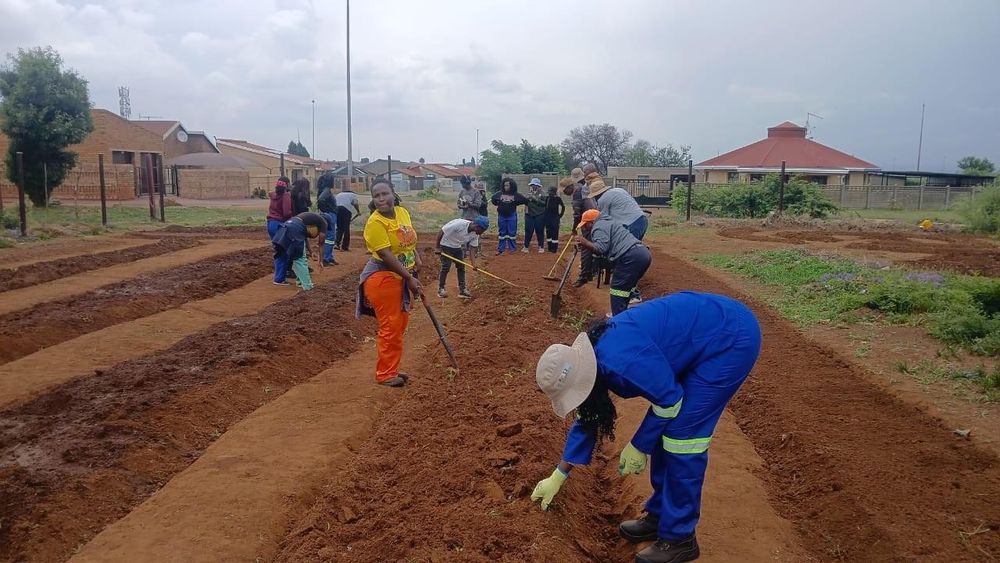
From agricultural training and food production projects to youth development programmes and job readiness initiatives, demonstrate how local action can create change for communities, says the writer.
Every Youth Day, South Africans are reminded of the courage of the young people who marched in 1976. Their resistance against an unjust education system remains one of the defining moments in our country's history. The images, stories and sacrifices of those students have become part of our national memory.
Yet every year, as the country reflects on their legacy, I find myself returning to a different question: if Youth Day is meant to celebrate the youth, what does it say about young people in South Africa today?
For me, the answer lies somewhere between remembrance and recognition. The events of 16 June 1976 will always remain central to Youth Day. The students who took to the streets demonstrated that age has never been a barrier to influence.
They proved that young people have the ability to challenge systems, shape public conversations and alter the course of history. Their actions remind us that meaningful change often begins with those who are least expected to lead it. However, limiting Youth Day to a historical commemoration risk overlooking another important reality. Young South Africans are still shaping the country today.