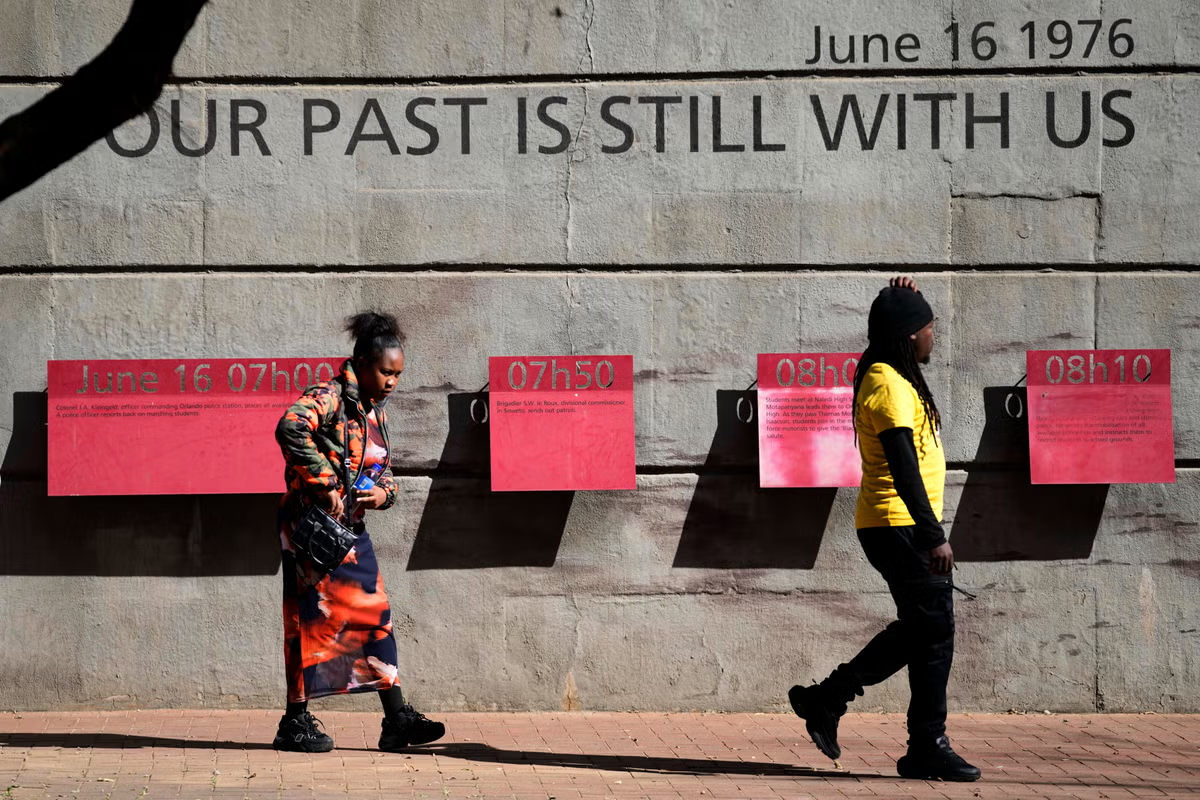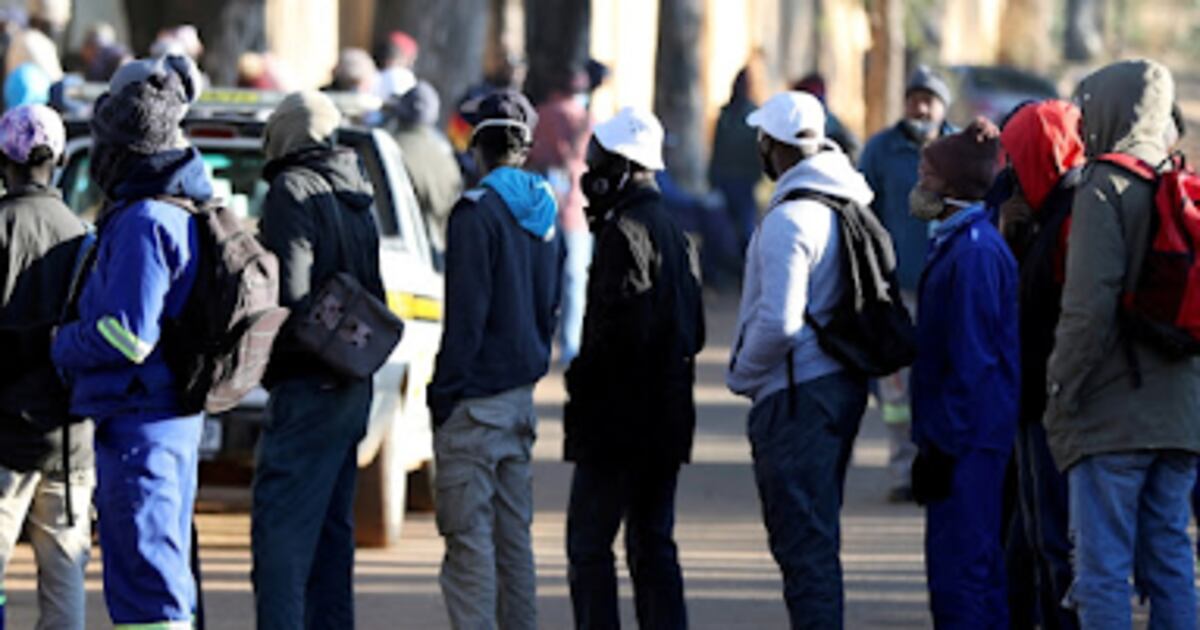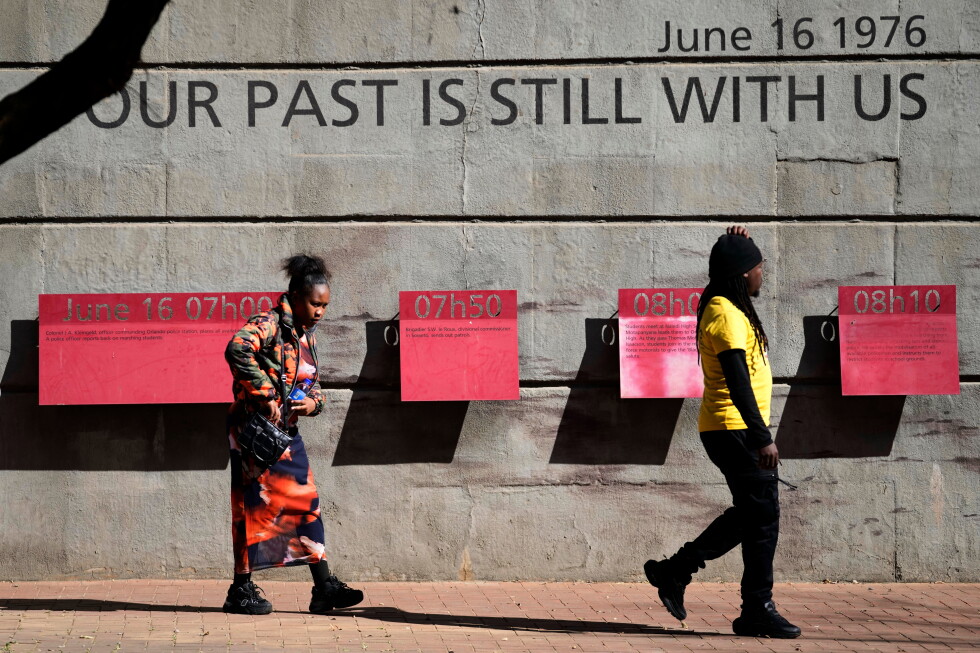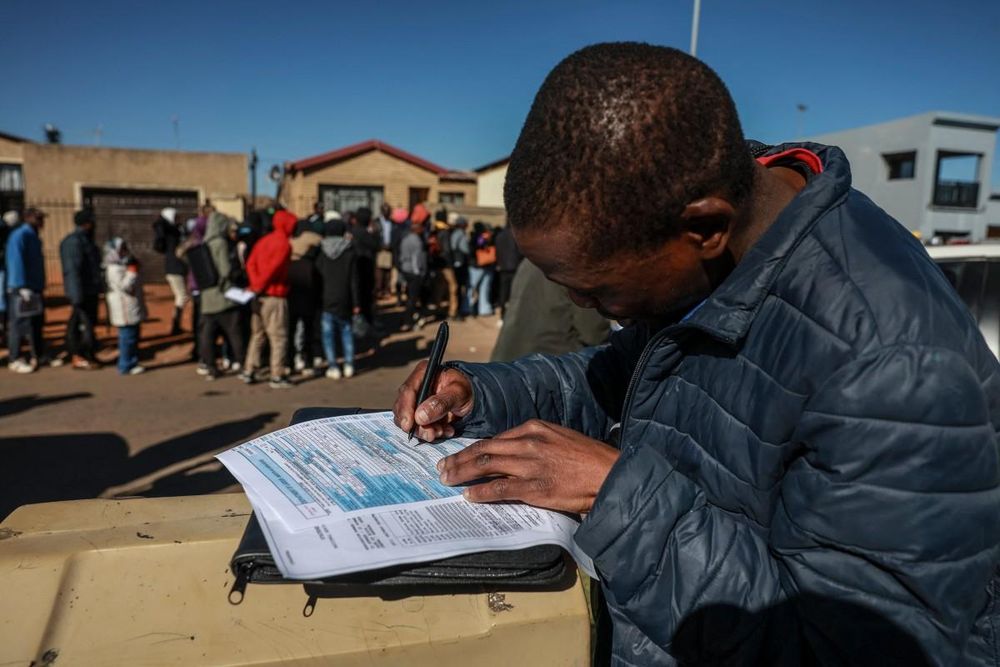
From apartheid-era classrooms to today’s job market, South Africa’s youth continue to face exclusion, now driven by unemployment, structural inequality and the rapid disruption of entry-level work by technology.
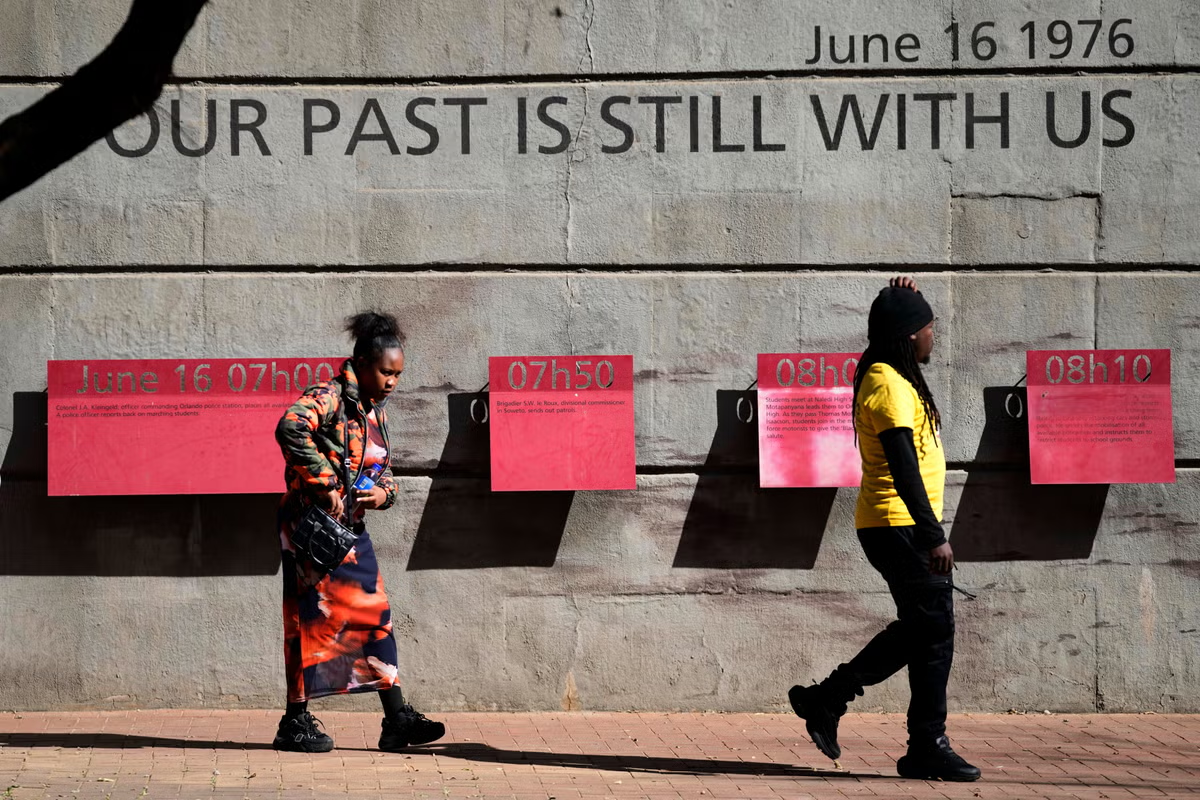
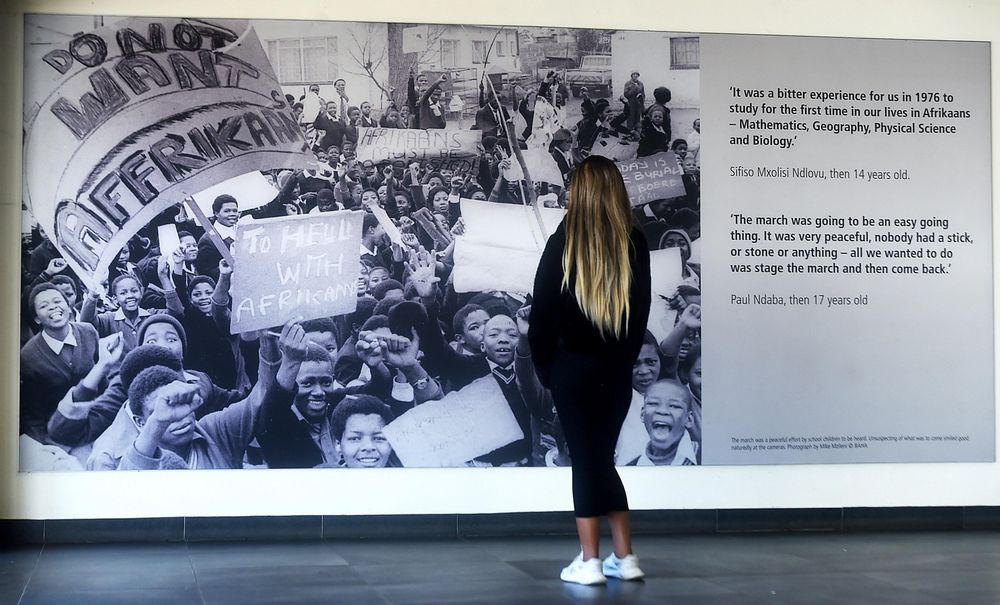
Youth Day honours the young people who rose up in Soweto in 1976, students who paid with their lives to resist an education system deliberately engineered to diminish them. That generation marched against the barrel of a gun for the right to quality and equal education. Fifty years later, our youth are struggling with unemployment, inequality and a rapidly changing digital era - barriers that are leaving millions of young South Africans locked out of the economy.
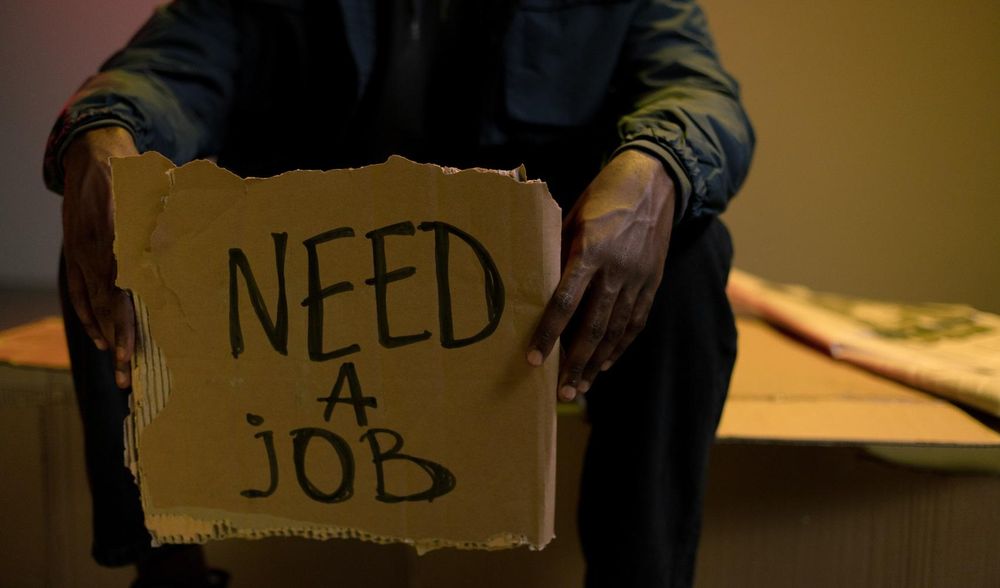
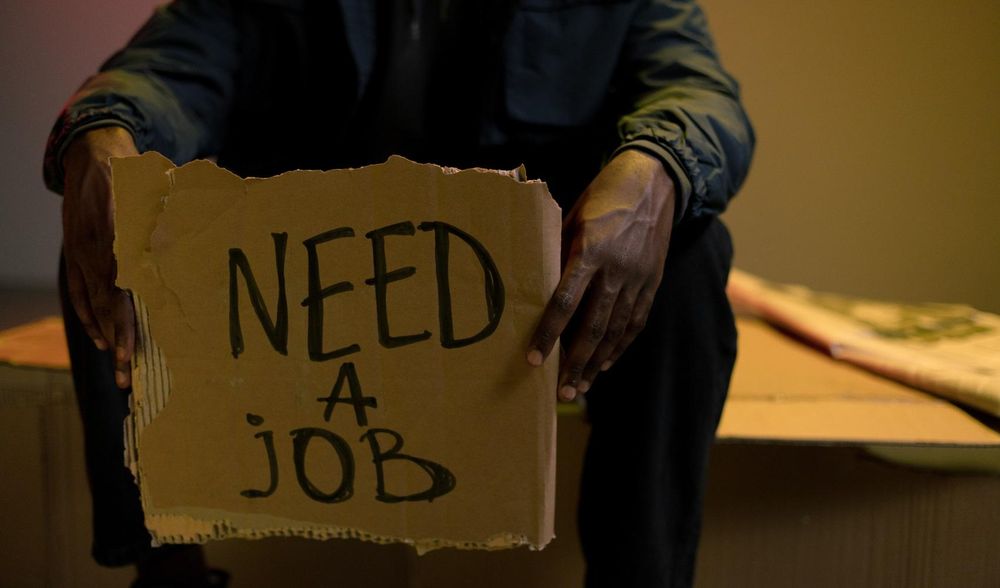
"Fifty years after fighting for education, millions of young South Africans are still fighting for a future. Youth unemployment remains one of the country's most critical crises, locking millions out of economic participation, including those with degrees and qualifications," says Prof Linda Meyer, MD at Rosebank International.
According to the National Bureau of Economic Research, youth unemployment in South Africa is now significantly worse than it was at the end of apartheid. While aggregate joblessness was historically high before 1994, the rate of young people excluded from the economy has surged to unprecedented levels, defining this generation's struggle. While the end of apartheid integrated the labour market and expanded democratic rights, joblessness has worsened.