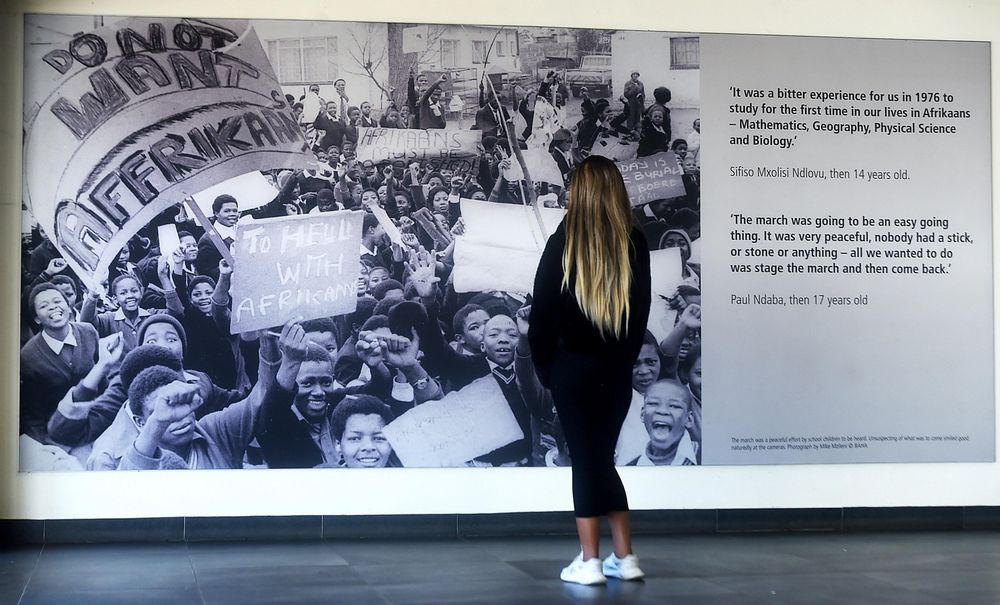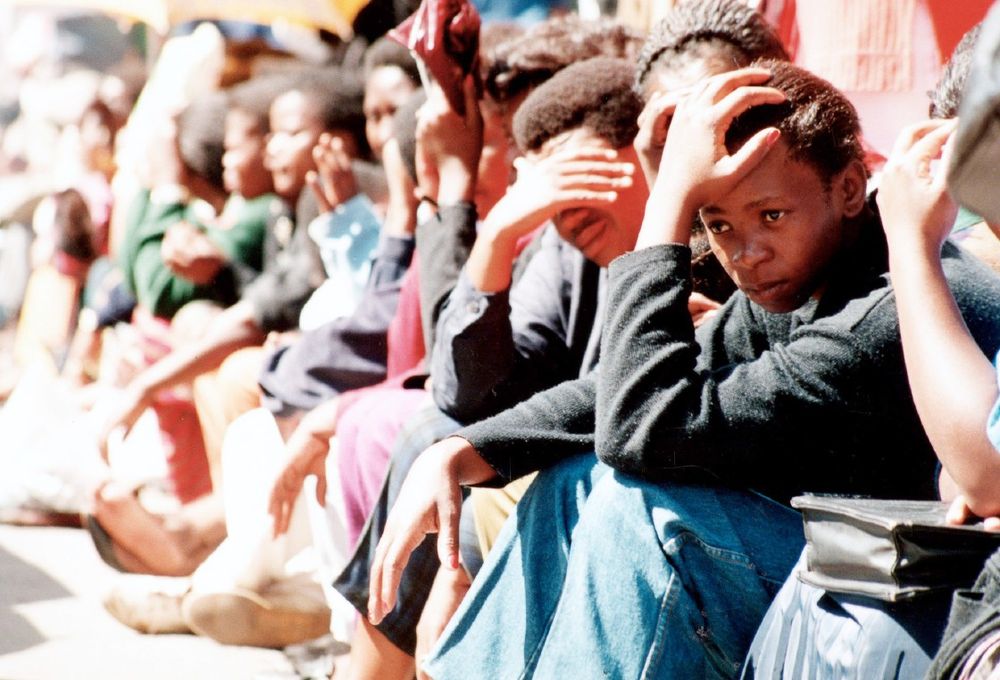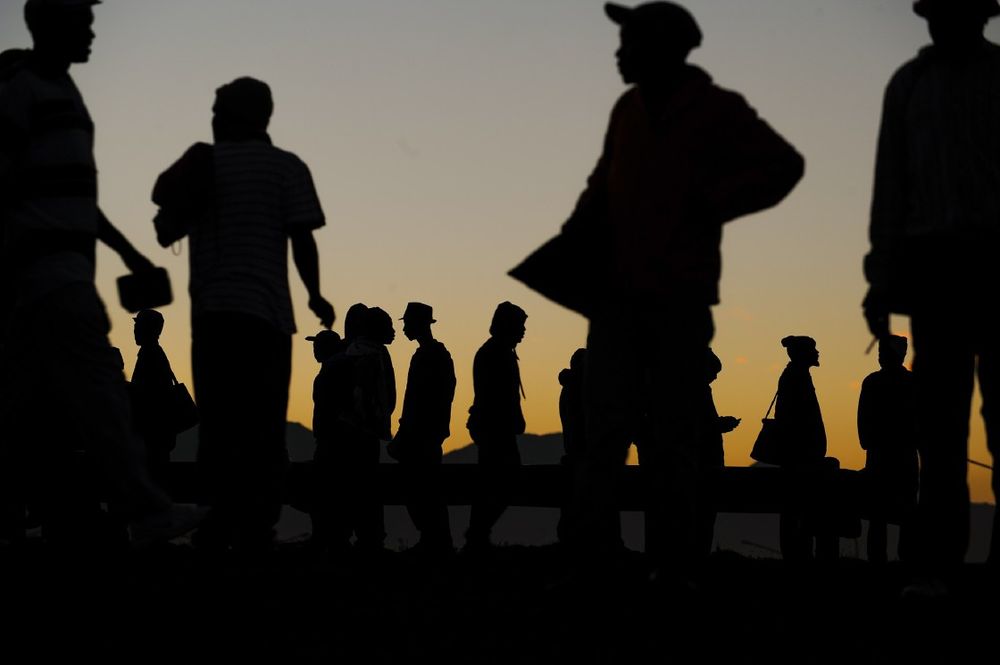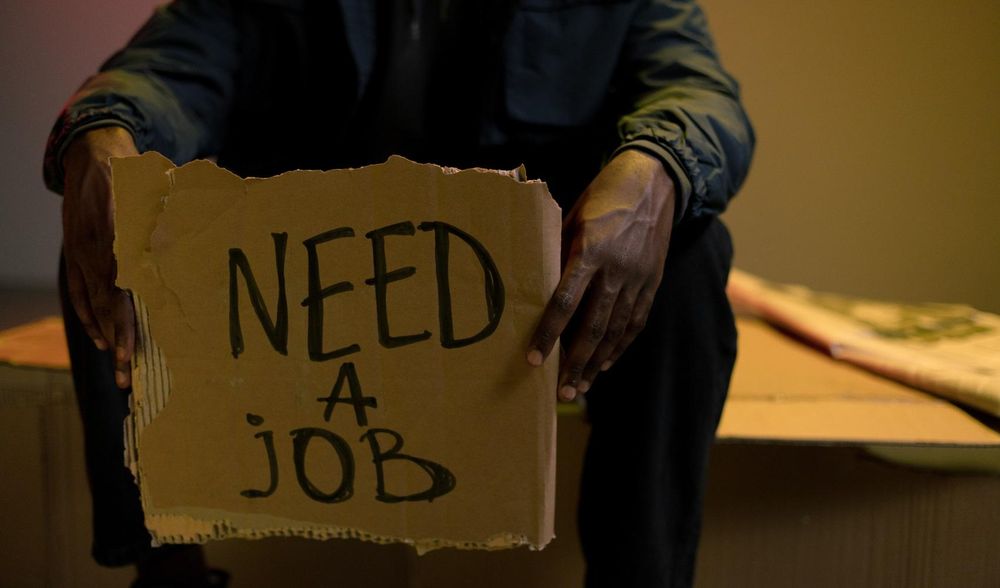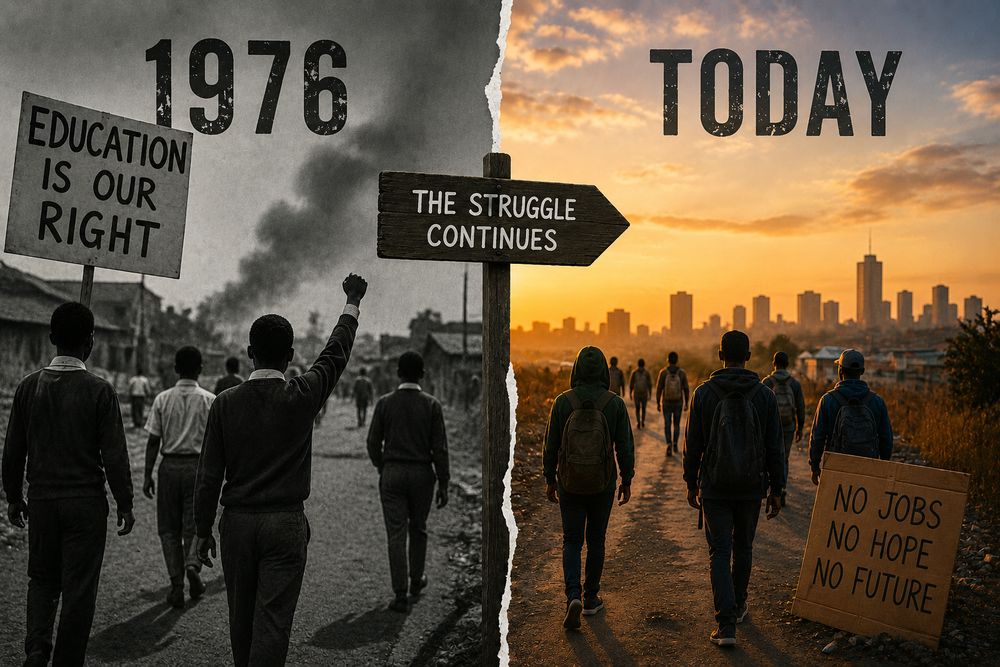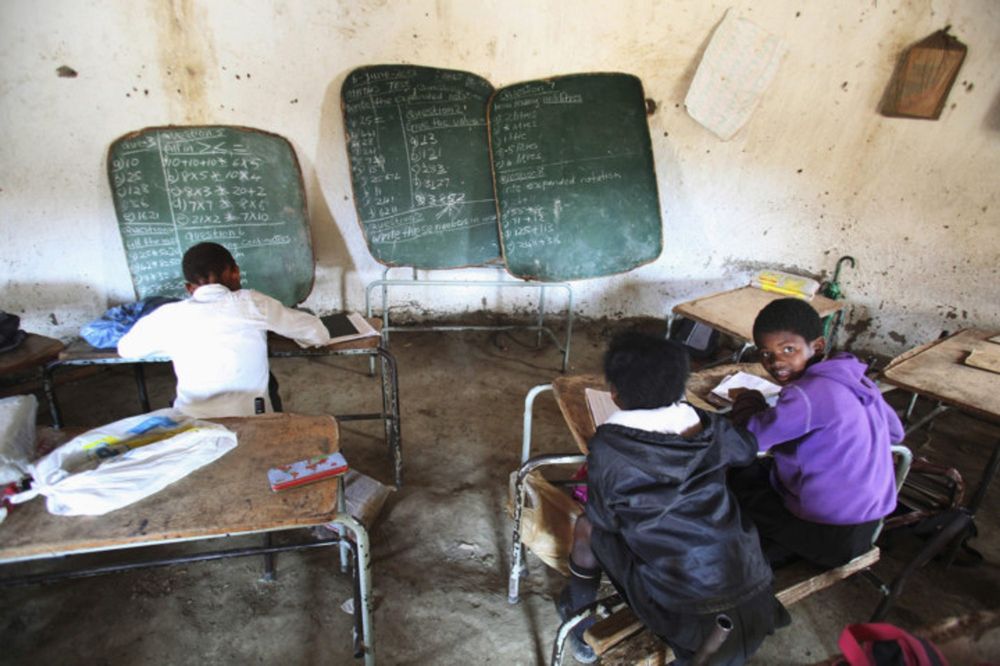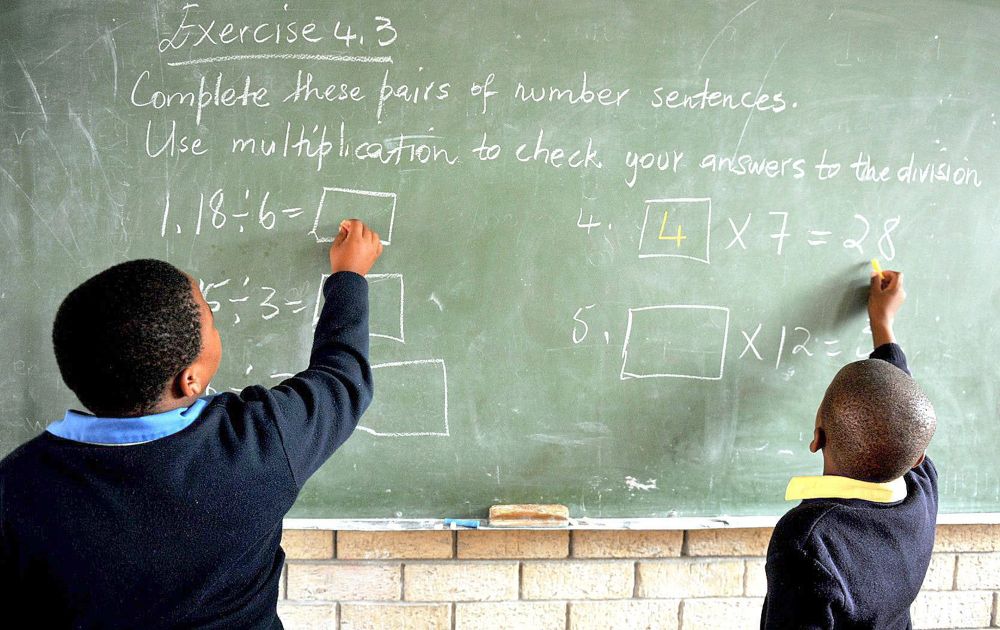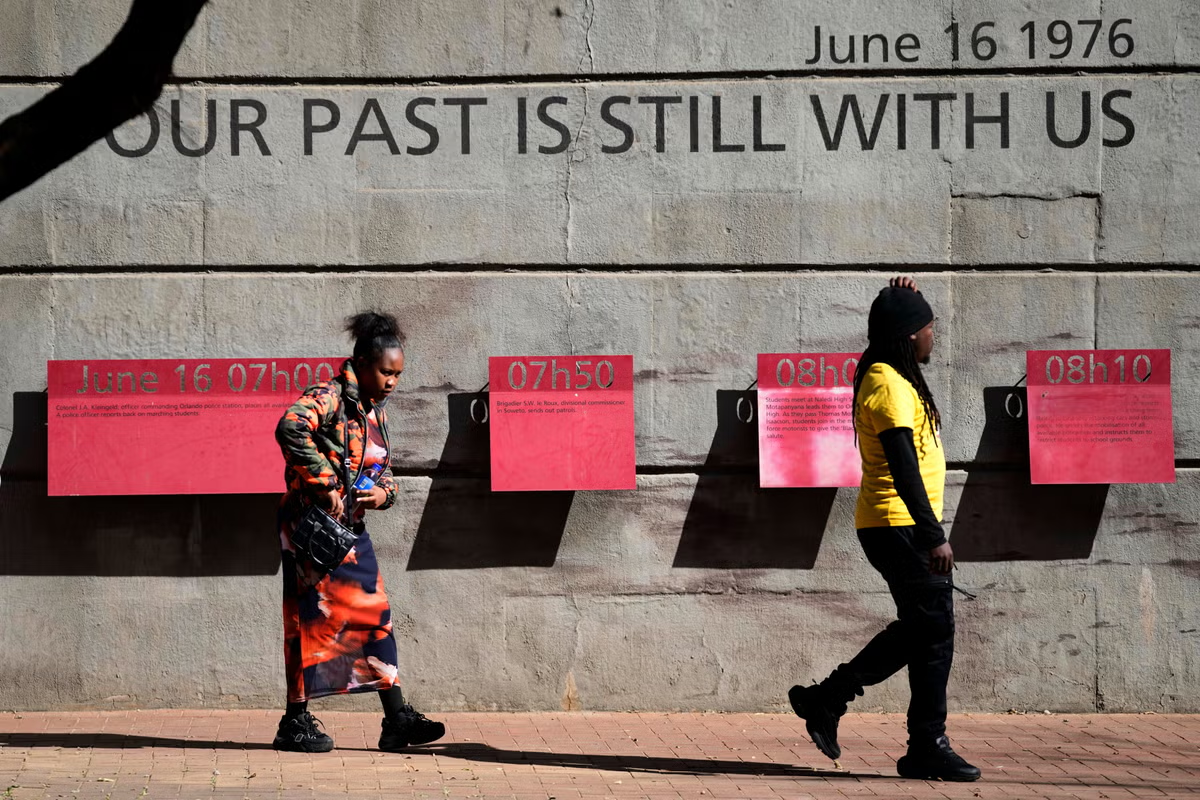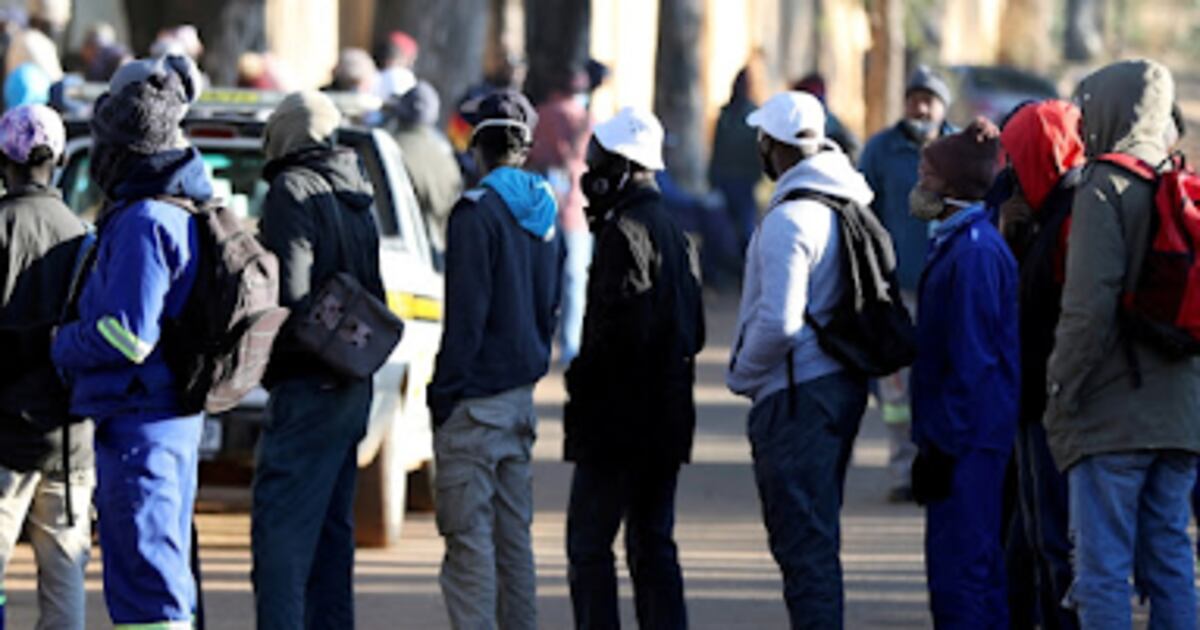
From apartheid-era classrooms to today’s job market, South Africa’s youth continue to face exclusion, now driven by unemployment, structural inequality and the rapid disruption of entry-level work by technology.
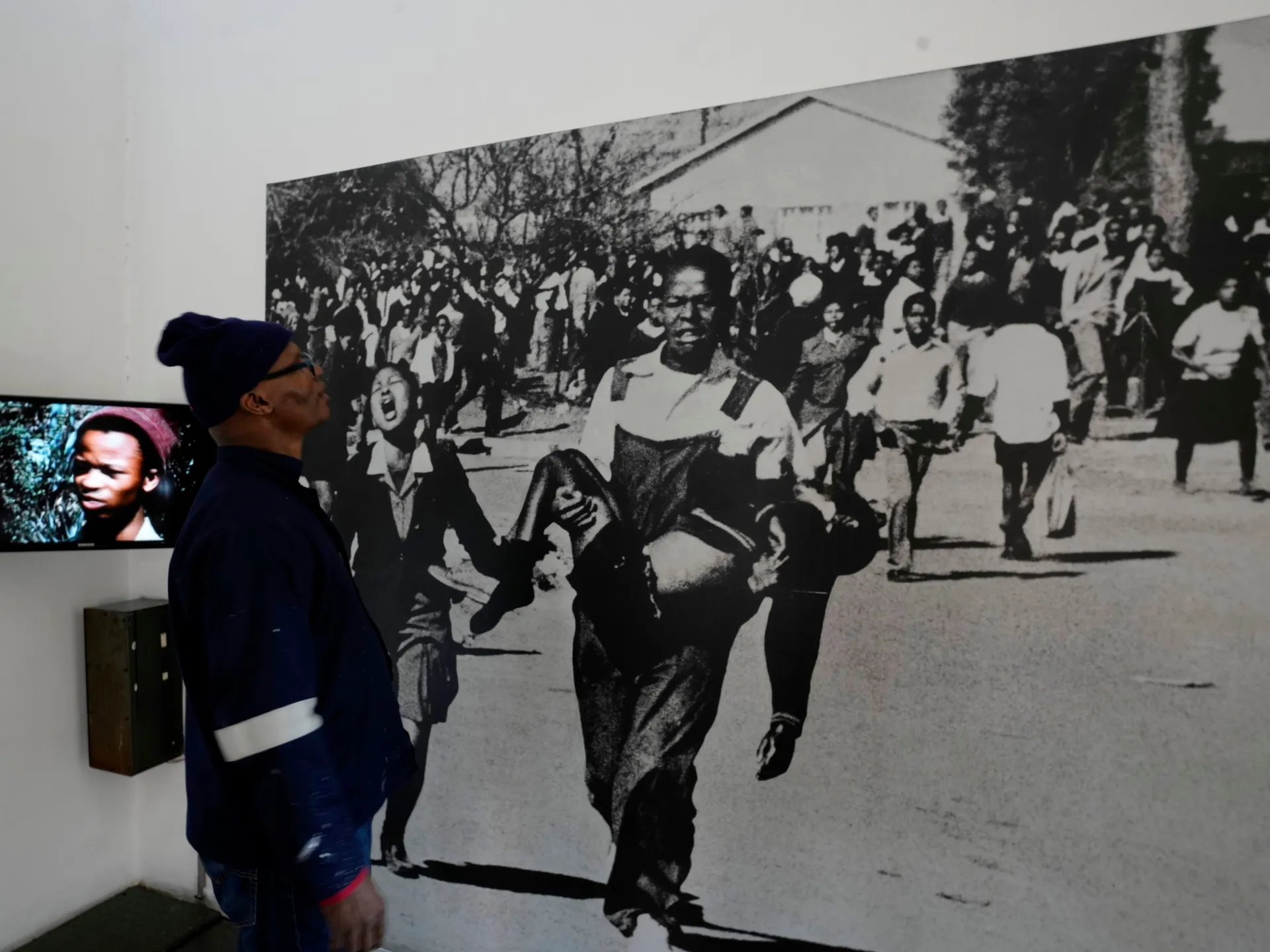
Fifty years after the students of Soweto marched for dignity, quality education and equal opportunity, new data from Statistics South Africa suggests the country has made significant social gains but has yet to fulfil the economic aspirations that lay at the heart of their struggle.
Released on Youth Day, Stats SA's latest report draws on census data from 1996 to 2022 to assess how the lives of young South Africans have changed during three decades of democracy. The findings reveal a generation that is larger, better educated and increasingly urbanised, yet still burdened by stubbornly high unemployment, persistent poverty and widening social pressures.
"The generation of 1976 fought for access to quality education, dignity and equal opportunity," Stats SA said. Census data collected over the past three decades, it noted, presents "a picture of progress, alongside the challenges faced by the youth."
It is a story defined by contradiction.