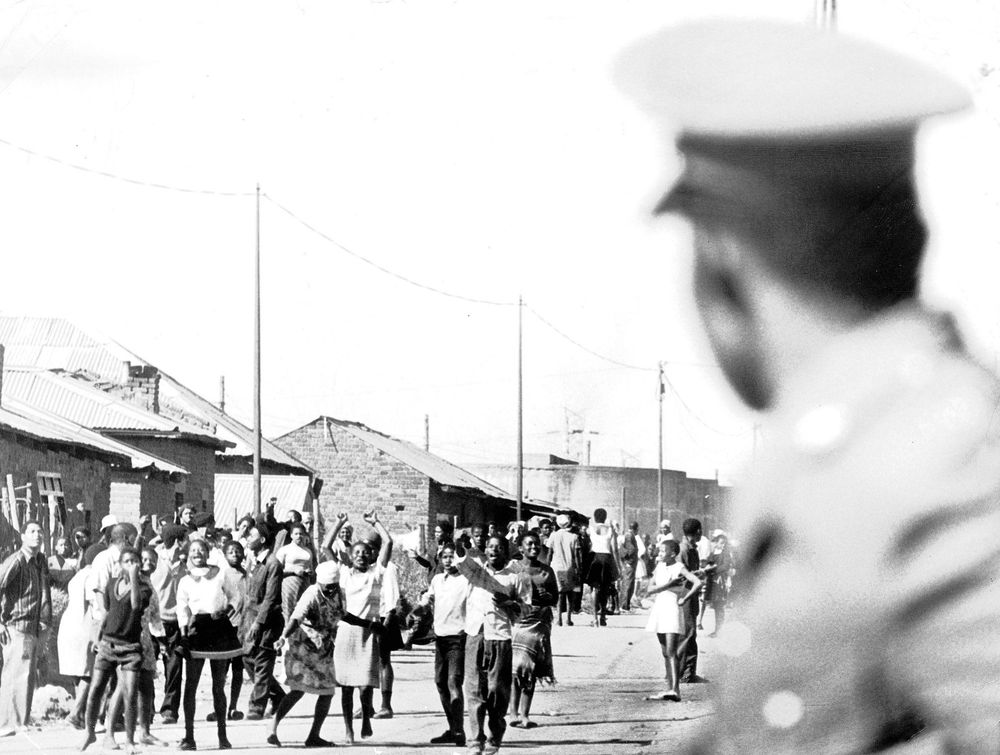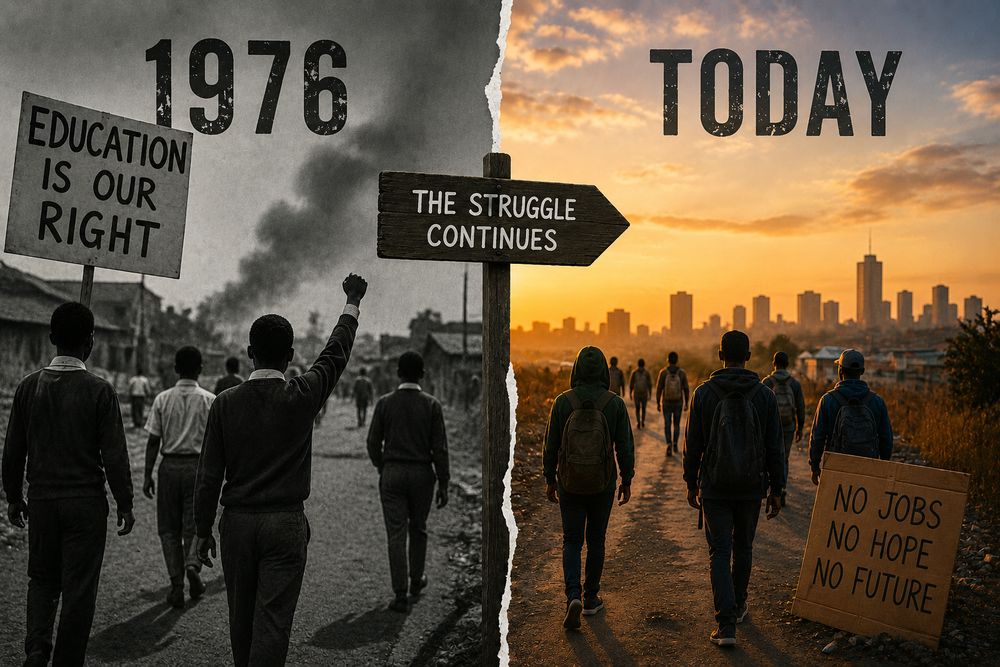
Fifty years after the 1976 Soweto uprising, the question of what has changed for South Africa’s youth remains both symbolic and sharply relevant.
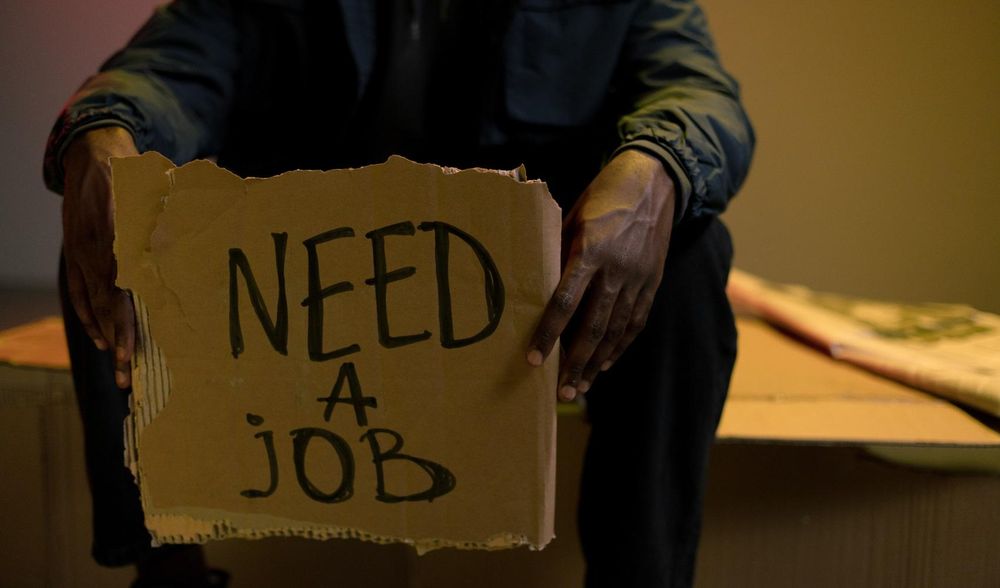
While the generation of 1976 fought against apartheid education policies, many young people today say their struggle has shifted from political liberation to economic survival.
Student voices describe a generation caught between hope and hardship, where unemployment, inequality, and mental health challenges define daily life. Campaign Director at the Southern African Alcohol Policy Alliance South Africa (SAAPA SA), Nomcebo Dlamini, who relates to the youth of 1976, says the struggles faced by young people then and now may differ in form, but remain rooted in inequality, opportunity, and survival.
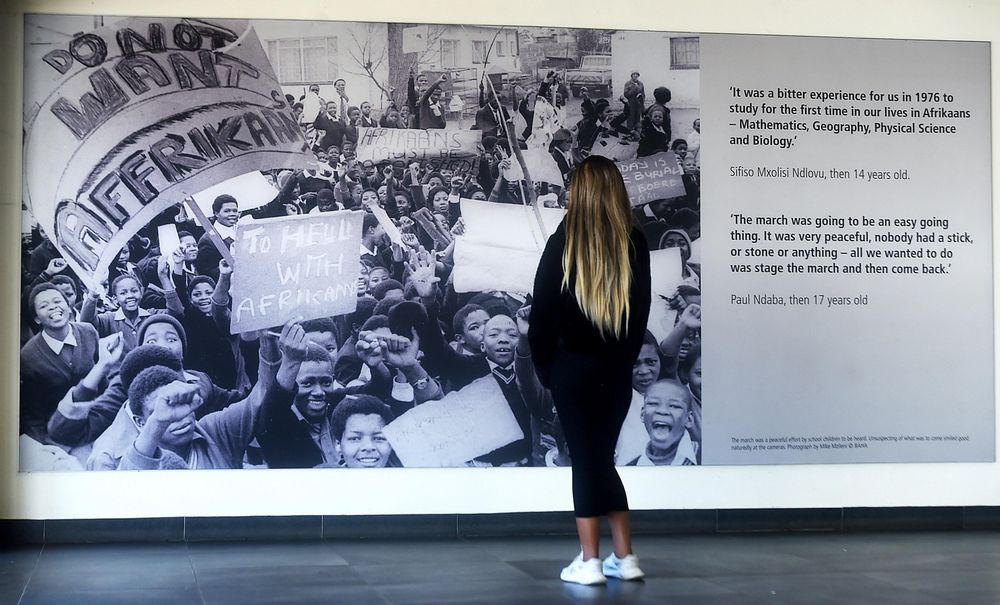
Reflecting on her experience in 1976, Dlamini said young people were confronted by an education system and broader society that entrenched exclusion and limited their prospects.
“The biggest challenge we faced was an unjust system that denied us quality education, dignity, and opportunities. The introduction of Afrikaans as a medium of instruction was simply the spark that ignited years of frustration. We knew that if we accepted an inferior education, we would be accepting a future of poverty and exclusion.”